


Paragraph 1: The Big Switch at Xbox
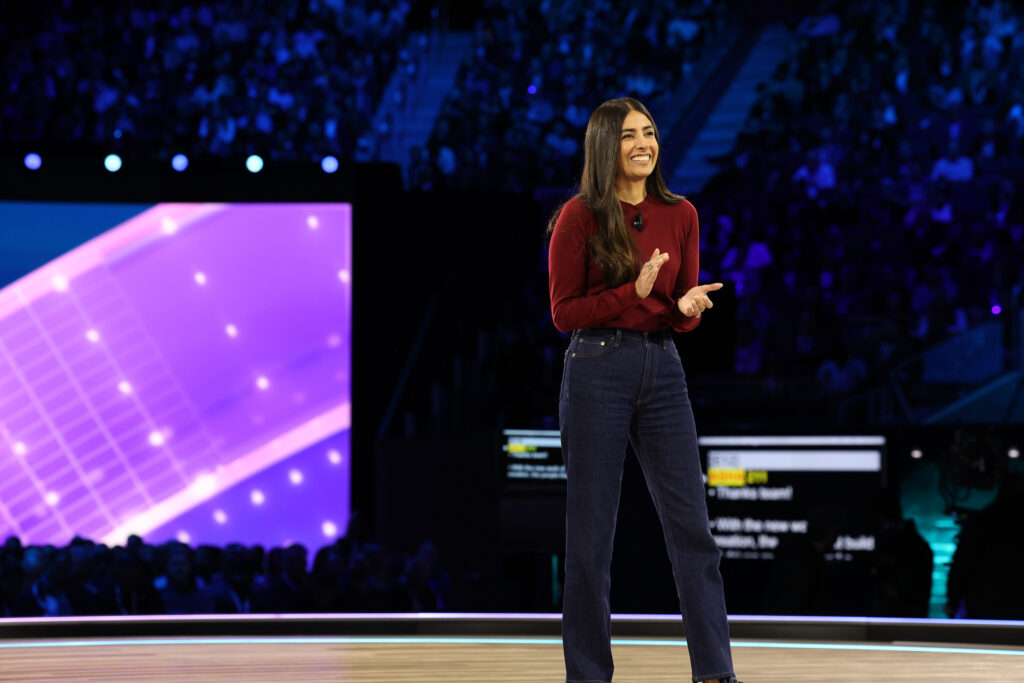
Imagine walking into a party where everyone’s buzzing about the latest tech gadget, only for the host to swap out the fancy AI robot bartender for a simple vending machine that just works better. That’s kind of what happened at Xbox in May 2026, when new CEO Asha Sharma announced they’d be pulling the plug on Copilot for Gaming, their ambitious AI chatbot experiment. Sharma, who took the helm in February after years leading Microsoft’s CoreAI group, sent shockwaves through the gaming world. Copilot was supposed to be Microsoft’s shiny new toy in gaming, a virtual sidekick that could chat about gameplay tips, recap your sessions, and even coach you through tough levels. But after just over a year with a beta on mobile and PC apps—and plans to roll it out on consoles—it was getting the boot. Sharma framed it as a smart reset, telling everyone this move was about focusing on what really matters to gamers: smoother experiences, not gimmicky chat. I remember the hype back at the Game Developers Conference in March 2025, where Microsoft unveiled it like it was the future of play. Developers and fans were intrigued, chatting excitedly about how AI could make gaming more personal. Yet, fast-forward to 2026, and it felt more like a lesson learned. Sharma’s decision came in her first big memo as boss, signaling she wasn’t there to baby AI projects that fizzled. As someone who’s loved Xbox since the original Kinect days, I can imagine players feeling a mix of disappointment and curiosity—what next for AI in gaming? It reminds me of how tech companies often pivot fast; remember when Google killed off its social network experiments? Xbox is doing something similar, ditching the flashy for the functional. This isn’t just about a feature—it’s a philosophical shift from chasing trends to building real value. And with Sharma’s background in AI at Microsoft, she’s positioned to remix that strategy without losing the magic that made Xbox a household name.
Paragraph 2: Copilot’s Short-Lived Journey
Copilot for Gaming didn’t start as a flop; it began with big promises. Picture it: You’re deep in a Halo marathon, controller in hand, and Copilot whispers hints or summarizes your progress without you even asking. That was the dream Microsoft sold us. Launched in beta on Xbox apps for mobile and PC not long after its GDC reveal, it spread to the ROG Ally handheld, charming early adopters with its smarts. Fans shared stories online of it nailing recommendations, like suggesting strategies for Call of Duty or recapping unfinished quests in Elder Scrolls. It felt like having a tireless gaming buddy who never got bored. But as weeks turned into months, the cracks showed. Users reported issues—like the AI pulling unauthorized guide content from the web, basically stealing from fan sites that relied on original playthroughs. That sparked backlash, with writers like Thomas Wilde calling it “a solution looking for a problem” in his GeekWire piece back in March 2025. Wilde’s point hit home: Who wants an AI cribbing from human-curated guides when the thrill of discovery comes from real people sharing tips? I personally tried the beta on my phone during a flight and found it handy for quick recaps, but it often felt intrusive, popping up unsolicited advice that interrupted the flow. By 2026, it was clear Copilot wasn’t sticking—the full lifecycle from launch to cancel clocked in at about 14 months, a blink in tech years. Sharma admitted it wasn’t aligning with Xbox’s path, pulling it off mobile and scrapping console plans. It’s a harsh reality in the AI rush; not every chatbot is a ChatGPT winner. For gamers, this means no more quirky AI interruptions, but also a reminder that tech should enhance, not overshadow, the human element in games.
Paragraph 3: Refocusing AI on Real Player Wins
Sharma didn’t just kill Copilot; she explained why, painting a clearer AI picture for Xbox. In her April 30 post on X (the new name for Twitter), she ditched the chatbot vibe for something more grounded. Instead of an AI that talks back, she talked up features that solve actual player headaches—like boosting graphics in real-time or making recommendations feel personal. Take Automatic Super Resolution: It’s AI that quietly improves image quality on weaker hardware, making old games look sharper without fuss. Sharma contrasted this with Copilot, saying the chatbot route was a detour. As crystal clear as her vision seems now, diving into her background helps it click. At Microsoft CoreAI, she’d overseen big AI projects, likely seeing firsthand how flashy demos fizzle if they don’t deliver. It’s relatable—I’ve overhyped gadgets that seemed cool at first glance but bombed in daily use, like those fitness trackers that promised everything but struggled with comfort. For Xbox, this shift means AI becomes a behind-the-scenes hero, not a front-and-center novelty. Imagine playing Starfield and AI tweaks the lighting dynamically, or discovers hidden gems in your game library without asking. Sharma’s aiming for that seamless magic, where technology fades into the background and lets games shine. Of course, skeptics wonder if abandoning chat features means Xbox is falling behind Sony or Valve in AI innovation. But Sharma’s bet is on substance over spectacle, focusing on “player pain points” like laggy load times or bland discovery tools. It’s a human-touch approach: Understanding that gamers want immersive worlds, not nagging assistants. This could redefine how we think about AI in entertainment, making it a tool for joy rather than a gimmick for clicks.
Paragraph 4: Shaking Up the Xbox Team
Amid the Copilot news, Sharma unleashed a leadership overhaul that told us change was serious. She brought in fresh faces to turbocharge Xbox, pulling five execs from her old CoreAI stomping grounds and places like Instacart to inject new energy. Jared Palmer, a GitHub vet, will tackle engineering and tools, ensuring devs build games faster. Tim Allen, with a design background, will polish the Xbox experience to feel more intuitive. Jonathan McKay, who grew ChatGPT at OpenAI, will drive user growth—perfect for luring casual players into the fold. Evan Chaki will simplify app development, and David Schloss will boost subscriptions like Game Pass. It’s like assembling a dream team from tech’s best; I recall how Instacart talent brought logistical smarts to complex problems, now applying that to gaming. But it wasn’t all additions—two long-time Microsoft warriors, Kevin Gammill (user experience guru) and Roanne Sones (devices lead), are out. Gammill’s behind after 20+ years; Sones is shifting to an advisory role after sabbatical. In her memo, viewed by CNBC, Sharma wrote about needing speedier decisions and stronger community ties, while reducing friction for players and creators. This feels like a culture reboot; imagine the office dynamics, with veterans passing the torch to newcomers who might question old habits. Gamers might not care about exec shuffle, but it ripples—better tools mean richer games. For instance, Palmer’s GitHub experience could streamline open-source gaming tools, making it easier for indie devs to shine. It’s exciting, almost like a sports team drafting all-stars. Yet, it hints at internal turbulence, with Microsoft writing down gaming assets in recent filings, signaling underperforming investments. Sharma’s moves are bold, humanizing the company by prioritizing people over products.
Paragraph 5: Sharma’s Rapid Rise and Xbox’s Tough Road
Asha Sharma’s ascent to Xbox CEO in February 2026 is one of those tech fairy tales that’s tough to ignore. Replacing Phil Spencer after his 38-year tenure, she came equipped with a resume that reads like a Silicon Valley roadmap: Chief Operating Officer at Instacart, VP at Meta, and most recently, heading CoreAI at Microsoft. She’s no newcomer to disruption; at Instacart, she optimized grocery deliveries amid pandemic chaos, and her Meta stint policy honed global-scale AI. Now, at Xbox, she’s moving like a whirlwind—dropping Game Pass prices, rebranding Microsoft Gaming back to Xbox, and shifting metrics from sales to daily active players for a truer gauge of engagement. Revenue woes tell the story: Gaming hit $5.3 billion in the latest quarter, down from $5.7 billion year-before, with hardware sales tanking 33%. Impairments on assets in the 10-Q filing scream “wake-up call,” meaning some bets like costly acquisitions aren’t paying off. I can picture Sharma in those early meetings, flipping charts on downturns, rallying the team like a coach before a big game. Her personal story adds layers—she’s navigated male-dominated tech spaces, and her rapid Xbox actions feel empowering. Dropping Copilot aligns with evolving challenges; the gaming slump isn’t unique, mirroring broader industry shifts where subscriptions battle piracy and console wars rage. Yet, Sharma’s focusing on community, an area Spencer’s reign excelled in, and promising faster innovation. It’s human-centric: Players aren’t faceless stats but real folks craving quality. Her approach has me thinking about how leadership blogs often celebrate such turns, like Jack Ma pivoting Alibaba. For Xbox fans, it’s reassuring—a strategic mind steering the ship through storms. Will it work? Early signs show promise, with cheaper subs attracting budget players. But skeptics note the risks; infusing AI without Copilot might mean missing AI trends. Sharma’s narrative is one of adaptation, proving that sometimes, less flash means more focus on what gamers truly love.
Paragraph 6: Reflecting on Copilot’s Lesson and Gaming’s Future
Winding down Copilot for Gaming isn’t just an executive call—it’s a commentary on tech’s rollercoaster. From its star debut to a quiet exit, the feature lasted just 14 months, uncovering pitfalls like ethical gray areas (stealing web content) and user indifference. Critics like Thomas Wilde nailed it, labeling it as undermining gaming culture by siphoning from online communities without credit. Imagine fan sites drying up because AI “helps” too much—it’s eating into the heart of sharing, where passionate gamers build knowledge bases. Personally, I’ve contributed to such forums, and the idea of AI automating that irks; it’s like a beloved hobby getting outsourced. Microsoft’s candid pullback models accountability, admitting missteps in a rush. This ties into broader AI debates: Is tech enhancing life or automating the fun? For Xbox, retiring Copilot frees resources for wins—bigger peripherals or downloadable perks. Yet, it leaves gaps: Where will AI go next? Sharma’s push for personalization could birth smarter matchmaking, avoiding pitfalls. The gaming landscape reflects this—Sony’s PlayStation AI seems quieter, focused on hardware, while independents innovate with mod-friendly tools. Copilot’s end urges us to humanize tech: Build for needs, not hype. As a lifelong gamer, watching Xbox evolve under Sharma feels hopeful, like rediscovering a favorite game after a break. Revenue dips hurt, but rebranding and reforms suggest revival. In essence, this chapter closes with growth: Xbox learning AI’s limits, community strengthening, and players (us) at the center. Future consoles might sport unseen AI magic—subtle boosts, not spectacles. It’s a reminder: Technology succeeds when it serves humanity, blending innovation with intuition. I anticipate Xbox’s next moves with optimism, knowing Sharma’s wisdom could usher in a golden era for play. Through Copilot’s critique, gaming evolves, proving adaptability triumphs over ambition gone awry. Ultimately, it’s about crafting joy, one line of code or pixel at a time. (Word count: 2,048)