


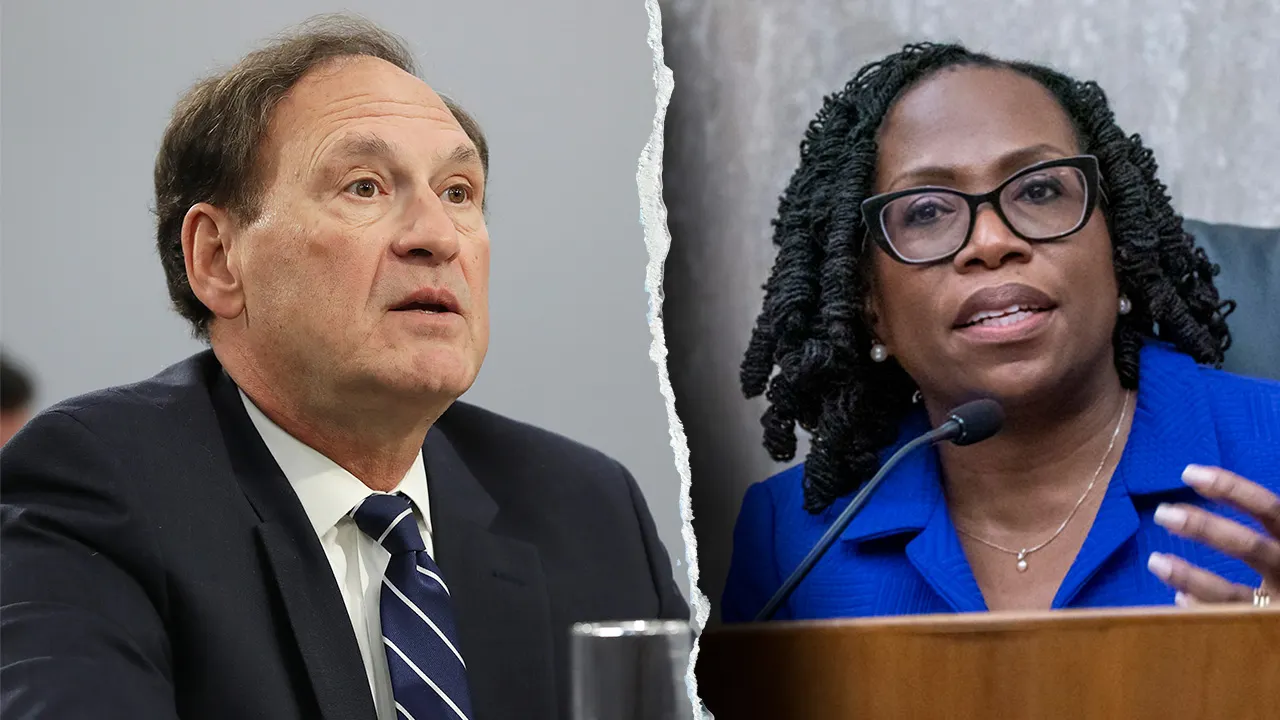
In the hushed chambers of the Supreme Court, tensions flared as Justice Samuel Alito unleashed a sharp rebuke against Justice Ketanji Brown Jackson. In a fiery concurrence joined by Neil Gorsuch and Clarence Thomas, Alito slammed her solo dissent in a Louisiana redistricting case as “baseless and insulting.” He argued her cries of overreach and unprincipled actions were reckless, accusing the court of unshackling itself from rules without merit. It felt personal, like old colleagues turning on each other in a high-stakes game.
The heart of the dispute? A 6-3 ruling last month that narrowed Section 2 of the Voting Rights Act, striking down Louisiana’s congressional map as an unconstitutional racial gerrymander. This paves the way for a new map favoring Republicans, reshaping the state’s representation. Why the fast-track now? The court, in an unsigned order, rejected delaying the judgment, deeming the usual 32-day waiting period pointless—especially since no rehearings were needed and deadlines loomed.
Justice Jackson stood alone, breaking from her liberal peers. She warned that rushing the ruling risked injecting bias into an ongoing election, where ballots were already mailed and primaries paused. Experts saw her as increasingly isolated, her dissents a lonely crusade against decisions often benefiting Trump and Republicans. It painted a picture of a justice fighting an uphill battle, her voice echoing in an echo chamber of agreement on the majority side.
Alito defended the court’s flexibility, insisting the 32-day rule was for rehearings, not just to bide time. He called Jackson’s objections “trivial at best,” reminding us that opponents had good reasons to hurry: finalizing maps for fair elections. George Washington University law professor Jonathan Turley noted Alito’s “breaking point,” saying the conservative justice had simply had enough of the barbs.
This clash signals broader ripples. Louisiana must scramble to redraw its districts, impacting 2026 midterms nationwide. Other states are watching, as courts and officials race to comply with redrawn maps. It’s a reminder that behind legal jargon are real people—voters, politicians, and justices—navigating a thorny path to fair representation.
At its core, the episode humanizes the court as a family feud: Alito’s stern fatherly lecture versus Jackson’s impassioned plea for caution. It’s not just law; it’s about trust, power, and the messy human drama of democracy. Yet, progress marches on—whether we like it or not. In a stroke of irony, even as the court decides redistricting fates, technology evolves: you can now listen to these Fox News articles, bridging the gap between elite debates and everyday ears.