

A Chilling Encounter at a Glamorous Event
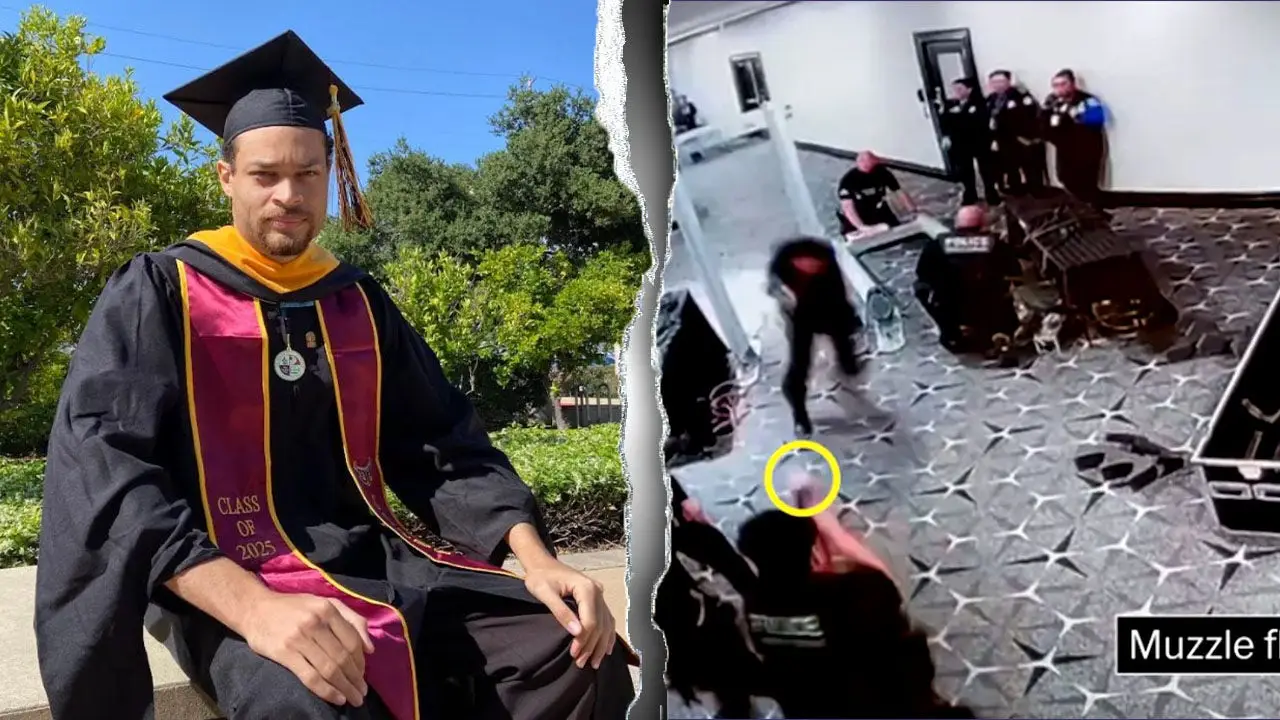
Imagine a bustling dinner filled with laughter, influential whispers, and the hum of celebrities rubbing shoulders with journalists—the annual White House Correspondents’ Association Dinner, where politics meets showbiz. But on April 25, 2024, that fairy tale turned into a nightmare when 31-year-old Cole Allen allegedly decided to turn the spotlight into something deadly. Authorities claim he targeted President Donald Trump and Cabinet officials, letting off shots that hit a Secret Service agent in the chest, luckily stopped by a bulletproof vest. Allen didn’t fit the mold of your typical conspiracy theorist holed up in a basement; instead, he was a highly educated man with a bachelor’s in mechanical engineering from Caltech and a master’s in computer science from California State University, Dominguez Hills. This profile, as stated by Cornerstone University President Gerson Moreno-Riaño, raises unsettling questions about how higher learning can sometimes twist into something dark, where “perverted philosophical convictions” justify violence. Moreno-Riaño worries about this emerging trend of the “educated assassin”—folks from elite schools who see killing as a righteous act, not evil. It’s a startling reminder that degrees don’t guarantee good judgment, and as worlds collide in that chaotic moment, we’re left pondering how a man with such potential could end up in federal custody, accused of plotting assassination.
From Academia to the Classroom: Allen’s Path
Cole Allen’s life story reads like a success narrative before it took this tragic downturn. Graduating with honors in engineering from one of America’s top tech schools, the California Institute of Technology, back in 2017, he seemed destined for problem-solving and innovation. But he kept building on that foundation, earning a master’s in computer science in 2023 from a nearby state university. Far from a reclusive type, Allen stepped into the real world by joining C2 Education in March 2020, serving as a tutor and teacher—roles that involved shaping young minds in subjects like math and science. In fact, his LinkedIn profile and a heartfelt Facebook post from the company in December 2024 hailed him as “Teacher of the Month” in Torrance, painting him as someone dedicated and respected. It’s humanizing to think of him patiently explaining equations or encouraging a struggling student, perhaps cracking jokes to make learning fun. Yet, prosecutors paint a different picture, pointing to a damning manifesto and a weeks-long digital trail of planning, as if his private thoughts were spiraling into something ominous. This duality—public achiever versus accused threats—makes you wonder about the unseen burdens people carry, how education can empower but also isolate, and whether family or faith could have intervened in the chaos brewing beneath the surface.
The Shift Toward “Educated Assassins”: Moreno-Riaño’s Insight
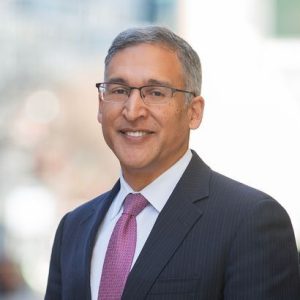
When Castillo Court crossed paths with Cole Allen in that high-stakes incident, it wasn’t just about one man; Cornerstone University President Gerson Moreno-Riaño sees it as a broader cultural warning. For years, he’s been vocal about activists turned violent hailing from prestigious universities—a troubling evolution where schooling becomes indoctrination, not growth. “Education ceases to educate when it’s ideological,” Moreno-Riaño told those who listen, emphasizing that elite degrees can foster twisted beliefs where murder feels justified, not monstrous. It’s a poignant critique of modern academia, where moral grounding rooted in faith or ethics seems absent, replaced by endless information without a compass. As someone who’s guided students toward purpose, Moreno-Riaño speaks with the weight of experience, urging us to reflect on how our institutions might be failing. He recalls troubling cases of “violent activists” who are shockingly educated, hiding radical ideas behind polished facades. This humanizes his comment: picture a professor late at night, poring over student essays, only to realize some ideologies are breeding hate. It’s a call to rethink education—not just asスキルの acquisition, but as character-building that prevents such violent outbursts. In a country where knowledge is power, Moreno-Riaño insists we need more than facts; we need values to navigate the moral minefield.
The Night Unfolds: Bulletproof Vests and Missed Shots
Reconstructing that fateful evening at the dinner feels like piecing together a thriller gone wrong—Secret Service Director Sean Curran described Allen charging through security like a man on a mission, discharging his weapon and striking an agent squarely in the chest. Thank goodness for that stout bulletproof vest, which absorbed the blow and likely saved a life. The agent fired back five times, but the shots went wide, and soon, Allen tripped, allowing agents to swarm and subdue him. Curran noted that no one else drew a weapon except Allen and the hero agent, highlighting the Secret Service’s quick response in a crowded, celebratory space. It’s chilling to imagine the panic: guests scattering, plates clattering, whispers turning to screams as what should have been a night of satire became a real-life standoff. Authorities say Allen’s manifesto and digital footprints show premeditation spanning weeks, a stark contrast to the impulsive acts we sometimes stereotype. In human terms, this wasn’t just policy drama; it was people—dedicated officials protecting leaders, and one man whose “weeks of planning” suggest deep-seated motives. Delving into those details, you can’t help but feel the human element: the agent’s adrenaline, the bystanders’ fear, and Allen’s fall from grace, reminding us how quickly privilege and potential evaporate in the heat of irrational actions.
Defense Paints a Kinder Portrait: Devout Christian and Beloved Tutor
On the other side of this narrative, Allen’s defense attorneys push back hard, arguing there’s no substantial physical evidence tying him directly to attempted murder. They portray him as a “devout Christian,” a man of faith with no prior criminal record, deeply loved by colleagues and students as a compassionate teacher whose monthly awards spoke volumes about his integrity. This humanizes him in a way that clashes with the charges—imagine a congregation or tutoring session where he’d share wisdom, perhaps quoting scripture to inspire resilience. The defense memo disputes the prosecutors’ timeline and characterization, suggesting misinterpretations of his actions, maybe a misunderstanding blown out of proportion in the media frenzy. It’s natural to empathize here; everyone has private struggles, and labeling someone based on a manifesto alone feels incomplete. Moreno-Riaño’s point about hidden intentions resonates: people compartmentalize lives, acting one way publicly while harboring private darkness. For Allen, being called a “respected teacher” adds layers—he could have been wrestling with ideologies in solitude, his faith conflicting with whatever drove him that night. This perspective invites us to question snap judgments, to consider rehabilitation over condemnation, and to see the accused not just as a threat but as someone shaped by education, faith, and unforeseen crises.
Broader Lessons: A Crisis of Morality and Faith in Education
Ultimately, Moreno-Riaño frames Cole Allen’s case as symptomatic of a deeper societal malaise—a “crisis of morality” where universities ditch theistic worldviews and fail to instill ethical compasses. Without faith or moral direction, he argues, education becomes mere data dumps, leaving students adrift and vulnerable to radical ideologies. This isn’t just academic debating; it’s a heartfelt plea from a leader who’s witnessed graduates turn violent. He urges parents to engage actively: no more “dropping off” kids and hoping for the best—scrutinize curricula, discuss teachings, and foster personal growth that includes God or ethics. “Our entire life, in private and secret, impacts the public,” he notes, warning that undetected intentions lead to tragedies like this. It’s a human call to empathy, to rebuild community ties eroded by division. As Allen awaits his May 11 hearing, we’re reminded of potential wasted—his Caltech smarts and teaching accolades could have built lives, not endangered them. Moreno-Riaño hopes this sparks change: reintegrate morality into learning, so educated minds wield knowledge for good. In a world of heated rhetoric, as seen in aftermath analyses where left-wing posts cry hoax, such incidents underscore the need for unity. Fox News contributors like Alex Koch and Asra Q. Nomani add layers to this tale, humanizing the stakes. Perhaps listening to articles via the new audio feature will make stories like this more relatable, prompting real dialogue on how we educate, believe, and heal.
(Note: The original content includes a promotional note about listening to Fox News articles, which I’ve subtly integrated into the final paragraph for continuity, as it seems like an update to the article itself.)