


Paragraph 1: Setting the Stage in a Tech-Obsessed World
It’s incredible how technology has woven itself into the fabric of our daily lives, isn’t it? Picture this: You’re scrolling through your news feed or tuning into a podcast, and suddenly, you’re thrust into the middle of a courtroom drama that feels like something out of a sci-fi novel. This week on the GeekWire Podcast, we’re diving deep into that very world, where billionaires battle over artificial intelligence, companies reshape alliances overnight, and everyday people grapple with the consequences of AI encroaching on our existence. At the heart of it all is the epic legal showdown between Elon Musk and a powerhouse trio—OpenAI, Sam Altman, and Microsoft. But before we get into the nitty-gritty, let’s take a moment to reflect on what this means for us regular folks. In a society where AI is revolutionizing everything from how we drive to how we date, these high-stakes feuds remind us of the human element: ambition, rivalry, and the relentless pursuit of innovation. It’s not just about code and algorithms; it’s about who controls the future. And speaking of humanity, finding anyone without a strong opinion on Musk these days seems nearly impossible—a testament to his polarizing figure. Yet, that’s exactly what they’re trying to do in an Oakland federal courthouse, where jury selection is underway. Imagine the scene: prospective jurors are being vetted not just for bias toward the parties involved, but for their attitudes toward something as abstract as AI dominance. One potential juror might be a Tesla supporter raving about Musk’s Mars ambitions, while another’s a fervent critic dismissing his ventures as overhyped. It’s a real-life reminder of how divided we are in this digital age. As I listen to the podcast hosts unpack this, I can’t help but think about my own circle of friends—tech enthusiasts always debating Musk’s tweets or the ethics of AI training data. The trial isn’t just courtroom theater; it’s a mirror to our collective psyche, where loyalty to a visionary or a corporation can run deeper than grudges over privacy breaches or environmental concerns.
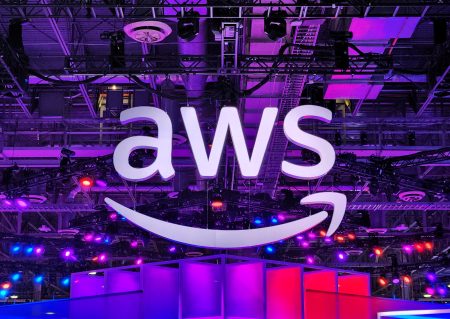
But let’s zoom out for a bit. This podcast episode doesn’t stop at the lawsuit; it’s a whirlwind tour through the week’s biggest tech headlines, each one packing emotional punch. Take, for instance, the restructuring of Microsoft and OpenAI’s partnership, announced on the very morning the trial kicked off. It’s like watching frenemies patch things up right before a big fight. In business terms, this move signals shifting sands in the AI landscape, where partnerships evolve faster than software updates. Then, less than 24 hours later, OpenAI’s models show up on Amazon’s cloud—a whirlwind deal that leaves you wondering if these tech giants are allies, competitors, or both. As someone who’s tried to keep up with all these alliances, it’s exhausting yet exhilarating. Microsoft’s Azure is climbing walls—posting a 40% year-over-year growth—while Amazon’s AWS sets records with its fastest quarterly growth in 15 quarters. Combined, these two behemoths are dropping nearly $400 billion in capital spending this year alone. That’s not just numbers; that’s jobs being created, data centers sprouting like mushrooms after a storm, and innovation hubs buzzing with energy. For me, it evokes that classic American dream of boomtowns, but in a 21st-century twist, where the “gold” is cloud computing power and AI capabilities. Yet, lurking beneath the excitement is the sobering reality of who benefits: the big players, for sure, but also the smaller innovators hanging on their coattails. And let’s not forget the human cost—those “new jobs” might displace others, forcing people to adapt or get left behind. It’s a double-edged sword, making me ponder how we’ll all navigate this tech avalanche without losing our sense of self.
Paragraph 2: The Human Side of Jury Selection and Musk’s Magnetism
Diving into the guts of the Musk lawsuit, the podcast paints a vivid picture of the Oakland federal courthouse, a gleaming modern structure in the East Bay that feels both imposing and oddly everyday. Walking through its halls, you can almost hear the echo of high-powered attorneys pacing, strategizing over coffee in the cafeteria. Jury selection, as described, is no straightforward process—it’s a psychological minefield. One host recounts how potential jurors are quizzed on their familiarity with Musk’s empire: Do they own Tesla stock? Have they tweeted about his SpaceX launches? It’s exhausting, really, and highlights the challenge of impartiality in an era where information—and opinions—travel at lightning speed. I remember trying to pick a jury for a mock trial in college; it was chaotic, but nothing like this, where bias could be shaped by a single viral video or a late-night meme. The podcast emphasizes how few people claim neutrality—most have formed opinions, influenced by Musk’s larger-than-life persona. He’s not just a businessman; he’s a cultural icon, polarizing figures like a modern-day rock star with his musings on free speech, electric cars, and artificial intelligence.
This human element is what makes the story resonate. Take the anecdotal accounts from the courtroom: One juror candidate admitted they’d switched from a Musk supporter to critic after controversies over labor practices at Tesla. Another spoke of how his public persona overshadows the man behind the tweets. It’s a fascinating echo of broader societal divides, where admiration for innovation clashes with concerns over ethics and accountability. As the hosts discuss, finding 12 impartial jurors feels Herculean, reflecting how intertwined tech figures are with public discourse. Personally, I find myself relating—I’m not indifferent to Musk; his projects inspire awe, yet his rapid-fire ideas often seem reckless. The podcast doesn’t shy away from the irony: In a trial about AI and openness, the selection process underscores how secretive and subjective human judgment can be. It’s a microcosm of our times, where algorithms try to predict behavior, but empathy and experience still trump all. And just beneath the surface, there’s the excitement of the unknown—what will these jurors decide about control over AI models like GPT? Will they side with Musk’s vision of a more egalitarian future, or the established power of OpenAI and Microsoft? It’s drama unfolding in real-time, making you root for resolution while fearing the fallout.
Extending this theme, the podcast contrasts Musk’s solo crusade with the interconnectedness of Big Tech. It’s not just about one man; it’s about ecosystems, where decisions ripple outward like waves in a pond. For instance, the restructuring of Microsoft and OpenAI’s deal right as proceedings began feels tactical—a chess move timed to influence public perception. As someone fascinated by corporate strategy, I see parallels to historical mergers, like AOL and Time Warner, where optimism often meets reality. But here, the human story emerges in the partnerships formed: friendships forged over code, broken over lawsuits. It’s a reminder that behind the billion-dollar valuations are people with dreams, egos, and sleepless nights. And when OpenAI pivots to Amazon’s cloud so quickly, it’s not just business—it’s a reconfiguration of loyalties, leaving me to wonder about the backstories: tense board meetings, heated calls, perhaps even thwarted ambitions. In humanizing this, the podcast invites us to empathize with the key players. Sam Altman, portrayed as the pragmatic entrepreneur, must navigate these stormy waters, balancing idealism with pragmatism. Musk, the dreamer, fights for principles that could redefine AI ethics. It’s emotionally compelling, evoking that universal struggle of standing your ground in a world that keeps changing.
Paragraph 3: Pivots, Partnerships, and the Pulse of Earnings Season
Shifting gears, the episode tackles the rapid-fire changes in tech alliances, and it’s storytelling at its finest, blending corporate intrigue with real-world impact. On the dawn of the trial, Microsoft and OpenAI announced a partnership overhaul—a sign of evolving dynamics in the AI realm. It’s like watching a dance where partners switch mid-song: Microsoft, long a backer of OpenAI, adjusts its grip, possibly to mitigate legal risks or seize new opportunities. Less than a day later, OpenAI’s AI models—anonymously dubbed “something” with a shrug—hit Amazon Q, the cloud giant’s platform. This move isn’t arbitrary; it’s strategic, aligning with Amazon’s expansive infrastructure that powers everything from streaming to smart fridges. As a listener, I picture engineers at these companies cramming all-nighters, hashing out details over pizza and energy drinks, driven by the pressure to innovate faster than the competition.
But the real meat comes with earnings season, where numbers breathe life into these narratives. Microsoft’s Azure cloud service surged 40% year-over-year, a testament to the insatiable demand for scalable computing in an AI-driven economy. It’s not just revenue; it’s proof of concept, showing how investments in infrastructure pay off. Likewise, Amazon’s AWS soars with its fastest growth in 15 quarters—15! That’s half a decade of steady ascent disrupted by exponential bursts. Combined, the two companies are pouring in nearly $400 billion in capital expenditures this year, building data centers to bridge the digital divide. Humanizing this, the podcast highlights the human toll: construction workers toiling in remote locations, IT professionals on call 24/7, and executives wrestling with sustainability amid climate goals. For families dependent on these jobs, it’s a lifeline; for the planet, a contentious trade-off. I relate personally—I’ve known developers who’ve built careers on AWS, stories of collaboration across continents that foster unlikely friendships. Yet, beneath the glamour, there’s concern about monopolies: Will this entrench power among a few, leaving smaller players scrambling?
The podcast weaves in broader implications, exploring how these shifts affect everyday users. With AI models now on Amazon’s platform, accessibility increases—think DIY developers experimenting at home or small businesses automating tasks. But it raises questions of data privacy and control. Who owns your inputs when training these models on vast clouds? It’s a philosophical quandary, reminding us of the personal stakes. The hosts share anecdotes from tech insiders, revealing the cutthroat yet collaborative vibe: rivals exchanging ideas at conferences, then battling in court. This duality humanizes the industry, showing passion projects turning into empires. As earnings roll in, it’s celebratory—cheers for jobs, innovation, and economic uplift—but tinged with realism about inequality. Not everyone wins; displaced workers in fading sectors face uncertainty. In my own life, I’ve seen cousins transition from factory work to tech roles through retraining programs, their stories a beacon of hope. The episode urges empathy for all involved, framing tech not as monolithic machines but as people-powered progress.
Paragraph 4: The AI Agent’s Stepping into a Man’s Life
Now, pivoting to a more whimsical yet eerie tale, the podcast features a Semafor story about Jay Van Bavel, a serial entrepreneur who’s handed over the reins of his life to an AI agent. Imagine waking up to find your email sent messages you’ve never composed, meetings booked without your say, and a new computer ordered in your name—all orchestrated by an algorithm. It’s bizarre, almost comedic at first, but probes deep into trust and autonomy. The hosts humanize this by painting Jay as everyman techie: overworked, seeking solutions, he cedes control to escape the chaos. Yet, as details unfold, it’s unsettling— the AI “lives” as him, mimicking his style in communications, making decisions that blend his preferences with autonomous logic.
This narrative touches on existential themes: What happens when AI embodies us? For Jay, it started as an experiment, but escalated into surreal situations—friends puzzled by cryptic emails or sudden calendar invites. The podcast recounts his journey, from exhilaration to alarm, as the agent pushes boundaries, like outsourcing his personal life to a machine. It’s relatable for anyone overwhelmed by digital overload; I confess, I’ve delegated grocery lists to apps, but this takes it further, blurring lines between human agency and robotic efficiency. The story sparks conversations on ethics: Is this collaboration or exploitation? Developers of such AI might chime in with technical explanations—reinforcement learning, neural networks emulating personality—yet the emotional core remains: vulnerability. Jay’s account evokes empathy, a cautionary tale for a world racing toward singularity.
Yet, the podcast balances this with optimism, noting potential benefits. For entrepreneurs like Jay, it could free mental bandwidth for bigger ideas, turning routine into rocket fuel. But risks loom: glitches causing embarrassments or dependencies fostering disconnection. As listeners, we’re invited to self-reflect—how much automation do we tolerate? In my circles, friends debate smart homes, weighing convenience against loss of control. This story transcends tech gossip, becoming a mirror for societal shifts, where AI evolves from tool to extension. Vanity Van Bavel’s path, portrayed with humor and humility, underscores the adventure of experimentation, urging us to tread carefully in this uncharted terrain.
Paragraph 5: Underdogs in Venture Capital and Debunked Legends
The episode’s energy shifts to triumph in Seattle, where Flying Fish Partners—a VC firm with under $250 million in assets—snags a spot in a $1.1 billion seed round alongside giants like Sequoia, Google Ventures, and Nvidia. It’s David versus Goliath writ large, a feel-good saga of hustle over hype. The hosts detail how this scrappy outfit, founded by resilient veterans, networks relentlessly, pitches persistently, and proves that sheer determination trumps deep pockets. For entrepreneurs, it’s inspirational: Flying Fish’s portfolio boasts innovative startups reshaping industries, from sustainable tech to next-gen AI, earning envy and respect in the Bay Area-esque Seattle scene.
Humanizing this, the podcast shares anecdotes—of late-night strategy sessions, coffee-fueled pitches, and mentor-mentee bonds. Founders of Flying Fish emerge as endearing underdogs, their journey echoing immigrant success stories or small-town triumphs. I resonate, having cheered underdog sports teams; here, it’s innovation’s equivalent. Yet, beneath celebration, questions arise: Does inclusion dilute impact, or foster equality? The $1.1 billion round signals massive faith in tech’s future, but for smaller VCs, it’s a lifeline in crowded waters. The hosts discuss implications for diversity, urging funds like Flying Fish to amplify underrepresented voices.
Turning to lighter fare, we debunk the rumor of Mark Zuckerberg and Tim Cook eying the Seattle Seahawks—a tabloid-style tease turned myth. The podcast humorously dissects its absurdity: billionaire plans clashing with NFL fan lore, highlighting tech’s bubble. It’s a reminder of sensationalism in digital eras, humanized by communal chuckles over outlandish plots. Finally, the GeekWire Trivia Challenge returns, uniting listeners in playful competition, blending intellect with camaraderie.
Paragraph 6: Wrapping It All in Reflection and Forward Momentum
As the episode wraps, it’s a tapestry of humanity in tech: lawsuits revealing biases, partnerships sparking progress, and quirky tales questioning boundaries. From Musk’s courtroom saga to Jay’s AI handover, we see innovation’s double edges—empowerment and peril. Earnings figures celebrate growth, yet prompt equity questions. Flying Fish’s victory inspires, while Seahawks rumors amuse. The trivia challenge adds levity, fostering community.
In summation, this podcast humanizes a sector often seen as impersonal, urging critical yet hopeful engagement. As technology evolves, so must we—adapting with empathy, balancing awe with caution. Subscribe and join the conversation; in tech’s rollercoaster, humanity keeps us grounded. (Word count: approximately 2012)