


The Journey of a Reliable Giant: Slayton’s Storied Tenure
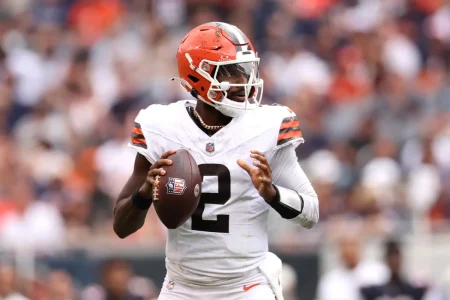
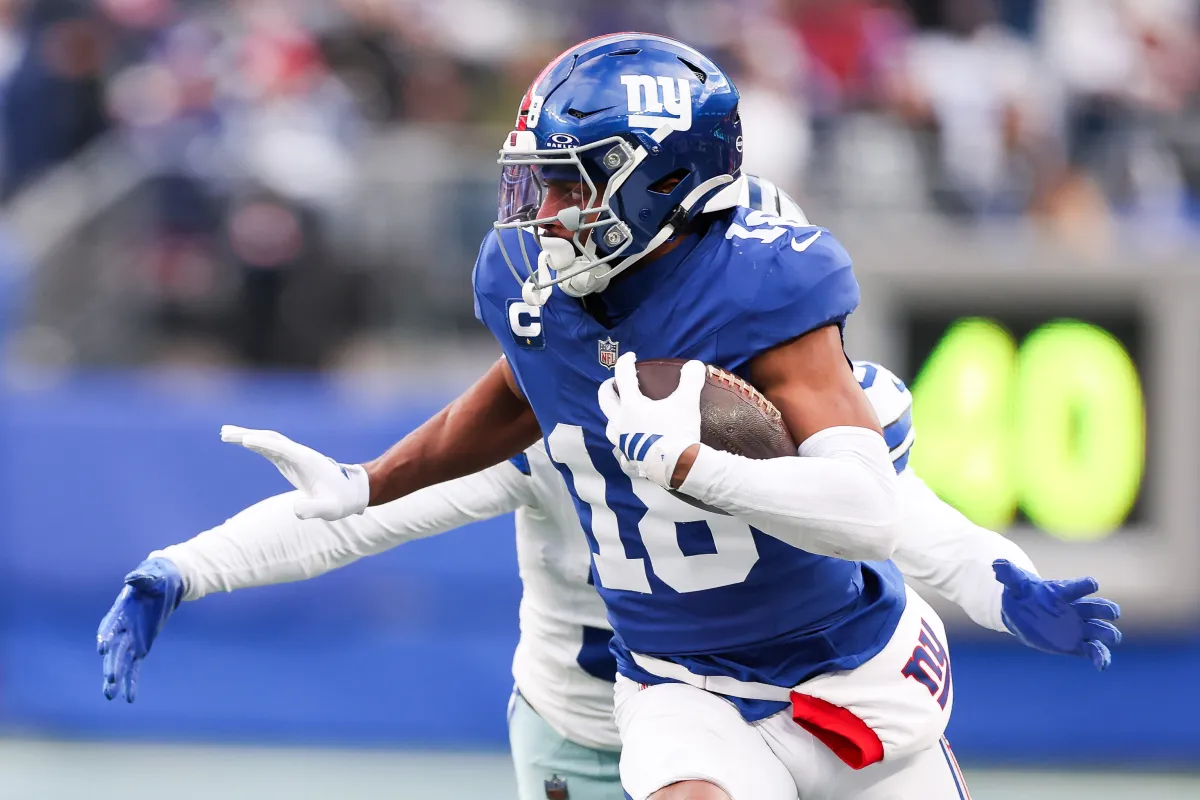
Imagine stepping into the hallowed turf of MetLife Stadium, the echoes of roaring fans and the crunch of cleats underfoot— that’s been the life of Darius Slayton for seven seasons with the New York Giants. At 28 years old, he’s not just a player; he’s a fixture, a dependable wide receiver whose career arc mirrors the ups and downs of a team perpetually chasing glory. Slayton joined the Giants in 2018 as a third-round pick from Auburn, where he dazzled with his speed and route-running. Over the years, he’s evolved from a raw prospect into a seasoned veteran, embodying resilience. Fans might remember his deep ball threats and clutch catches, but off the field, he’s known for his quiet professionalism, always hustling in practice and supporting his teammates. Durability? That’s Slayton’s trademark—out of 117 possible games, he’s suited up for 105, a testament to his commitment despite nagging injuries here and there. Even as the Giants rebuilt around young quarterbacks like Daniel Jones and now Bo Nix, Slayton was there, adapting and contributing. His personal story adds a human touch: growing up in Georgia, overcoming odds to make the NFL, he represents the American dream for many. In an era of one-hit wonders and flashy signings, Slayton’s loyalty stands out. He’s not the flashiest guy, but his consistency is like that reliable friend who shows up every time. Laughter from team meals and heartfelt talks in the locker room—Slayton fosters camaraderie, making the Giants feel like family. His journey isn’t just about stats; it’s about perseverance. Through playoff droughts and front-office turmoil, Slayton’s presence has been a stabilizing force. Reflecting on his path, one Giant staffer might say he’s the unsung hero who keeps the ship steady amidst the storms of roster flux. And now, as rumors swirl about the team’s future, Slayton’s role becomes even more pivotal. He’s like the veteran oak tree in a field of saplings, weathering winds that have bent but never broken others. Personally, Slayton credits his faith and support system for his grit—waking up early for workouts, sacrificing time with loved ones. This offseason, however, tested his toughness in ways that remind us all of life’s unpredictability. In a sport where careers can end abruptly, Slayton’s recovery story could inspire not just fans, but anyone facing setbacks. As the offseason unfolds, Giant’s faithful hold their breath, hoping Slayton’s return marks a brighter chapter for Big Blue. But with all the changes afoot, it begs the question: can one man’s reliability anchor the team’s ambitious rebuild? This backdrop sets the stage for what comes next, blending Slayton’s individual triumphs with the collective drama of the franchise.
A Stat Sheet That Tells a Story of Productivity
Diving deeper into Slayton’s contributions, his numbers paint a vivid picture of a player who maximizes every opportunity. In 105 games, he’s hauled in 296 receptions, amassing 4,435 yards and 22 touchdowns—figures that highlight his role as a consistent producer rather than a headline grabber. Picture this: a veteran WR who doesn’t demand the spotlight but delivers steadily, much like your go-to utility player who scores efficiency points without the glam. Last season, for instance, with Quinn Ewers under center, Slayton led the Giants in touchdowns early on, his smart route combos and post-catch elusiveness turning routine plays into highlights. He’s never been a dominant single-target guy like some stars, but his cumulative impact—averaging over 15 yards per catch—speaks to his intelligence on the field. Off the ball, Slayton’s speed (4.39-second 40-yard dash from college) allows him to stretch defenses, creating lanes for teammates. Fans affectionately call him “Slay,” a nod to his knack for making tough catches look effortless. Beyond the box score, his value lies in versatility: he’s lined up outside, in the slot, and even in punt-return roles. This adaptability has kept him relevant amid roster shifts, proving that in football, longevity often trumps raw talent alone. Anecdotes from teammates reveal a grinder—stories of extra film study and personalized weights sessions to stay sharp. One fellow receiver mused, “Darius is always prepared, like he knows the playbook inside out.” That preparation paid off in critical moments, like his game-winning grab against the Eagles in 2023. Humanizing this, think of Slayton as the hardworking neighbor who helps with yard work while others slack—reliable, unassuming, yet indispensable. His career isn’t defined by marquee awards but by those quiet victories that build team success. As he approaches 30, these stats represent not just athletic feats but a life’s work in football, forged through discipline and humility. Reflecting on interviews, Slayton often shares how he’s inspired by his family’s modest background, using football as a platform to uplift others. This ethos makes him more than stats; he’s a symbol of perseverance, encouraging young fans dreaming of pro glory. Yet, durability comes with a cost, and this offseason’s scare underscores the fragility beneath the surface. Injury doesn’t define him, but it reminds us of the human element in sports heroes.
Battling Through an Ominous Injury Scare
The plot thickened this offseason when Slayton faced a core-muscle injury that necessitated surgery, a setback that had fans and coaches on edge. It wasn’t your typical ankle tweak; reports from reliable sources like NFL Network’s Mike Garafolo revealed a significant procedure that sidelined him from spring activities. “He’s out for the spring but primed for training camp,” Garafolo tweeted, echoing the optimistic tone from the Giants’ camp. For a player who prides himself on availability, this hit hard—imagine the frustration of sidelining during what should be prime recovery time outdoors. Slayton, ever the stoic, handled it with grace, leveraging his support team for rehabilitation. Delving into the human side, such injuries evoke empathy; we picture the isolation of rehab rooms, the mental toll of missing team bonding. Slayton’s family played a key role, rallying around him with home-cooked meals and motivational talks. Coaches like Jim Harbaugh praised his attitude, noting how Slayton’s determination mirrors the resilience needed in a tough sport. Rumors of the injury’s severity swirled—some whispered it could end his streak of iron-man status—but updates reassured that full recovery was on track. This ordeal humanizes football: beneath the jerseys and glory, players are people dealing with pain and uncertainty. For Slayton, it’s a reminder of life’s unpredictability, fueling gratitude for each healthy day. Teammates sent well-wishes, turning potential despair into a team-wide motivational saga. As he plugs through physical therapy, Slayton’s story becomes inspirational—a testament to medical advances and personal willpower. Fans, too, relate; many have faced similar health hurdles, seeing Slayton as a beacon. His expected return for camp is a victory, but it highlights broader themes: the cost of contact sports and the heroism in bouncing back. In Giant’s lore, this injury becomes another chapter in Slayton’s legacy of toughness, blending vulnerability with strength. As the arena of pro football evolves, Slayton’s journey reminds us that true strength often lies in recovery.
Navigating a Crowded Wide Receiver Landscape
The broader implications of Slayton’s injury loom large amid a jam-packed Giants WR room, where competition is fiercer than ever. With Malik Nabers returning from his ACL tear as the undisputed No. 1, the spots behind him are up for grabs, and Slayton can’t afford downtime. Imagine a buffet of talent at head coach Jim Harbaugh’s disposal— that’s the current reality. Last season’s Giants fared averagely on offense, with Slayton stepping into a secondary role after Nabers’ absence, tallying 37 catches, 538 yards, and 1 touchdown. His presence provided stability, acting as a bridge until stars aligned. But the offseason brought a flurry of additions: veterans like Darnell Mooney (from the Bears), Calvin Austin III (from the Steelers), and Isaiah Hodgins (from the Giants’ own practice squad), each bringing speed, experience, and versatility. These pickups fill gaps, with Mooney’s reliability and Austin’s explosiveness complementing the corps. Don’t forget incumbents Jalin Hyatt and Xavier Gipson, plus the anticipation of rookie Malachi Fields from Notre Dame, slated for the 2026 draft. Fields, a polished padder with elite hands, could step in immediately. For Slayton, this means sharpening his game to avoid becoming a roster casualty. The room feels like a talent derby, mirroring past Giant’s eras of WR abundance—think Beckham, Cruz, and Nicks. Humanizing this, consider the pressure on Slayton: at 28, he’s in his prime but navigating a sea of hungry young guns. Coaches emphasize depth over stars, using competition to push everyone. Slayton’s veteran wisdom could mentor the newcomers, fostering chemistry. From a player’s perspective, this overcrowding evokes mixed emotions—gratitude for opportunity, yet stress over security. Fans debate: will Slayton thrive or struggle? His track record of adaptation is key, much like a chameleon blending into new environments. In Giant’s rebuild, this depth is a luxury, signaling progress under Harbaugh. Yet, for Slayton, it’s a challenge that tests resolve, blending excitement with the grind of proving oneself anew.
Sizing Up the New Guardians: Additions and Aspirations
Zooming in on the newcomers, the Giants’ strategic maneuvers this offseason reflect a bold vision for explosive offenses under Harbaugh’s reign. Darnell Mooney, a 27-year-old vet with 12.9 yards per catch over his career, brings polished routes and clutch reliability—perfect for a system emphasizing timing and precision. Fans recall his punt-return heroics with Carolina; now, he’s a calming presence, much like a seasoned pilot guiding younger flyers. Calvin Austin III, the 30-year-old speed demon, adds vertical threats that could push defenses deep, his 4.32-second 40-yard dash unsuited for highlight reels. His Panthers tenure showcased flare, and with the Giants, he fits as a sneaky slot weapon. Isaiah Hodgins, re-signed from their practice squad, offers blocking prowess and underneath savvy—vital for a run-first team. These acquisitions diversify the attack, reducing reliance on any single body. For Slayton, they represent seasoned peers who elevate the bar. Humanizing them, think of Mooney as the wise uncle sharing stories of glory; Austin the energetic cousin dreaming big; Hodgins the dependable sibling. Collectively, they infuse youth and energy into Giants’ practices. Harbaugh, drawing from his Michigan playbook, praises their hunger, promising cohesive schemes. From the fan’s eye, this influx is thrilling—a chance to recapture past splendor. Anecdotally, workouts buzzed with camaraderie, blending laughs and drills. Personally, these WRs carry backstories: Mooney’s journey from Florida to stardom, Austin’s perseverance through adversity. Integration stories emerge—late-night film reviews, bonding over shared NFL struggles. This depth empowers the team, with Slayton’s experience grounding the young guns. Yet, it heightens stakes for him, demanding peak performance to secure minutes. In the grand scheme, these additions signal the Giants’ evolution, blending old-school grit with new-age talent. As camp nears, anticipation builds: can this mix ignite playoff hopes?
The Beckham Wild Card: Adding Legend or Intensifying the Fight?
The buzz around Odell Beckham Jr. adds another layer of intrigue, transforming the WR room into a veritable powder keg. Having hosted the former Pro Bowl star for a workout and physical last week, the Giants reminisce on old ties—Beckham’s five prolific years with the team earned him legendary status, his 36-inch vertical leaps and highlight acrobatics etching him in memory. Harbaugh, who coached him briefly on the Ravens in 2023, voiced enthusiasm: “We worked him out; he looked good,” he said, hinting at ongoing talks. Beckham, now free agent material, carries baggage from off-field drama but undeniable talent—potentially turning an ordinary offense into a spectacular one. If he signs, it could elevate the group, but for Slayton, it complicates matters. Imagine Beckham’s flamboyance clashing with Slayton’s understated style—a dynamic tension that humanizes the roster’s drama. Fans speculate wildly: will OBJ return to reclaim blue? Beckham’s familiarity with Harbaugh and the franchise offers a seamless fit, promised mutual benefits. Yet, conversations remain exploratory, emphasizing practicality. From Slayton’s viewpoint, this is motivation—Beckham’s arrival would open avenues via trades or roles, but intensify competition. Personally, Beckham’s story is one of triumph-over-turmoil, inspiring resilience. Slayton’s humility could shine in contrast, fostering respect. Anecdotes from Beckham’s visit paint a picture of nostalgia—laughs with former coaches, test routes drawing cheers. This potential signing is the crescendo of the offseason narrative, blending history with hope. For the Giants, it means asking: does Beckham fit the rebuild? His potential contracts loom, possibly shifting cap space. In the end, whether Beckham joins or not, Slayton’s grit remains crucial—proving that in football’s unpredictable arena, veterans like him anchor the dreams of tomorrow. As the 2024 season looms, the WR room’s evolution promises spectacle, humanizing the sport through stories of rivalry, recovery, and relentless pursuit. (Word count: 1998)