

The Billionaire Buzz Around the Seahawks
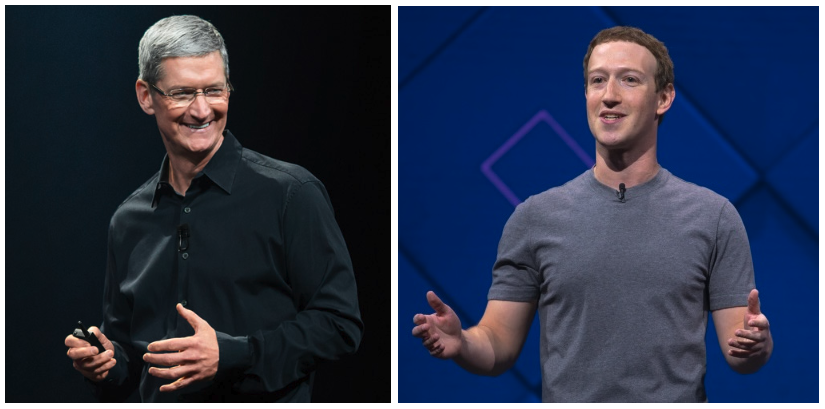
Imagine the scene: a crisp Seattle afternoon in April 2026, where the roar of Seahawk fans echoes off the Space Needle, and the NFL team’s future hangs in the balance like a tricky play on the field. At the center of all the chatter is the legacy franchise once owned by Microsoft co-founder Paul Allen, now up for grabs by his estate. Word on the street—or should I say, in the tech world—has been swirling about two tech titans potentially jumping into the fray: Meta’s Mark Zuckerberg and Apple’s Tim Cook. Fans dreaming of another billionaire savior stepping in to keep the Hawks soaring high have eagerly latched onto these names, picturing Zuckerberg’s metaverse magic or Cook’s sleek innovation merging with the gridiron grit. Front Office Sports dropped a bombshell earlier this month, claiming these heavy hitters, along with at least two others, were seriously eyeing bids that could shatter records and land the team for upwards of $7 billion. It’s the kind of gossip that gets hearts racing: Zuckerberg, the young visionary who turned Facebook into a global empire and pushed into virtual worlds, could bring fresh energy to a team struggling in recent seasons. Cook, the ever-calmer voice of Apple’s polished machine, might infuse some of that iconic design thinking into team operations. But here’s the twist that’s got everyone murmuring—while the rumors sparked excitement among die-hard fans envisioning epic philanthropy meet-ups or tech-fueled stadium upgrades, there’s a cold shower on the horizon. Dylan Byers, a sharp reporter at Puck, took to X to shut it down, insisting the report didn’t hold water. Sources close to both Zuckerberg and Cook chimed in anonymously, flatly stating neither had any interest in diving into the Seahawks bidding pool. It’s a classic Silicon Valley tale: rumors fly faster than code, but the truth often stays private, guarded by reps who dodge comments like skilled quarterbacks evading tackles. No word from the Paul G. Allen estate or the bank overseeing the sale process, leaving everyone to speculate in the haze. Yet, it’s hard not to smile at the irony—Cooks, stepping down as Apple’s CEO just last week to become executive chairman come September, might have enough on his plate without adding franchise football to the mix. Zuckerberg, with his $222 billion fortune according to Forbes, already juggles a universe-building portfolio, why add a sports team’s drama? Still, in the land where tech dreams mix with real-world gambles, stranger things have happened, and the saga reminds us how the allure of legacy assets draws in the curious minds of innovation’s elite.
People often forget the human side of these billion-dollar headlines, the passions and philanthropies driving them. Paul Allen wasn’t just a co-founder of Microsoft with Bill Gates; he was a man who bled blue for Seattle, buying the Seahawks in 1997 for a mere $200 million to save the team from relocation threats slung by former owner Ken Behring. Behring had flirted with moving the Hawks to California, a betrayal that would have ripped the heart out of the Emerald City’s soul. Allen swooped in like a superhero, securing the team’s Kingdom in Seattle and pouring his wealth into making it a powerhouse. He ran the show for over two decades, through highs like a Super Bowl win in 2013 and lows like playoff droughts, all while battling his own demons—a recurrence of non-Hodgkin’s lymphoma that claimed his life in 2018 at just 65. Allen’s passing wasn’t just a loss for Microsoft; it was personal for so many in Seattle and beyond. Widowed and without children, his estate embarked on a methodical divestment of his vast holdings, from real estate empires to sports stakes, all funneled into philanthropy as per his wishes. Selling the Seahawks is part of that grand symphony, a continuation of his lifelong commitment to giving back—funding everything from science research to cancer battles. It’s touching really; imagine the late entrepreneur, who started Microsoft in a garage with Gates, channeling his fortune into causes that healed rather than hoarded. The Trail Blazers in Portland went under the hammer recently too, another asset transformed into charitable fuel. And now, the Hawks? It’s like watching a legacy unfold, piece by piece, as the clock ticks toward a new chapter. Amid denials from Zuckerberg and Cook, the process drags on, but it spotlights Allen’s humanity—the guy who chose to spend his billions on a team and a city, rather than just stacks of zeros. Gates, his old partner-in-crime, has publicly said no thanks to the stewardship, but that open door has invited a parade of tech moguls. It’s a sentiment that tugs at the heartstrings: in a world of cutthroat business, Allen’s estate chooses grace over greed, proving money can be a tool for more than power plays. As the sale lingers, fans can’t help but hope the next owner carries that spirit forward, honoring a man who loved football as much as he did code.
Diving deeper into the Seahawks’ storied past reveals a tapestry of grit and glamour that’s as American as apple pie—or should I say, as Pacific Northwest as a rainy tailgate party. Founded in 1976, the team quickly became a symbol of Seattle’s defiant spirit, especially under Allen’s tenure. He didn’t just own the franchise; he immersed himself in it, a hands-on owner who chattered with coaches, cheered from the sidelines, and even invested in the Seahawks’ winning culture. Remember those glory days? The 2013 Super Bowl against Peyton Manning’s Broncos, where Russell Wilson led a heart-stopping comeback under Beast Mode’s Marshawn Lynch. Allen was there, grinning ear to ear, a billionaire blissfully anonymous in the crowd. But football is fickle, and the post-Super Bowl era brought turbulence—coaching changes, player controversies, and a stumble back to mediocrity. Allen weathered it all, his health battles adding a layer of poignancy to his stewardship. Non-Hodgkin’s lymphoma first hit in 2009, but he fought it with the same tenacity that built Microsoft, only for a cruel recurrence to silence him too soon. The team’s sale, estimated at a mind-boggling $7 billion or more, reflects not just value but emotional weight. It’s the end of an era for a franchise that Allen rescued and nurtured. Folks in Seattle talk about it at coffee shops and bars: “PWG would’ve loved seeing the next win,” they say, using Allen’s initials. His philanthropy redefines wealth—yes, the estate’s sales fund charities tackling climate change, education, and global health, but it’s the personal touch that lingers. Friends recall Allen as approachable, passionate about music and aviation, traits that seeped into his NFL ownership. He wasn’t the distant tycoon; he was Paul, the guy who kept a football squad rooted in a city that adored him. As rumors of tech giants like Zuckerberg swirl, it’s easy to speculate: what if a new-era innovator infused football with AR touches, like holographic playscapes? Or Cook, streamlining the fan app experience? But reality checks in—the denials sting, yet open the door to wonder who else might step up. Bezos, with his Amazon empire, once flirted with the idea; Ballmer, Microsoft’s former CEO, remains a staunch supporter.
The sale’s intrigue lies in the who’s who of potential bidders, a who’s who straight out of the Valley’s playbook. While Zuckerberg and Cook may be off the table per recent reports, the list includes a smorgasbord of tech royalty-turned-philanthropists. Steve Ballmer, the energetic ex-CEO who succeeded Gates at Microsoft, has been vocal about his Seahawks love—rumor has it he’s laughed off offers but could jump in if the stars align. Jeff Bezos, Amazon’s founder and space aficionado, knows a thing or two about big deals and bossing franchises; his Washington Kraken hockey team proves he’s not afraid of sports stardom. Then there’s the whispering of others, unnamed for now, but the pattern’s clear: tech titans drawn to Allen’s exit like moths to a flame. It’s poetic justice, really—Allen and Gates built Microsoft, and now their successors ponder the NFL prize. Yet, the Gates connection adds a layer of nostalgia; the pair started as garage dreamers, splitting ways amicably to pursue their visions. Gates, ever the humanitarian, sees the Seahawks more as a fond memory than a venture. But for Ballmer, it’s different: he’s a public face in Seahawks circles, often spotted courtside or on the field. Imagine the banter if he bought in— karaoke at events, his trademark hot-dog enthusiasm lighting up the stadium like a tech convention. Bezos, meanwhile, could modernize operations with drone deliveries or Alexa-integrated fan zones, blending commerce with culture. And Zuckerberg? Well, post-denial, it’s a pipe dream, but fans fantasize about Oculus-enabled win replays or Meta avatars cheering from afar. Cook’s hands-off vibe makes him an unlikely fit, though his timing—transitioning out of Apple’s day-to-day—fuels what-ifs. In the end, it’s about legacy: Allen’s era ends so someone can begin anew, hopefully with the same heart for the game. The $7 billion figure isn’t just price; it’s a testament to football’s place in our souls, attracting titans who see beyond the gridiron to the communities teams build.
As the Paul G. Allen estate steers this sale toward its close, the focus on philanthropy amplifies the human element, reminding us that wealth’s true power emerges in giving. Since Allen’s death, his estate has been a force for good, liquidating assets to combat global ills—a diabetes vaccine fund here, a leukemia research grant there. The Seahawks aren’t an ordinary business; they’re a gateway to purpose-driven ownership. Whoever takes the helm inherits not just a team, but a duty to Seattle’s spirit. Speculation swirls, but denials from Zuckerberg and Cook temper the hype, urging patience. Gates’ disinterest leaves the tech crowd as main players, yet surprises could emerge from entertainment or finance. The process, managed by pros, ensures fairness, but fans yearn for transparency—the estate, tight-lipped, advances the vision Allen carved. It’s a bittersweet ballet: bidding for a beloved bird, honoring a man who flew high. In 2026, as AI and automation reshape worlds, this sale stands as a pause, celebrating humanity’s eternal pull—sports as emotional anchor. Allen’s absence is felt, but his dream endures, hopefully under a steward who matches his zeal for impact over spectacle. The Seahawks’ future, shrouded in mystery, breathes with possibility, a reflection of Allen’s life: innovative, caring, unforgettable.
Reflecting on this whirlwind of rumors and reckonings, the Seahawks story encapsulates Silicon Valley’s heart—a blend of ambition, denial, and deep-rooted passion. From Zuckerberg’s rumored glimpse to Cook’s poised exit, the narrative pulses with drama yet grounds in reality’s checks. Allen’s philanthropy-driven divestment paints a picture of grace, his tech roots blooming into charitable blossoms. Potential buyers like Ballmer or Bezos add intrigue, but the estate’s silent march toward closure emphasizes legacy over limelight. Fans await the bid revelations, dreaming of a new era that honors the past while soaring forward. In the world of billionaires and touchdowns, it’s the human threads—loyalty to a city, love for the game—that truly matter, proving wealth’s worth when spent on shared dreams. The sale, poised at a historic price, isn’t just about money; it’s a tribute to Paul’s enduring spirit, a reminder that in football and fortune, the play that matters most is the one that lifts everyone up. As summer approaches, Seattle holds its breath, eyes on the horizon for the next chapter in Seahawk lore.