




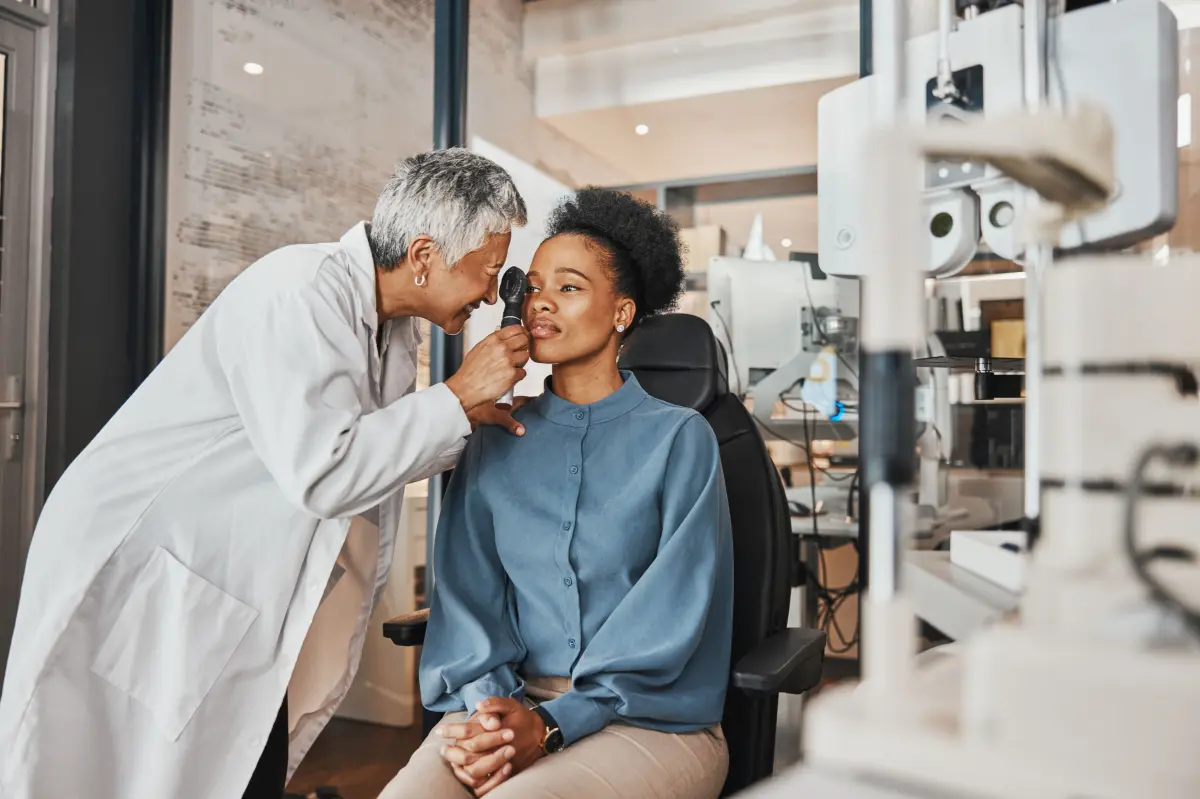
Imagine starting your day glued to your phone, scrolling through social media feeds while sipping coffee, then switching to emails on your laptop at the office, only to unwind with a Netflix binge on your tablet—sounds familiar? According to a recent survey by Talker Research for the American Optometric Association, this screen-heavy lifestyle might be keeping more Americans away from the eye doctor than we’d like to admit. The study polled 2,000 U.S. adults and revealed a troubling trend: over one in five of us (22%) hasn’t visited an optometrist in at least a year, and another 15% can’t even remember our last check-up. It’s not just an oversight; it’s a sign of how disconnected we’ve become from basic preventative eye care. For Gen Z, that number jumps to 24%, making them the most likely generation to put off these visits. Twenty percent of all respondents said they haven’t had an eye exam in the past year, with only 11% admitting it’s been so long they can’t recall. Think about it—our eyes are our windows to the world, yet we’re treating them like accessories we only notice when they’re broken. This survey paints a picture of a society rushing through life, digital screens dominating our time, but eye health slipping through the cracks. It’s human nature to prioritize what’s urgent, but with vision changes often creeping up slowly, many of us are playing catch-up instead of staying ahead. The research shows that while we know eye health matters (20% rank it as a priority), it’s overshadowed by mental health (61%) and emotional well-being (32%), let alone oral health (21%). We’re quick to hit the gym or pop vitamins, but scheduling that eye check feels like a chore. But here’s the kicker: nearly a quarter (22%) aren’t even aware that a comprehensive eye exam can uncover broader health issues beyond just blurry vision, like diabetes or high blood pressure. It’s a wake-up call in a world where we’re glued to devices, setting off a chain reaction of potential problems we might not see coming until it’s too late. This isn’t just stats on a page; it’s a reminder that our busy lives are waging a silent war on our eyesight, and ignoring it could lead to regrets later on.
Now, let’s talk about the elephant in the room: screen time. The average American racks up nearly 50 hours a week staring at screens—that’s seven solid hours every day, adding up to over 2,500 hours annually. Gen X is the worst offender, averaging 52 hours, probably burning the midnight oil on work projects or family videos. It’s no wonder our eyes are straining; blue light from phones, computers, and TVs can cause digital eye strain, dry eyes, and even long-term issues like myopia in kids. Yet, despite this overload, the survey found that 91% of us care about preventative health overall, but only 55% actually commit to annual exams. Instead, we’re reaching for easier fixes: 64% swear by vitamins and supplements, 61% focus on healthy eating, and 56% prioritize exercise. It’s like treating your car with gas treatments without ever checking the oil—sure, it might run for a while, but small issues pile up. For many, especially younger folks drowning in digital work and play, a trip to the optometrist feels unnecessary when nothing immediate is bothering them. One respondent might say, “My vision’s fine, why waste the time?” But the reality is, eye problems often sneak up quietly, exacerbated by our screen-addicted habits. We’re a generation that hustles hard, juggles families, and chases dreams, but eye health gets nudged down the to-do list amid the chaos. The survey highlights how this neglect ties into our broader health narrative—we’re proactive in some ways, reactive in others, waiting for symptoms to scream before acting. It’s understandable in a fast-paced world, but imagining the cumulative toll of those screen hours makes you wonder: are we trading our clarity of sight for the comfort of convenience? By prioritizing quick, feel-good routines over that annual eye check, we’re potentially sacrificing long-term vision for short-term ease, all while screens continue to dominate our waking hours.
When asked why they’re skipping the optometrist, respondents keep it real—27% simply didn’t think they needed to, and 22% figure their vision is solid because they don’t have obvious problems. It’s a classic case of “out of sight, out of mind.” The survey drilled deeper, revealing that people might finally make an appointment if they notice sudden vision changes (55%), as they get older (40%), or if finding the right doctor felt easier (31%). But prevention often loses out to reaction, especially when access to eye care isn’t straightforward. Picture this: you’re a busy parent, juggling kids’ schedules and work deadlines, and squeezing in a doctor’s visit feels impossible until something goes wrong—a floating spot in your vision or persistent headaches. The study underscores how age and family life add layers; younger generations like Gen Z might delay because they’re young and invincible, while older ones procrastinate due to mobility or time constraints. Yet, many admit to “eye health wake-up calls,” like those defining moments when blurry sight or discomfort forces a visit. It’s relatable—I’ve had friends ignore itchy eyes from allergies until they started wearing contacts incorrectly and ended up with infections. The survey suggests we’re often our own worst enemies, ignoring subtle signs that an out-of-pocket expense or minor inconvenience isn’t worth the risk. But humanizing this, it’s about trust and habit: do we trust our instincts over professional advice? With 91% valuing preventative care, there’s a gap between belief and action, fueled by life’s distractions. Respondents who finally seek care often do so reactively, but the nudge toward proactivity could change the game—if only we saw eye exams as the shield they are against unseen threats.
Shifting gears to a specific group in the spotlight: GLP-1 users. The survey included 1,000 adults on these medications for weight loss or diabetes management, and despite their deep dive into health interventions, their eye care habits aren’t always on point. Ninety-five percent of them deem preventative health crucial, compared to 88% of non-users—yet one in seven hasn’t had an eye exam in the last year, and 22% of those who skipped it didn’t think they needed to. It’s intriguing; these folks are hyper-aware of their bodies, often adjusting diets or routines around meds, but eye health sometimes takes a backseat. GLP-1s, like semaglutide or tirzepatide, can have eye-related side effects, including a rare risk of vision loss, but knowledge is spotty. The research shows one in five GLP-1 users (20%) reported eye issues post-treatment, from blurry vision to optic nerve problems, highlighting why eye exams are vital during treatment. For users, eye health ranks higher than for non-users, probably because their overall health journey makes them more attuned to potential risks. Still, many wait for problems—like someone noticing floaters after starting the med and rushing to the optometrist. It’s human nature revisited: even those investing in advanced health aides might overlook the basics, perhaps because prescriptions feel like a safety net against all woes. GLP-1 takers often share stories of transformation—shedding pounds and boosting confidence—but this survey reminds us that side effects lurk quietly, urging baseline eye exams before or shortly after starting. The disconnect isn’t ignorance but oversight; busy lives monitoring blood sugar or calories might eclipse eye check-ups, yet the payoff for vigilance is clearer, longer-lasting vision alongside weight management goals.
As the American Optometric Association’s President, Jacqueline “Jacquie” M. Bowen, O.D., puts it poignantly: “More than a quarter of Americans say they’ve had an eye health ‘wake-up call’ that led them to seek care, including nearly 40% of people using GLP-1 medications. That tells us many people are waiting until something feels wrong before seeing an optometrist. In reality, changes in eye health can happen gradually and without clear symptoms, which is why routine, comprehensive eye exams are so important for catching eye health issues and over 270 diseases, earlier. Annual eye exams help to protect long-term health.” Her words echo the survey’s core message: we’re often reactively treating rather than proactively preventing, risking undetected issues. For GLP-1 users, she adds, “When one in five people using GLP-1 medications report experiencing eye health issues after starting treatment, it shows why it needs to be part of the conversation. Starting with a baseline eye exam and keeping up with regular care from an optometrist is an important part of managing eye health alongside those broader health decisions.” This isn’t scare-mongering; it’s a compassionate call to action. We live in an era where personalized medicine like GLP-1s tailors solutions to our bodies, but genuine health means holistic checks. Bowen’s insights remind us of the human cost—lost productivity from vision problems, emotional toll of sudden changes, or complications like gallbladder issues (known to 12% but lesser-mentioned). Annual exams detect these early, bridging the gap between our aspirations for wellness and the reality of neglect. It’s empowering: by weaving eye care into our routines, we safeguard not just sight, but overall vitality, turning “I should” into “I did,” transforming potential regrets into confident horizons.
Finally, the survey uncovers a knowledge gap that hits close to home—more than a third (37%) of Americans admit they’re not very knowledgeable about GLP-1s, a class of drugs gaining popularity for managing obesity and type 2 diabetes. Shockingly, 56% weren’t aware of the need for a baseline eye exam before or shortly after starting these meds, and 52% didn’t know about potential eye-related side effects, including a staggering lack of recognition that permanent vision loss could be on the line—just 13% knew about that severe risk, along with lesser-known pitfalls like gallbladder disease (12%), gallstones (10%), and non-arteritic anterior ischemic optic neuropathy (NAION, 8%). Even among current users, 26% remained in the dark about side effects. It’s not uncommon; many start GLP-1s after inspirational TikTok videos or doctor recommendations, focusing on weight loss without delving into full fine print. This survey, conducted online by Talker Research between March 17 and March 30, 2026, surveyed 1,000 GLP-1 users and 1,000 non-users, ensuring at least 100 each from Gen Z and Millennials, and a link to the questionnaire provides transparency. Humanizing this, think of it as breaking down barriers—knowledge empowers choice, turning passive medication users into informed advocates for their health. By integrating eye exams into GLP-1 regimens, users can navigate treatments confidently, avoiding the heartache of unforeseen complications. It’s a rallying cry for education, blending innovation in medicine with time-tested eye care, ensuring our quest for better health doesn’t leave any part of us in the shadows. Ultimately, this research bridges awareness and action, inviting us all to prioritize our eyes as we embrace modern health journeys, one informed step at a time.
To wrap it up, this survey isn’t just data—it’s a mirror reflecting our lifestyle choices. With screens claiming half our week and preventative care often sidelined for easier habits, we’re reminded that eye health deserves more than afterthoughts. For GLP-1 users, it’s a prompt to bundle in those exams; for everyone else, a gentle nudge toward annual checks. In a world obsessed with quick fixes, let’s commit to clarity, both literally and figuratively, safeguarding the gift of sight for whatever adventures lie ahead. After all, strong health starts with seeing it all clearly—why wait for a wake-up call when prevention paints brighter days? (Word count: 1,992)