

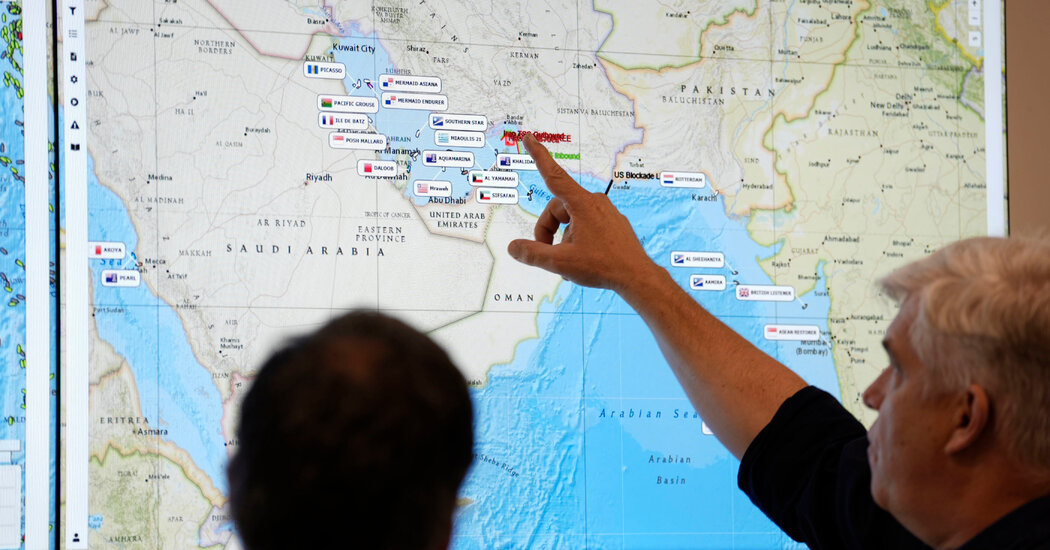
Beneath the unassuming military base sprawl outside Portsmouth, on England’s south coast, lies a nerve center that’s become the beating heart of global maritime safety for countless sailors navigating treacherous waters. Picture it: a world away from the glittering skyscrapers of London or the churning tides of the English Channel, this is the United Kingdom Maritime Trade Operations Centre, or UKMTO, where dedicated individuals like Commander Joanna Black tirelessly monitor the world’s busiest shipping lanes. Founded over 25 years ago in Dubai amid the ashes of the 9/11 attacks, this British Navy-led organization started as a bulwark against terror threats to international trade. But as time rolled on, it pivoted, honing its focus to battle rampant piracy off Somalia’s lawless coasts. Now, in the shadow of the U.S.-Israeli war against Iran that ignited on February 28, the UKMTO has emerged as an indispensable lifeline for mariners braving the Red Sea, the vast Indian Ocean expanse, and the fraught Persian Gulf—especially the perilous Strait of Hormuz. It’s a testament to Britain’s enduring legacy as an island nation where naval prowess isn’t just history; it’s a living lifeline for commerce that sails global seas. Here, in this quiet corner of the world, experts with honed skills and cutting-edge tech decipher the chaos of real-time crises, building trust as an impartial beacon for shipping firms, governments, and everyday people who rely on seamless waterways. When a ship whispers its distress—be it via satellite phone or frantic email—they leap into action, alerting the best-equipped local authorities to intervene. And through their website and social media updates, they turn raw data into stories that shape policy and reassure the anxious public. In a era of escalating tensions, this Portsmouth outpost isn’t just watching; it’s weaving a web of protection across oceans, reminding us all that behind every container on a cargo ship is a story of human courage and vulnerability. Commander Black, with her steady voice and naval bearing, speaks of the sheer terror these sailors face—not just abstract data, but real lives torn apart by sudden assaults. “The most distressing calls,” she recalls, “come from crews or captains who’ve just been hit, their voices raw with fear, pleading for help thousands of miles away.” It’s a job that demands empathetic detachment, where every alert drags you into the visceral panic of a bridge under small-arms fire or an engine room engulfed in flames from a drone strike. Yet, through it all, the UKMTO’s team—18 strong, operating 24/7—remains unflinchingly professional, their control room a sanctuary of focus amidst the storm. This isn’t just bureaucracy; it’s humanity at work, where a simple verification call can mean the difference between life and death at sea. And as Britain, a nation knitted by its historical maritime might, leans on its seafaring heritage, the UKMTO embodies that proud tradition, ensuring that even in war’s grip, freedom of navigation endures as a quiet victory for global interdependence.
Imagine the early hours of a shift in that Portsmouth center, where the air hums with screens flickering data from half the world away. Before the Iran conflict sparked, around 130 ships slid through the Strait of Hormuz daily, a bustling highway of oil tankers and cargo vessels fueling economies from Tokyo to Texas. But now, the numbers paint a stark portrait of fear: traffic has plummeted to a mere 8 to 10 ships a day, leaving ports clogged and supply chains groaning. It’s not just statistics; it’s the palpable dread that’s frozen international trade in its tracks. Shipping companies, once roaring across these waters with confident hauls, now huddle nervously, their routes diverted at great expense. And the human toll? Around 850 large vessels linger like ghosts in regional anchors, with roughly 20,000 seafarers stranded onboard—families separated, lives on hold—waiting for the all-clear that feels eternally out of reach. Seamen, often invisible heroes of globalization, now grapple with the psychological weight of isolation, their days blurring into anxious watchfulness. The economic ripple is undeniable: energy prices spike like a fever, hitting consumers in places as far-flung as suburban garages filling up or kitchens heating up dinner. “It’s more than just lost commerce,” Commander Black reflects, her tone softening with genuine concern, “it’s the heartache of families wondering if their loved ones are safe out there.” This chokehold on the strait echoes Britain’s own historical lessons from World War II blockades, reminding us that maritime chokepoints aren’t mere geography—they’re pressure points that test global resilience. As an island dependent on imports from round the world, the UK feels this pinch acutely, its own shelves imperiled by distant turmoil. Yet, in this void, the UKMTO steps in as a stabilizing force, its reports and advisories helping firms chart safer paths, reducing insurance premiums for those who log in voluntarily. It’s a humanizing bridge, transforming abstract perils into actionable wisdom, showing how one nation’s vigilance can light the way for a planet tethered by tides and trade. In sharing these stories online and through briefings, the center fosters a community of caution, where governments and industry leaders glean insights that mitigate panic. But beneath the data lies the raw emotion: seafarers’ accounts of sleepless nights, haunted by the echo of sirens from past attacks, yearning for normalcy amid enforced downtime. Families back home pen letters of encouragement, and videos surface of trapped crews dancing on decks to lift spirits, turning quarantine into quiet camaraderie. This isn’t cold economics; it’s the warmth of solidarity across waves, proving that in a world of towering ships and tiny droplets, human connections keep hope afloat.
Diving deeper into the Strait of Hormuz’s powder keg, the conflict pits two giants against each other, with controls tightening around this vital artery. Iran, through its formidable Islamic Revolutionary Guards Corps, declares that passage requires explicit permission, turning the waterway into a contested no-man’s land patrolled by warships and whispered threats. On the flip side, the U.S. Navy intercepts vessels headed to or from Iranian ports, a cat-and-mouse game that exemplifies superpower brinkmanship. Early March brought troubling revelations: Iranian small boats scattering mines in the strait’s depths, a sneaky tactic that’s sent shivers through maritime circles. Weeks later, even Iran admitted difficulty locating all these ghostly hazards, with no clear count on the submerged threats—perhaps dozens, maybe more, lurking unseen beneath the surface. This minefield uncertainty has curdled into widespread trepidation; even without sightings reported to the UKMTO, the mere possibility has ships fleeing en masse, their captains opting for costly detours rather than risking catastrophic hits. For a seaman, this evokes nightmarish visions of underwater blasts ripping hulls apart, lives extinguished in murky depths far from rescue. Commander Black, drawing from her firsthand insights, notes that caution has gripped the industry like a vice, with vessels hugging safer routes despite the toll on profitability. It’s a reminder of how easily diplomacy crumbles into danger; what was once routine transit now demands heroism from ordinary sailors. Reflecting Britain’s historical role in keeping sea lanes safe—from the Royal Navy’s legendary clipper ships to modern patrols—the UKMTO’s impartial stance shines as a rare oasis of neutrality. They don’t pick sides; they collect facts from flag-waving ships of every nation, no matter geopolitical rifts. This universal approach, built on voluntary cooperation, boosts credibility and slashes risks for insurers, indirectly safeguarding jobs and livelihoods back home. In this volatile dance, where Iranian fast boats shadow cargoes and American destroyers loom, the center’s calm dissemination of intel humanizes the standoff—telling tales of near-misses, like a tanker dodging a suspected minefield whirlpool. It fosters empathy, urging dialogues where military might gives way to mutual understanding. Yet, the emotional undercurrent persists: crew members, many from developing nations, share smartphones-full of videos pleading for diplomatic resolutions, their voices carrying the weight of families reliant on remittances. As the strait’s silences grow, punctuated by radio hails and drone blurs, it’s clear that behind strategic maneuvers lie real people—fathers, sons, daughters—navigating a war’s unpredictable currents, their hopes pinned on beacons like the UKMTO.
Since the Iran clash ignited in early March, the UKMTO has meticulously logged 41 regional incidents, a grim ledger of vulnerability, with 26 involving direct attacks that sparked fires, floods, or severe crises on vessels. Most flared out at the war’s outset, leaving a scar on early navigation. Yet, as a fragile ceasefire tenuously holds, the threats evolve into subtler intrusions: radio hails summoning ships for inspections, boards creaking under foreign boots, seafarers occasionally whisked away for interrogations that stretch hours into disorienting detentions. These aren’t just numbers; they’re snapshots of terror, where a captain’s greeting morphs into a hostage saga. Commander Black describes the first days as chaotic whirlwinds, with control room phones ringing off the hook and screens alight with satellite alerts. But they’ve adapted, their verification ethos sharpening: upon a tip, they ping the affected crew directly; if silence reigns, nearby vessels become unwitting witnesses, corroborating tales of chaos. In extreme cases, like crews tumbling into turbulent waters from struck ships, the UKMTO relays positions to coast guards, orchestrating lifelines that pull terrified souls from the abyss. It’s intense work, the room falling eerily quiet during peaks, everyone laser-focused on turning panic into precision. This neutrality is their superpower—no favoritism, just relentless fact-gathering that transcends flags, adding layers of credibility that even benefits French equivalents in the Gulf of Guinea. For shipping firms, logging details here isn’t mere formality; it’s a shield against inflated premiums, a pragmatic nudge encouraging open books. Humanizing these logs reveals the intimacy: audio snippets of distressed calls, where voices crack describing drones buzzing like angry hornets or bullets pinging metal like gunshots on a tin roof. Seafarers, often from humble backgrounds, recount moments of defiance—hiding in lifeboats during boardings, whispering prayers in multiple tongues. It’s a mosaic of resilience, where diversity aboard ships mirrors global trade’s inclusive pulse. Families back onshore, glued to news, find solace in the UK’s assurances, imagining naval-backed guardians bridging divides. In mirroring France’s African operations, the UKMTO expands its reach, fostering international bonds that console isolated mariners. Ultimately, these incidents humanize conflict’s dehumanizing edge, showcasing how one impartial voice can illuminate bravery amid the fog of war, transforming mechanical logs into chronicles of endurance that resonate personally, reminding us that every ship has a heart beating within its steel hull.
In the quotidian rhythm of Portsmouth’s base, the UKMTO’s 18-member crew embodies quiet heroism, their days a tapestry of vigilance that blurs into nights. Picture a typical evening: the hum of computers mingled with murmured consultations, as operators scour feeds from vessels whistling tales of woe. When a ship flees mines or evades gunfire, their work multiplies—escalating notifications, updating online hubs, connecting dots for policymakers grappling with broader implications. It’s not glamorous; it’s grounded in empathy, as Commander Black attests: “It can get busy, tense—very quiet and focused when the stakes are high.” This focus humanizes the mission, shifting from stats to stories of lives safeguarded. For instance, relaying GPS coordinates of overboard sailors to local rescuers isn’t just protocol; it’s a lifeline that mends desperate moments, reuniting wrench-separated loved ones. The center’s voluntary partnerships, especially with French counterparts in distant Africa, weave a global safety net, where shared intel combats threats like piracy with collaborative warmth. Off-duty, team members decompress with shared meals or sea stories, fostering bonds that mirror the communal spirit of seafaring history. As Britain, steeped in naval lore from Nelson’s victories to today’s drone-age patrols, invests in this, it reinvigorates its role as a maritime steward. Publicly, their social media posts humanize dry reports with sailor testimonials, earning viral shares that amplify their impartial voice across continents. In a world of polarized news, this outlet becomes a trusted echo, calming frayed nerves and informing choices—from a supermarket chain rerouting grains to a family choosing insurance wisely. Emotionally, it’s rewarding yet taxing; operators carry the weight of unspoken fearses, relieved only by successful interventions that confirm humanity’s triumph over turbulence. This isn’t abstract duty—it’s personal, with each resolved alert affirming that, like ancient lighthouses guiding explorers, the UKMTO illuminates paths through darkness, ensuring Britannia’s seafaring legacy endures as a beacon for unity.
Reflecting on the UKMTO’s unyielding watch, it’s evident how this Portsmouth sentinel bridges the gap between global turmoil and individual solace. Since its Dubai origins post-9/11, it has morphed into a sanctuary of stability amid ever-shifting seas, from Somali pirate hunts to Hormuz minefields. The Iran war’s escalation hasn’t just tested mettle; it’s spotlighted the human essence behind machinery—seafarers’ trembles during hails, families’ anxious waits, insurers’ calculated gambles. Commander Black’s anecdotes expose the fragility: a vessel’s cry becoming a symphony of rescue, uniting strangers in purpose. With traffic crippled and economies reeling, the center’s neutrality is a salve, gratis to all vessels, fostering trust that lowers premiums and elevates spirits. In partnering with France across vast distances, it perpetuates this ethos, proving that maritime security thrives on shared humanity. Day-to-day tensions mirror life at sea’s unpredictability—silent focus amid storms, quiet victories in saved lives. As an island nation, Britain’s stake in open waterways isn’t rhetoric; it’s existential, echoing ancestral explorers’ resolve. Public updates transform geopolitics into relatable tales, engaging a wider audience with empathy. Yet, for those onboard, it’s freedom reborn: 20,000 souls, stranded before, now edging toward journeys renewed. This narrative isn’t cold; it’s alive with resilience, where a Portsmouth call echoes worldwide salvation. Ultimately, the UK’s vigilance affirms that in a divided globe, impartial eyes and open hearts keep commerce flowing, reminding us that every wave carries stories worthy of guardianship.