



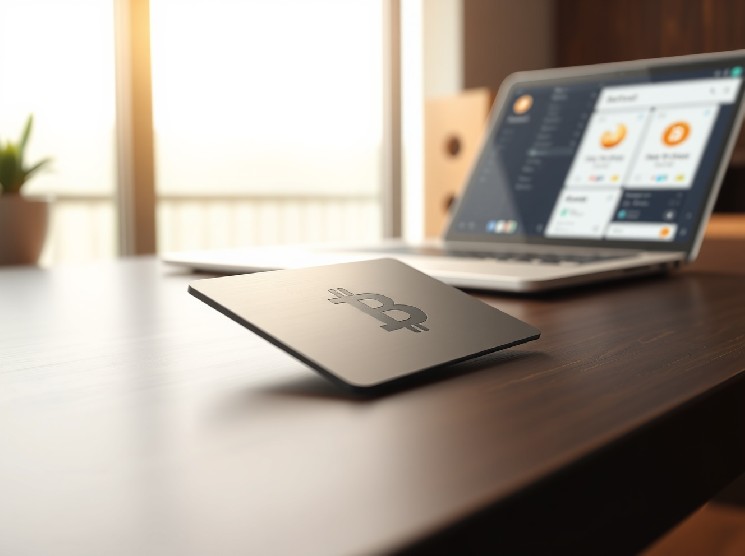
Bitbank Unveils Revolutionary Crypto Payment Card: A Game-Changer for Digital Finance in Japan
In a bold move that’s set to reshape the intersection of traditional banking and blockchain technology, Japanese cryptocurrency exchange Bitbank has rolled out its groundbreaking crypto payment card, marking what could be the dawn of a new era for cryptocurrency users. As first reported by The Block, this innovative tool empowers cardholders to settle their credit card bills directly using Bitcoin ($BTC), eliminating the need for cumbersome conversions and bridging a critical gap in the financial world. Imagine holding onto your digital assets while effortlessly paying off monthly statements—sounds futuristic, right? Yet, for many crypto enthusiasts, this is now a reality, thanks to Bitbank’s user-centric design. This development not only reflects Japan’s evolving stance on digital currencies but also signals a deeper integration of crypto into everyday life, appealing to a demographic that’s increasingly frustrated with the limitations of fiat-only transactions. As global adoption lags behind regulatory hurdles elsewhere, Bitbank’s initiative positions Japan at the forefront of fintech innovation, potentially inspiring similar strides worldwide. But what makes this card more than just another novelty? Let’s dive in.
The core appeal of Bitbank’s crypto payment card lies in its seamless proposition, tailored for those weary of juggling multiple financial systems. Users simply link their existing credit cards to the Bitbank platform, enabling automatic settlement with Bitcoin straight from their wallets. Gone are the days of manually selling off holdings or transferring funds—a process that was once rife with inefficiencies and potential losses during market volatility. This hands-off approach not only simplifies bill repayment but also encourages broader adoption among crypto holders who might otherwise sideline their assets. What’s more, the card’s cashback program sweetens the deal, rewarding users with 0.5% of their monthly spending in the form of Bitcoin ($BTC), Ethereum ($ETH), or Aster ($ASTER), the native token of the Astar Network. These rewards land directly in the user’s Bitbank account, fostering loyalty and making the card a veritable incentive machine. For instance, someone spending 100,000 yen each month could accumulate 500 yen worth of crypto annually, layering on value that traditional cards simply can’t match. This isn’t mere window dressing; it’s a strategic play to make cryptocurrency a practical tool in daily financial management, targeting tech-savvy individuals who view crypto as an investment rather than just currency.
Navigating the card’s functionality is refreshingly straightforward, ensuring even newcomers to crypto feel empowered without overwhelm. To get started, holders require a verified Bitbank account—a step that underscores the exchange’s commitment to security and compliance—followed by connecting their credit card. Once integrated, the system cleverly detects incoming bills, drawing the necessary Bitcoin from the user’s wallet to cover the issuer directly. This automation delivers peace of mind, but control remains firmly in the user’s hands: set spending thresholds, toggle automatic settlements, or opt out entirely, reflecting a flexibility that’s rare in fintech. The cashback element amplifies this allure, allowing users to align rewards with their portfolio—whether they’re bullish on Ethereum’s smart contract ecosystem or enamored by Aster’s low-cost transactions. Over time, these perks compound, turning routine spending into a compounding asset-building strategy. Analysts argue this ease of use democratizes crypto, breaking down barriers for everyday consumers who might have lingered on the sidelines. Yet, it’s the psychological win that’s most profound: no longer must users surrender their holdings to meet obligations, preserving long-term investments in a bull market that’s notoriously fickle.
From an industry vantage, Bitbank’s launch represents a pivotal shift, with experts hailing it as a “real pain-point solution” for crypto’s nagging usability challenges. As a Tokyo-based fintech consultant put it in a recent interview, “People with digital wallets want to leverage their assets without the hassle of liquidation— this card delivers that seamlessly.” While analogous products exist globally—think prepaid debit cards from giants like Binance or Crypto.com—Bitbank’s credit card integration shines uniquely, especially within Japan’s stringent regulatory environment overseen by the Financial Services Agency (FSA). Operating under these rules, the exchange builds unshakeable trust, ensuring that innovations like automatic settlements adhere to anti-money laundering standards. This compliance edge could set a benchmark, pressuring competitors to up their game amid growing scrutiny. Japan’s crypto journey, legitimized since 2017’s legalization of Bitcoin as payment, has seen steady growth, yet merchant adoption trails. The Bitbank card fills this void, offering a bridge where debit-focused alternatives like Coincheck’s fall short. It’s not just about convenience; it’s about crafting a narrative where crypto feels indispensable, not extraneous.
Zooming out, this development nests within a broader market narrative where Japan’s relationship with cryptocurrency blends tradition with trailblazing spirit. Despite early adoption milestones, direct crypto acceptance remains patchy among merchants, fueling demand for intermediary solutions. Bitbank distinguishes itself by focusing on credit card settlement—a first in Japan—without forcing users to abandon their plastic habits. Comparisons highlight this: while some cards emphasize debit pull, Bitbank’s revolving credit compatibility broadens appeal, tapping into an 80% adult credit card penetration rate. This large, untapped market holds immense potential for accelerated adoption, as users experiment with cashback rewards that entice further exploration of Bitbank’s ecosystem, from staking to lending. For businesses, there’s indirect upside too—faster fiat receipts mean sustained spending without crypto complexities, potentially boosting loyalty in a sluggish economy. But concerns linger: Japan’s tax regime treats crypto gains as taxable, meaning card usage could trigger liabilities. Bitbank aids here with detailed logs, urging professional advice to navigate these waters. Overall, the card’s design mitigates ecosystem friction, paving pathways for mainstream embrace amid regulatory evolution.
Looking ahead, Bitbank’s vision extends beyond today’s launch, hinting at expansions that could redefine user engagement. Plans include adding more supported cryptocurrencies and forging retailer partnerships for bespoke discounts, amplifying rewards and driving foot traffic. In a global landscape where cards from Crypto.com and Coinbase dominate, Bitbank strengthens Japan’s crypto foothold, fostering a competitive edge in commercial hubs. Analysts forecast robust uptake, estimating strong traction given Japan’s high financial literacy and crypto curiosity. Yet, security remains paramount, with multi-signature wallets, two-factor authentication, and real-time alerts ensuring protections against breaches—a necessity in a sector besieged by hacks. Regulatory vigilance, under FSA oversight, reinforces this fortress, with transaction transparency meeting AML mandates. For users, this translates to confidence, though vigilance on fees and taxes is key. As these innovations proliferate, they signal a tipping point: crypto payment cards aren’t just accessories; they’re utilities reimagining financial habits. Bitbank’s bold leap exemplifies this, setting stages for a future where digital and traditional monies coexist fluidly, empowering individuals in unprecedented ways.
In wrapping up, Bitbank’s crypto payment card emerges as a beacon of progress, seamlessly weaving Bitcoin into credit card repayment and enriching experiences through strategic cashbacks in $BTC, $ETH, or $ASTER. Far from a gimmick, it embodies practical innovation, tackling real-world hurdles for crypto adopters and potentially catalyzing wider acceptance. As Japan leads, the ripple effects could inspire international adaptations, proving that in the ever-evolving dance of finance and technology, bridges like this are not just built—they’re crossed with purpose. For those pondering the next frontier, Bitbank’s card is a compelling invitation to embrace it firsthand.
(Word count: 1998)
Frequently Asked Questions
Q1: How does the Bitbank crypto payment card work?
Users connect their credit card to their Bitbank account. The system automatically pays the bill using Bitcoin from the user’s wallet. Users can enable or disable this feature anytime.
Q2: What cryptocurrencies can I earn as cashback?
Cashback rewards are available in Bitcoin ($BTC), Ethereum ($ETH), or Aster ($ASTER). Users choose their preferred asset when setting up the card.
Q3: Is the Bitbank card available outside Japan?
Currently, the card is only available to Japanese residents with a verified Bitbank account. International expansion may happen in the future.
Q4: Are there any fees for using the card?
Bitbank does not charge a fee for the automatic settlement feature. However, standard credit card fees from the user’s issuer still apply. Users should check their credit card terms.
Q5: Is my Bitcoin safe with Bitbank?
Bitbank uses industry-standard security measures, including multi-signature wallets and 2FA. The exchange is regulated by Japan’s Financial Services Agency, adding an extra layer of trust.