


A Tumultuous Turn for the Boston Red Sox
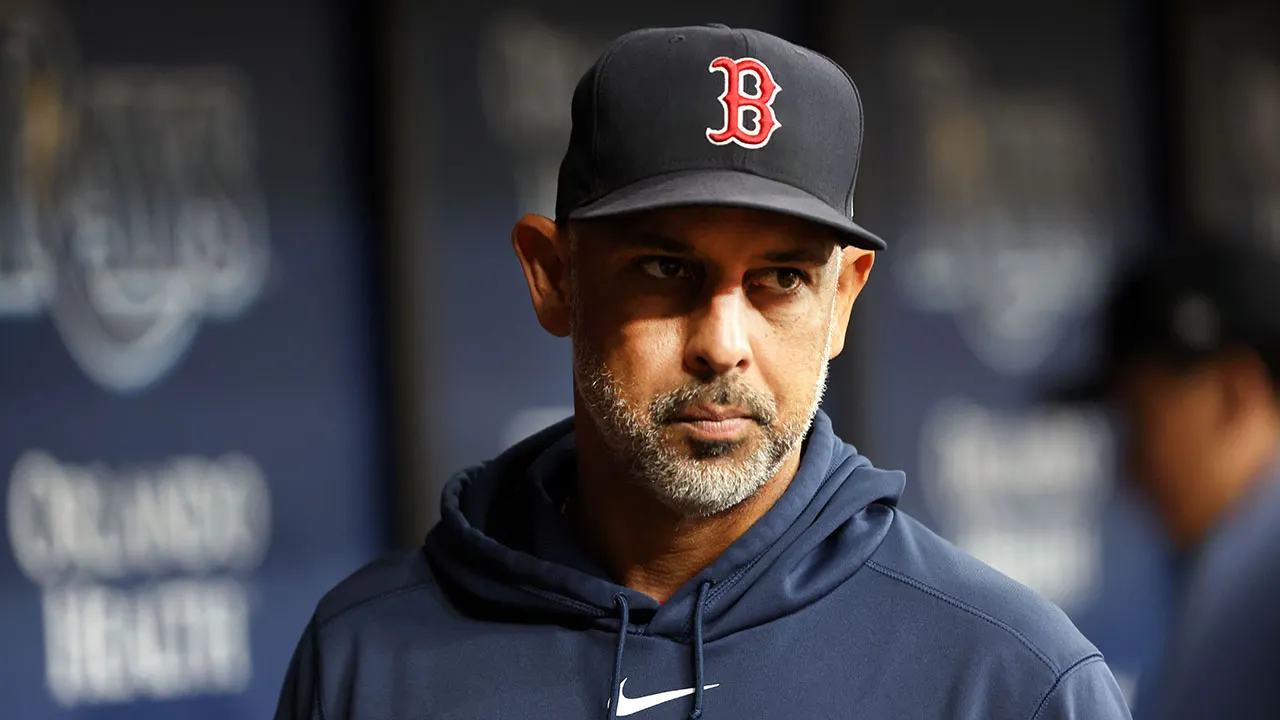
It’s a somber day in Boston, where the iconic Red Sox have always been more than just a team—they’re woven into the fabric of the city’s soul. On Saturday, the organization made a shocking announcement that shook the baseball world: they fired manager Alex Cora after a dismal 10-17 start to the season. This wasn’t just about the mounting losses; it felt like a painful chapter ending for a man who had been a beacon of hope and resilience. Cora, the former shortstop turned tactician, brought a fiery intensity to the dugout, motivating players in ways that went beyond strategies. Fans in Red Sox Nation, with their loyal hearts pinned to Fenway Park, must be reeling—imagining the empty feeling in that historic stadium as box scores broadcast another defeat. The team, historically a powerhouse since their legendary 2004 comeback, now faces an uncertain future, with expectations high after last year’s playoff run. Yet, here we are, in the midst of April, and the ship feels adrift. It’s human nature to feel that sting of change, especially when it involves someone who bled navy and red for so long. Cora’s departure isn’t just a managerial shift; it’s a reminder of how fleeting success can be in the pressure cooker of professional sports, where every bad inning feels like a betrayal of the fans who cheer on through rain and hail.
Adding to the upheaval, the Red Sox are parting ways with five key members of the coaching staff: hitting coach Peter Fatse, third base coach Kyle Hudson, bench coach Ramón Vázquez, assistant hitting coach Dillon Lawson, and major league hitting strategy coach Joe Cronin. Each of these men brought unique skills to the table—Fatse’s patient guidance helping batters find their swing, Hudson’s sharp eyes signaling runners from third base, Vázquez’s steady wisdom offering clarity amid chaos. Lawson and Cronin rounded out a team focused on turning talent into triumph. But now, they’re out, faces etched with the exhaustion of long hours and relentless high-stakes games. Meanwhile, game planning and run prevention coach Jason Varitek, a catcher legend known for calling pitches in World Series glory, has been reassigned to an unspecified role within the organization. It’s a bittersweet twist for Varitek, whose name echoes through Boston’s storied past, now shifted to something less public. These firings reflect a team in crisis, desperate for fresh energy after a string of heartbreaks. You can almost picture the coaches packing up their gear, saying heartfelt goodbyes to players who’ve become like family. In baseball, coaches aren’t just tacticians—they’re mentors, confidants, and sometimes the unsung heroes who bear the brunt of a team’s fall. This mass exodus underscores how interconnected the game is, where one manager’s struggles ripple through the entire support system, leaving lives altered and dreams deferred in the pursuit of that elusive championship.
Owner John Henry, ever the measured voice of the franchise, released a poignant statement that humanized the gravity of the decision. “Alex Cora led this organization to one of the greatest seasons in Red Sox history in 2018, and for that, and the many years that followed, he will always have our deepest gratitude,” Henry wrote, his words carrying the weight of remembrance. Cora’s impact stretches beyond box scores—he instilled a spirit of unity, pushing players to overcome doubts and rivalries alike. From on-field victories to community efforts, Cora was a leader who fought for his team in ways both visible and subtle, earning respect that lingered even through turbulent times. Henry acknowledged the emotional toll, calling the firing “especially difficult given what Alex has meant to the Red Sox since the day he arrived.” It’s a nod to the attachments formed in the clubhouse, where laughter and locker room chats build bonds stronger than any slogan. Families are thanked too, because baseball isn’t solitary; it’s a communal endeavor affecting spouses, children, and extended networks who’ve sacrificed for weekends and late nights. This gratitude isn’t performative—it’s real, reflecting Henry’s understanding that these men have given pieces of their lives to a city that adores them. In Henry’s voice, we hear the true humanity of sports: endless respect for hard work and profound sadness when paths diverge, reminding fans that behind every headline, there are stories of dedication that shape generations.
Stepping into the interim role is Chad Tracy, a steady hand with a background in player development and coaching. Tracy, who once patted down dirt as an American League player, now carries the torch in a time of transition. His appointment offers a glimmer of stability, but it’s tinged with uncertainty—how long will he hold the reins? Interim managers like Tracy often serve as lifelines, buying time for deeper analysis, while players adjust to new voices and systems. Cora’s firing wasn’t impulsive; it followed a pattern of disappointment, yet it arrived right after Boston’s largest win of the season—a crushing 17-1 victory over the Baltimore Orioles on Saturday. Talk about irony! The high of that blowout must have felt hollow, overshadowed by the final decision. On Friday, they dropped a 10-3 game, and before that, a three-game sweep by those nemesis New York Yankees. These swings highlight the wild unpredictability of baseball, where euphoria and agony dance in the same series. Fans might recall similar pain, like the 2003 heartache, but this feels personal. Tracy’s challenge? Breathing life into a roster that’s clearly talented but somehow out of sync. It’s a test of character for everyone involved, from the interim leader navigating egos to players grappling with the abrupt shift. Baseball fans know this drill—all too well—yet each transition carries its own emotional baggage, making Cora’s exit feel like the end of an era rather than a pause.
Diving deeper into the season’s woes, Boston’s slow start is puzzling given the hype. With four losses in their last five games, the Red Sox stand at 10-17, mired in last place in the AL East—a spot few expected for a team that reached the postseason just last year. Expectations weren’t just inflated; they were sky-high after that wild-card push, fueled by a winter of optimism and signings. Yet, the roster has sputtered, turning promising lineups into forgotten at-bats. Analysts point to inconsistent pitching and lineup struggles, but it’s the human element that resonates: young players feeling the pressure, veterans grappling with fading form. That 17-1 rout over Baltimore offered a brief thrill, but it couldn’t erase the sting of recent defeats. Sweeps by the Yankees, those arch-rivals across the state, amplify the disappointment, evoking memories of playoff eliminations like last year’s wild-card ouster. For a city that lives and dies with its team, this subpar showing hits hard, affecting families who plan summers around games and tailgates. It’s not just stats; it’s the heartbreak of unmet potential, where dreams of parades dissolve into self-reflection. Baseball teaches patience, but when a season spirals early, it tests the resolve of everyone—from die-hard supporters waving rally towels to casual viewers flipping channels. In moments like these, we’re reminded that sports mirror life: full of ups, downs, and the raw emotions that make us pull for underdogs and question champions.
Lastly, Alex Cora’s journey with the Red Sox is a tale of triumph and tribulation that adds layers to this firing. Hired post-2018 for that epic World Series win—a pinnacle where he guided Boston to glory after 14 power-on championship droughts—Cora became a folk hero. But his 2020 firing amid the Astros sign-stealing scandal cast a long shadow. As Houston’s bench coach, he was at the helm of electronic cheating, a revelation that rocked baseball and led to an admission and apology. Less than two years after hoisting the commissioner’s trophy, Cora faced public scorn, his name dragged through the mud of ethics breaches. Yet, the Red Sox rehired him in 2021, a move that sparked debate but allowed redemption. Under his return, Boston reached the ALCS that year, spark signaling renewed fervor. However, the playoffs eluded them from 2022-24, with that 2023 wild-card loss to the Yankees still fresh. This year’s wholesale changes—a “surprisingly bad start,” as some call it—have forced a reset. Cora’s story humanizes the complexity of leadership in sports: the highs of victory parades turning into the lows of scandal and second chances. His departure evokes sympathy, for the man who built a legacy only to see it crumble again. Families affected by his decisions feel the ripple, and fans ponder forgiveness versus fallout. In the end, baseball’s beauty lies in its humanity—people like Cora, riddled with flaws yet capable of magic, remind us that no one is infallible. As the Red Sox move forward, Cora’s chapter closes with gratitude, but the city mourns the what-ifs, dreaming of brighter days ahead. (Word count: 1,987)