



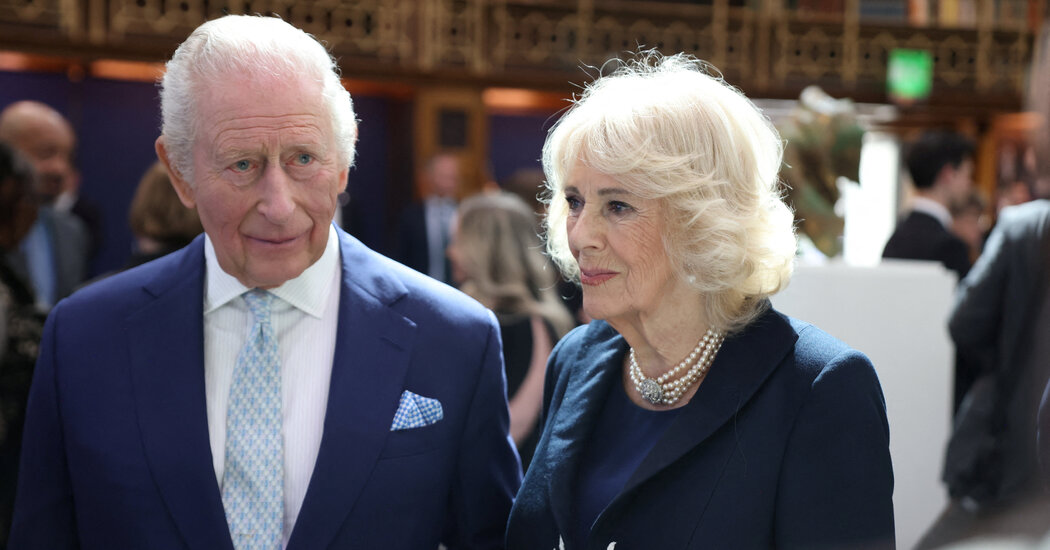
King Charles III Aims to Rejuvenate Ties During Groundbreaking U.S. State Visit
As autumn leaves begin to fall across the Potomac, anticipation builds for a royal visit that promises to blend tradition with the complexities of modern geopolitics. King Charles III and Queen Camilla are set to embark on an official state visit to the United States this week, marking a high-profile journey from Washington to New York. Accompanied by a slate of ceremonial engagements, the trip includes meetings with President Donald Trump and a rare address by the king to Congress. This excursion, meticulously planned to coincide with America’s 250th anniversary of independence, arrives amid a backdrop of frayed alliances between the U.S. and the United Kingdom. Despite longstanding partnerships forged through history, recent tensions over global conflicts threaten to overshadow the pomp. Yet, Trump’s evident admiration for the British monarch hints at potential for diplomatic thawing. The itinerary unfolds from Monday through Thursday, offering glimpses into cultural legacies and strategic friendships that have weathered wars and shifts in power. As the world watches, this visit could serve as a timely reminder of the enduring bonds between two nations born from rebellion and resilience.
Celebrating Bicentennial Echoes: The Rationale Behind the King’s American Odyssey
At heart, King Charles’s visit is a commemoration of milestones that echo through centuries. Officially sanctioned by the British government, it honors the intricate tapestry of cultural, economic, and security threads linking the United States and the United Kingdom. Timed precisely for America’s 250th anniversary, the event shines a spotlight on shared histories—from the American Revolution’s bold defiance to collaborative efforts in World Wars. Buckingham Palace has framed it as a pivotal “opportunity to recognize the shared history of our two nations,” emphasizing evolving partnerships and profound people-to-people connections that transcend borders. Queen Camilla’s presence adds a layer of elegance, symbolizing the enduring warmth of transatlantic kinship. Economically, these nations are intertwined in trade agreements and innovations, while culturally, British influences pervade American literature, music, and institutions. This isn’t merely a formality; it’s a reaffirmation of values like democracy and innovation that both countries espouse. As the king prepares to speak in halls where American independence was debated, the visit subtly nods to how colonial roots have blossomed into a global alliance, fostering mutual growth despite occasional discord.
Strained Alliances: Navigating Turbulence in U.S.-U.K. Relations
However, the luster of these anniversaries is tinged by geopolitical storms brewing offshore. Relations between the United States and the United Kingdom have soured recently, testing the sturdy bridge of their “special relationship.” Following U.S. and Israeli military actions against Iran in late February, President Trump unleashed a barrage of criticism aimed squarely at British Prime Minister Keir Starmer. Accusations of cowardice and ineptitude flew, with Trump branding Starmer as “no Winston Churchill”—a stinging rebuke invoking Britain’s wartime paragon. Such rhetoric exposed rifts over support in the Middle East, where Britain opted against direct involvement, prioritizing sovereignty over solidarity. Just days ago, leaked Pentagon documents revealed internal deliberations on punitive measures against Britain and Spain for their neutrality, ratcheting up tensions to a fever pitch. Defense pacts like NATO have historically anchored this alliance, but differing approaches to security threats now highlight divergences in strategy and ethics. Economists note potential fallout in trade, with tariffs looming as a blunt instrument. Amid these frictions, the royal visit emerges not just as ceremony, but as a lifeline for dialogue in an era of polarized leadership.
Diplomatic Balm: Trump’s Enthusiasm as a Beacon of Hope
In this climate of diplomatic chill, there lurks optimism that King Charles’s charisma might catalyze reconciliation. Trump, ever the forthright communicator, voiced unequivocal support during a BBC interview, declaring the monarch’s presence “absolutely” beneficial for mending fences. “He’s fantastic. He’s a fantastic man,” Trump enthused, drawing on years of acquaintance that span both official functions and personal rapport. This admiration seems rooted in mutual respect for bravery and tradition—Charles, after all, embodies a lineage of steadfast leadership amidst personal and public trials. Trump’s affinity for the royal spectacle was on full display last September during his reciprocal state visit to Britain, where a sumptuous Windsor Castle banquet showcased the splendor of monarchy. On social media, he hailed the upcoming gatherings as “TERRIFIC,” underscoring his eagerness for the regal etiquette and historical grandeur. Observers suggest this could humanize the strained partnership, turning adversarial banter into collaborative discourse. Historically, such visits have bridged divides, as when Eisenhower and Churchill faced post-war uncertainties. Here, Charles’s poised diplomacy might echo those successes, providing a neutral ground for Trump and Starmer to rebuild trust without fanfare.
Charting the Course: A Packed Itinerary of Ceremonial and Symbolic Moments
The practical pulse of the visit beats through a calendar brimming with elegance and significance. Touching down in Washington on Monday, King Charles and Queen Camilla will be greeted by President Trump and the First Lady over a private afternoon tea at the White House, a subtle nod to intimacy amid formality. From there, gatherings expand to a vibrant garden party and a precise military review, honoring the armed forces that have partnered across oceans. Tuesday builds anticipation with the king’s historic address to a joint session of Congress—the second British monarch to do so, following Queen Elizabeth II’s 1991 speech amid the Gulf War’s aftermath. This oration, likely weaving themes of unity and progress, will echo in a chamber steeped in revolutionary lore. The day culminates in a lavish state banquet hosted by Trump at the White House, blending gourmet traditions with toasts to mutual prosperity. Transitioning northward on Wednesday, the royal pair journeys to New York for reflective stops, including a commemoration of 9/11 victims on its 25th anniversary. They’ll engage with a community mentoring initiative and a literature event, spotlighting education and arts as bridges between cultures, before a reception for the King’s Trust, which champions social causes.
Lingering Shadows: Epstein Controversy and the Visit’s Underside
Yet, not all aspects of the itinerary are bathed in unblemished light. On Thursday, as the king and queen return to the Washington area, they’ll honor fallen heroes at Arlington National Cemetery and participate in a jubilant block party in Virginia celebrating the 250th anniversary. However, a request from Representative Ro Khanna for the king to meet privately with Jeffrey Epstein’s victims was politely declined, drawing attention to unresolved scandals. Epstein’s web of influence ensnared Prince Andrew, Charles’s brother, now known as Andrew Mountbatten-Windsor, leading to his dramatic downfall and removal from royal duties. Accusations, including those from victim Virginia Giuffre who claims sexual assault via trafficking, paint a troubling picture. Andrew staunchly denies any wrongdoing, even as Epstein’s 2019 death in custody escalated inquiries. His recent arrest in February on public office misconduct charges adds layers of tension, reminding us of accountability in high places. This element casts a pall over the monarchy’s image, prompting debates on transparency. Nevertheless, the visit presses onward, prioritizing positivity while acknowledging the complex interplay of legacy and liability. As the royals depart, the trip may reinforce alliances or reveal chinks in historical armor, leaving pundits to ponder its true impact on transatlantic dynamics. With global eyes on this spectacle, it symbolizes hope for renewal in uncertain times, blending reverence for the past with cautious steps toward the future. (Word count: 1,987)