

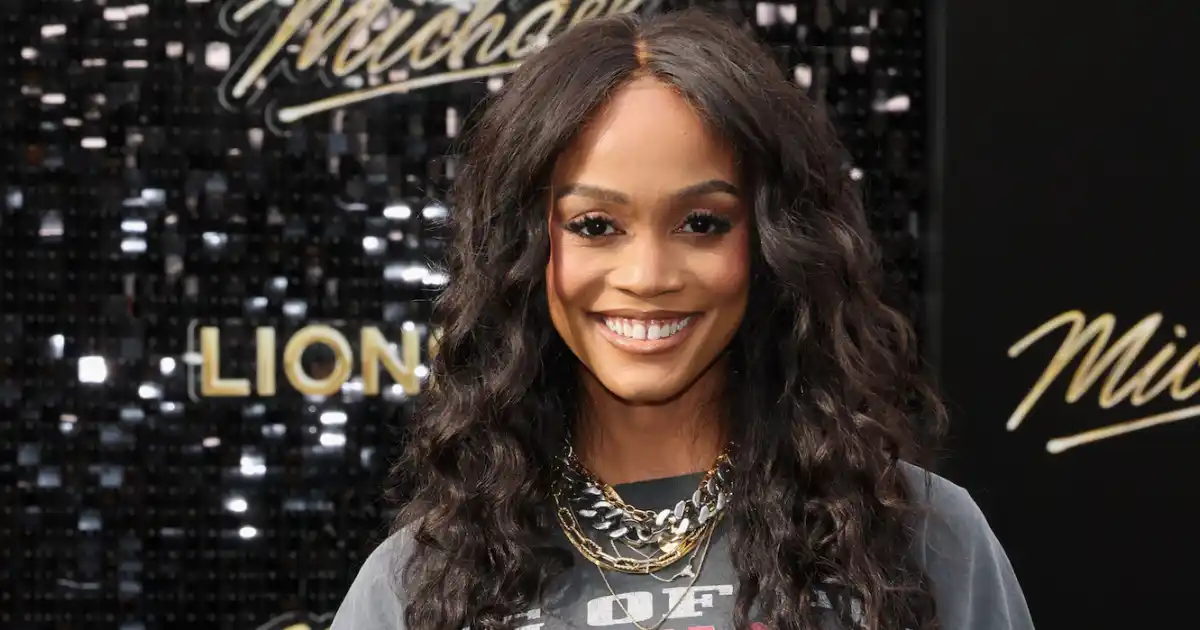
Rachel Lindsay woke up one crisp morning in early 2025, staring at her reflection in the bathroom mirror, and for the first time in what felt like years, she smiled—not a forced one for the cameras or social media, but a genuine, unstoppable grin that came from deep within. At 41, after weathering the storm of her divorce from Bryan Abasolo, she felt lighter, freer, and undeniably empowered. “I love that I can talk about this now,” she beamed in a later podcast appearance, her voice bubbling with warmth and honesty. Settling her divorce papers in January had been the closure she desperately needed, a chapter of her life neatly folded like a well-worn blanket from her childhood. The alimony payments were done, the legal fees squared away, and while the financial hit stung—it was substantial, over $13,000 a month in temporary support plus extras—she viewed it as an investment in her future self. “It was a loss, sure, but one that taught me I’m richer in ways money can’t touch,” she reflected. Surrounding her was a tapestry of support: loyal friends, her tight-knit family, and a podcasting community that hung on her every word. She’d even treated herself to a little pick-me-up, visiting Dr. Carl Truesdale, the Beverly Hills facial plastic surgeon known for his magic touch. Though she kept the details hush-hush, whispers suggested a skin pinch and fat transfer—nothing drastic, just enough to accentuate her natural glow. “Shout out to Dr. Truesdale, he’s the best!” she gushed, laughing freely in the episode of her show “Awf the Record.” Life post-divorce wasn’t just about aesthetics; it was a full-circle renaissance. Rachel remembered the early days of her fame, how her life had exploded after “The Bachelorette,” turning her into a relatable role model for women navigating love, work, and self-discovery. But marriage to Bryan, her “final rose” guy, had been a rocket ship ride that fizzled out. They’d wed in a fairy-tale ceremony in 2019, surrounded by roses and cheers, promising forever amid the societal buzz that every strong woman needed a man to “complete” her. Yet, as seasons changed, so did their paths. Rachel had built an empire: from hustling as a lawyer by day to flying across the country for ESPN gigs weekends, her schedule a relentless blur of ambition and grit. Bryan, a dedicated chiropractor, supported her in his way, but the disconnect grew like cracks in a windshield.
Diving deeper into her story, it’s easy to see how Rachel and Bryan’s romance blossomed under the spotlight. Season 13 of “The Bachelorette” in 2017 had been electric—Rachel, a poised entrepreneur and attorney from Austin, Texas, navigated a field of suitors with intelligence and poise, her sharp wit cutting through the drama like a knife through butter. Bryan, 46, stood out with his easygoing charm and healing hands, offering a stark contrast to the high-energy chaos of reality TV. Their connection felt real, or at least it seemed so in the rose ceremonies and tearful goodbyes. Fans rooted for them, imagining a love story straight out of a rom-com: the empowered woman and her steady guy, ready to conquer the world together. They announced their engagement amid a barrage of confetti and congratulations, and their wedding in August 2019 was pure splendor—a sun-drenched affair in Malibu, with ocean breezes whispering promises of eternal bliss. Rachel wore a flowing gown, her hair loose and wild, symbolizing her shedding of inhibitions. Guests cheered as promises were exchanged, vows laden with hopes for a partnership built on mutual respect. But looking back, Rachel would later admit the warning signs were there, like faint shadows creeping in at dusk. They were married for four vibrant years before the separation in 2023, a silent unraveling that mirrored so many modern marriages. The fractures didn’t come from external forces—no scandals or betrayals—but from internal mismatches that societal expectations had glossed over. In her podcast reflection, she spoke candidly about how love’s initial spark can obscure fundamental differences. Rachel thrived on the adrenaline of achievement, using her platform to inspire others, while Bryan preferred a quieter life of simplicity and stability. It wasn’t animosity; it was a slow realization that their orbits, though once aligned, were destined to drift. She recounted walks hand-in-hand by the beach, dreaming aloud about world travels and career expansions, only to see his eyes light up at the idea of quiet evenings at home. Yet, in those early days, pressure from family, friends, and the world at large urged forward momentum. “Everyone around you feels the ticking clock,” Rachel mused, “pressuring you to settle down before it’s ‘too late.'”
The crux of their breakup boiled down to ambition, a word that Rachel wielded like a shield in her narrative. Bryan, steady and grounded, embodied a calm life philosophy—rising early for chiropractic appointments, helping patients align their spines and soothe their aches, with weekends reserved for weekend hobbies and family time. Rachel, on the other hand, was a dynamo fueled by drive. Before “The Bachelorette,” she’d graduated law school, worked tirelessly as an attorney, juggling corporate clients and dream of bigger platforms. Fame hadn’t slowed her; it accelerated her. Post-show, she leapt into podcasting, her voice a balm for those grappling with similar heartbreaks, and authored books that peeled back layers of vulnerability. “I hustled like crazy,” she shared, painting vivid pictures of her exhausting lifestyle. Weekends meant flying to ESPN studios in Bristol, Connecticut, hosting five-hour radio shows brimming with sports talk and listener stories, her energy unflagging despite the jet lag. Back home in Los Angeles, she’d crash, bleary-eyed, only to wake for another demanding Monday. Bryan was there, supportive in words but not in action, his chiropractic practice a steady boat amid her whirlwind. Conversations with her cousin often veered into frustration: “Why isn’t he pushing harder? Matching my pace?” she’d vent, the words tumbling out like uncorked wine. It wasn’t that Bryan lacked ambition; he simply defined it differently—finding fulfillment in meaningful connections rather than expansive conquests. Rachel realized this disparity wasn’t new; it predated the altar. But love’s haze blinded her, and the rhythm of their marriage became a silent battleground, where her relentless work ethic clashed against his contentment with modest growth. Friends noticed the strain: evenings where Rachel’s animated storytelling met Bryan’s subdued nods, vacations planned around her tours that he attended but didn’t energize him for. “It hurt to see the gap,” she confessed, her voice softening with empathy, acknowledging Bryan’s goodness even as she claimed her space.
Adding to the complexity was the societal weight Rachel carried, a burden as invisible yet crushing as gravity. In her culture and community, marriage was a milestone, a badge of accomplishment for women who chased careers and independence. Pressure from well-meaning relatives—”When will you tie the knot?”—fueled an urgency she now regrets. “Looking back, I rushed because society whispers that settling down validates your journey,” she explained on the show, her words resonating with millions feeling the same nudge. Family gatherings buzzed with talk of biological clocks and societal norms, painting singlehood as a temporary pit stop before the “real” adulting began. Rachel, liberated yet scarred by her public persona, had internalized this script. Marrying Bryan felt like hitting the societal jackpot—a handsome, reliable man who checked boxes of stability and charm. But post-wedding, the reality of mismatched paces amplified doubts. “We were different from the start,” she admitted, recalling pre-marital advice sessions where friends gushed over “how perfect they were,” urging her forward. Today, she’s vocal about breaking that mold, encouraging others to value alignment over external applause. Their separation in 2023 was amicable but painful, a gradual drift that divorce proceedings turned into cold legalese. The decree mandated the payments: $13,257 monthly alimony, a lump sum for his attorney’s fees, and funds for forensic experts—expenses that dented her nest egg but didn’t define her worth. She paid promptly, viewing it as closure, not defeat. “He didn’t ‘win,'” she declared passionately, reframing loss as liberation. The financial toll stung, especially without a prenup—her lawyer friend Ana lamenting, “Always get one!”—but Rachel’s resilience shone through, channeling anger into self-work, therapy, and Community building. In podcasts and social media, she shared authentically, turning vulnerability into strength.
As the payments wrapped up in January, Rachel emerged transformed, her story a beacon for post-divorce empowerment. No longer tethered to resentment, she thrives on self-discovery. “I’m richer in community,” she said, her eyes brightening as she described supportive friends rallying with homemade meals and late-night chats. Podcasters like her “Awf the Record” co-hosts became her tribe, helping dissect emotions without judgment. Work on herself—meditation, journaling, and yes, that Dr. Truesdale touch-up—revealed a clearer self-identity. “I know who I am now, authentically,” she proclaimed, unapologetic about her curves, her ambitions, and her past choices. Bryan’s presence in her life, though ended, served as a mirror, reflecting lessons in boundaries and self-love. She dated cautiously, prioritizing connections that ignited mutual growth, steering clear of rebounds. Her podcast exploded in popularity, episodes unraveling divorce myths with humor and heart. Books like her memoir spilled candid tales of her rise, offering relatability to readers. “These riches—he can’t take them away,” she insisted, pointing to intangible treasures: a liberated spirit, deeper friendships, and purpose. Rachel’s journey humanizes divorce, shifting the narrative from tragedy to triumph. She volunteers now, mentoring young women on careers and relationships, her story echoing in moms’ groups and online forums. The Dr. Truesdale procedure symbolized renewal—subtle enhancements that boosted confidence, a gift to herself amid turmoil. Beverly Hills rumors swirled, but for Rachel, it was self-care, not vanity. As 2025 progressed, she planned travels solo, embracing solo adventures she once feared. Her growth inspires, a reminder that endings birth new beginnings, one empowered step at a time.
Reflecting on it all, Rachel’s tale weaves universal threads of human connection, ambition, and resilience, proving that even celebrity heartaches mirror everyday struggles. From Bachelorette rose to solo bloom, she’s redefined her narrative. The divorce wasn’t a defeat but a catalyst, prompting introspection and community leanings. Financial burdens seemed daunting—legal fees stacking like bills at home—but her perspective flipped the script: “It’s not about losing money; it’s gaining self.” Therapy sessions unpacked societal pressures, liberating her from “shoulds.” Coback relations with Bryan are civil, focused on mutual healing. Rachel’s example encourages open dialogues, breaking stigma around breakups. Her 41-year-old wisdom pulses with vitality, inviting others to embrace their stories. In podcasts, she dissects alimony nuances, advising prenups without bitterness. Dr. Truesdale’s work enhanced her radiance, a metaphor for internal restorations. Fans write grateful messages, finding solace in her honesty. Rachel envisions advocacy, perhaps on dating shows or mentoring. Life’s tapestry, once frayed, is now vibrant, her 2025 chapter a testament to growth.
Finally, Rachel Lindsay stands as an icon of evolution, her divorce a pivot to profound empowerment. Formalized in January 2025, the settlement liberated her financially and emotionally, payments completed with grace despite the sting. “I’m richer than ever,” her voice insists, community and self-awareness her true fortunes. Ambition mismatches faded into hindsight, revealing Bryan as a chapter, not a culprit. Societal urgencies once rushed her, but now inform her cautionary tales. Dr. Truesdale’s interventions symbolize renewal, boosting her confidence externally while inner work fortifies her spirit. At 41, she’s reimagining life: bold career moves, meaningful relationships, global adventures. Her story humanizes celebrity turmoil, inviting empathy for post-divorce paths.朋友s flock for her wisdom, podcasters celebrate her authentic flair. Rachel’s journey, from rose recipient to resolute individual, inspires all—proving empowerment blooms brightest after fractures. In 2025’s light, she thrives, a beacon of unapologetic self-love. (Word count: 2045)