


Jay Leno’s Garage Crusade Meets Airport Ambitions
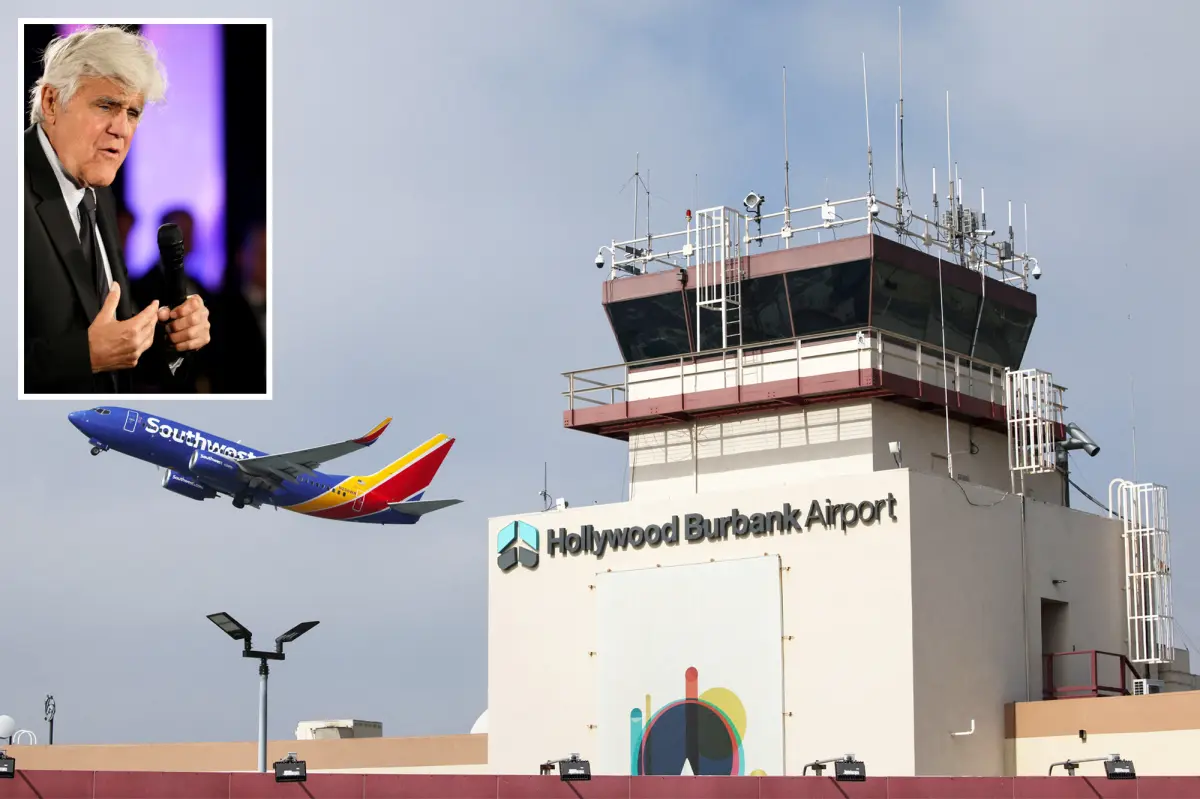
Picture this: Jay Leno, the perpetually youthful comedian with a grin as wide as his car collection, zipping around in his “Big Dog Garage” just a stone’s throw from Hollywood Burbank Airport’s bustling runways. This isn’t just your average celebrity endorsement; it’s Leno channeling his inner gearhead into a high-stakes pitch to lure investors into what he calls a “sure bet.” In a slick promotional video that’s equal parts charm and horsepower, Leno unveils himself as the new face of the airport’s transformation. With his signature wit and a twinkle in his eye, he’s not just talking about runways and terminals—he’s inviting viewers into a world where aviation meets automotive passion. Leno’s garage, a veritable shrine to vintage rides, sits so close to the airport that you can almost smell the jet fuel mingling with the scent of polished chrome. It’s this personal connection that makes his testimony feel authentic, like a neighbor sharing secrets over the fence. For decades, Leno has been a staple of late-night television, hosting “The Tonight Show” with a distinctive mustache that became as iconic as his punch lines. But off-screen, he’s equally legendary for his obsession with cars—restoring classics, racing them, and even designing his own hybrid vehicles. So when Burbank Airport beckoned for this promotional role, it was a perfect fit: Leno’s mechanical heart beats in sync with the airport’s need for a facelift. The video opens with him strolling through his garage, tools in hand, before cutting to dramatic aerial shots of the airport. He’s the relatable everyman, not some distant Hollywood star, making the pitch feel like a friendly chat rather than a cold sales pitch. “Those of you who don’t know Burbank,” he says with that signature drawl, “here’s its big advantage: it’s not Los Angeles.” It’s a line that’s both humorous and pointed, tapping into the frustrations of big-city life while highlighting Burbank’s quirks. In a state where traffic jams are legendary and urban sprawl feels infinite, Leno positions the airport as a refreshing escape—a hidden gem that’s been under the radar but now poised for prime time. Viewers get a glimpse of Leno’s life intertwined with flight: anecdotes about landing at Burbank after a show, or tinkering with cars amidst the roar of takeoff. This humanizes the story, making investors see not just bricks and mortar, but a narrative of convenience and calm. As the video progresses, Leno dives deeper, inviting audiences to imagine a better way to travel—one free from the chaos of bigger hubs. It’s more than a commercial; it’s Leno sharing his world, blending comedy with conviction to make the airport’s upgrade feel indispensable.
Shifting gears, let’s rewind to the airport’s history to understand why this transformation is such a big deal. Hollywood Burbank Airport, affectionately known as BUR, wasn’t always the sleek operation Leno is hyping—it started as a modest airfield in the 1930s, born from the golden era of Hollywood when films like “It’s a Mad, Mad, Mad, Mad World” showcased soaring planes. Back then, it was a playground for stars and stunt pilots, a far cry from today’s high-tech terminals. Over the years, BUR has evolved into a vital lifeline for the San Fernando Valley, servicing millions of passengers with routes to destinations near and far. Yet, its aging infrastructure— a 1930s-era terminal that’s seen better days—has long been a bottleneck, with cramped spaces and outdated amenities that make travelers grimace. It’s the kind of place where you might feel the echoes of old-school glamour, but in reality, it’s cramped and inefficient, like an old muscle car trying to compete in a modern race. Enter the Burbank-Glendale-Pasadena Airport Authority, the folks behind the curtain pushing for change. They’ve recognized that rewriting BUR’s story means embracing its potential as a midsize airport that punches above its weight. Leno’s involvement isn’t random; he’s a local fixture, living in the area for years, so his endorsement carries weight among residents who remember when BUR was just a regional hop. Humanizing this, think about the everyday folks who’ve navigated those worn halls: families rushing to catch flights, business travelers tapping impatiently on counters, or film crews shuttling between shoots. Stories abound of delayed bags and long lines, turning what should be an exciting takeoff into a tedious ordeal. By renovating, the authority aims to honor that history while leaping into the future, transforming BUR into a symbol of progress. Leno, with his mechanics background, likely appreciates the parallels—much like restoring a classic car, this project requires stripping away the outdated and rebuilding with precision. As he chats in the video, viewers sense his genuine excitement, perhaps recalling his own tales of fixing up jalopies and making them roar anew. This isn’t just about bricks; it’s about honoring the airport’s soul, making it a hub that’s lived-in and loved, not just endured.
Now, get ready for Leno’s punchiest critique, because he doesn’t mince words about what’s wrong with the big leagues. “It’s an oasis in the middle of a crazy city with homelessness and crime and taxes,” he quips, drawing chuckles but also nodding heads. For anyone who’s battled LA’s iconic sprawl—beachside glamour marred by gridlocked freeways, rampant issues that make headlines, and a tax burden that hits hard—Burbank represents sanity. Leno, ever the pragmatist, contrasts this with the frenzy of LAX, the gargantuan airport that’s as infamous as it is indispensable. Picture LAX: endless concourses, millions of passengers jockeying for position, delays that turn vacations into ordeals. It’s a beast that devours time and patience, where security lines snake like infinite highways and the stress levels rival a comedian’s punch-up routine. Burbank, by contrast, is the charming underdog—a compact, efficient alternative that feels like a breath of fresh air. Leno’s video captures this vibe with sweeping shots of the airport’s quieter landscape, evoking a sense of calm that’s rare in Southern California. He reminisces about his own frustrations—times when flights from other airports have tested his patience—and it resonates. Humanizing this, imagine a weary traveler lugging suitcases, dodging crowds at a massive hub, only to land at Burbank and feel the weight lift. Families can reunite without the pandemonium, business execs can strategize without distractions, and even celebrities like Leno can slip in and out incognito. The airport’s proximity to Hollywood—stardom vale without the fog of chaos—makes it ideal. Leno’s humor underscores this: he’s not mocking LA, but highlighting Burbank’s strengths as a haven. In his world, cars and planes share parallels—both need reliable pits stops. By choosing Burbank, investors aren’t just buying infrastructure; they’re backing a philosophy of simplicity in a complex world. Leno’s anecdotal style makes the message stick, turning data into relatable stories that paint Burbank as the rational choice.
Delving into the nuts and bolts, the Burbank Authority is betting big on Leno’s star power to sell $379 million in airport revenue bonds, the lifeblood funding this ambitious overhaul. Bonds might sound dry, but think of them as seeds planted for future harvests—the interest from these investments will directly fuel the project’s completion. It’s a financial chess move for an airport authority that’s traditionally underfunded compared to giants like LAX, but now seizing the moment. The goal? To dismantle the old 1930s terminal, an architectural relic that’s as charming as it is antiquated, and erect a gleaming 355,000-square-foot replacement that’s ready for the 21st century. Leno’s clip emphasizes this with visuals of cranes looming and workers buzzing, adding a layer of dynamism that makes the bonds feel like a wise wager. Humanizing the economics, consider the everyday investors—retirees, local businesses, even fans of Leno—who might park their savings here, imagining their money turning runways into pathways to prosperity. Stories from bond buyers often involve personal ties: perhaps a pilot recalling foggy takeoffs now made smoother, or a family business that relies on BUR for quick domestic hops. The video’s disclaimer pops up subtly, a legal featherlight note that Leno’s spiel is “for information purposes only and not financial advice,” ensuring transparency in an era of savvy consumers. Yet, Leno’s endorsement bridges the gap, infusing the pitch with trust. By sharing vignettes from his life—like negotiating deals with mechanics or bartering for car parts—he makes the investment feel human, not just profitable. In essence, these bonds aren’t mere transactions; they’re communal stakes in an upgrade that promises dividends in convenience and growth.
As the horizon looms larger, Burbank is gearing up for its moment in the spotlight, timed perfectly with the Super Bowl in 2027 and the Summer Olympics in 2028. These marquee events promise to flood LA with visitors, turning the city into a pulsating hive of activity. But while LAX might buckle under the strain—visions of congested tarmacs and frustrated athletes—Burbank positions itself as the “sane alternative,” offering a “sense of calm, structure that really, really works.” Leno amplifies this in the video, joking about sidestepping LA’s predicaments while dreaming of seamless arrivals. Humanizing this, envision the thrill of athletes landing at BUR for pre-event prep, journalists filing stories without the glare of nearby chaos, or families cheering from balconies overlooking the field—without the commute nightmares. For Leno, a sports nut and car enthusiast, these events evoke personal excitement: aligning with the Olympics’ spirit of achievement or picturing Super Bowl tailgates near his garage. The airport’s smaller scale is its secret weapon—fewer gates mean faster processes, less stress, and a vibe that’s as inviting as a backyard barbecue. Residents share tales of past events, like the 1984 Olympics, where BUR proved nimble amid the fray. Now, with the new terminal’s 14 modern gates, it’s evolving into a premium spot, complete with amenities that cater to all. Investors see this as foresight; building ahead of the boom ensures BUR captures the overflow. Leno’s pitch ties it together, urging viewers to bet on stability. In a state prone to hype, Burbank offers substance, a structured haven ready for the world’s gaze.
Finally, the transformation is already underway, with construction humming along like a well-tuned engine, slated to unveil the new terminal by spring next year. “This is being built by a union crew on time and on budget,” Leno boasts, with that sly grin, as if he’s just cracked a joke at his own expense in the garage. It’s a rare accolade in a world where projects routinely overrun— a testament to meticulous planning. Humanizing this, think of the workers: skilled laborers hammering away, sharing stories over lunch breaks, their sweat etching into the airport’s new chapter. For locals, it’s a source of pride, watching the skyline change daily, much like Leno restoring a car bit by bit. The video captures the energy—workers in hard hats posing with tools, planes taxiing in the background—blending realism with optimism. Despite the glamour, there’s that disclaimer flashing up, a nod to financial prudence in an exciting pitch. Leno wraps it with promotional swag for The California Post, encouraging downloads and follows, turning the video into a gateway for engagement. It’s more than info; it’s an invitation to join the movement. In Leno’s world, where cars and runways intersect, this airport isn’t just an infrastructure win—it’s a celebration of ingenuity, calm, and human spirit. As construction nears completion, BUR emerges as a beacon, ready to redefine travel. And for investors, Leno’s thumbs-up feels like the ultimate seal of approval, promising returns in a story that’s just warming up.