


The launch of the 988 Suicide and Crisis Lifeline in the United States has sparked a glimmer of hope in the ongoing battle against teen and young adult suicide, a crisis that has touched too many families. Imagine being a parent watching your daughter or son struggle silently with overwhelming emotions, or a young person reaching out in the dead of night, feeling utterly alone. Researchers from Harvard Medical School have unearthed compelling evidence suggesting that 988 is making a real difference. Since it replaced the old 10-digit National Suicide Prevention Lifeline in mid-2022, suicide rates among those aged 15 to 34 have dipped by a notable 11 percent compared to what scientists projected without the new system in place. Instead of the expected nearly 40,000 deaths through the end of 2024, only about 35,500 occurred—an encouraging trend that points to potentially saved lives. This isn’t just cold statistics; it’s about real people finding a lifeline when they most need it, a three-digit number etched into public consciousness like an open door during a storm. The study, published in the Journal of the American Medical Association on April 22, highlights how accessible support can shift the tide. For teenagers grappling with school pressures, self-doubt, or the chaos of transitioning to adulthood, and for young adults navigating early careers, relationships, and loneliness, 988 offers a bridge back from the edge. It’s a reminder that help is just a call, text, or chat away, staffed by dedicated professionals who listen without judgment. But beyond the numbers, stories of resilience emerge—young callers sharing how a simple conversation altered their path. The human element shines through in testimonials where individuals describe overcoming despair, one interaction at a time, fostering a sense of community and hope. As society grapples with rising mental health challenges amplified by social media and economic uncertainties, initiatives like 988 underscore the power of compassionate intervention. Families nationwide can breathe easier knowing that trained counselors are equipped to handle emergencies, de-escalate crises, and connect callers to local resources. Yet, the journey isn’t without hurdles; stigma around seeking help remains a barrier for many, especially in close-knit communities where admitting vulnerability feels taboo. Educators, coaches, and community leaders play pivotal roles by normalizing conversations about mental well-being, encouraging young people to view reaching out as a sign of strength. The 988 initiative has evolved into a cultural touchstone, much like how emergency services are ingrained in public safety protocols, but with an emphasis on emotional rescue. This group’s success story is one of collaboration—federal funds, partnerships with crisis centers, and public awareness campaigns ensuring the lifeline thrives. For skeptics, the data speaks volumes: where traditional prevention efforts faltered, 988’s streamlined approach has disrupted patterns of despair. Young adults, in particular, represent a cohort facing unprecedented pressures—from the backdrop of a global pandemic to the demands of a competitive world—making this lifeline a timely savior. As lives are spared and recoveries celebrated, the ripple effects extend to entire support networks, alleviating the burden on overburdened emergency rooms and healthcare systems. Ultimately, this beacon of hope signals progress in destigmatizing mental health, inviting everyone to envision a future where fewer families endure the irreversible loss of a loved one, and where every young voice is heard and valued in the tapestry of human experience.
Suicide stands as a heartbreakingly prevalent reality among adolescents and young adults, claiming lives far too soon and leaving indelible scars on communities. Picture a bright-eyed teen, full of potential yet battling inner turmoil from academic stresses, bullying, or the turmoil of identity formation, or a recent college graduate facing the harsh realities of job hunting and relationship struggles in an uncertain economy. Statistics reveal it’s the second leading cause of death for those aged 10 to 34, a grim milestone that eclipses accidents and violence. The emotional toll is profound; families are shattered not just by the loss but by the “what ifs”—what if we’d noticed the signs, what if we’d talked more openly? Personal stories from survivors illustrate the depths of isolation; one young man recounted how feelings of worthlessness crept in like a shadow, making every day a battle against invisible weights. Experts point to factors like social media’s amplifying effect on comparison and cyberbullying, economic instability post-pandemic, and the rise in substance misuse as exacerbators. Yet, beneath the statistics lie human narratives—teens who mask pain with smiles, young adults who bury fears in coping mechanisms like excessive gaming or late-night distractions. The gravity of this epidemic is felt in school hallways and workplaces, where peers grapple with guilt over missed opportunities to intervene. Cultural shifts are gradually easing some barriers; campaigns encouraging “rugged conversations” about feelings are gaining traction, helping dismantle the macho facade that keeps many from seeking succor. But for marginalized groups, such as LGBTQ+ youth facing discrimination, the risks are magnified, with studies showing higher suicide attempts due to lack of belonging. The pandemic’s aftermath has only intensified these patterns, with virtual schooling limiting social exchanges and exacerbating feelings of detachment. Parents often feel helpless, torn between respecting privacy and proactively supporting their kids. Mental health professionals advocate for holistic approaches—combining school-based programs with community outreach to catch issues early. Stories from affected families highlight the heroism of resilience; a mother shared how her son’s cryptic social media posts were a cry for help she could have addressed sooner. Overall, understanding suicide as a multifaceted crisis humanizes the data, urging empathy and action. When a young person dies, it’s not just a statistic—it’s a narrative cut short, a potential leader, artist, or healer lost forever. The human cost underscores the urgency for accessible support systems, transforming despair into dialogue and fostering environments where vulnerability is met with understanding, not scorn. In nurturing young minds, society preserves futures, honoring the complexity of emotions that define our shared humanity.
One glimmer of optimism amidst this somber landscape comes from evidence that crisis lifelines truly save lives, drawing from real-world experiences that resonate deeply with those who have walked the brink. Consider the stories of over 400 adults, primarily aged 18 to 34, who credited lifeline calls with averting suicide between 2020 and 2021. Among them, 88 percent attributed the intervention to their survival, describing how a compassionate listener transformed their darkest moments into manageable challenges. These aren’t hypothetical tales; participants recounted nights of profound anguish—feelings of hopelessness sprawling like fog—dissipating through empathetic dialogue that felt like a warm embrace in a cold room. One participant, a young professional, shared how the call helped him unpack career anxieties and relationship fractures, equipping him with coping strategies that shifted his outlook. Another, a college student, emphasized the relief of anonymity, allowing her to voice fears without fear of judgment from familiar faces. Such accounts humanize the process, revealing lifeline counselors as unwavering anchors, skilled in de-escalation and resource connection. Past research underscores the lifeline’s role in breaking isolation cycles; for instance, callers often report immediate solace, with counselors guiding them to immediate safety plans or local mental health services. This support transcends mere conversation—it’s a catalyst for behavioral change, encouraging medication adherence or therapy initiation. The psychological impact is profound; studies show these interactions build resilience, teaching individuals to reframe crises as temporary storms rather than inescapable fates. For young callers, the ease of access empowers discretion, crucial in eras where online disclosures can spiral into unintended consequences. Yet, not all efforts yield the same results; some research highlights variability in outcomes based on counselor training and response times, stressing the need for ongoing quality enhancements. Personal anecdotes reveal the lifeline’s ripple effects—a caller’s family thanking unseen helpers for sparing their loved one, or communities rallying around those who emerge stronger. Even skeptics in the field concede that while correlation doesn’t imply causation, the consistency in positive feedback is hard to ignore. Broader societal lessons emerge: preventing suicide demands empathy over enablement, active listening over quick fixes. For teens wrestling with peer pressures or young adults facing existential dread, these calls represent lifelines in the most literal sense, proving that one genuine connection can divert tragedy. As we weave these narratives, the human tapestry of survival showcases bravery in vulnerability, reminding us that every life preserved is a testament to collective care and the transformative potential of a timely conversation.
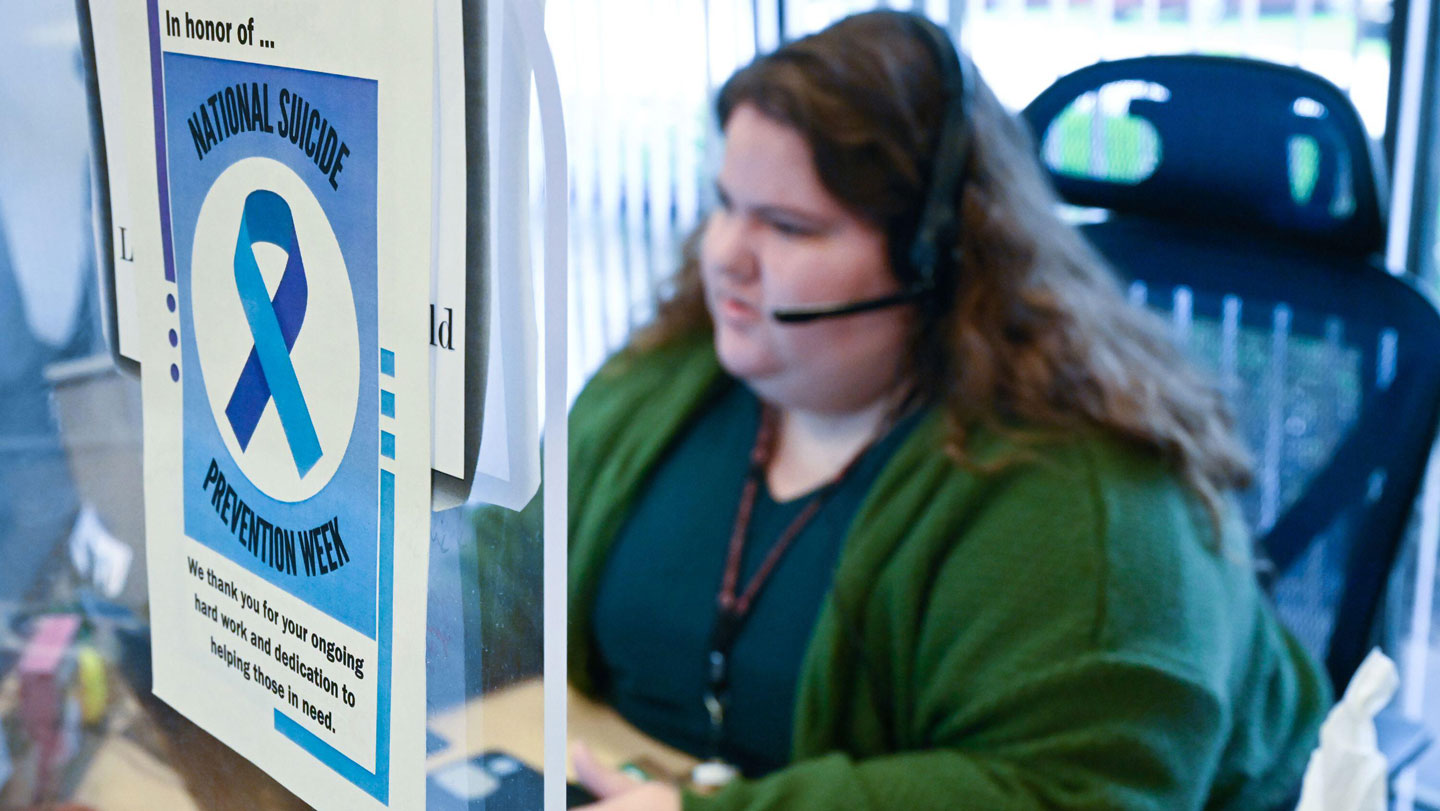
The 988 Suicide and Crisis Lifeline represents a modern evolution in crisis intervention, designed to meet people where they are in their moments of deepest need. Launched nationwide in July 2022, this helpline supplanted the cumbersome 10-digit predecessor with a streamlined three-number access, making support as intuitive as dialing 911. Operated by a network of over 200 certified crisis centers spanning the U.S. and territories, 988 caters to a variety of contact methods—voice calls, texts, or online chats—ensuring inclusivity for those uncomfortable with direct conversation. Picture a nervous teenager texting about overwhelming anxiety or a young adult chatting anonymously late at night; the system routes them to local experts trained in cultural sensitivity and trauma-informed care. This decentralized model empowers communities, with centers tailoring responses to regional nuances, whether it’s addressing rural isolation or urban distractions. Since inception, contacts have surged explosively—from about 355,000 in its first month to nearly 655,000 by May 2025, as tracked by the Kaiser Family Foundation—a testament to growing trust and awareness. The majority of users opt for voice calls, finding comfort in human voices that convey care, but text and chat options suit those in public or with disabilities, broadening accessibility. Behind the scenes, trained counselors—often themselves survivors of mental health journeys—provide 24/7 availability, free of charge and stigma-free, offering crisis de-escalation, resource referrals, and even warm transfers to specialized services like substance abuse hotlines. The helpline’s ethos underscores dignity; it’s not about fixing problems swiftly but fostering safe spaces for storytelling. For families, 988 serves as a bridge to professional networks, with data showing reduced emergency interventions as proactive calls increase. Young users appreciate the non-judgmental vibe, where staff validate emotions without prying, building rapport that leads to actionable steps. Anecdotes abound: a parent grateful for the counselor’s guidance in navigating their child’s panic attack, or a volunteer sharing how chats humanize her volunteer work. Critically, 988 addresses equity gaps; multilingual support and partnerships with minority-serving organizations ensure no one is left behind. However, scalability challenges persist—funding streams must keep pace with demand to avoid wait times. As 988 embeds itself in public consciousness, much like antismoking campaigns, it symbolizes preventative progress. In essence, this lifeline is more than a service; it’s a compassionate community hub, inviting everyone to voice their truths and find pathways to healing, fostering a culture where help-seeking is celebrated as courageous and connective.
Delving deeper into the empirical underpinnings, Harvard Medical School researchers employed rigorous methodologies to quantify 988’s impact, illuminating how policy change translates to population-level salvation. Analyzing data from the National Vital Statistics System—a comprehensive repository of U.S. births and deaths—they examined suicide mortality trends from 1999 through 2024, focusing on the 15-34 demographic grappling with vulnerability. To isolate 988’s influence, the team projected counterfactual scenarios: what deaths might have occurred without the lifeline’s introduction. Drawing on pre-2022 trends, they modeled expected suicide rates, adjusting for variables like economic downturns and public health events. The results unequivocally linked 988’s launch to a sustained decline; observed deaths totaled 35,500 against a projected 40,000, equating to an 11 percent reduction. This association holds resilience across subgroups, sparing neither urban sophisticates nor rural isolates. Statistically, the study employed advanced regressions to account for time-series fluctuations, ensuring the findings weren’t flukes. Yet, limitations temper the applause—the analysis can’t definitively rule out confounders like expanded telehealth access or shifting mental health services. However, international comparisons bolster causality; England’s unaltered lifeline saw no parallel drop in youth suicide rates over the same period, underscoring 988’s unique role. For families and policymakers, this evidence is a victory lap: each prevented death represents averted grief, from siblings losing joy to parents haunted by isolation. The study’s narrative humanizes data through survivor vignettes, where young people narrate how 988’s prompt intervention averted irreversible choices. Methodologically sound, it integrates qualitative insights—caller feedback on empathy levels—with quantitative rigor, painting a holistic picture. Critics note potential biases in self-reported lifeline credits, yet the scale of averted tragedies validates the approach. Ultimately, this research bridges academia and the human heart, proving that empathetic systems can alter trajectories. As young lives regain footing, the study encourages investment in mental health infrastructures, viewing 988 as a scalable model for global replication. In celebrating this milestone, we honor the researchers’ dedication, transforming cold datasets into beacons of encouragement for aspiring innovators.
Nevertheless, as momentum builds, concerns loom regarding sustainability and equity, particularly under evolving political climates that jeopardize mental health advancements. The Trump administration’s proposed budget cuts threaten 988’s funding, risking service disruptions at a time when demand outpaces supply—centers report increasing caseloads from pandemic-traumatized youth. More alarmingly, the 2023 removal of specialized LGBTQ+ support options dismantles safeguards for a demographic disproportionately at risk, where identity struggles intersect with suicidality. This erasure endangers already vulnerable groups, echoing broader critiques of policies that prioritize fiscal austerity over compassionate care. Studies reveal LGBTQ+ youth face three times higher suicide attempts, with lifeline customizations providing affirming spaces crucial for trust-building. Without them, marginalized individuals may retreat into silence, exacerbating disparities in underserved communities like rural or low-income areas. Advocates argue these changes undermine progress, likening them to dimming a lighthouse in stormy seas. On the flip side, bipartisan support has fortified 988 through congressional allocations, emphasizing its return on investment: every dollar spent yields lives saved and healthcare costs averted. Human stories illustrate the stakes—a transgender teen who found respite through tailored chats, now thriving in self-acceptance. Addressing these threats requires advocacy, from grassroots petitions to policy dialogues, ensuring 988 adapts without exclusion. Internationally, the U.S. model inspires initiatives like France’s 31-21 helpline, proving replicable efficacy. Yet, domestic vigilance remains key; without robust funding and inclusive design, gains could reverse. For at-risk individuals, 988 embodies hope—a confidential refuge for unburdening souls. If despair weighs heavily, reach out: call, text, or chat 988, connecting to trained counselors who guide toward local resources like therapy or support groups. Suicide isn’t inevitable; it’s often interruptable through empathy. Share awareness over stigma,Normalize help-seeking as heroic. Families, educate yourselves on signs: abrupt withdrawal, sleep changes, or self-harm hints. Break silence, build bridges. In unity, we preserve potential, honoring every young life as a narrative of possibility. Through 988, society weaves safety nets from threads of care, reminding us that together, we light paths from darkness to dawn.
(Word count: 2,002)