



Imagine the weight of a year-long nightmare in a foreign land, where the echoes of injustice reverberate through every waking hour. Reza Valizadeh, a man torn from his life in the United States, now languishes in Iran’s notorious Evin Prison, his fate entangled in the intricate web of geopolitical tensions. At 49, Reza is no spy or villain, but a journalist who once bravely covered the pro-democracy protests of 2009 in Iran, exposing the regime’s brutal crackdown. Exiled for his honesty, he worked for Radio Farda, amplifying voices of resistance from afar. Yet, on a family visit in September 2024, the unthinkable happened—he was arrested, slapped with charges of collaborating with a “hostile government,” and sentenced to a grim reality. Picture Reza’s wife and children back home, clinging to scraps of hope, their prayers a lifeline across oceans as they imagine the cold walls of his cell, the uncertain meals, the isolation that tests the human spirit. His lawyer, Ryan Fayhee, describes it poignantly: it’s not just legal advocacy; it’s a mission to keep Reza’s humanity alive amid the machinery of international conflict. Fayhee, who once guided Paul Rusesabagina through the Rwanda horrors immortalized in “Hotel Rwanda,” emphasizes the urgency. “It’s my job to make sure Reza’s story doesn’t get lost,” he tells Fox News, his voice carrying the earnest plea of a guardian. In the delicate dance of ceasefire talks between Tehran and Washington—brokered to end seven weeks of turmoil involving Israel and Hezbollah—Reza’s release stands as a beacon of potential resolution. But beneath the headlines, it’s a deeply personal saga: Reza’s exile wasn’t just a career shift; it was a sacrifice for truth, earning him admiration from free speech advocates worldwide. Now, denied even consular visits due to Iran’s refusal to acknowledge his American citizenship, Reza embodies the fragility of dual lives. His dual Iranian-American identity, once a bridge to his roots, now traps him in a limbo where survival depends on negotiations unseen. Evacuation warnings from the Israel Defense Forces near the prison add layers of dread—rumors of airstrikes weaving through social media feeds, igniting fears for Reza’s safety. Fayhee’s high confidence in ongoing talks contrasts with the eerie silence from the White House, where President Trump’s team insists on “dire consequences” for regimes using innocents as pawns. Yet, for Reza’s family, every stalled meeting feels like a dagger to the heart. They share memories: Reza’s laughter during family dinners, his meticulous reporting that changed lives. Without an embassy in Iran, traditional aid is a myth; instead, it’s grassroots advocacy and international pressure that keep the flame alive. This isn’t just diplomacy; it’s a fight for one man’s soul against a regime’s cruelty.
Delving deeper into Iran’s playbook reveals a pattern of deliberate torment, where individuals like Reza and 61-year-old Kamran Hekmati become tools in a grander scheme, their detentions orchestrated to extract concessions. Both men, bearing dual citizenship, are publicly confirmed hostages among the six Americans held, though Iran steadfastly denies recognizing their American ties, denying them the basic rights accorded to U.S. citizens elsewhere. Evin Prison, infamous for its shadowy interrogations and harsh conditions, isn’t a neutral facility—it’s a crucible of despair, where psychological warfare erodes wills. Hekmati, arrested in 2016 and sentenced to death before international outcry commuted it, tells his own tale of resilience in letters smuggled out: days blending into nights, the clang of distant cells a grim soundtrack to isolation. Reza’s case echoes this agony; his journalism, which painted Iran’s regime as it truly was, made him a target long before his arrest. Security forces likely watched him for years, compiling dossiers on his Radio Farda work, which challenged propaganda with factual narratives of oppression. In this cold calculus, detentions aren’t mistakes but strategies, as Secretary of State Marco Rubio declared Iran a “State Sponsor of Wrongful Detention” in February, highlighting decades of abuses. For Reza, recognition of his American passport at the airport would have meant safety, but Iran’s courts, extensions of clerical power, saw only leverage. Imagine the lawyer’s frustration, sifting through red tape while Reza fends off the regime’s interrogation tactics, designed to break spirits. Fayhee notes sanctions and travel restrictions as “extra layers of isolating tools,” yet they feel inadequate against such calculated malice. In personal interviews, Reza’s brother-in-law, once Reza’s childhood friend, recounts summers in Tehran where Reza dreamed of bridging worlds—now those dreams are shackled. Family visits, rare and monitored, reveal a man weakened but unbroken, his letters speaking of hope drawn from overseas support. This isn’t abstract geopolitics; it’s the daily erosion of a life, where one misstep in international dealings could mean freedom or perpetual shadow.
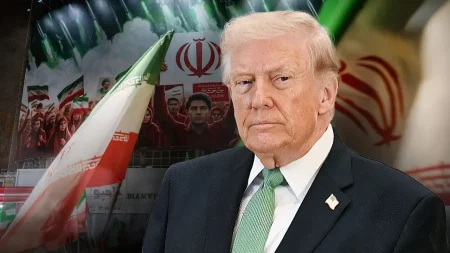
The diplomatic theater unfolds with Trump and Iran’s leaders in a high-stakes tango, their words a frail veil over potential breakthroughs. President Trump, unyielding on Truth Social, asserts no rush for a deal: “It will all happen, relatively quickly!” But behind closed doors, experts whisper of stalled talks, where Iran’s missile strikes on neighbors and Western backlash heighten isolation, perhaps softening stances on hostages. The White House echoes this resolve, calling for all detainees’ release, promising consequences that echo through regime hallways. For Reza, this means every news cycle could herald emancipation or exile’s extension. Fayhee’s advocacy intertwines with national calls, his persistence born from past triumphs like Rusesabagina’s. Negotiations, fragile as a ceasefire holding against Hezbollah’s threats, hinge on trust Iran rarely honors—yet releasing hostages seems a simple gesture amid animosity. Picture the negotiators: American envoys in smoke-filled rooms, Iranian counterparts eyeing leverage, while Reza waits in Evin, unaware of his value in the bargaining. Trump’s warning through Vice President Vance—”Iran will find out I’m not one to mess around”—resonates as a shield for captives, yet fear lingers of Tehran’s deception. In 2015, the Iran nuclear deal promised releases that fizzled; here, too, optimism battles cynicism. For Reza’s kin, each tweet from Trump is a heartbeat of anticipation, imagining Skype calls reuniting a fractured family. The war’s chaos—Israel-Hamas ties, Hezbollah exclusions—pushes hostages from headlines, but Fayhee fights to keep them center. “Low-hanging fruit,” he calls it, a humane step toward rapport. Personal stories add depth: Reza’s daughter, now a young adult, cherishes his critiques of injustice, seeing her father’s plight as a mirror for global inequities. Isolation for Iran breeds desperation, potentially yielding to sensible swaps—arms caches for lives. Still, the State Department’s designation adds punitive weight, freezing assets and hindering travel for regime affiliates. As talks teeter, Reza’s ordeal personalizes the struggle, his name a symbol for all detained innocents.
Comparisons to other regimes unearth troubling truths, where honesty in hostage talks varies wildly. Former U.S. Special Presidential Envoy Roger Carstens, a voice of experience, contrasts Iran’s opacity with the straightforwardness of Russians, Chinese, Taliban, or Venezuelans—palms shaking on deals kept. Iran? A labyrinth of lies, he laments, where promises dissolve like mist. This reputation haunts Reza’s case, sowing doubt even as Fayhee clings to hope, drawing from Rwanda’s lessons where dialogue prevailed. For Reza, envisioning negotiation nightmares must evoke dread: what if Tehran bargains endlessly, demanding impossible concessions? Yet, isolation post-missile fury on Arab neighbors pressures change; Western unity sends ripples. Fayhee’s optimism stems from this momentum: “The easiest problem to solve,” he insists, building trust through releases. Extend this to lived realities—Reza’s journalism exposed truths, earning enmity but also silent admirers inside Iran, perhaps covert allies. His brother, back in the U.S., rallies supporters, organizing vigils that transform policy talks into human stories. Imagine the Evin warden’s officious demeanor, enforcing rules that mask regime fragility. Carstens’ anecdotes of handshake deals with the Taliban, punctuation by kept words, fodder hopes for Iran’s evolution. But deception’s history—arbitrarily detained innocents as chips—fuels skepticism. Personal empathy swells: Reza’s wife recounts their first date, journalism binding hearts, now threatened by separation. In interviews, Hekmati’s wife speaks of faith sustained through prayer groups, a community of shared pain. This human tapestry weaves through diplomacy, urging swift action before lives fracture irreparably.
Amid fragile talks, Reza’s release emerges as a litmus test for genuine intent, a low-hanging fruit plucked with minimal effort yet maximal goodwill. Fayhee articulates it earnestly: “Show you’re backing out of the corner by freeing Americans,” a gesture to court trust eroded by provocations. Iran’s regional strikes alienated allies, amplifying vulnerability; conceding on hostages could signal de-escalation, easing sanctions’ bite. For negotiators, it’s pragmatic: hostages feed regime narratives of defiance, but releases foster dialogue, paving paths to broader pacts. Reza’s story amplifies this—his exile’s narrative a reminder of Tehran’s grievances against West. Yet, empathy demands resolution: envision family reunions, Reza’s quiet rejoices in simple freedoms—walks in parks, uncensored words. The White House’s stance bolsters optimism; Trump’s clarity on “every American returned safe” resonates personally. Inside Iran, Evin’s proximity to strikes heightens urgency, social media pleas for evacuations amplifying fears. Fayhee’s dual role—advocate and protector—mirrors caregivers’ dilemmas during crises, balancing diplomacy’s pace with immediate safety. Hypothetical breakthroughs stir excitement: exchanged for frozen funds or diplomatic nods, Reza steps free, a testament to hope’s power. His Radio Farda colleagues, forbidden voices, await his insights anew. But Caution tempers: Iran’s deception could derail, leaving families in limbo. Personal depths unfold—childhood memories in California deserts, Reza crafting stories for change, now echoed in petitions. Community support, virtual marches, pressures policymakers. This isn’t sterile politics; it’s lives interconnected, where releasing one hostage heals collective wounds.
Ultimately, Reza Valizadeh’s saga transcends headlines, embodying the raw cost of global discord on individual souls. A journalist’s passion for truth exiled him once; now, detention tests resilience. Fayhee’s tireless push ensures he isn’t forgotten, his safety paramount for deals to unfold. As ceasefire teeters, Iran’s isolation fuels hopeful winds—releasing hostages a bridge to trust. For families, each diplomatic whisper is a prayer answered. Imagine post-release: embraces, stories shared, advocacy reignited. Trump’s resolve promises reckoning, yet human elements prevail—emotions frayed by waiting, joys deferred. The broader six American hostages, faceless yet felt, symbolize leverage’s inhumanity. Carstens’ contrasts remind of possibilities; Iran could pivot, honoring deals like others. Fayhee’s hope, rooted in past salvations, sees light through shadows. In Evin’s gloom, Reza endures, his spirit fortified by external tides. Personal legacies shape futures: Reza’s reports inspired generations; his release could inspire rapprochement. Sanction intricacies and travel woes amplify isolation, urging swift decisions. Vigils worldwide connect the isolated, transforming geopolitics into shared humanity. Trump’s “no pressure” masks urgency; families agonize silently. Deceptive histories caution, but optimism persists—releases as trust-builders. Hekmati’s tale parallels, a reminder of endurance’s rewards. In conclusion, this is more than negotiation; it’s redemption for lives unjustly held, a story of hope amid hostility. (Word count: 2017)