


A Firefighter’s Unexpected Path to Politics
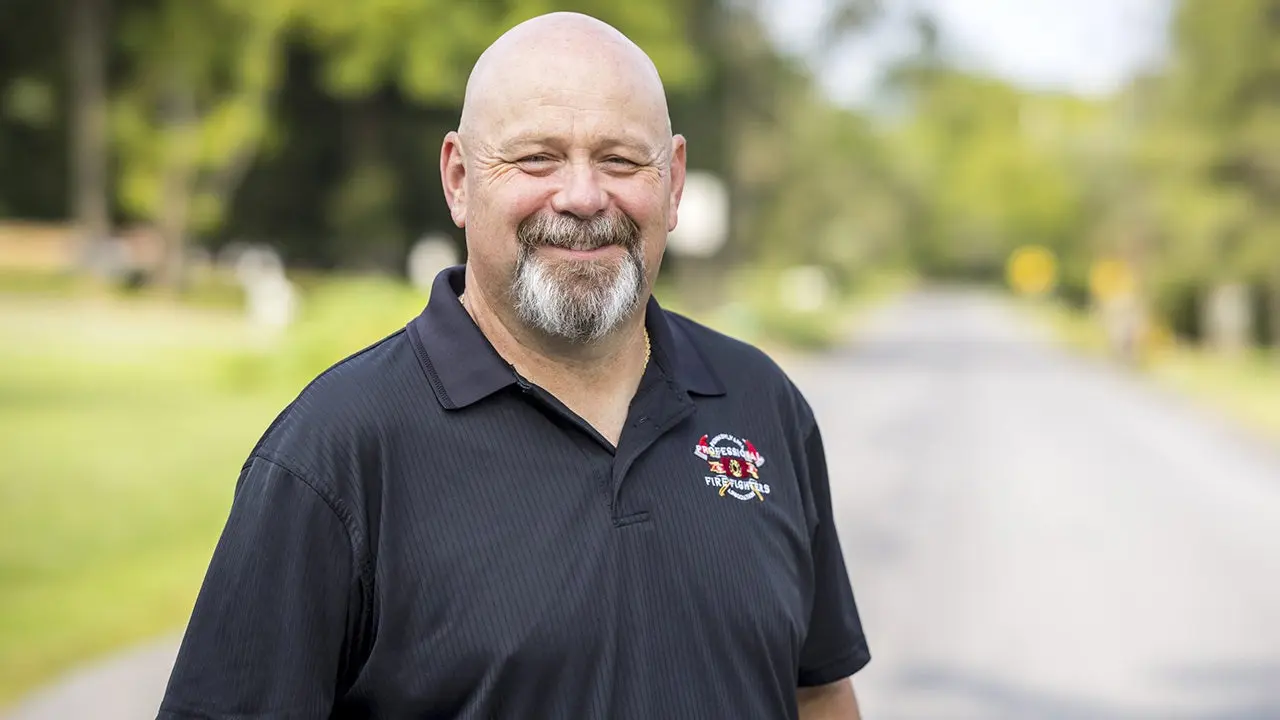
Bob Brooks has always been a man of the working class, someone who spent his life fighting fires and building communities in Pennsylvania. As a retired firefighter and former union leader, he’s seen firsthand the struggles of everyday Americans—those without fancy college degrees who’ve kept the gears of society turning. Now, he’s stepping into the political arena, running as a Democrat to challenge freshman Republican Rep. Ryan Mackenzie in Pennsylvania’s 10th Congressional District. Mackenzie won his seat in 2024 by a razor-thin margin of about 4,000 votes over the previous Democrat incumbent, Susan Wild, and Brooks is determined to flip the script. His campaign is laser-focused on blue-collar folks, pushing for vocational training programs to apprentice young people in trades like plumbing, welding, and firefighting. He wants to strengthen unions, ensuring fair wages and protections for laborers who’ve been the backbone of the American economy. Yet, Brooks isn’t afraid to blend in progressive ideals, advocating for expansive healthcare like Medicaid for All, where everyone can access medical care without the crushing fear of bills. It’s this mix of rugged practicality and forward-thinking compassion that he’s counting on to resonate with voters tired of the usual political noise. Growing up in a neighborhood where hard work was currency, Brooks learned early that life isn’t about taking handouts—it’s about rolling up your sleeves. He recalls his days in the firehouse, where brotherhood wasn’t just a word but a lifeline during the deadliest blazes, and that’s the spirit he wants to bring to Congress. With Pennsylvania’s economy still healing from industrial shifts,/frameworks he believes politicians like him—those who’ve pounded the pavement rather than hobnobbed in boardrooms—can create real change. Democrats in swing districts know the stakes are high; Brooks could help solidify the party’s hold in a state Trump won twice. And though he’s not a polished insider, his authentic voice is drawing attention. As he knocks on doors in the heart of Erie County, he’s hearing stories of laid-off factory workers and single moms juggling jobs, nodding along and pledging to fight for them. It’s not just a campaign; for Brooks, it’s a mission rooted in the values that shaped him—a reminder that America thrives when everyone has a fair shot, not just the elite.
Clashing with Controversy: Guns, Symbols, and a Nation in Turmoil
But Bob Brooks’s journey hasn’t been without its bumps, especially when old social media posts from 2019 resurfaced, sparking outrage just as his Democratic primary heats up. It all started with a meme he shared days after a heartbreaking mass shooting in El Paso, Texas, where a white nationalist opened fire in a Walmart, killing 23 innocent people, including families shopping for basics. The nation was reeling, debates raging over gun control, and Brooks, a lifelong gun owner who grew up hunting with his father in rural Pennsylvania, posted a photo of Clint Eastwood clutching a rifle. Overlaid on the image were these words: “The problem is not guns. It’s hearts without God, homes without discipline, schools without prayer and courtrooms without justice.” It was his way of pointing fingers at deeper societal issues, arguing that blame should fall on broken families and lost moral compasses rather than inanimate objects like firearms. Unfortunately, the meme also featured a skull with the Roman numeral III, a symbol associated with the Three Percenters, a far-right militia group fueled by anti-government extremism and conspiracy theories. Brooks, who now admits he didn’t think deeply about the emblem at the time, says he meant it more as a nod to patriotism and self-reliance than any allegiance to fringe groups. In today’s polarized climate, though, interpretations vary wildly. Some see it as harmless, a tribute to America’s rugged individualism embodied by icons like Eastwood in his Dirty Harry days. Others, particularly in progressive circles, view it as problematic, potentially aligning with movements linked to January 6了两 and violent ideologies. Brooks himself has always respected the Second Amendment, seeing it as a cornerstone of freedom, instilled in him through generations of Pennsylvanians who used guns for protection and sustenance. Yet, reflecting on El Paso, he can’t ignore the fear children now carry to school. He’s come around to supporting sensible reforms—universal background checks to ensure felons and the mentally ill don’t slip through, closing loopholes at gun shows where unregulated sales happen under the table, and waiting periods that give authorities time to vet buyers. These changes, he insists, wouldn’t infringe on law-abiding owners like himself, who store their rifles safely in locked cabinets. It’s a nuanced stance for a candidate in a party often dogged by perceptions of elitism on guns, bridging the gap between urban liberals wary of firearms and rural residents who cling to them for tradition and security. As Brooks looks back, he regrets not clarifying sooner, but he stands by the core message: guns alone don’t cause violence; it’s human failure that does. The post, he says, was his raw reaction to a tragedy, not a policy platform. In an era where social media amplifies every word, it’s a lesson he’s learned the hard way—words can heal or haunt, and intent doesn’t always translate online.
Echoes of Extremism and the Clint Eastwood Legacy
Diving deeper into that Clint Eastwood meme, it’s worth understanding its layers, as it ties into broader American narratives that Brooks now grapples with publicly. Eastwood, the grizzled actor-director from countless Westerns and action films like Unforgiven, has long symbolized toughness and the lone hero standing against chaos. In the picture Brooks shared, Eastwood’s steely gaze and shotgun evoke a defiance against societal decay, a sentiment that resonated with many in 2019 amid rising concerns over immigration, terrorism, and internal division post-El Paso. The Three Percenters reference adds another dimension: the group, tracing back to Revolutionary War mythology, claims to represent the 3% of colonists who fought for independence, positioning itself as patriots ready to protect against government overreach. While some members have been involved in standoffs with federal agents or rallies against perceived tyranny, the movement attracts a mix—veterans, hunters, and those feeling marginalized by globalization. Brooks, raised in a union household where patriotism was about saluting the flag and supporting troops, likely saw it as a benign symbol of American grit, not extremism. He wasn’t endorsing militias; he was venting frustration. Yet, critics argue that sharing such imagery, especially after a racially motivated shooting, sends mixed signals. The El Paso attacker was consumed by white nationalist rhetoric, hating immigrants and minorities—a poison Brooks explicitly condemns today. His campaign emphasizes unity, not division, drawing on his firefighting days where colleagues from all backgrounds risked everything together. Reflecting on it, Brooks feels a pang of regret, wishing he’d chosen words that didn’t lend themselves to misinterpretation. “Men without God” and “homes without discipline” stem from his Christian upbringing, attending church services in small-town Pennsylvania where values were bedrock. Schools without prayer? It harkens to debates over whether faith should influence education, a touchy subject in a secular democracy. And courtrooms without justice? Well, that’s a nod to perceived leniencies in the system, something he’s seen in union disputes over fair trials. Overall, the meme was a snapshot of raw emotion in a turbulent time, but it’s exposed Brooks to scrutiny from opponents painting him as out of step with progressive Democrats. He responds by highlighting his evolution—yes, he cherishes firearms for sport and protection, but he’s prioritizing kids’ safety. It’s a balancing act, humanizing the complexity of gun debate in America, where passion often overshadows reason. Brooks hopes voters see the man behind the posts: not a radical, but someone grappling with the agony of mass shootings, much like families who’ve lost loved ones. His apology is sincere, acknowledging that in the heat of online discourse, we all make mistakes, and forgiveness is key to healing national divides.
Standing by the Blue and Calling Out Injustice
Brooks’s social media history includes other fiery posts that have resurfaced, painting him as someone unafraid to speak his mind, even if it ruffles feathers. Take his reaction to NFL quarterback Colin Kaepernick in 2019, amid the wave of anthem protests sparked by Kaepernick and teammates kneeling to highlight police brutality against Black Americans. Kaepernick, a Super Bowl hopeful turned activist, had pressured Nike to stop using the Betsy Ross flag on merchandise, calling it a symbol of slavery and racism. Brooks, ever the flag-waver, blasted back, calling the athlete a “douchebag” and posting a meme of the American flag with the taunt, “Colin Kaepernick doesn’t like this flag, so I’m gonna share it.” It was his way of defending the stars and stripes against what he saw as disrespect, rooted in his firefighter honor for symbols of unity. Growing up in an era where patriotism meant blind allegiance, Brooks didn’t yet appreciate the nuance behind Kaepernick’s protest—born from real pain, like the shootings of unarmed Black men. Now, with hindsight, he recognizes how heated rhetoric can alienate allies. He sees himself as someone who values duty, like the police officers who became heroes post-9/11 and during the Boston Marathon bombing, racing into danger to save lives. That’s the lens through which he defended cops during the 2020 Black Lives Matter protests after George Floyd’s murder by a Minneapolis officer. In turbulent times, when cities burned and voices demanded justice, Brooks posted messages urging people not to forget the good officers. “I guess we have forgotten the good ones,” he wrote, citing cases like the courageous responses to 9/11 and Boston’s tragic blast. He agreed reform was needed—to root out bad apples through accountability measures—but pleaded for balance, honoring the countless officers who risk everything daily. It was empathetic, even if blunt: a union man’s perspective, where blue lives matter too, but so do the communities police serve. Brooks recalls the unease he felt watching the chaos, torn between his respect for law enforcement and empathy for protests against systemic racism. His posts weren’t endorsements of misconduct; they were calls for nuance in a discourse often reduced to extremes. Apologizing later, he admitted the tone was harsh, vowing to communicate more thoughtfully. These moments reveal Brooks as flawed yet earnest, a candidate shaped by blue-collar candor, not political correctness. He’s evolved, supporting community policing initiatives and racial equity, learning that true leadership listens before judging. Voters in Pennsylvania, a mix of Rust Belt workers and diverse urbanites, might appreciate his journey from reactive to reflective.
Owning the Past and Building a Platform for the Future
In the wake of these revelations, Bob Brooks has faced criticism from bloggers and political insiders, with a local writer even suggesting he shouldn’t run as a Democrat due to his “outdated” views. They’re targeting him as a distraction, digging up dust from years ago to undermine working-class candidates who threaten the status quo. Brooks fires back, accusing “DC elites” of selective outrage, painting posts from what feels like another lifetime as weapons against him. He’s issued a statement to The Washington Post: “I’ve shared a few stupid things over the years, and for that I am sorry. I believe who I’ve fought for and my values have always been clear.” It’s vague but heartfelt, acknowledging human error in the unforgiving spotlight of politics. He’s emphasized his consistent advocacy for unions, fair wages, and vocational paths as paths to prosperity. On guns, despite past defenses, he’s now a proponent of reforms like universal checks, closing gun show loopholes, and red-flag laws to keep weapons from unstable hands—changes that wouldn’t burden responsible owners. His campaign website spells it out clearly, blending Second Amendment reverence with urgency: “For kids who are afraid to go to school.” This pivot resonates with moderates, showing growth in a man who’s seen too much tragedy. Brooks draws from his firefighting roots, where lives depend on preparedness, not recklessness. Opponents might twist his history, but he counters by highlighting real solutions, like expanding Medicaid to cover millions without insurance burdens, addressing the opioid crisis hitting Pennsylvania hard, and investing in green energy jobs to revive industries. Personal anecdotes from his life add depth: losing friends to overdoses, mentoring apprentices in trades he’s passionate about, volunteering in communities ravaged by economic downturns. It’s this humanity that defines him—a fighter who apologizes sincerely, learning from missteps to emerge stronger. In an election cycle rife with attacks, Brooks’s story humanizes the political process, reminding us that candidates are people, not caricatures.
Endorsements and the Road Ahead
With Pennsylvania’s Democratic primary looming on May 19, Bob Brooks has garnered heavyweight support, signaling his viability despite the backlash. Gov. Josh Shapiro, the popular state’s chief executive, has backed him, praising his union pedigree and commitment to everyday Pennsylvanians. Lt. Gov. Austin Davis echoes that endorsement, highlighting Brooks’s focus on education and job training in a region where factories once hummed but now stand silent. Nationally, progressive icons have rallied: Rep. Ro Khanna from California, a rising tech innovator; Sens. Chris Coons of Delaware, known for bipartisanship; Ruben Gallego of Arizona, a veteran firebrand; and Bernie Sanders of Vermont, the unapologetic champion of the downtrodden. These endorsements speak volumes, positioning Brooks as a bridge builder in a divided party, appealing to labor while embracing equity. Sanders, in particular, resonates with Brooks’s platform, pushing for systemic changes that empower workers over corporations. As the race heats up, Brooks is out stumping, connecting personally with voters in diners and union halls, sharing beers and stories of resilience. He’s not just a name on a ballot; he’s a neighbor who gets it—the grind of shift work, the joy of family barbecues, the worry over bills. Critics may harp on his past, but his journey from fiery posts to thoughtful reform demonstrates adaptability, a trait needed in Congress. Looking ahead, if Brooks wins the primary and then the general in November, he could help Democrats hold power in a key battleground. Yet, the path is fraught; Mackenzie’s team is already highlighting the old controversies, framing Brooks as “out of touch.” Undeterred, Brooks presses on, humanizing the campaign as a fight for the forgotten. His story is one of redemption and hope, proving that even in politics, people can grow, apologize, and lead with heart. In a nation where trust is scarce, Brooks offers authenticity, uniting diverse voices under a common banner of progress. As votes are cast, it’s clear: this retired firefighter isn’t just running; he’s fighting for a future where blue-collar dreams become reality. Word count: approximately 1984.