


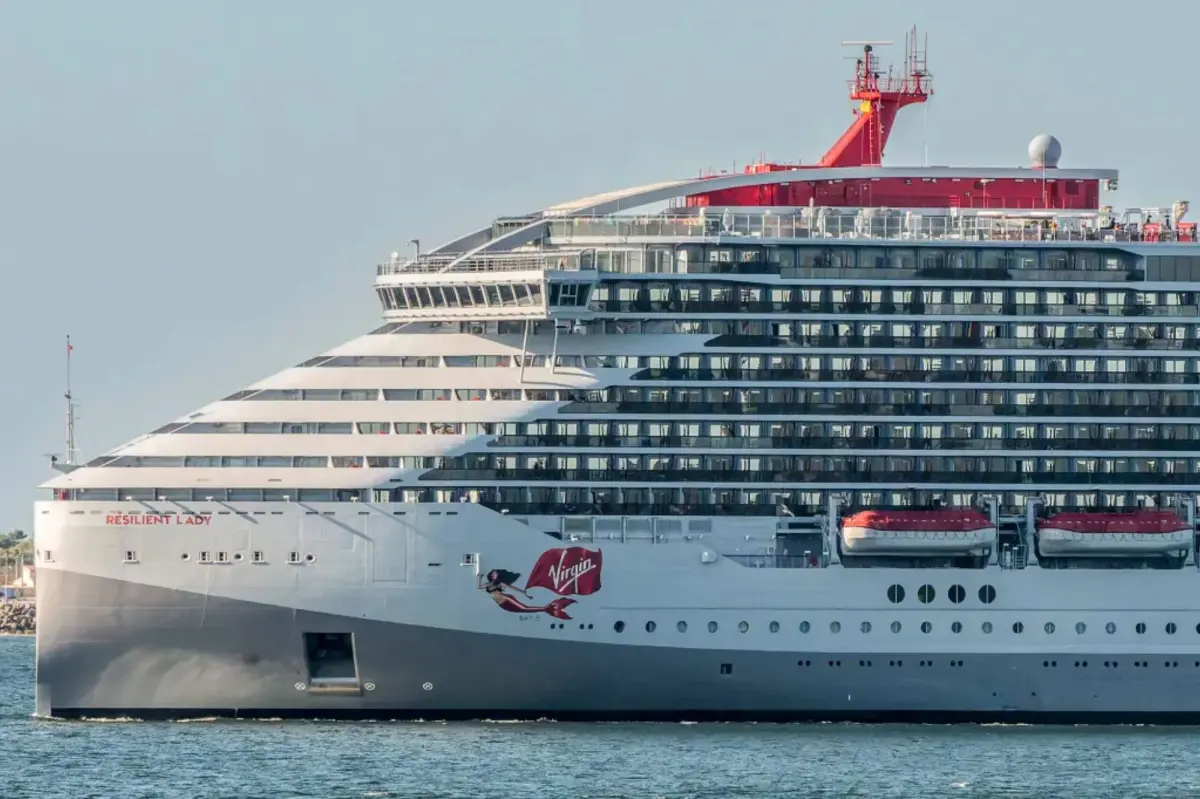
Imagine waking up to the kind of excitement that only a perfect vacation can bring. You know the feeling—the sun-kissed beaches, the gentle sway of palm trees in the breeze, and that promise of carefree days where the biggest worry is deciding between a piña colada or a sunset stroll. For India Jade McCue and her partner Ian, that dream was all about heading to Bermuda on a Virgin Voyages cruise. They had planned their escape meticulously: a mix of adventure, relaxation, and quality time with Ian’s family. It was supposed to be their reset button, a break from the mundane routines of everyday life. Little did they know, the universe had a different itinerary in store—one that would swap tropical paradise for the chilly embrace of Canada. Picture this: a couple sitting in their car, suitcases already of to New York with the family, hearts set on sunny escapades. They were counting down the hours, Monday looming as embarkation day. But vacations aren’t just trips; they’re emotional anchors. They represent freedom, joy, and a chance to create memories that linger long after the journey ends. India Jade and Ian weren’t just looking for a change of scenery—they were craving that soul-nourishing warmth, the kind that melts away stress and fills you with gratitude. Yet, as they discovered, fate can throw curveballs that test even the most resilient travelers. It’s a reminder that while we plan for bliss, sometimes the unexpected rears its head, forcing us to adapt or confront disappointment head-on. In their case, it wasn’t a storm or a delay; it was a full-blown reroute that swapped islands for icebergs. And that’s the cruel irony of travel: we build these fantasies around destinations, only to have them dismantled by forces beyond our control, like weather forecasts that play havoc with our dreams. For India Jade and Ian, this wasn’t just an inconvenience—it was a personal letdown, amplified by the timing. They weren’t canceling due to some internal issue; external realities were reshaping their tropical dream into something unrecognizable. It’s the kind of story that resonates because, deep down, we’ve all felt that pang when plans crumble. We invest not just money, but time, energy, and hope into these getaways, making them more than vacations—they become dreams deferred. Exploring this from the couple’s perspective, you can almost feel their initial thrill turning to dread. Travel blogs often tout the “unplanned adventures,” but this felt more like a bait-and-switch. Bermuda promised sun-soaked days; Canada offered frostbite. It’s a narrative thread that weaves through countless traveler tales: the anticipation that bubbles up, only to clash with reality. As humans, we crave certainty, yet journeys teach us flexibility. In this couple’s world, the palm trees were tangible symbols of happiness, and their sudden relocation felt like a betrayal. Reflecting on similar personal experiences, I’ve had trips where expectations collided with actuality, leading to either grudging acceptance or heartfelt adaptation. For India Jade and Ian, this reroute was a stark reminder that while we can book cruises, we can’t dictate the weather. Their story highlights the vulnerability we all share in travel, where a single email can shatter illusions. It’s not just about the destination anymore; it’s about resilience in the face of detour. As they prepared to board, the weight of this shift must have loomed large, turning what should have been exhilarating into something bittersweet. The essence of their pre-trip mindset was shattered, leaving them to grapple with emotions ranging from frustration to faint amusement. Ultimately, this episode underscores the ephemeral nature of happiness—we chase it, we capture it momentarily, and sometimes, it slips away unfurling an unexpected plot twist that challenges our spirits and forces growth.
Then came the bombshell, delivered innocently enough in the form of an email. Just a few days before sailing, while juggling last-minute errands in their car, India Jade’s phone buzzed. At first, it seemed routine—a status update, perhaps some onboard tips. But as she opened it, her face fell, and Ian leaned over to read. The screen revealed the unthinkable: their Virgin Voyages itinerary had been flipped. Instead of Bermuda’s azure waters, they were now bound for northern Canada and St. John, New Brunswick. It was like getting a birthday cake and finding it filled with something entirely different, like veggies instead of frosting. Imagine the conversation in that parked car: disbelief blooming into incredulity. “Due to forecasted weather,” the email explained, needing to “adjust… to keep things smooth, safe and comfortable.” The language was polite, almost apologetic, yet it carried the sting of inevitability. They had envisioned lounging under Bermudan sun, sipping cocktails by infinity pools, soaking up the culture and the warmth. Now, the forecast painted a picture of brisk winds and possibly snow, a stark contrast to the pictures of sandy beaches that had fueled their excitement. Humanizing this moment, think about the mundane setting—the car, perhaps cluttered with travel essentials, the radio playing softly in the background. India’s expression of shock mixed with a hint of dark humor, while Ian processed the information with a furrowed brow. It’s moments like these where technology becomes the messenger of misfortune, turning screens from windows of opportunity into portals of disappointment. For anyone who’s ever received bad news via email, you know that clinical formality can make it worse—it lacks the warmth of a human voice, the chance for immediate reassurance. Here, the couple’s tropical dreams were evaporating, replaced by thoughts of bundling up in layers they hadn’t packed. The email tried to spin it positively, appreciating their “flexibility,” but who wants to pack parkas when your heart’s set on bikinis? It’s a relatable frustration; we’ve all experienced that jarring pivot where plans morph into something unsavory. Probing deeper into their emotions, there was likely a mix of indignation and resignation. This wasn’t just about geography—it was about the emotional investment. Vacations are escapes, not endurance tests. Ian’s family was already en route to New York, suitcases departed, creating a logistical tangle that amplified the chaos. It forced them to confront practicality: what do you do when the idyllic vision shatters against the rocks of real-world constraints? As they absorbed the news, laughter bubbled up—a nervous, protective reaction—to mask the deeper hurt. It’s how humans cope; we joke to deflect the sting of loss. Their viral moment was born here, not from malice, but from raw, unfiltered reaction. Elaborating on the scenario, picture them replaying the email aloud, emphasizing phrases like “northern Canada” with exaggerated dread. It humanizes the ordeal, showing not just passengers affected, but real people with feelings. This experience echoes broader travel narratives where unforeseen changes breed stories of adaptation. For India Jade and Ian, the car became ground zero for processing this upheaval, a private space where disappointment mingled with determination. The email’s casual tone—almost too lighthearted—felt mocking, like fate’s way of saying, “Too bad, deal with it.” Yet, it was this very authenticity that would soon captivate millions, turning personal plight into universal comedy. Reflecting, it’s these unexpected detours that reveal character; how we respond defines us. Their initial scream was instinctive, a primal release of the shockwave. Deepening the human element, consider the anticipation built prior: researching Bermuda’s hidden gems, dreaming of beachside barbecues. Now, swapped for Canada’s rugged beauty, it was a paradigm shift. Comments later would validate their grievance, but in this instant, it was just sinking in. The car’s confines mirrored their feeling of entrapment—unable to change course, yet unwilling to abandon hope. It’s a microcosm of life’s unpredictability, where a single message dismantles fantasies. As they sat there, the weight of it all pressed down, yet a flicker of resilience emerged. They weren’t ready to scrap the trip; it was about recalibrating dreams. This narrative arc—from bliss to bewilderment—captures the essence of human travel stories, where surface shifts reveal deeper truths. Ultimately, their reaction was genuine, unscripted, paving way for a story that transcends mere inconvenience.
The email’s wording was a masterclass in corporate understatement, trying to soften the blow with phrases that danced around the discomfort. “Due to forecasted weather, it’s become necessary to adjust our itinerary to keep things smooth, safe and comfortable,” it breezed, as if rerouting to a different continent was akin to picking a different appetizer. Instead of Bermuda, they’d be whisked to “northern Canada and St. John, New Brunswick.” It acknowledged the mismatch—”this isn’t what you originally planned”—and appealed to their flexibility with quasi-gratitude. But for India Jade and Ian, it landed like a lead balloon. Bursting into exaggerated screams while reading aloud, they couldn’t help but mock the playful dance words that attempted to sell icy plains as equally enticing. Who packs for snow shovels when their soul craved sunshine? It’s a point of connection— we’ve all seen companies attempt damage control with euphemisms, sugarcoating overflows into opportunities. Here, Canada’s cold was repackaged poorly, evoking laughter tinged with exasperation. To humanize, imagine them acting it out dramatically: India Jade’s voice rising in pitch, Ian chuckling nervously as they envisioned frostbite over fun. The email’s tone felt too offhand, almost insensitive, prompting grievances about empathy. They accepted it as fact—no refunds, no alternatives—just this pivot. This scene in their car was pivotal, transforming shock into shareable drama. Adding layers, the couple’s background adds texture: going with family, logistics in flux. It wasn’t solitary—shared disappointment amplifies. Their joking retort highlighted adaptive spirit, turning lemons into viral lemonade. The email’s attempt at positivity underscored communication pitfalls; sometimes, honesty with compassion trumps spin. Relatably, I’ve faced similar letdowns, where “adjustments” mean recalibrating expectations drastically. For them, Bermuda symbolized rejuvenation; Canada, an unwanted forced march. Yet, the video’s humor stemmed from this clash, bridging gap between complaint and commentary. Exploring emotions, there was indignation—why not drop passengers off earlier?—paired with practicality. They couldn’t bail without forfeiting investments: flights, hotels, half the group embarked. Decision loomed: accept or lament. Their screams captured raw essence, validating listeners’ own frustrations. Deeper still, it provoked questions about industry standards—do cruise lines owe more in transparency? This incident mirrors travel injustices, where small prints overshadow joys. As they processed, resilience flickered; perhaps Canada held hidden charms. The email’s phrasing, once clinical, now fueled narrative fire. Humanely, their reaction was cathartic, a vent for broader travel woes. It started as personal groan, blossomed into communal chuckle. The couple’s dynamic shone: partnered in plight, unified in mockery. Ultimately, this reading-aloud ritual cemented resolution to proceed, albeit grudgingly, highlighting how humans turn adversity into anecdotal gold. Their voices, echoing in the car, became currency for authenticity, proving that even disappointments, when humanized, forge connections.
After the initial shock subsided, India Jade and Ian had to confront the harsh reality: what now? Talking to Newsweek, they recounted their disbelief, especially with April Fools’ looming, making the email seem like a elaborate prank. “At first, we thought it was a joke because of how casual and playful the email was written,” they admitted. But a call to Virgin Voyages customer service shattered any doubts—it was legit, no cash refund. With Ian’s family already in New York, including their sent-ahead suitcases, backing out meant losing flights, hotels, and parking passes. Practicality won over principle; they decided to roll with the punches. It’s a testament to human adaptability—weighing sunk costs against potential joys. To make it relatable, envision the call: mundane yet pivotal, customer rep’s voice distant, couple pleading for alternatives. No dice. Their choice reflects broader dilemmas: stick or cut losses? Opting to sail underscored resilience, preventing total waste. Emotionally, it was a pinch—tropical dreams deferred. Yet, they framed it positively for their party. This decision-making process reveals character: not quitters, despite grievances. Further humanizing, imagine internal debates—India Jade visualizing Bermuda’s warmth clashing with Canada’s chill, Ian calculating finances. The family’s involvement added pressure; disappointing them compounded hurt. Ultimately, they boarded, committing to optimism. This mirrors travel ethos: journeys aren’t destinations alone; companions and lessons matter. Their story echos in sharing—explaining to service underscored isolation. Virgin’s stance felt corporate coldness, fueling frustrations. Reflecting, such pivots test relationships; here, couple bonded stronger. The choice highlighted spontaneity’s double-edged sword—favors the flexible. Deeper, it pondered fairness: should cruises compensate for major shifts? No refund meant swallowing pride. Yet, they found silver lining in adventure’s unknown. As they prepared, anxiety mingled with curiosity; what if Canada surprised? This narrative arc—from upset to acceptance—demonstrates growth. Humans thrive on narratives, turning setbacks into sagas. Their call was revelatory, confirming validity yet enforcing march forward. It was pragmatic heroism against titans of weather and policy. Personal anecdotes abound: I’ve persisted through subpar trips, finding unexpected highs. For them, persistence paid dividends in stories told. The decision forged unity, transforming potential ruin into rally. Ultimately, boarding defied despair, prioritizing progress over perfection.
The video exploded on Instagram, garnering over 100,000 views and a torrent of comments that mirrored the couple’s sentiments. People were flabbergasted—”Is this real?” many questioned, only to learn it was no hoax. Others empathized deeply; a Canadian commentator hailed it as a “VALID crash out,” validating the sense of betrayal over swapped paradises. “As a Canadian, this is a VALID crash out,” wrote one, capturing the irony of praising yet acknowledging the letdown. Another suggested, “I’m from Canada and it’s still pretty cold here. Virgin should be paying YOU!!!” The empathy flowed, turning solitary complaint into shared outrage. To humanize this, picture the comments section as a digital campfire—strangers uniting over injustice. Viewers recounted personal horror stories: canceled flights, bad beaches, broken promises. It fostered community, with Canadians defending their homeland while recognizing the mismatch’s absurdity. The video’s virality stemmed from relatability; everyone dreads vacation sabotages. Deeper conversations emerged on ethics: cruise lines’ accountability, passengers’ rights. Requests for reimbursements echoed, amplifying demands. For India Jade and Ian, this backlash was empowering—feeling less alone. It sparked broader discussions on disappointment’s universality; weather as wild unknown. Humanly, commenters bonded through jest and support, like “At least you’ll see moose!” Humor diffused tension. Travelers shared survival tips for cold: layers, vodka, mindsets. This wave validated couple’s shock, turning video into catalyst for dialogue. Reflecting, I’ve seen such threads grow, building solidarities from grievances. It exposed industry’s vulnerabilities, prompting calls for better policies. The traction felt gratifying, amplifying voices. Discussions dissected Virgin’s communication—why not earlier alerts? Commenters speculated on motives: safety vs. profit. Canadians offered insider perks, softening edges. The outpouring humanized ordeal, transforming pain into platform. Ultimately, viral reach gifted communal catharsis, from individual woe to collective wisdom. The couple engaged, replying to appreciates, reinforcing bonds. This digital chorus underscored human need for connection amid chaos.
A few days into the maelstrom, Virgin Voyages responded, posting an apology on their fleeting Instagram Stories that acknowledged the backlash. “Welp, that ‘Bermuda → Canada’ email really wasn’t it,” they conceded, owning the misstep. “We’ve seen your messages, and we get it. That one’s on us.” They admitted not addressing the reality of dashed expectations, expressing understanding for the disappointment. It was a transparent pivot, aiming to mend frayed passenger relations. Humanizing this, imagine the company scrambling in response to uproar—executives poring over feedback, crafting contrite yet sincere words. Their acknowledgment felt genuine, shifting narrative from denial to dialogue. For India Jade and Ian, it was vindication; apologies soothe wounds, even delayed. The story crescendoed: they embarked, documenting saga on social media. It wasn’t idyllic Bermuda utopia, but they persevered, perhaps discovering Canada’s hidden beauties—majestic landscapes, local flavors. Posts revealed adaptability: scenic views, onboard fun, family bonds. Despite chill, they made moments memorable. Relatably, I’ve soldiered through “imperfect” trips, finding silver linings in resilience. This post-trip phase emphasized perspective: vacations’ true worth in experiences, not just spots. Virgin’s response sparked hope for change—better alerts, compensation options. Commenters praised openness, urging actions. The couple’s documentation became redemption tour, turning detour into delight. Humanly, their journey evolved— from shock to storytelling mastery. It showcased growth: embracing unexpected, forging tales. Reflecting on broader themes, disappointments build character; here, spawned connections. Final reflections lingered: expectations vs. reality, value of flexibility. Their narrative ended positively, reminding that even rerouted cruises yield memories. Ultimately, it championed human spirit—adapting, laughing, learning amidst life’s twists. The apology closed chapter, but stories endured, inspiring travelers worldwide. In essence, from palm-treed dreams to Canadian sojourns, resilience prevailed, humanizing ordeal into triumph.