




The Pulse of Training: A Thrilling Dive into CULEX at the U.S. Air Force Academy
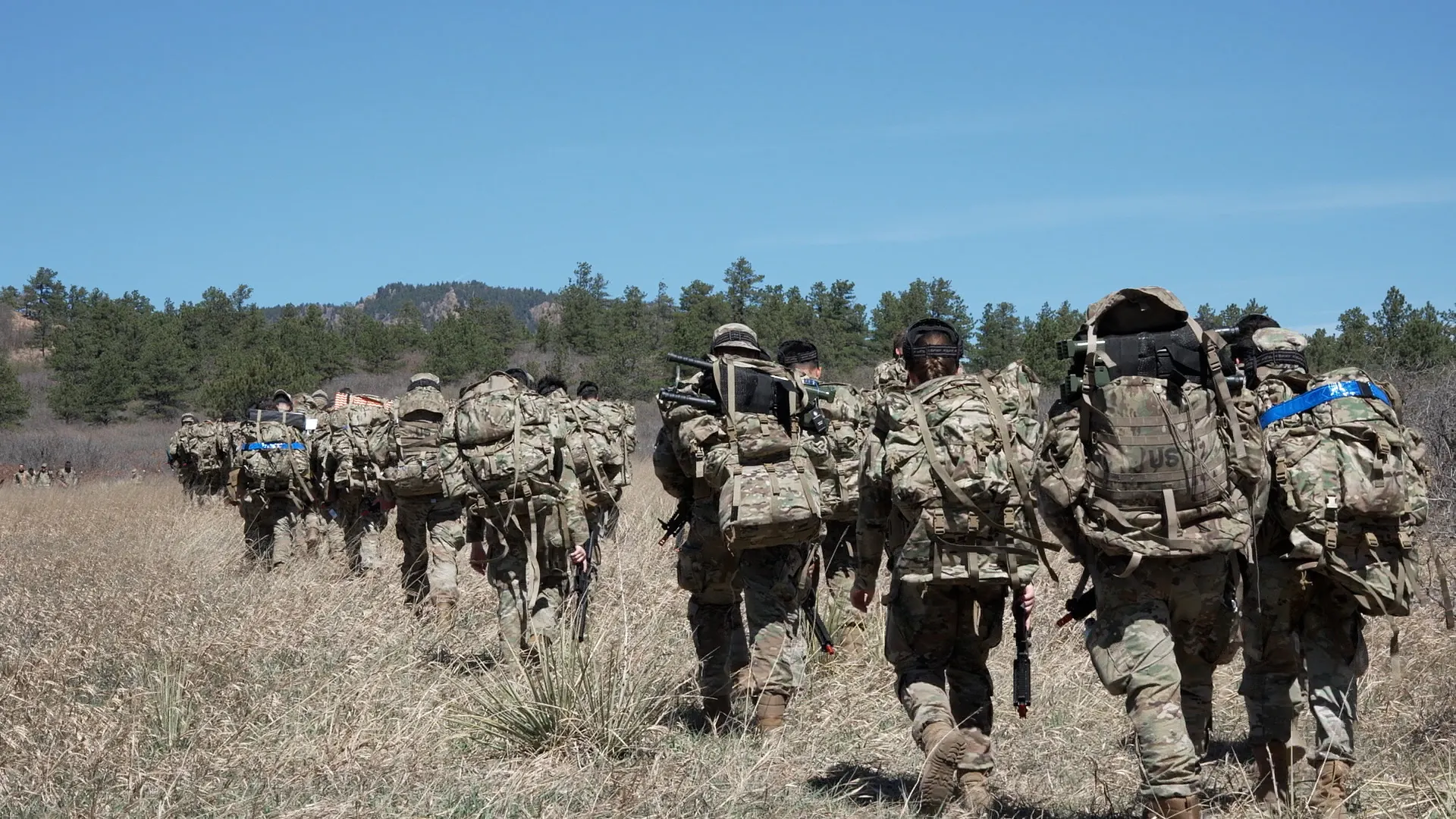
Picture this: nestled in the shimmering foothills of the Rocky Mountains, the U.S. Air Force Academy sprawls across 18,500 acres, often a serene haven for learning and discipline. But on Thursday, April 15, something extraordinary unfolded— the academy’s massive annual “CULEX,” or culminating training exercise, kicked off, immersing nearly 4,000 cadets in a 24/7 mock war that’s as intense as it is transformative. This isn’t just drills; it’s a full-blown simulation where upperclassmen command bold missions while younger cadets execute orders with precision. As I stood on the ground, watching the energy buzz through the air, it felt like stepping into a real battlefield—cadets in full gear, faces smeared with determination, rushing past tents that dotted the landscape. CULEX director Col. Jennifer Hall summed it up perfectly when she described how they’d “taken over the entirety of USAFA,” carving out space for every cadet to dive headfirst into the chaos. The excitement was palpable; these young minds, training to become future Air Force and Space Force leaders, weren’t just playing a game—they were living it. For many, this event isn’t about passing a test; it’s about building unshakeable confidence through hands-on chaos, preparing them for the unpredictable realities of military life.
Hokkaido’s Shadow: Immersive Scenarios Bringing War to Life
Imagine Hokkaido, that rugged Japanese island, under siege by enemy forces—and you’re deployed as the U.S. defensive line. That’s the gripping backdrop for this year’s CULEX, where the academy morphs into a war zone far from Colorado. Col. Hall explained how they’ve set up four key airfields as joint operating areas (JOAs), each bristling with about 800 cadets defending critical assets: an airfield, two high-value targets, and a downed airman who needs rescue. The scenarios feel eerily real—cadets grapple with “injured officers” and relentless “Red Force” invaders, played by their own peers from a pulled-out squadron. I’d never witnessed something so alive; these “enemy” cadets, out there harassing their classmates, are pumped with adrenaline, complicating decisions on the fly. It’s all about forcing cadets to prioritize under pressure, honing that split-second judgment that could mean the difference between victory and vulnerability. As Hall put it, “The Red Force is trying to complicate that to the best of their ability,” making every moment a lesson in adaptability. Watching from afar, you can’t help but feel a surge of respect for these kids, who treat this as seriously as any real deployment, laughing at the absurdity while nailing down the seriousness of leadership.
Roughing It: The First Overnight Thrill in Tent City
What makes this CULEX stand out? For the first time, cadets are bunking down overnight, turning the academy into an austere camp straight out of a war movie. Fifteen tents sprawl across the field: tactical operations centers humming with radios, a medical tent for simulated injuries, and even a warming tent to combat the chilly Rocky Mountain nights. Hall laughed about the “sleeping tents for the cadets,” where these future officers crash after grueling days, waking to the sounds of boots and barked commands. It’s not glamorous—imagine huddling in sleeping bags after a simulated invasion—but that’s the point: it mirrors the expeditions future Air Force members might face in remote areas. As someone who’s watched military training evolve, this feels like a game-changer, pushing cadets beyond the comfort of classrooms into the raw, authentic grind of survival. The little things, like adjusting to the cold or coordinating meals in the field, build resilience that can’t be taught in a video game. It’s humanizing, really—reminds us all that these cadets are young people learning to Lead through blisters and exhaustion, turning potential fear into fuel for excellence.
Skies and Stratagems: Flying, Parachuting, and Ground Defense Unleashed
Up in the skies and down on the dirt, CULEX is a symphony of action that pulls you right in. Some cadets are piloting real airplanes, soaring over the “besieged” landscape, while others leap from parachutes, deploying into the heart of the fray. On the ground, hundreds arm themselves with airsoft guns, defending their makeshift bases against “enemy” advances, relaying urgent radio chatter like seasoned pros under fire. Missiles control rooms buzz with activity too—students wielding drones and mapping tech to navigate “real-world problems,” from tracking infiltrators to rescuing the virtual downed airman. It’s exhilarating to see; these aren’t just simulations; they’re rehearsals for the future wars we hope never come. Col. Hall emphasized, “The only way to prepare for the fight… is to develop the training necessary where they can experience it real time, in the woods, in the field.” As a observer, I was struck by the camaraderie—friends turning into foes for a day, only to bond stronger over the debrief. It humanizes war training, showing how practice fosters that unbreakable trust among teams, whether in the air or on the ground.
Leadership Forged: Beyond the Exercise into Real-World Readiness
In its second year, CULEX isn’t about grades or failures; it’s pure growth. Designed as a multi-domain tactical exercise, it replicates the complex environments Space Force and Air Force officers will command—think cyber threats, aerial dominance, and ground resilience all in one. Cadets emerge with ironclad teamwork and decision-making skills, ready to tackle “complicated problems” without blinking. Hall reflected on the seniors, mere weeks from graduation, saying, “How much more equipped they’re going to be to lead… to know that they can do what’s difficult.” It’s poignant; these young men and women, many straight out of high school, transform here, gaining the grit for global missions. Watching them, you realize CULEX isn’t just training—it’s mentorship in action, where upperclassmen guide the newbies, weaving a legacy of bravery. It reminds us that behind every uniform is a story of personal triumph, building not just warriors, but empathetic leaders who understand the human cost of command.
Echoes of Tomorrow: The Lasting Impact of CULEX in a Changing World
As the sun set on that first overnight, with cadets swapping stories around campfires (well, warming tents), the true magic of CULEX shone through—an event that echoes into the future. In a world filled with video games and virtual realities, this hands-on ordeal stands apart, proving that immersive, real-time experience is the ultimate teacher. For the cadets, it’s about more than survival; it’s about evolving from individuals into a cohesive force, equipped for the unknown. Col. Hall and her team have crafted something extraordinary, a rite of passage that humanizes the military journey. If you’re curious, you can even tune into Fox News for podcast adaptations, bringing the thrill right to your ears. Ultimately, CULEX isn’t just a drill; it’s a testament to human potential, where young hearts face simulated storms to emerge as guardians of the skies and beyond. In 44 days, those seniors will don their wings, forever changed by a 24-hour odyssey in the Rockies. And as for the rest of us? It inspires a quiet admiration for the dedication that keeps our world safe, one realistic mission at a time.