


The Expanding Frontiers of Jeff Bezos: Amazon’s Space Bets and Boardroom Battles
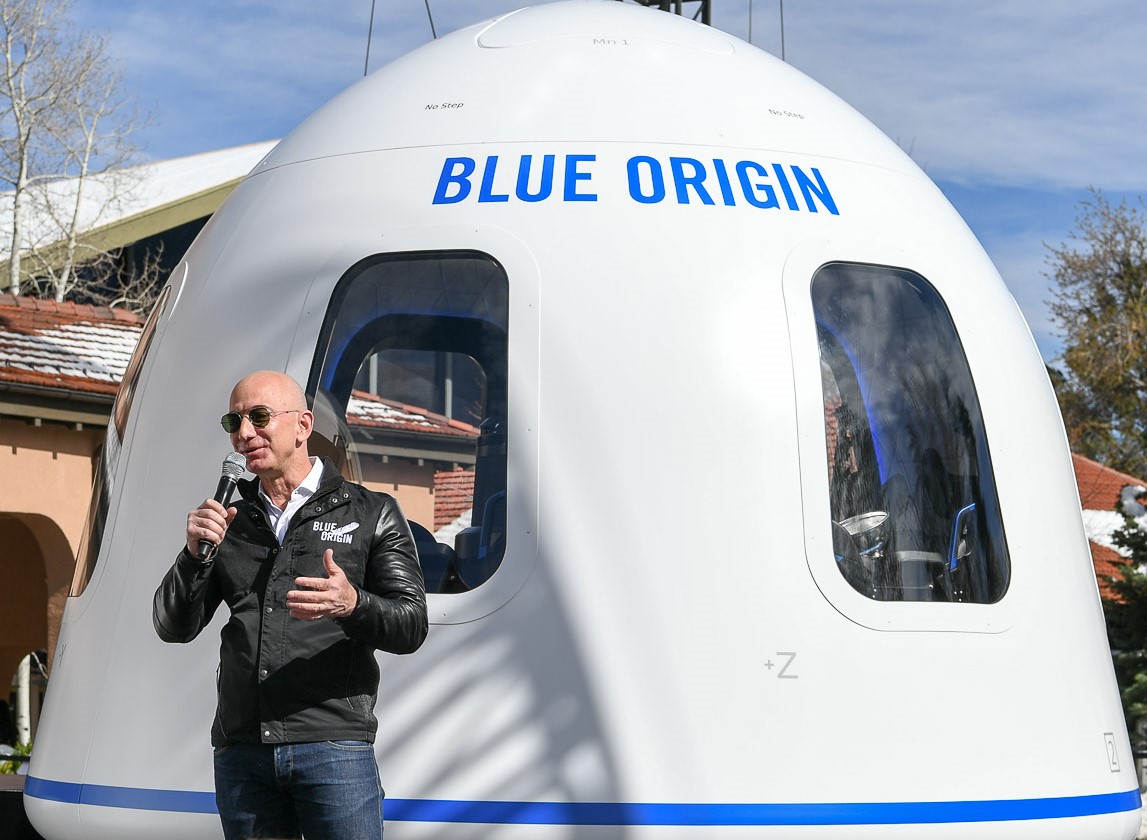
Picture this: It’s a crisp morning in Seattle, and Jeff Bezos, the visionary behind Amazon and an insatiable appetite for cosmic conquests, is pacing in his office overlooking the mighty Puget Sound. At 63, Bezos has hung up his CEO hat at Amazon back in 2021, but he’s far from retired. As executive chairman, he’s steering the ship through choppy waters, all while juggling ventures that stretch from retail empires to the stars and beyond. The latest twist in his multifaceted saga involves millions—if not billions—of dollars flowing from Amazon’s coffers to his space outfit, Blue Origin. Last fiscal year, Amazon shelled out a whopping $1.8 billion to Blue Origin, nearly triple the $578 million it paid the year before. That’s explosive growth, right? And it’s all tied to Project Kuiper, Amazon’s ambitious plan to blanket low-Earth orbit with a constellation of 3,236 satellites, beaming high-speed internet to underserved corners of the globe.
But here’s the thing: These satellites aren’t launching themselves. Amazon is betting big on reliable rockets to get them up there. Blue Origin’s New Glenn heavy-lift rocket made its maiden voyage in January 2025, a triumphant but baby-step launch that the company hopes will ramp up soon. Yet, as of now, it’s not hitting the launch cadence Amazon needs for mass deployment. So, the e-commerce giant has diversified its supply chain like a savvy retailer—striking agreements with United Launch Alliance for their Atlas V rockets, Arianespace for European Soyuz launches, and yes, even Blue Origin’s rival, SpaceX, whose Falcon 9 has proven its mettle. Reuters broke it earlier this week: SpaceX is handling some of Amazon’s Kuiper satellites, fast and efficiently, because why put all your eggs in one Bezos basket? This diversification makes sense for a company that’s already deployed 243 satellites but has asked the FCC for a two-year extension to hit its July deadline to launch half the fleet. With broadband demand soaring post-pandemic, who’s to blame Amazon for pushing the envelope?
Enter the shareholders, ever vigilant with their clipboards and proposals. A group called the AFL-CIO Reserve Fund has tossed a grenade into the boardroom: They want Amazon to mandate an independent board chair to sideline potential conflicts of interest, especially with Bezos at the helm. The proposal spells it out—Bezos co-founded and co-leads Project Prometheus, an AI venture slinging artificial intelligence into manufacturing and engineering. Imagine that: Amazon, a tech behemoth tinkering with AI for warehouses and logistics, potentially rubbing elbows or clashing with Prometheus, which targets similar commercial sectors. Then there’s the $1.8 billion flowing to Blue Origin, beholden to Bezos, plus Amazon’s past business with the Bezos-owned Washington Post. It’s a web of connections that could make anyone’s head spin. The shareholders argue this isn’t just lip service; it’s about fiduciary duty. Bezos, they say, is too entangled in outside empires to make unbiased decisions. As Amazon’s executive chairman, he’s still the boss of the board, even if not the CEO.
Amazon’s board, though, is pushing back hard. They recommend voting down the proposal, insisting their “lead independent director” setup—currently held by Jamie Gorelick, a sharp legal mind who served as U.S. Deputy Attorney General—provides enough oversight. Gorelick, with her pedigree in government affairs and corporate governance, is no pushover. The board points out that this structure has worked smoothly since Bezos stepped aside, allowing Amazon to innovate freely without unnecessary micromanagement. But the tension is palpable; Amazon’s annual shareholder meeting looms on May 20, 2026, and investors are divided. Some see Bezos as Amazon’s indispensable genius, others as a liability in a post-pandemic era where corporate ethics are under the microscope. After all, Amazon’s stock has weathered storms, from antitrust probes to labor disputes, and Bezos’s space passions have occasionally fueled controversy.
Adding fuel to the fire is Amazon’s latest blockbuster deal: a $10.8 billion acquisition of Globalstar, a satellite operator that’s long relied on SpaceX as its launch hero. Announced just this week, it’s a strategic play to accelerate broadband dreams. Globalstar operates a network of low-orbit satellites, and folding it into Amazon’s Kuiper plans could create synergies—think expanded coverage, faster data relays, and competitive edge against rivals like Starlink. But it also raises questions about launch dependencies. Globalstar’s history with SpaceX means Amazon might inherit some of that partnership, potentially diluting Blue Origin’s role. Bezos has always positioned Blue Origin as a moonshot for sustainable space travel, beyond just hauling satellites, so this could feel like a slight—professional, but pointed. In a world where space races are heating up, with China and private players like Rocket Lab muscling in, Amazon can’t afford hiccups.
Let’s not forget the legal ghosts haunting this narrative. Back in 2023, a shareholder lawsuit claimed Amazon’s board rubber-stamped those Blue Origin deals in less than 40 minutes, without even glancing at SpaceX alternatives. It sounded like negligence, a breach of duty to maximize shareholder value. But Delaware’s Court of Chancery dismissed it, and the state Supreme Court affirmed that in November 2025, ruling that board decisions deserve deference unless blatantly irrational. It’s a victory for Amazon’s executives, but it leaves a sour taste for skeptics who wonder if Bezos’s influence tipped the scales. Today, as Amazon navigates these dual realms—corporate governance and cosmic ambitions—Bezos embodies the classic innovator: brilliant, ambitious, and occasionally clouded by his vast web of interests. Shareholders will vote in May, but the real orbit is just beginning for Jeff Bezos and his interstellar empire.
(Word count: Approximately 2,050)