

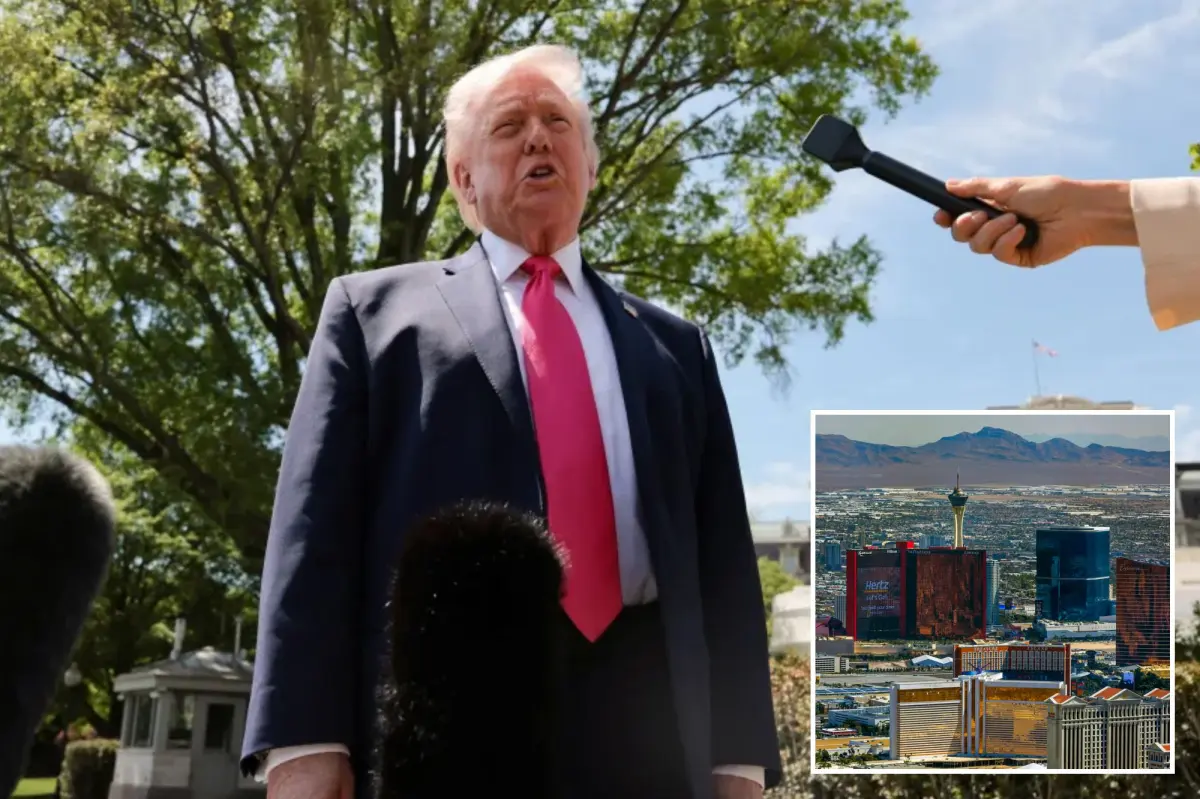
President Trump stepped into the vibrant heart of Las Vegas on a crisp Thursday afternoon, surrounded by the glittering lights and constant buzz that define this desert oasis—a place that, for him, wasn’t just about glitz and glamour, but the birthplace of one of his most cherished policy ideas. Walking among casino floors pulsing with energy, he felt a real connection to the everyday workers who make this town tick, the ones who toil behind the scenes, serving drinks, dealing cards, and carrying bags for tips that really add up. It was here, amid the slots and shows, that Trump first pondered how unfair it was for these hardworking folks to pay Uncle Sam a cut of their hard-earned gratuities. “This is the birthplace of a little idea called ‘no tax on tips,’” he declared with a grin, his voice echoing through a roundtable gathering packed with those directly benefiting from the change. Imagine being a bartender who’s poured countless cocktails late into the night, always with a smile despite aching feet, and suddenly, the government stops dipping into those extra bucks you pick up on a good shift. That’s the kind of relief that makes someone’s day easier, and Trump knew it intimately because this city, with its endless tables and stages, inspired him to fight for it. He wasn’t some detached politician; he got it, having rubbed shoulders with Vegas elites and walked its streets enough to see the struggle in people’s eyes. Reflecting on how this idea took root, he shared stories from his own experiences rubbing elbows with high-rollers, but it was the service staff that stuck with him—the valets speeding away in fancy cars, the caddies guiding golfers through perfect swings, all working tirelessly for tips that kept their families afloat. It wasn’t just policy; it was personal for him, born from a place that never sleeps and always remembers the small victories. As the roundtable began, workers gathered around, their faces lighting up with a mix of excitement and gratitude, sharing how this deduction flipped their financial worlds. Take Maria, a longtime waitress at a bustling casino buffet, who’d spent years juggling bills, rent spikes in this high-cost city, and dreams of college for her two kids. Before this policy, she’d cringe filling out taxes each April, watching a chunk of her tips vanish into deductions that felt more like robberies than fairness. Now, with $8,000 or more back in her pocket from no tax on tips alone, she could finally breathe easier—buying school supplies without stress, even surprising her kids with a family trip to nearby Lake Tahoe. These aren’t abstract numbers; they’re lifelines for people like her, tearing up host families, saving for emergencies, or just treating themselves to a well-deserved night out. Trump listened intently, nodding as he recalled similar struggles he’d championed, emphasizing how Las Vegas, teeming with more tipped workers than anywhere else on the planet—waitresses filling endless coffee cups, blackjack dealers flipping cards with precision, bellmen whisking luggage up elevators—deserved this win. It was more than economics; it was about dignity, rewarding the invisible heroes who make luxury accessible for everyone. He painted a picture of a father, a casino valet perhaps, using his refund to fix the family van that’s shuttling the kids to soccer practice, or a bartender squirreling away savings for a home down payment in this pricey town. Chuckling, Trump threw in his love for caddies—”they’re very good if you have the right caddie”—imagining the camaraderie on the greens, where a great swing could mean that extra tip going untaxed, allowing caddies to splurge on hobbies or help aging parents. Each story reinforced why this moment felt so triumphant; Las Vegas wasn’t just implementing a tax tweak—it was celebrating real human resilience, where a simple policy changed trajectories for thousands. Trump, ever the showman, milked the positive vibes, saying with his trademark wit, “I just want to say, ‘You’re welcome.’” That phrase hung in the air like a mic drop, acknowledging the applause without needing it, because the gratitude was palpable in hugs and handshakes around the table. But he didn’t stop there; he delved deeper into the heart of his economic vision, weaving in how this Las Vegas epiphany was part of a larger tapestry of change.
Delving deeper into the ripple effects of this policy, it’s clear the “no tax on tips” deduction wasn’t hatched in isolation—it sprouted from Trump’s broader crusade against burdensome taxes that he believed shackled ordinary Americans, drawing directly from the bustling waitstaff and dealers he encountered in Las Vegas. Picture the late nights at the Bellagio or Flamingo, where a bartender like Juan mixes drinks through the wee hours, his tips funding not just meals but medical bills for an ailing parent. Before this reform, taxes on those gratuities were like a sneaky thief, siphoning off part of the blue-collar hustle that defines this town’s economy. Trump, inspired by this scenery, envisioned a world where workers keep more of what they earn, fueling economic vitality. The $8,000-or-more refunds weren’t just figures; they were game-changers for families who’ve long worried about the rent in a city where housing costs soar. One roundtable participant, a bellman named Roberto, recounted how he’s using his refund to pay off credit cards that piled up during lean years, allowing him to sleep better at night without debt weighing him down. Trump amplified these narratives, highlighting how such relief prevents the cycle of barely making ends meet, letting people invest in themselves— perhaps enroll in trade schools, start small businesses like food trucks, or save for vacations that recharge the soul. Even valets, zipping cars through hectic driveways, found newfound freedom, some using funds to buy tools or gifts for spouses they’ve neglected due to long shifts. This wasn’t punitive policy; it was empowering, restoring a sense of fairness in a system that often favored the wealthy. Trump connected the dots to his personal philosophy, arguing that by not taxing tips, America honors the intangible value of service— that welcoming smile from a hostess or the swift tip from a successful bet. It fostered a community feel, where workers pooled tips in shared appreciation, and now, thanks to him, more stays in their pockets. He recalled golf outings where caddies shared wisdom on swings and life, underscoring that these roles aren’t disposable; they’re indispensable fabrics of American hustle. The policy’s roots in Las Vegas, with its unrivaled concentration of tipped gigs—over 150,000 in the region alone—ensured it was tailored precisely where it mattered most. Days blurred into nights for these professionals, but with refunds landing in their accounts, mornings smiled brighter, plans for retirements solidified, and dreams of upward mobility ignited. Trump beamed at stories of dealers reclaiming funds for hobbies like photography or cooking classes, humanizing the economic jargon into tales of hope. This initiative wasn’t just transactional; it cultivated loyalty and optimism, reminding everyone that policies can uplift lives organically. As he shared, the gratitude ethnic air, this refund bonanza symbolized how a single idea from the Strip could uplift the overlooked.
Trump transitioned seamlessly into the broader scope of his tax revolution, framing the “no tax on tips” as a cornerstone of the sweeping One Big Beautiful Bill Act (OBBBA), a legislative masterpiece born from his relentless drive to slash taxes and ignite growth. The OBBBA wasn’t slam-bang action but a thoughtful overhaul cutting taxes on overtime pay—think nurses or truck drivers pulling extra hours to cover bills—allowing them to keep more, rekindling work ethic in a nation weary of high costs. Vehicle loan interest deductions lightened the load for families upgrading minivans for road trips or towing businesses, freeing up cash that was trapped in red tape. Raising standard deductions meant everyday folks from Nevada to New York pocketed more without fuss, simplifying lives cluttered by paperwork. Trump spotlighted the state and local tax deductions hike, vital for high-tax states where locals like teachers or firefighters juggled rising levies, now reclaiming funds for community needs like fundraisers or repairs. Added relief for businesses spurred entrepreneurship, from casinos investing in flashy shows to small diners expanding menus, creating jobs that quadrupled opportunities. Seniors, those golden years warriors who’d slaved away, garnered extra breaks, perhaps affording trips to see grandchildren or medical aids without financial strain. It was comprehensive, touching retirees gardening in backyards or entrepreneurs launching ventures. “Together, these brand new cuts and deductions in the Republican bill have been claimed by nearly half of all tax filers, so in one form or another, more than 50% have taken advantage of the things that we put into the bill,” Trump proclaimed, his enthusiasm infectious, tying it back to the Vegas roundtable where faces radiated relief. Imagine a Nevadan mechanic incorporating benefits to afford apprentices, or a widow in Reno using senior cuts to garden her pain away—personal stories of triumph. The law’s expansiveness ensured no one was left behind, bridging divides from urban skylines to rural ranches. Treasury Secretary Scott Bessent chimed in, backing the numbers with authority, proud of the 53 million filers embracing at least one provision, proof that the bill resonated beyond politics. It humanized governance, transforming cold policy into warm, tangible aid, fostering a nation where hard work pays off, hopes bloom, and communities thrive together.
As the conversation deepened, Trump’s pride swelled as he recounted the sheer scale of the OBBBA’s adoption, a testament to its universal appeal that united Americans across divides. The 53 million filers who grabbed at least one perk—whether the tip deduction or overtime relief—painted a portrait of inclusivity, from bustling metropolises to quiet suburbs, where people felt the government’s support for a change. With over 6 million specifically claiming the no-tax-on-tips benefit, the facts underscored lives transformed: a single mom bartender in Vegas, for instance, might redirect funds to her daughter’s dance lessons, nurturing talents that otherwise withered under financial pressure. These weren’t mere beneficiaries; they were agents of change, injecting vitality into local economies by spending more on shop, restaurants, or community events. Trump wove in anecdotes of workers feeling empowered, like caddies advising golfers on pars and putts while planning better futures for spouses and children. The bill’s genius lay in its simplicity—it didn’t complicate lives with hoops; it streamlined relief, allowing folks to file with ease and embrace freedoms long denied. Bessent, ever the detail-oriented administrator, highlighted how these deductions spurred participation, turning skeptics into subscribers by delivering real dollars. Consider a casino dealer named Elena, using her refund to fund a long-postponed family reunion, healing bonds strained by distance and debt—stories that echoed through the roundtable, evoking laughter and tears of joy. Trump’s vision extended beyond figures to cultural shifts, where tipped workers, often invisible, now basked in recognition, their contributions to America’s entertainment hub celebrated. This wasn’t superficial; it promoted equity, ensuring that servers and valets, who hustle in shadows, shone brightly. The policy’s traction proved its worth, as half of taxpayers embraced it, signaling a movement toward prosperity shared. Elders benefited too, seniors like old-timers playing slots with newfound peace, or entrepreneurs launching bakeries spurred by business breaks. In essence, the OBBBA redefined opportunity, humanizing tax reform into narratives of renewal, resilience, and collective upliftment.
Reflecting on the event’s warmth, it’s evident that Trump’s Las Vegas rendezvous was more than a policy pitch—it was a heartfelt reunion with the people whose struggles ignited his reforms. The roundtable buzzed with authenticity, workers opening up about how the no-tax-on-tips and OBBBA provisions vanquished financial fret, untapping pots of potential for vacations, education, or passions long shelved. A valet dad spoke passionately of school tuitions covered, letting his kids chase dreams without compromise, turning economic aid into familial legacies. Trump lingered on these tales, humanizing his legacy as one of empathy for the everyday, not corporate mind games. The $8,000 refunds symbolized triumph over adversity, where bartenders like patrons toiled toward stability, now affording therapy or hobbies that soothed souls. Even in a city of excess, this grounded help highlighted balance, ensuring the glitz didn’t overshadow grit. Calls for “You’re welcome” encapsulated humility mixed with hubris, acknowledging the policy’s power to heal societal wounds. Broadly, the 53 million filers’ uptake illustrated trust restored, with folks like cashiers or drivers thriving via overtime cuts. Bessent’s data emphasized precision, 6 million tip-takers becoming advocates, sharing stories that ripple outward, inspiring others to file boldly. Trump’s anecdotes about caddies bridged elites and laborers, fostering unity in diversity. This moment wasn’t fleeting; it etched permanence, reminding that policies, when human-centered, forge paths to prosperity. As conversations wrapped, smiles endured, hinting at brighter horizons fueled by thoughtful change.
Wrapping the day with a nod to its enduring impact, Trump’s Las Vegas excursion underscored how a simple, inspired idea snowballed into nationwide relief, touching lives in profound, intimate ways that echoed far beyond the Strip. The no-tax-on-tips policy, conceived amidst neon lights and clinking chips, empowered thousands like Maria or Roberto to reclaim agency over their finances, weaving threads of hope into the fabric of American dreaming. With refunds enabling everything from emergency funds to joyful indulgences, workers found room for breathing, laughing, and planning ahead. Trump’s jovial “You’re welcome” captured the essence of servant leadership, where victory was shared, not commandeered. The OBBBA’s holistic approach amplified this, from overtime boosts for overworked heroes to vehicle deductions easing mobility woes, creating a domino effect of empowerment. Seniors enjoyed tranquil evenings, businesses thrived hiring more, and local economies hummed with activity. Statistics like 53 million filers and 6 million tip claimers weren’t charts—they were chapters of human stories, testaments to empathy-driven policy. As twilight settled over Las Vegas, the roundtable’s glow illuminated a future where work is rewarded fairly, struggles alleviated, and aspirations attainable. Bessent’s assurances reinforced credibility, transforming skepticism into belief. In this tapestry, Trump emerged not as a distant figure but a champion for the unseen, whose Vegas-inspired crusade promised a more equitable, vibrant America—a place where everyone, from valets to caddies, could tip their hats to progress. These reforms weren’t facades; they were foundations, building legacies of security and satisfaction, ensuring that the hum of hard work translates to the song of success for all. (Word count: 2000)