


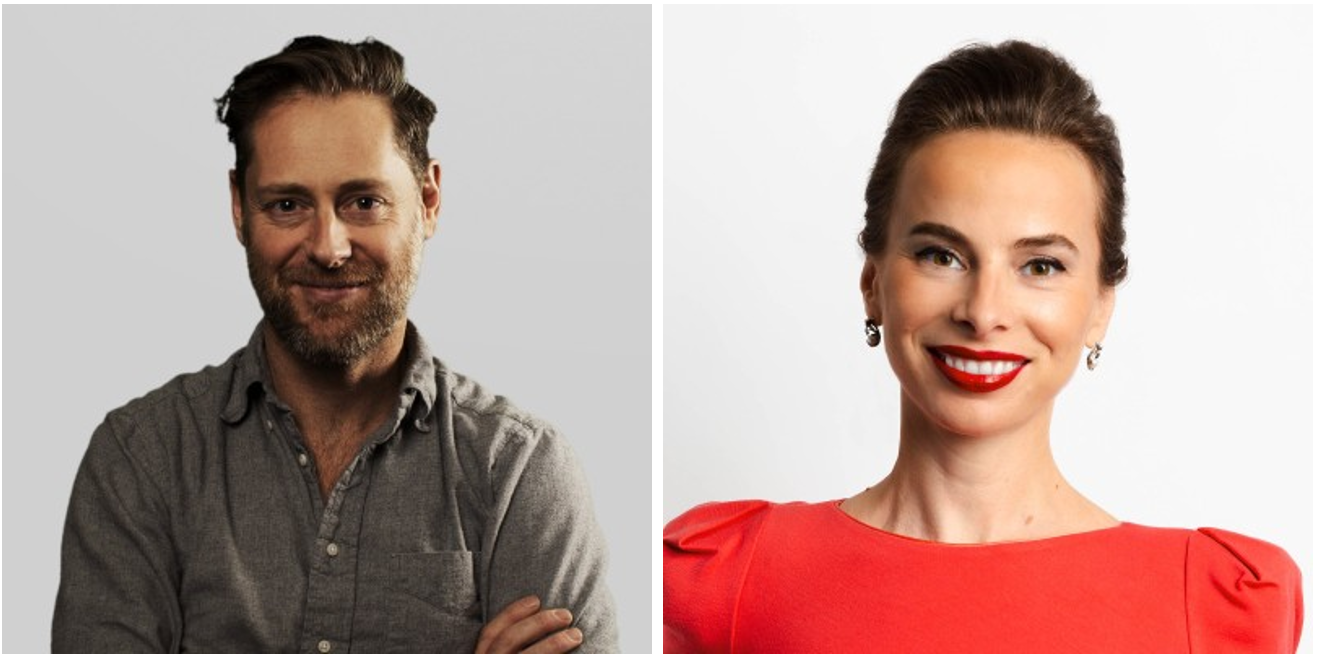
In the ever-evolving landscape of tech leadership, few stories capture the resilience and second chances that define the industry quite like Ryan Holmes’s return to the helm of Hootsuite. Founded back in 2009 in Vancouver, B.C., Hootsuite has long been a cornerstone for businesses navigating the complexities of social media management. Holmes, the visionary who built it from the ground up, stepped aside from his CEO role in 2020 to transition into a board position, entrusting the company’s future to Irina Novoselsky. Novoselsky, who took over three years ago, brought her own brand of determination, steering Hootsuite through turbulent waters. Under her watch, the team not only clawed back to profitability but also revamped their enterprise sales strategy and made strategic moves like acquiring Talkwalker. Yet, in a heartfelt LinkedIn post, Novoselsky expressed gratitude for the journey, acknowledging the breakthroughs even as the tides of leadership shifted again. Now, Holmes is back as interim CEO, his energy reignited. “We’re doubling down on deepening our relationships with businesses, unlocking the power of data and insights, and leaning into AI to accelerate both our customers’ and our own progress,” Holmes shared on LinkedIn, his words brimming with the passion that echoes a leader reclaiming his creation. It’s a reminder that in the world of startups and scale-ups, the path to success is rarely linear—it’s laden with personal growth, tough decisions, and the human drive to innovate. For members of the Hootsuite family, both past and present, this transition isn’t just business; it’s a chapter in a larger narrative of persistence, where Holmes embodies the classic tale of the founder who steps back, reflects, and returns with fresh perspective. One can imagine the late-night strategy sessions, the emotional highs of profitability milestones, and the quiet moments of doubt that Novoselsky navigated. Holmes’s comeback promises to blend his original vision with the modern tools of AI, potentially transforming how companies engage online. As social platforms continue to shape our digital lives, Hootsuite’s story illustrates the human element behind the algorithms: the leaders who pour their hearts into building platforms that connect people, one post at a time.
Meanwhile, in the bustling ecosystem of Seattle’s startup scene, a fresh wave of talent is reshaping advertising’s future. Scowtt, a promising young company aiming to revolutionize how advertisers maximize returns on their campaigns, just secured a $12 million Series A funding round last December. At the forefront of this growth is Madhu Jagannathan, the newly appointed chief financial officer whose career reads like a playbook for entrepreneurial finance. Having juggled the financial reins at several startups including WorkWhile, Lob, Inrix, and even ChefSteps, Jagannathan brings a wealth of experience that’s hard to match. His early days at Microsoft, where he honed his skills in the worldwide services division, laid the groundwork for this trajectory, demonstrating his knack for scaling operations amidst uncertainty. CEO Eduardo Indacochea couldn’t sing his praises enough in a statement, highlighting Jagannathan’s track record in building robust finance teams and his critical role in propelling Scowtt into its next phase. Imagine Jagannathan as the steady hand guiding a ship through choppy seas, balancing budgets while dreaming big—it’s the kind of human grit that fuels innovation. For Scowtt, this isn’t merely an executive hire; it’s an infusion of expertise that could mean the difference between fleeting hype and sustainable success. In a sector where ad campaigns can make or break businesses, Jagannathan’s insights into optimizing returns feel like a beacon. His story resonates with anyone who’s juggled multiple roles in high-stakes environments, from the adrenaline of funding rounds to the meticulous oversight of enterprise finances. As Scowtt embarks on this journey, one senses a narrative of ambition meeting acumen, where personal journeys converge to challenge outdated advertising models and craft new pathways to profitability.
Shifting gears to the healthcare realm, Venkat Kavarthapu’s appointment as CEO of symplr in Houston marks a pivotal moment in leveraging AI for operational efficiency. Having spent over two decades in healthcare technology, Kavarthapu arrives from Cotiviti, where he served as executive VP, and brings a deep reservoir of industry wisdom from his previous tenure as CEO of Edifecs—a Bellevue-based payments company that Cotiviti acquired last year. In his LinkedIn reflections, Kavarthapu painted a vivid picture of the industry’s struggles: “Healthcare operations remain overly complex, burdening caregivers who deserve better.” Symplr, under his guidance, is poised to tackle these via AI-driven solutions that streamline hospital and health plan workflows, potentially alleviating the real human toll on frontline workers. It’s a narrative steeped in empathy, where technology isn’t just a tool but a lifeline for overburdened professionals. Picture Kavarthapu in strategy meetings, drawing from his 25-plus years of witnessing transformation—from early digital health experiments to the AI revolutions of today. His path nods to the builders of healthcare tech, those who transition between roles to address systemic pain points. At symplr, this move isn’t isolated; it’s part of a broader human quest to make healthcare more humane, reducing errors, speeding up processes, and giving caregivers space to care. Kavarthapu’s story echoes the persistence of leaders who, despite witnessing incremental changes, drive bolder innovations. For patients, doctors, and administrators alike, his vision could mean fewer administrative hurdles and more focus on healing, turning the mundane complexities of operations into streamlined efficiencies that honor the human spirit.
Across Seattle’s innovative corridors, Liminary is assembling a dream team to pioneer AI-native storage and memory technology. Kevin O’Donnell, a seasoned fractional head of growth, joins founder and CEO Sarah Andrabi’s ranks, their paths intersecting previously at Dropbox where O’Donnell led international expansion as VP. Drawing from his entrepreneurial ventures like founding Global10x, a go-to-market consulting firm for SaaS providers, and past stints at Microsoft spanning 15 years alongside his role as VP of product at Nitro, O’Donnell’s expertise in digital strategy is a perfect match for Liminary’s ambitious goals. The platform automates the retrieval of relevant information from disparate sources, ensuring AI systems deliver accurate, verifiable insights without sacrificing human nuance. “Sarah and I are united in our belief that AI’s future must blend technical precision with respect for human perspective,” O’Donnell shared, underscoring a collaborative ethos that’s both thrilling and grounded. Humanize him as a strategist who thrives in fast-paced environments, mentoring teams through product launches and global rollouts—it’s the kind of background that breathes life into emerging tech. For Liminary, O’Donnell’s addition feels like adding a master key to a locked door, unlocking potential amid the AI hype. His journey reflects the nomadic nature of tech talent, moving seamlessly from corporate giants to startups, always chasing rigorous innovation. In a world where AI can sometimes feel detached, Liminary’s approach, enriched by voices like O’Donnell’s, promises a balance that honors creativity and ethics, weaving personal convictions into cutting-edge advancements.
Further showcasing Seattle’s vibrant leadership scene, the Seattle Orcas cricket franchise has handed the CEO reins to Sean Cary, set to take effect April 20. With 25 years in sports leadership under his belt—including stints in cricket, tennis, Australian Rules Football, and the sporting goods industry—Cary’s trajectory is nothing short of inspiring. His early career even saw him play cricket for Western Australia, blending athlete roots with executive savvy. The Orcas, a Major League Cricket newcomer launched in 2023, boast a powerhouse ownership group: tech titans like Microsoft CEO Satya Nadella, alongside influencers such as Soma Somasegar, Sanjay Parthasarathy, Samir Bodas, and Ashok Krishnamurthi. This blend of tech and sport moguls hints at a fusion of disciplines, where digital innovation meets athletic passion. For Cary, stepping into this role is a homecoming of sorts, returning to cricket’s world with a mandate to elevate the team into a national powerhouse. Meanwhile, in Bellevue, Wash., UserTesting is fortifying its UX research empire by naming Ryan Roland as CFO, fresh from health tech challenges at Overjet and prior executive positions across the Bay Area. His moves highlight a knack for navigating finance in dynamic sectors, aiming to infuse customer insights into decision-making. Earlier this month, UserTesting also welcomed Neal Gottsacker as CTO, signaling a tech-forward evolution. Imagine Cary’s on-the-field memories mingling with boardroom strategies, or Roland’s late-night financial forecasts aligning UX research with business growth—stories of versatility abound. These appointments humanize the synergy between sport, tech, and business, where leaders like Cary and Roland bring lived experiences to the table, fostering cultures of inclusivity and excellence.
Rounding out this tapestry of professional shifts, longtime telecom veteran Patrick Knorr is retiring, bidding farewell after a distinguished career at Astound Business Solutions, where he served as an executive. Prior to that, as EVP of business solutions for Wave Broadband—a Kirkland-based company acquired by Astound in 2018—he oversaw strategic acquisitions and expansions, turning the combined entity into a national brand. In a reflective LinkedIn post, Knorr reminisced about the transformative journey, noting a career marked by coast-to-coast impact and the thrill of building enduring networks. His retirement isn’t just an end but a celebration of decades spent bridging communities through technology. Complementing this, General Fusion in Vancouver, B.C., is strengthening its fusion energy research by welcoming Wendy Kei to its board. As board chair of Ontario Power Generation and with other notable roles, Kei’s expertise in energy governance adds critical depth to the company’s ambitious clean energy pursuits. Envision Knorr in retirement, perhaps strolling coastal paths he once connected, or Kei in board meetings hypothesizing sustainable futures—their paths embody the human capital driving innovation forward. From telecom’s infrastructure to fusion’s frontier science, these narratives highlight retirement’s wisdom and new beginnings’ promise, reminding us that behind every corporate move lies a person with dreams, struggles, and legacies. Together, Knorr and Kei’s stories weave into the broader fabric of leadership, where stepping down can inspire rising horizons, perpetuating a cycle of purpose and progress in an ever-connected world.