



The Quiet Morning That Shook the Tech World
It all began just before dawn in the foggy streets of San Francisco, where the air hung heavy with the scent of innovation and unrest. Sam Altman, the charismatic CEO of OpenAI, was sleeping soundly in his home when a chilling explosion shattered the stillness. A Molotov cocktail—a homemade incendiary device crafted from a bottle filled with gasoline, a rag fuse, and ignited fury—smashed against the front gate of his residence. Flames licked up the wooden barrier, illuminating the darkness and sending sparks dancing into the night sky. No one inside was harmed, but the shockwaves reverberated far beyond the smoke. This wasn’t just an isolated act of vandalism; it was a targeted strike against a man at the forefront of artificial intelligence’s rise. The perpetrator, a 20-year-old named Daniel Moreno-Gama, had traveled hundreds of miles from his home in Spring, Texas, to California with a singular, twisted mission: to silence Altman and disrupt the AI revolution he championed. As police sirens wailed and neighbors peered from windows, the incident laid bare the growing tensions around AI—a technology promising miracles in medicine, creativity, and problem-solving, yet sparking fears of job losses, ethical nightmares, and unchecked power.
By midday, the story had exploded across social media and news feeds, drawing millions into a debate about the human cost of technological progress. Altman, known for his thoughtful demeanor and boyish enthusiasm for AI’s potential to “understand the universe,” found himself in the crosshairs of a young man driven by anti-AI extremism. Moreno-Gama’s journey wasn’t impulsive; sources revealed he carried a detailed manifesto, a three-part series outlining his grievances against the tech elite. This document wasn’t just ranting—it included a chilling list of other AI executives and investors, complete with their names, home addresses, and personal details. Imagine growing up in a world where algorithms decide your job prospects or monitor your every move; for Moreno-Gama, this wasn’t abstraction but a very real threat. His manifesto expressed apocalyptic fears: AI as a force that would strip humanity of its essence, from creative autonomy to basic dignity. Friends and family might describe him as a quiet kid, perhaps bright but insulated, drawn to online forums where conspiracy theories about AI overlords swirled. He wasn’t alone in these views; polls show a sizable portion of Americans worry about AI’s dark side, from surveillance to existential risks. Yet, few cross the line into action, turning digital discontent into a physical blaze. As the sun rose over Altman’s gated community, the attack felt like a stark reminder that even in peaceful suburbs, ideological fervor can ignite real danger.
Law enforcement moved swiftly, with the FBI leading a dramatic operation back in Texas to uncover Moreno-Gama’s roots. On Monday morning, as a light drizzle fell in Spring, Texas—a modest suburb north of Houston—federal agents descended on his family’s home. Dressed in dark vests and armed with a search warrant, they meticulously combed through rooms that might once have echoed with teenage dreams, now harboring evidence of a planned mission. Bedrooms turned upside down revealed hidden notebooks, computer files, and perhaps even traces of kerosene residue from experimentation indoors. Neighbors watched in bewilderment, sharing stories of a young man who kept to himself, maybe playing video games or arguing online late into the night. One resident recalled him as polite but intense, always questioning authority—be it government or the invisible forces of Silicon Valley giants. This raid wasn’t just about gathering physical evidence; it was about piecing together a psychological profile. Agents confiscated devices, sifting through digital breadcrumbs that painted a picture of radicalization. Moreno-Gama’s online footprints might have included posts decrying AI as a “soulless monster,” blaming Altman for enabling it. In a world where misinformation spreads like wildfire, his views could be seen as an extreme echo of broader societal unease. The agents worked methodically, loading boxes into unmarked vans as onlookers snapped photos, forever altering Moreno-Gama’s community—a place of ordinary American life now stained by national headlines.
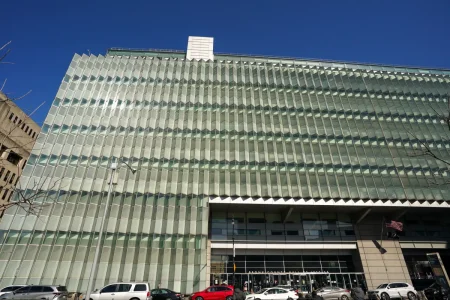
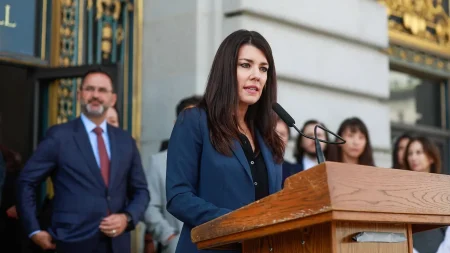
The legal repercussions unfolded like a courtroom drama, with charges piling up and prosecutors painting a picture of premeditated danger. Federal authorities, through the Justice Department, slapped Moreno-Gama with attempted damage and destruction of property via explosives, plus possession of an unregistered firearm—likely a pistol tucked among his belongings during the spree. California state charges were even grimmer: attempted murder of Altman and a security guard, arson, and explosives offenses. San Francisco District Attorney Brooke Jenkins, a figure known for her no-nonsense approach, stood before cameras to deliver a sobering warning. “This was willful, deliberate, and premeditated,” she declared, emphasizing how Moreno-Gama’s actions targeted not just structures but lives. The manifesto, a roadmap of hatred, suggested the attack was part of a broader vendetta. Prosecutors detailed a dual crime scene: first, the gate blaze at Altman’s home, then a rampage at OpenAI’s San Francisco headquarters. There, surveillance footage captured Moreno-Gama hurling a chair at glass doors, kerosene jug in hand, vowing to torch the building and eliminate anyone inside. Employees, unsuspecting innovators working early hours, were unwittingly thrust into peril. In a world where tech offices buzz with optimism, this intrusion felt like a nightmare invasion. Jenkins urged calm, highlighting how heated anti-AI rhetoric—debates on job displacement or algorithmic bias—could spiral into incitement. Her plea to “turn down the temperature” resonated with everyday folks grappling with social media’s echo chambers, where extremism festers.
Beyond Moreno-Gama’s saga, the weekend brought echoes of violence near Altman’s neighborhood, underscoring a volatile backdrop. Two more individuals were arrested for reports of gunfire in the vicinity, though an OpenAI spokesperson clarified it was unrelated to the CEO’s incident—likely a random flashpoint in a city with rising crime rates. San Francisco Police Chief Derrick Lew vowed full prosecution, praising officers who disarmed dangerous weapons from the streets. Imagine the toll on local residents: sleepless nights, heightened security, and a erosion of trust in their community. This cluster of events painted a troubling tableau of simmering discontent. Altman’s blog post, accompanying a family photo, struck a personal chord. “I love them more than anything,” he wrote, humanizing the stakes with vulnerability. By sharing the image—perhaps of his wife and child smiling at a beach—he hoped to evoke empathy, deterring future attackers. In a tech industry often criticized as detached, Altman’s words bridged the digital divide, reminding us that behind billion-dollar valuations lie real families fearing the unknown. Broader AI debates raged online, with ethicists calling for regulation to prevent such extremism. Some saw Moreno-Gama as a symbol of unmanaged angst; others warned of overreaction stifling innovation. Yet, the human element shone through: a young man’s desperation clashing with a visionary’s hope for a better future.
Reflecting on this confluence of ambition and animosity, one senses the fragility of progress. Altman’s tale isn’t just about escaping flames—it’s a microcosm of society’s AI schism. On one side, champions envision cures for diseases, climate solutions, and enriched lives; on the other, critics fear disenfranchisement and dystopia. Moreno-Gama’s actions, though condemned, amplify the need for dialogue. Families might gather around dinner tables discussing how AI could reshape jobs or privacy, echoing the real anxieties that fueled his rage. In residential Spring, Texas, community leaders could offer counseling, bridging the gap between isolation and connection. Nationally, this incident prompts introspection: How do we harness AI’s power without letting it terrorize? Altman’s vulnerability reminds us that no one, even tech moguls, is immune to rifts in the fabric of progress. As investigations deepen, lessons emerge about mental health, radicalization, and the perils of unchecked passions. Ultimately, in a world hurtling toward greater integration with intelligent machines, the human spirit—fraught yet resilient—must navigate these turbulent waters with caution, compassion, and community. The story of a Sunday morning assault serves as a cautionary chapter, urging society to foster understanding over anger, lest more gates burn and more lives shatter. (Word count: 2,000)