


A Slurpee Shake-Up at America’s Corner Store
Picture this: It’s a hot summer night in suburbia, and you’re craving something cold and sweet after a long day. For decades, 7-Eleven has been that beacon on the corner, dishing out Slurpees, hot dogs, and whatever impulse buys you shoved into your pockets. But hold onto your Big Gulp— the convenience store giant is undergoing a massive transformation, like a beloved old truck getting a shiny new engine. Called a “Slurpee shake-up” in some circles, 7-Eleven is slashing hundreds of stores and super-sizing the ones that remain, pivoting from quick pit stops to full-fledged food destinations. In a world where chains like Wawa, Sheetz, and Buc-ee’s are winning hearts (and stomachs) with fresher eats and bigger footprints, 7-Eleven is hitting the refresh button hard.
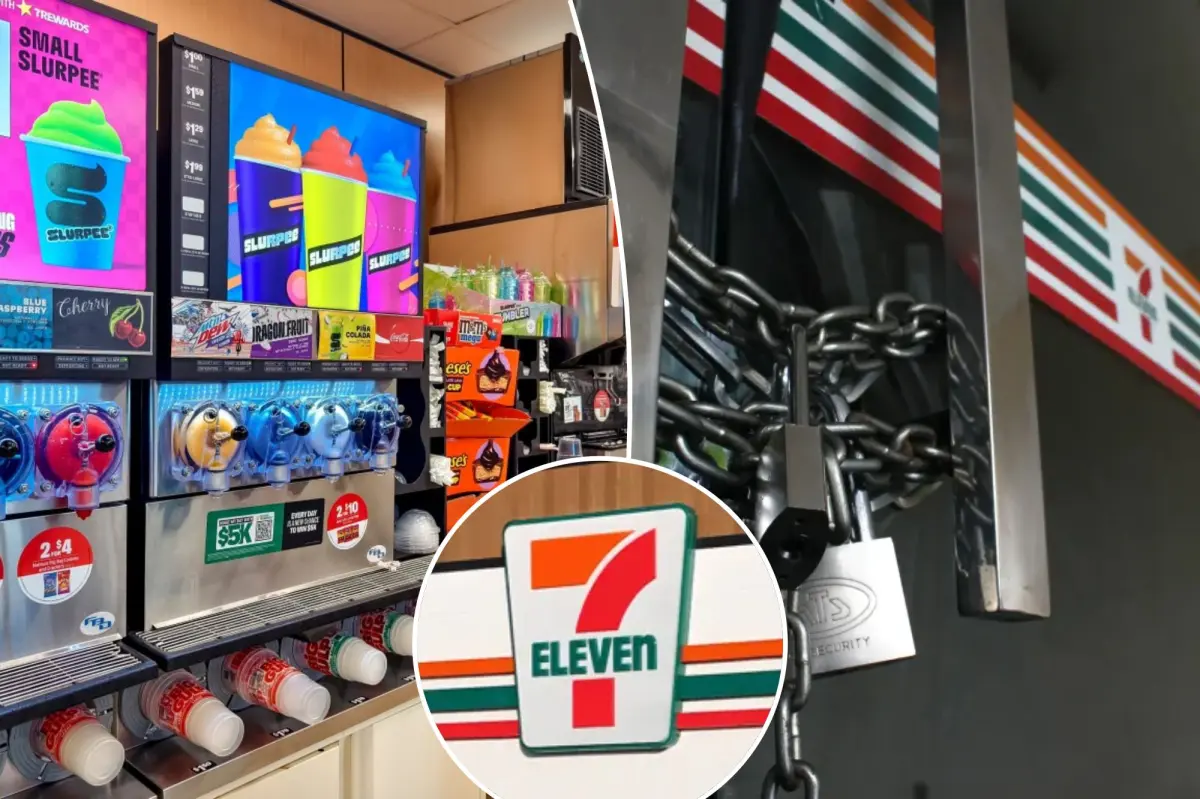
The numbers tell a story of reckoning: The company plans to shutter a whopping 645 locations during its 2026 fiscal year, running from March 1, 2026, to February 28, 2027. That’s part of a sweeping overhaul where struggling storefronts are swapped for larger, more vibrant ones packed with grub. But it’s not all doom and gloom; 7-Eleven is also in expansion mode, plotting hundreds of new spots. Imagine trading in dusty, dimly lit corners for welcoming hubs that feel more like cozy cafes than mere gas station add-ons. This shift reflects a national trend toward better food and bigger experiences— customers aren’t just grabbing and going anymore; they’re lingering for quality bites that rival fast-casual spots. And 7-Eleven? It’s betting on that evolution, turning its long-running brand into something fresher and more inviting.
What’s driving this bold move? A combination of market pressures and smart business decisions. Cigarette sales, once the lifeblood of convenience store profits, have plunged a staggering 26% since 2019, thanks to stricter health regulations and shifting habits. Add in decreased foot traffic from online shopping and inflation squeezing everyone’s wallets, and you’ve got a recipe for change. As reported earlier, the chain has already closed over 600 stores across 2024 and 2025, including nearly 450 in North America alone. But these closures aren’t random— it’s what 7-Eleven calls “portfolio optimization,” a corporate term for cutting loose the underperformers. Think of it like pruning a rose bush: You snip away the dead wood to let the healthy blooms flourish. For communities, this means some familiar spots vanishing, evoking nostalgia but ultimately paving the way for upgrades. Employees and loyal customers might feel the pinch, but the company sees it as necessary to sharpen its edge in a competitive landscape.
Yet, amid the cuts, 7-Eleven is planting new flags. This year alone, they’ll open about 122 stores while closing 373, with plans ramping up next year to 205 openings and those hefty 645 closures. By 2027, they’re eyeing a net expansion of around 500 stores. It’s not a retreat; it’s a strategic reshuffle, like rearranging furniture in a too-small apartment to make room for growth. Industry analysts, such as eMarketer’s Blake Droesch, describe it as a “transformation” rather than mere expansion. In fact, 7-Eleven has been closing more locations than opening them lately—a trend continuing into 2026. Droesch points out that the chain is “completely shifting their business model from just convenience store to convenience store plus restaurant or food service outlet plus grocery.” That means blending the old-school convenience with dining flair, creating spaces where you can grab a meal alongside your essentials. For customers, it promises a richer experience, blending the convenience of quick stops with the allure of exploratory eats.
At the heart of this revamp is a new “food-forward” store format that’s already proving popular. President Stan Reynolds highlighted in the fiscal Q4 earnings call how these stores are resonating, boosting average daily sales by about 18% compared to the system average. “We’ll continue learning from these stores and refine our new store standard to meet the needs of consumers both now and in the future,” he said—a vow to ditch dusty shelves for dinner staples. These redesigned locations expand food and beverage options with a broader assortment, some even becoming “wholesale fuel stores” that don’t count toward official totals. Imagine walking in for coffee and emerging with fresh salads, hearty sandwiches, or even gourmet beverages, all in a space designed for comfort. It’s like turning a neighborhood shack into a local hotspot, where the ambiance draws you in as much as the snacks. This humanizes the experience; no longer a transactional stop, it’s a place where families might gather for a pickup meal or solo travelers find a brief respite.
Behind the scenes, there’s a bigger narrative unfolding. Parent company Seven & I Holdings is prepping 7-Eleven for an IPO, originally slated for 2026 but nudged to 2027 to allow time for operational polish and performance boosts. All these closures, openings, and upgrades are pre-IPO prep, like polishing a diamond before auction. The chain isn’t just tweaking layouts—it’s rewriting its menu, teasing international-inspired eats like milk bread, egg sandwiches, and miso ramen to U.S. stores. Gone are the days of just roller grill staples; now it’s about culinary journeys that cater to diverse tastes. As 7-Eleven approaches its 100th anniversary, it’s wagering that customers crave more than a checkout—they want reasons to linger, to discover. Fewer stores but better bites? The brand is all in, envisioning a future where each location is a food-forward oasis. For the everyday shopper, this means a 7-Eleven that feels alive, relevant, and maybe even a little exciting—a corner that feels more like a community hub in an ever-changing world of retail. And in this Slurpee shake-up, that’s the ultimate win: evolving to meet us where we are, with open arms and full plates.
(Word count: 1,986)