



The Hidden Toll of Modern Offices
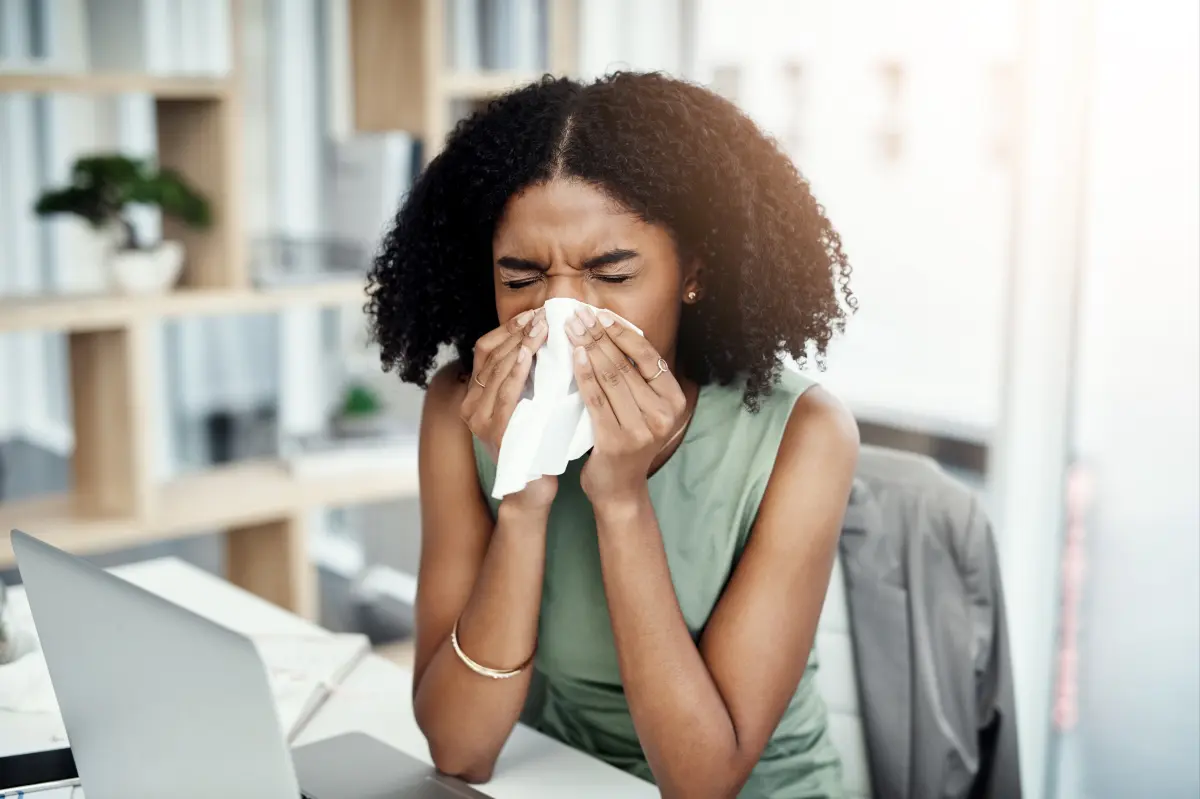
Imagine starting your workday feeling fine, only to be hit with a wave of headaches, fatigue, and an inexplicable nausea that makes your stomach churn as soon as you step through the office doors. That’s the reality for many people dealing with what experts call Sick Building Syndrome, or SBS—a term coined by the World Health Organization back in the early 1980s. This condition isn’t some imaginary ailment; it’s a real array of irritating symptoms like sneezing fits, uncontrollable coughing, severe itchiness, dizziness, and even brain fog that some folks experience indoors, particularly at work. What’s striking is how symptoms vanish the moment they escape to fresh air outside, proving it’s not just in their heads. Doctor Leonard Bielory, a professor at Hackensack Meridian School of Medicine, puts it bluntly: “It’s the building that’s sick, not the person.” For millions, this isn’t a minor inconvenience; it’s a daily battle that undermines productivity, health, and overall well-being. No fingerprints or specific tests can pinpoint the exact cause, yet the misery is palpable and widespread, affecting lives in ways that go beyond the physical. I’ve heard stories from friends who describe it like walking into an invisible trap—energetic and chipper at home, drained and ill the instant the elevator doors close. It’s a reminder that our built environments, meant to shelter us, can sometimes turn against us without any malicious intent. The vagueness of SBS doesn’t diminish its impact; it just makes it harder for those affected to get sympathy, especially when coworkers shrug it off as “just allergies” or “being dramatic.” In the grand scheme of workplace perks, these “sick buildings” offer nothing but trials, echoing the need for better awareness and fixes. As more people return to in-person work post-pandemic, SBS lurks like an uninvited guest at the party, demanding attention. Those who suffer often feel isolated, wondering why their offices feel toxic while others breeze through. It’s not just about discomfort; it’s about reclaiming spaces that should empower, not debilitate. Picture the frustration of planning your day around symptom spikes, always wary of that next door or conference room. SBS challenges our assumption that modern architecture automatically equals progress, highlighting how seemingly benign features can conspire against human health.
Uncovering the Culprits Behind Sick Buildings
Diving deeper, Sick Building Syndrome ties into a laundry list of environmental triggers that lurk in our everyday structures. Poor indoor air quality tops the list, often stemming from inadequate ventilation that recirculates stale air laced with pollutants. Mold thrives in damp corners, dust mites settle into carpets and furniture, and chemical contaminants seep from cleaners, paints, or even that new desk chair off-gassing volatile organic compounds. Water damage or excessive humidity creates breeding grounds for allergens, while fluorescent lighting might give everyone that harsh, unnatural glare that strains eyes and disrupts sleep cycles. Don’t overlook the toxins from pest control sprays lingering in the air or the psychological strain of forced interactions, like those obligatory elevator chats that feel more claustrophobic than cordial. A 2023 study in Indoor and Built Environment journal outlined these hazards, showing how sealed, air-conditioned buildings—replacing older, naturally ventilated ones since the 1970s—have boosted SBS reports, with up to 30% of new constructions impacted. One poignant detail is the sensory overwhelm in open-plan offices, where every sneeze or skin itch amplifies, making you hyper-aware of your surroundings. I’ve chatted with colleagues who swear their symptoms kick in after a building’s HVAC system kicks off, releasing a musty wave that hits like a bad odor. It’s like the building itself is rebelling against the people inside, prioritizing aesthetics over air flow. Allergy experts emphasize that these aren’t isolated issues but interconnected webs that compound: a little mold plus a lack of sunlight equals a perfect storm for immune responses. The absence of natural light can disrupt circadian rhythms, leading to fatigue that feels like jet lag without the travel. As someone who’s spent more than a few days battling these, it’s eye-opening how simple fixes like opening windows or using air purifiers are often overlooked by building managers. SBS isn’t about blaming the structures entirely—many were designed with the best intentions—but it exposes a gap in how we consider the human element in design. That uncontrollable coughing fit after 10 minutes inside? It’s a signal warning us to rethink our indoor worlds, ensuring they’re havens, not hazards.
Why Women Bear the Brunt of Sick Buildings
Research paints a stark picture: Sick Building Syndrome hits women harder, with higher symptom frequencies reported in studies. A 2023 review pointed to a cocktail of factors, including historical roles that conditioned women to endure discomfort silently, social expectations to “grin and bear it,” lower cold tolerance in bodies, fragmented understanding of female physiology, and sensitivities to multiple chemicals. Two years later, a Chinese study echoed this, linking gender closely to SBS prevalence, noting skin issues, dizziness, respiratory woes, anxiety, and digestive upsets as top complaints among women—symptoms that mirror autoimmune disorders like rheumatoid arthritis or multiple sclerosis, which affect females more often. It’s not unfounded; women statistically grapple with autoimmune dysfunction at higher rates, making them more prone to reactions in polluted indoor spaces. Doctor Kathryn Basford, a London-based expert in women’s health, explained how physiological differences play a role: men generate more body heat, so women often require warmer rooms, but office air conditioning caters to the majority, leaving them chilly and uncomfortable. This ties into that ever-present shiver in drafty conference rooms or the itchiness from dry air that feels like sandpaper on skin. Personal anecdotes flood in—women sharing how male-led meetings overlook their pleas for adjustable thermostats, chalking it up to “menopause” or “overreacting.” I’ve witnessed colleagues, often female, excuse themselves from long meetings due to flare-ups, only to return with apologetic smiles. The cultural expectation to endure in silence is, sadly, a contributor; many women delay speaking up, fearing judgment or retaliation. It’s a disparity that transcends biology, rooting in societal norms where women’s health takes a backseat. In open-plan setups, this gender gap widens—women might face added scrutiny, feeling pressure to perform despite the physical toll. As more voices rise, it’s clear SBS perpetuates inequalities, urging us to listen and adjust offices for all bodies, not just the default. Empathy starts with recognizing these experiences as valid, not negligible.
Viral Spread and Temperature Troubles in Shared Spaces
Beyond chemical triggers, Sick Building Syndrome often amplifies infectious risks, especially in bustling office hubs. Open-plan layouts, with their shared air and surfaces, turn minor colds into workplace plagues, much like the uptick in illnesses noted on Reddit threads where users lament “getting sick every week from the office.” Viruses circulate faster in poorly ventilated areas, infecting more easily and prolonging recoveries. Pile on the stress of crammed desks and poorly controlled environments, and it’s a recipe for chronic cycles of illness. Room temperature, as spotlighted in the 2023 study, is no small matter—women’s lower cold tolerance means icy offices exacerbate discomfort, leading to layered symptoms like dizziness or cognitive fog. I’ve lost count of conversations with coworkers huddled under layers in summer for “efficient” cooling, resenting the unseen toll of air draftiness. This isn’t just about comfort; it’s about health equity, where design oversights disadvantage certain groups. The psychological angle creeps in too, as awkward interactions in enclosed spaces add anxiety, turning benign small talk into triggers for distress. Post-pandemic, with hybrid work fading, these factors loom larger, compelling employers to rethink layouts for pathogen control. Simple measures like better airflow or zoned heating could curb this, but often, budgets favor bells and whistles over basics. It’s frustrating how something as fundamental as warm, breathable air gets sidetracked, leaving occupants to fend for themselves with portable heaters or frequent breaks. SBS in this light exposes gaps in modern work culture, where productivity metrics eclipse personal well-being. Those who “grin and bear it” end up suffering quietly, their health a casualty of convenience over compassion. As awareness grows, the push for virus-mitigating designs grows stronger, promising safer, more humane workplaces.
Paths to Healing Sick Buildings
Thankfully, glimmers of hope emerge in strategies to combat Sick Building Syndrome. The 2025 Chinese study advocates for upgrades that prioritize human inhabitants, emphasizing more indoor plants to filter air and absorb toxins, improved ventilation systems to flush out contaminants, better natural lighting to boost moods and energy, environmental controls for tailored temperatures, and noise reduction to cut stress. Architects and property designers hold the key, according to Medical News Today, by focusing on layouts that promote harmony—like spacious, well-lit areas devoid of dead-zone corners. Incorporating greenery isn’t just aesthetic; it’s a natural remedy, reducing CO2 and enhancing cognitive function. Air quality monitors and purifiers can detect pollutants early, preventing symptom cascades. For lighting, swapping fluorescents for LED mimics sunlight, easing eye strain. Noise-canceling elements, from acoustic panels to quiet zones, address the mental fatigue of open spaces. Employers can collaborate with experts to audit buildings, identifying fixes like sealing leaks or upgrading HVAC. Personal experiences underscore the impact—a friend felt a world of difference after her office introduced biophilic design, with plants and windows aplenty. It’s about viewing buildings as living ecosystems, not static structures. The “vital” strategies outlined offer tangible benefits, from fewer sick days to higher morale. Yet, implementation requires investment, challenging budgets that strain under pressure. Advocates stress that these aren’t luxuries but essentials for public safety, echoing calls for regulatory shifts. As more studies confirm these alterations’ efficacy, the message is clear: sick buildings can heal with intentional, people-centered changes. It’s empowering to think that through collective action, we can transform toxic environments into nurturing ones, restoring the joy of shared spaces.
Voices Calling for Change: From Silence to Advocacy
At the heart of Sick Building Syndrome are the personal stories of those who suffer in silence, often women who endure discomfort due to cultural norms. One woman shared with SELF that employers neglect these issues because of expectations for women to “just deal with it,” seeing such complaints as secondary to productivity. Yet, with remote work waning, retention hinges on addressing SBS: “If they want people back in offices, they should make them enjoyable, not exhausting,” she insisted, describing feelings of inflammation and fatigue after each visit. This resonates deeply, as unanswered pleas signal broader systemic failures. From autoimmune sensitivities to gender disparities, SBS intersects with inequities, urging empathy and action. Climates of open dialogue can shift dynamics, where leadership validates experiences over dismissing them. Advocates push for audits and policies prioritizing health, like flexible work options or employee feedback loops. It’s not utopian; simple surveys on symptom prevalence can drive reforms. In my own circle, discussing SBS has sparked movements—groups advocating for greener offices or temperature overrides. The evolution from vague syndrome to recognized issue demands allyship, ensuring no one feels “crazy” for their reactions. Embracing diversity in physiology, society can foster inclusive spaces where “sick” buildings become rare. Women’s voices, amplified, highlight that change isn’t optional—it’s imperative for ethical workplaces. As we humanize these struggles, the path forward involves listening, innovating, and committing to environments that empower, not encumber. In sharing these narratives, we build bridges toward healthier futures, one office at a time. (Word count: approximately 1987)