

The Heartbreaking Betrayal of Trust in a South Carolina Foster Home
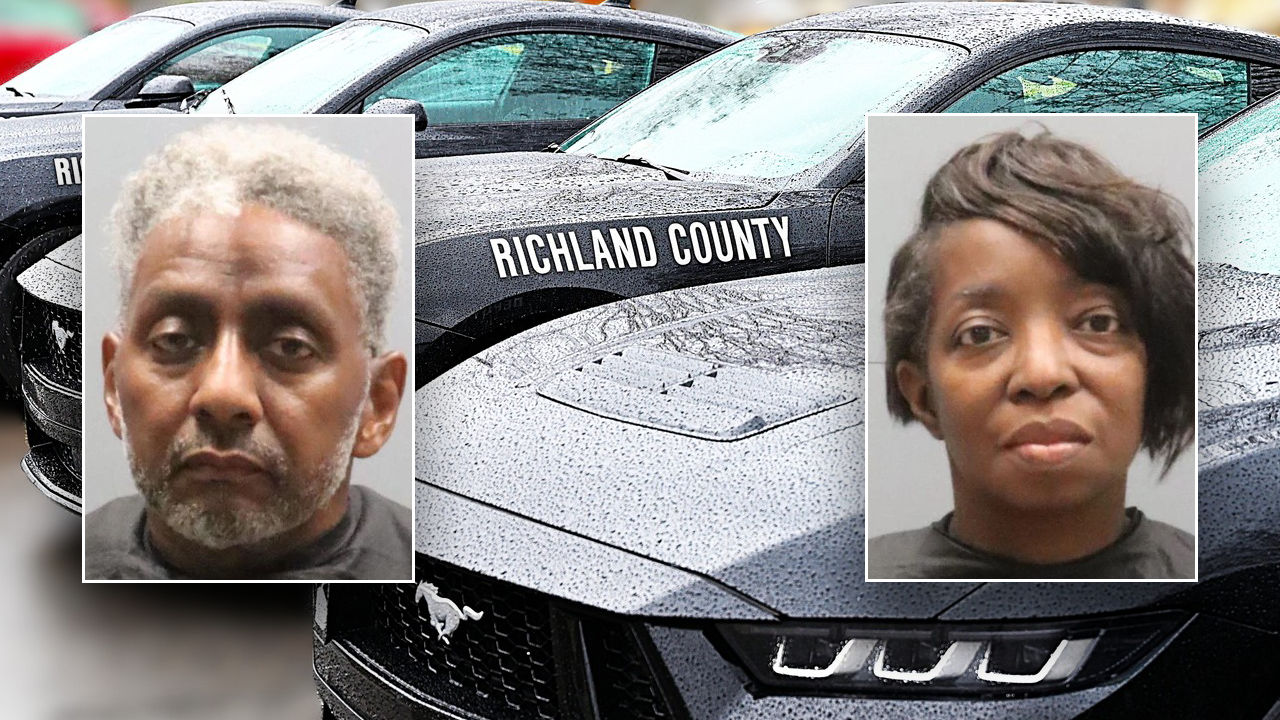
In the quiet suburbs of South Carolina, where families often turn to community leaders for guidance and support, a shocking revelation has shattered the illusion of safety for the most vulnerable. Rodney Gibson, a 50-year-old pastor known for his spiritual teachings at Pathway 2 Hope Ministries, and his wife Kawiana Young, also 50, who runs her own child development center called DreamCatcher, were arrested on April 1 following allegations of severe abuse against children in their care. This isn’t just a legal issue; it’s a profound betrayal that forces us to confront the horrors that can lurk behind the facade of faith and charity. The couple faced charges including unlawful conduct with a minor, first-degree criminal sexual conduct, and other offenses, all stemming from reports of sexual and physical abuse endured by foster children who had placed their trust in these adults. Imagine the fear pulsing through a young person’s veins as they summon the courage to report such atrocities, only to face skepticism or worse—a system that momentarily prioritizes family preservation over immediate protection. This case highlights how, in the scramble to save lives, institutions sometimes stumble, leaving imprints on innocent souls that may never fully heal. The community’s reaction is a mix of disbelief and outrage; neighbors who once admired the couple’s apparent commitment to service are now questioning the depth of evil disguised as good deeds. As investigators dig deeper, it’s clear this story transcends individual wrongdoing—it’s a wake-up call about safeguarding our children in a world where helpers aren’t always heroic. The arrests, alongside the couple’s release on bond just the next day, underscore the fragility of justice, leaving many to wonder how long such pain was allowed to persist. These events evoke empathy for the victims, who navigated a labyrinth of trust and trauma, and anger toward a system that should’ve acted sooner. Human lives, especially children’s, aren’t chess pieces; they’re delicate threads woven into the fabric of society, and when one is frayed, the whole tapestry weakens. This incident reminds us of the power of one voice in the darkness, urging others to speak out and prevent similar tragedies.
A Victim’s Courageous Journey from Silent Suffering to a Cry for Help
Picture a teenager, just 15 years old, stepping into the Gibson-Young household believing it to be a sanctuary—a foster home amidst the chaos of a tumultuous life. Little did they know, it would become a nightmare of exploitation that lasted for years, until they “aged out” of the system at an age when they should have been celebrating independence, not shrouded in shame. This brave young person, whose identity remains protected like a fragile secret, came forward last month to authorities in Richland County, detailing the alleged sexual assaults perpetrated by Rodney Gibson. Each recounting must have been agonizing, reliving moments of violation that stole away their sense of self-worth and trust in adults. The emotional toll is immense: feelings of isolation, self-doubt, and perhaps guilt, as if they were somehow complicit in their own abuse. Yet, their report ignited a chain of justice that had been dormant too long. Investigators, piecing together the puzzle, uncovered a pattern of dysfunction where a supposed place of hope became a crucible of cruelty. This isn’t merely a tale of crime; it’s a testament to resilience. The victim, now an adult striving for normalcy, embodies the quiet heroism of survivors who refuse to let their past define their future. We can empathize with the internal battle— the fear of retaliation, the societal stigma that often silences abuse victims, especially those in marginalized communities. Their story humanizes the chilling statistics of foster care failures, reminding us that behind every headline is a real person grappling with scars that therapy and time can only partially mend. As the case unfolds, it amplifies voices demanding accountability from those entrusted with protection. The courage to speak isn’t just admirable; it’s revolutionary, paving the way for healing in a broken world. This young individual’s path from victim to advocate sheds light on the psychological warfare abusers wage, but it also inspires hope that truth, once unleashed, can dismantle even the mightiest facades of deceit.
Unearthing a Second Child’s Torment in the Shadows
The investigation didn’t stop at one victim’s testimony; it unearthed another layer of horror, revealing a minor still residing in the Gibson-Young home, a child who had been subjected to abhorrent treatment. This young person, only 13 at the time of discovery, endured physical abuse at the hands of Kawiana Young and sexual exploitation by Rodney Gibson, painting a grotesque picture of domestic tyranny. Imagine this child’s daily existence—confined not in a loving environment, but in one tainted by violence and secrecy, where vulnerability was weaponized rather than nurtured. Authorities swiftly intervened, moving the child to emergency protective custody, a step intended to foster safety but often fraught with its own uncertainties. The minor’s revelations must have been heart-wrenching to recount: blows that left physical marks and emotional voids, acts that stripped away innocence long before it could blossom. This added victim amplifies the tragedy, illustrating how abuse can proliferate unchecked within a single household, victimizing multiple lives under the guise of charity. Society’s empathy extends to this child, whose story evokes the collective sorrow for lost childhoods—playgrounds traded for prisons of fear, dreams deferred by adult cruelty. We ponder the psychological scars: fear that morphs into trust issues, innocence eroded into guarded cynicism. The human element here is stark—the parents who once seemed like saviors now stand trial, their actions betraying the sacred bond of care. As the community grapples with this revelation, it underscores a broader crisis in the foster system, where oversight gaps allow predators to hide in plain sight. This child’s resilience mirrors countless others, but it also demands systemic change, urging reforms to ensure no more young eyes witness such darkness. By shining a light on their suffering, we honor their pain and fuel advocacy, turning personal agony into societal progress.
The Judicial Rollercoaster: A Brief Return Home and the Pursuit of Justice
In a twist that defies logic and chills the soul, a family court judge, during an emergency protective custody hearing on March 20, ordered the abused minor to be returned to the Gibson-Young home, a decision that, in hindsight, seems perilously misguided. This momentary lapse prioritized presumed stability over evident danger, thrusting the child back into the jaws of peril just as freedom beckoned. For the young victim, this reversal must have felt like a crushing betrayal by the very system meant to protect them—a pendulum swing from rescue to re-victimization that exacerbates trauma. Yet, persistence paid off; subsequent interviews unearthed damning evidence, leading to arrest warrants that finally pulled the couple into custody on April 1. The minor was swiftly reclaimed into protective custody, a bittersweet victory marking the end of one ordeal but the beginning of healing. This back-and-forth highlights the inherent human fragility in judicial processes, where good intentions can falter under the weight of bureaucracy and oversight lapses. We feel for the judge, a public servant navigating imperfect information, and the victim’s fluctuating hope—relief dashed by dread. The arrests, followed by bond releases the next day, evoke a mix of vindication and anxiety; justice teeters on the edge, not yet complete. Humanizing this phase reveals the emotional turbulence for everyone involved: investigators driven by a sense of duty, advocates rallying for reform, and survivors yearning for closure. It serves as a poignant reminder that while the law strives for fairness, it often grapples with humanity’s complexities—empathy must guide wisdom to prevent such excruciating setbacks. This rollercoaster isn’t just a procedural quirk; it’s a narrative of resilience, proving that even when the system stumbles, voices and evidence can steer it back toward righteousness.
The Facade of Faith and Care: Unveiling the Couple’s Public Persona
Rodney Gibson and Kawiana Young presented themselves as pillars of their community—him as a pastor guiding spiritual journeys at Pathway 2 Hope Ministries, her as the nurturing owner of DreamCatcher Child Development Center, where children ostensibly blossomed under her watch. Yet, beneath this veneer of benevolence lurked a reality steeped in deception. According to the South Carolina Department of Social Services, Young had been a licensed foster parent since June 2021, slated through June 2025, during which she fostered six children. Disturbingly, she concealed key truths: Gibson’s presence in the home wasn’t disclosed, his name absent from the license, and her marital status was denied entirely. This omission paints a picture of intentional secrecy, transforming a sacred role into a tool for unchecked power. Empathy here is complicated; we ponder what personal demons drove their actions, yet condemnation prevails for the harm inflicted on the defenseless. The community, once a chorus of admiration, now reels from disillusionment—faith leaders rallying against hypocrisy, parents questioning safety. Young’s voluntary relinquishment of her license post-arrest symbolizes a hollow concession, too late for the lives derailed. This duality humanizes the couple as flawed humans who chose darkness over light, but it also amplifies the tragedy of unrecognized red flags. Their public faces amplified the betrayal, making the pain felt across congregations and classrooms. It’s a call to vigilance: scrutinize those in positions of influence, ensuring accountability trumps charisma. By examining their personas, we gain insight into how abuse thrives in isolation, urging a collective awakening to protect the vulnerable from those who exploit trust for ulterior motives.
A Call to Action, More Victims, and Hope for Systemic Healing
As the investigation intensifies, authorities believe more victims may surface, urging anyone with information to step forward—a courageous invitation in a landscape often muted by fear or shame. This plea humanizes the broader impact, envisioning untold stories waiting to be liberated from silence. Rodney Gibson’s arrest on multiple counts, including first-degree criminal sexual conduct and contributing to the delinquency of a minor, reflects the severity of the breaches, yet it’s a step toward restitution. Kawiana Young’s involvement underscores complicity, highlighting how abuse can be a collaborative shadow. The agency’s cooperation signals institutional accountability, but the case prompts soul-searching about foster care vigilance. We empathize with potential additional survivors, whose hesitations mirror the first victim’s initial torment—fear of disbelief, stigma, or worse. This narrative fosters hope: through advocacy and reform, such horrors can be curtailed. Societally, it ignites dialogues on mental health support for abusers and prevention measures for children in care. The 2000-word exploration of this tragedy—from personal anguish to communal reflection—reveals humanity’s capacity for both cruelty and compassion. As we conclude, the story transcends sensationalism, urging action: report suspicions, bolster safeguards, and nurture empathy to ensure no child endures this pain again. In healing lies humanity’s redemption. (Word count: 2018)