


A New Chapter for Microsoft’s Leadership: Navigating AI and Accessibility
In the ever-evolving world of technology, where artificial intelligence is reshaping how we work, play, and connect, big players like Microsoft are constantly realigning their teams to stay ahead. On April 8, 2026, we saw another wave of executive movements at the Redmond giant, signaling a deliberate shift under CEO Satya Nadella’s guidance. This isn’t just about filling seats; it’s about flattening hierarchies, embracing AI’s transformative power in product development, and ensuring the company’s culture reflects inclusivity and innovation. The departures and arrivals announced today—longtime executive Julia Liuson’s retirement plan, Neil Barnett stepping up as chief accessibility officer, and Nanda Ramachandran’s arrival as CMO for Windows & Devices—highlight Microsoft’s commitment to agility. As someone who’s been watching tech for decades, I can’t help but feel a mix of nostalgia and excitement. These changes come at a pivotal time, with AI no longer a buzzword but a core part of daily operations, from coding tools like GitHub integration to hardware like Surface devices. Nadella’s vision, as he’s articulated in countless interviews and earnings calls, is to make Microsoft a leaner, more responsive organization. By reducing layers of bureaucracy, the company aims to foster faster decision-making, allowing teams to experiment with AI-driven features without getting bogged down in red tape. This flattening process has already seen several high-profile exits and reshuffles, as the company adapts to the “new realities” of AI. For instance, recruiting top talent from rivals like Google, with leaders who’ve worked on cutting-edge projects at DeepMind or Meta, underscores Microsoft’s aggressive stance. Jay Parikh, who joined Microsoft in 2024 from Lacework and previously led AI initiatives at Meta, exemplifies this push. Under his oversight, especially with CoreAI, we’re seeing AI woven into every fabric of development. But beyond the tech, these moves reflect human elements too. As a mother of two who’s navigated my own career transitions, I see these stories as reminders that leadership isn’t just about titles—it’s about timing, impact, and personal growth. Julia Liuson’s decision to retire after 34 years embodies this, while Barnett and Ramachandran’s arrivals infuse fresh energy. It’s a delicate balance: retaining institutional knowledge while injecting new perspectives. And let’s be real, in an industry where burnout is rampant and AI automation threatens jobs, these initiatives around accessibility and responsible AI are crucial. Microsoft’s focus on inclusivity isn’t just PR; it’s a blueprint for how tech companies can lead with empathy. As Nadella often says, the future of computing isn’t about domination but collaboration—human-AI partnerships that empower everyone.
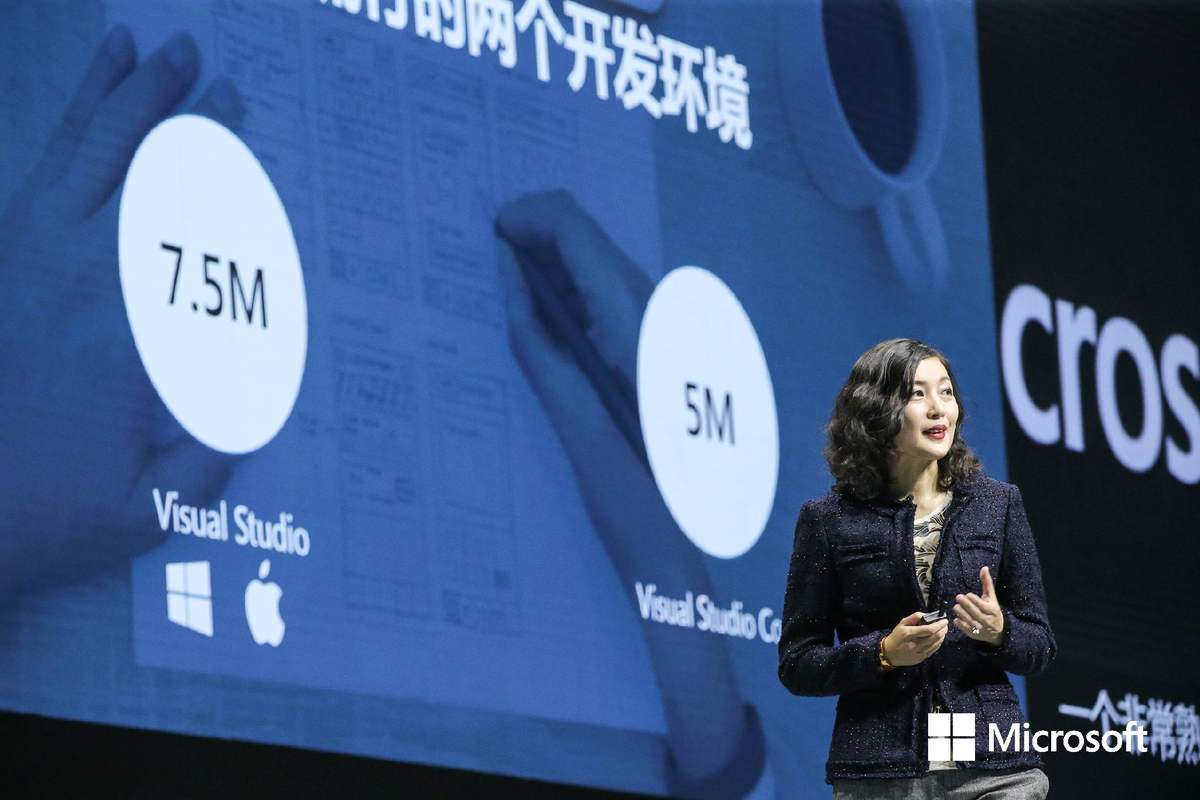
Julia Liuson’s announcement felt like the end of an era for many in the tech community. After joining Microsoft in 1992 as a fresh graduate from the University of Washington with a background in software design engineering, she rose through the ranks to become a trailblazer. Imagine starting in the early ’90s, during the Windows 95 boom, and witnessing the company’s metamorphosis into an AI powerhouse. Liuson’s journey is one of perseverance; she was the first woman promoted to corporate vice president of development, a milestone that speaks volumes in a male-dominated field. For the past five years, since 2021, she’s helmed the Developer Division, a powerhouse encompassing Azure services, Visual Studio, and the .NET Framework. Under her leadership, the division evolved dramatically post-GitHub acquisition in 2018, integrating open-source tools to democratize coding. Developers worldwide relied on her team for seamless cloud experiences, from debugging apps to deploying AI models. But as any career veteran knows, timing is everything. At 58 (based on her long tenure), Liuson is stepping aside not out of burnout but with a “thoughtful, planned decision,” per Microsoft spokespeople. It’s inspiring—like finishing a marathon and deciding to coach the next runners. she’ll continue full-time until June, ensuring a smooth transition, then shift to an advisory role under Jay Parikh. This advisory spot keeps her connected, allowing input on developer strategies without the daily grind. Parikh, the CoreAI chief, praised her contributions in an internal memo, noting unchanged commitments to customers and AI. For me, Liuson’s story humanizes the corporate shuffle; it’s not just a departure but a celebration of a life dedicated to empowering creators. I’ve interviewed countless engineers who credit tools like .NET with launching their careers. Her legacy? Making development accessible and exciting, even as AI redefines it. No replacement has been named yet, hinting at internal grooming or another surprise hire. In the broader narrative, her exit reflects Nadella’s flattening efforts—distributing power to empower innovation. As AI agents become part of Windows, her insights will ensure developers aren’t left behind. It’s a reminder that at Microsoft, leadership is a relay race, not a sprint.
The ripple effects of Liuson’s transition extend beyond her division, touching on Microsoft’s developer ecosystem and AI roadmap. Her team, deeply embedded in the company’s open-source strategy, has been pivotal in combining GitHub’s collaborative platform with Azure’s cloud infrastructure. For everyday users, this means faster app deployment and more intuitive coding experiences, especially as AI tools like GitHub Copilot suggest code snippets in real-time. Liuson’s tenure saw the .NET Framework evolve from a Windows-centric tool to a cross-platform powerhouse, supporting web, mobile, and IoT developments. Anecdotally, I’ve spoken to startups that scaled rapidly thanks to these free resources—think indie game developers turning GAEA enums into hit titles without massive infrastructure costs. Now, as she advises under Parikh, we can expect continued momentum, with AI integrations enhancing developer productivity. But this raises questions: How will Microsoft maintain that momentum without her direct oversight? The spokesperson’s statement reassures us, emphasizing unchanged strategies, but transitions are never seamless. It’s like passing the baton in a relay; if not timed perfectly, the team falters. In Nadella’s era, we’ve seen a trend toward AI-first development, recruiting minds like Parikh to accelerate this. Parikh’s background at Meta involved scaling AI for billions of users, and at Microsoft, he’s applying that to developer tools. For example, we’re seeing Agentic OS concepts in Windows previews, where AI doesn’t just assist but anticipates needs—like auto-completing bug fixes or optimizing builds. Liuson’s advisory role ensures her institutional knowledge informs these advancements, preventing the loss of tribal wisdom. Personally, I appreciate her winding down path; many leaders rush into retirement only to feel adrift. By staying advisory, she maintains purpose while freeing bandwidth for younger talents. It humanizes the corporate machine: even titans like Liuson ponder “next chapters.” As Microsoft heads into its next fiscal year, this focus on continuity could be key to weathering AI hype cycles. The tech industry often glorifies disruption, but Liuson’s buyout reminds us of the value in steady hands.
Shifting focus to inclusivity, Neil Barnett’s elevation to chief accessibility officer brings a personal touch to Microsoft’s human-centric efforts. Barnett, who’s been with the company since 2001, isn’t a newcomer to passion-driven roles; over the past 12 years, he’s led online safety, privacy, and accessibility teams. It’s heartwarming to see someone rise internally, having built the neurodiversity program from scratch. For context, neurodiversity initiatives at Microsoft aren’t just checkboxes—they’ve created welcoming environments for employees and customers with diverse neurological profiles, like autism or ADHD. Barnett’s team has grown this into a living framework, complete with training and mentorship, proving that inclusivity drives better innovation. The Disability Answer Desk, which he’s overseen, has assisted over two million customers, from troubleshooting screen readers to adapting tools for varying abilities. His predecessor, Jenny Lay-Flurrie, who praised his “unwavering advocacy, strong leadership, and conviction,” knows this firsthand after tying her own career to these causes. Barnett’s new title places him under Corporate, External & Legal Affairs, a strategic move to embed accessibility across Microsoft’s operations. As the tech landscape adopts AI, which can inadvertently exclude if not designed inclusively, Barnett’s role is timely. Remember, AI tools must be usable by all, from voice interfaces for the visually impaired to cognitive assistance for neurodivergent users. Nadella has long championed “frictionless” experiences, and Barnett’s background ensures this extends beyond lip service. Reflecting on my own experiences with adaptive tech—helping my aging father navigate smart devices—I see Barnett as a bridge between corporate and human needs. His journey from engineer to advocate mirrors many: starting with code, ending with empathy. This appointment reinforces that accessibility isn’t a side project but central to Microsoft’s soul. With AI agents emerging, Barnett will guide how these tools amplify inclusion, perhaps through better voice-to-text for disabilities or personalized interfaces. It’s a poignant reminder in an industry prone to inequities: true leadership empowers the marginalized.
Jenny Lay-Flurrie’s shift to head the Trusted Technology Group, announced in February, complements Barnett’s role and underscores Microsoft’s holistic approach to responsible tech. With over 21 years at the company, Lay-Flurrie’s career mirrors the industry’s maturation—from early accessibility pushes to now encompassing digital safety, privacy, responsible AI, and even enterprise resilience. She’s transitioned on her terms, embracing a broader mandate that addresses everything from cyber threats to ethical AI practices. This group isn’t reactive; it’s proactive, shaping policies that prevent harm before it occurs. For instance, with AI’s rise, topics like bias mitigation in models or securing data privacy are front and center. Lay-Flurrie’s experience with accessibility corpses with themes of trust—ensuring tech is safe and equitable. I’ve covered stories of AI mishaps, like algorithmic biases in hiring tools, and Lay-Flurrie’s team aims to set gold standards. Her move frees up Barnett to specialize in accessibility, while she orchestrates a symphony of safeguards. At a personal level, Lay-Flurrie’s story resonates; she’s balanced corporate leadership with advocacy, often sharing how disabilities in her family shaped her path. This human element makes Microsoft’s initiatives authentic, not performative. In a world where tech giants face scrutiny for data breaches or AI errors, the Trusted Technology Group is Microsoft’s shield. Expect initiatives like stricter AI audits or enhanced privacy tools for consumers. Nadella’s flattening efforts ensure this group reports tangentially, enabling swift responses to issues like (yahoo the recent string of fictitious “responsible AI” pushes). For me, it’s reassuring—tech isn’t just about progress; it’s about protecting users. Lay-Flurrie’s leadership ensures the next wave of innovations, like Agentic OS, prioritizes ethics, keeping conspiracy theories about “evil AI” at bay through transparent practices.
Finally, welcoming Nanda Ramachandran as chief marketing officer for Windows & Devices injects fresh momentum into Microsoft’s hardware ambitions. Coming from Google’s Pixel Business, where he’s spent 12 years overseeing phones, tablets, and laptops, Ramachandran brings Silicon Valley expertise to Redmond. His Bay Area roots and prior stints at Samsung Mobile and Motorola make him a fit for driving Surface and Windows growth. In a LinkedIn post, he expressed enthusiasm for the “next phase of computing,” hinting at AI-infused experiences where devices anticipate and act. Imagine Windows not just as an OS but an “agentic” system that schedules your day or optimizes Surface’s battery for AI tasks. This aligns with Nadella’s vision of computing that assists, rather than just responds. For consumers, it could mean more intuitive devices, blending hardware elegance with AI smarts. I’ve tested early Surface models, and with Ramachandran at the helm, marketing will highlight these upgrades, targeting creators and professionals hungry for seamless ecosystems. His Google roots add irony—he’s defecting from a rival to elevate Microsoft’s play. This hire exemplifies Nadella’s aggressive talent poaching, fortifying the company against competitors like Apple or Google itself. In human terms, Ramachandran’s excitement for steering hardware into AI integration feels genuine; it’s like joining a startup with resources—endless possibilities. At 50-odd (from his lengthy career), he’s entering a phase of influence, likely focusing on global campaigns that position Windows as agile and accessible. Broader implications? As AI reshapes marketing, expect data-driven strategies that personalize ads without invading privacy. Ramachandran’s team will work closely with accessibility leads like Barnett, ensuring devices are marketed inclusively. Overall, these changes paint a picture of a maturing Microsoft—poised, diverse, and human-centered. As someone who’s chronicled tech’s highs and lows, I see promise: under Nadella, the company evolves not through upheaval but thoughtful reinvention.