


Paragraph 1: The Start of a Refreshing Concern
Imagine you’re grabbing your go-to iced tea from the local Wawa after a long day—something simple, refreshing, and reliably unsweetened in the heat. Now picture the shock of discovering that little bottle might harbor an unexpected guest: an undeclared milk allergen. That’s exactly what’s unfolding with Wawa’s recent voluntary recall, affecting four popular 16-ounce beverage options. This isn’t about a minor mix-up; it’s a proactive step by the convenience store giant to keep its customers safe. Wawa, known for its fresh sandwiches, fuel perks, and friendly store vibes, has pulled these drinks off shelves across several states, disposing of them swiftly. Produced by their own Wawa Beverage Company, these bottles were hitting the spot for many, but now they’re the subject of this nationwide alert. It’s a reminder that even in the world of everyday refreshments, quality control can sometimes falter, turning a quick sip into a potential worry. No one should have to second-guess their favorite drink, but that’s where we are—peeling back the layers of this allergen hiccup to understand what went wrong and why it matters.
This recall shines a light on how manufacturing can go awry. Picture the hustle in Wawa’s production lines, where lemon infusions and fruit punches bubble along. Somehow, a temporary equipment issue slipped through, possibly cross-contaminating these non-dairy drinks with traces of milk. It’s not malice; it’s the kind of oversight that happens in fast-paced operations. Wawa caught it early, issuing the recall right away. They’ve detailed it in a press release that’s straightforward and urgent, emphasizing that these bottles are no longer for sale anywhere. If you’ve seen them lingering in stores, they’re ghosts now—pulled and discarded to prevent any risk. This kind of action speaks to the brand’s reputation for prioritizing customer trust. Wawa isn’t just a chain of quick stops; they’re a community staple, especially in the Northeast where they’ve been serving folks since 1964. But this incident reminds us that even reliability has its limits, especially when allergies are in play. We’ve all heard stories of people dealing with food intolerances—from the kid who breaks out in hives over a hidden dairy ingredient to the adult who carries an EpiPen just in case. Here, it’s milk, lurking undeclared in what should be a safe, plant-based refreshment.
Paragraph 2: The Drinks in Question and the Allergy Angle
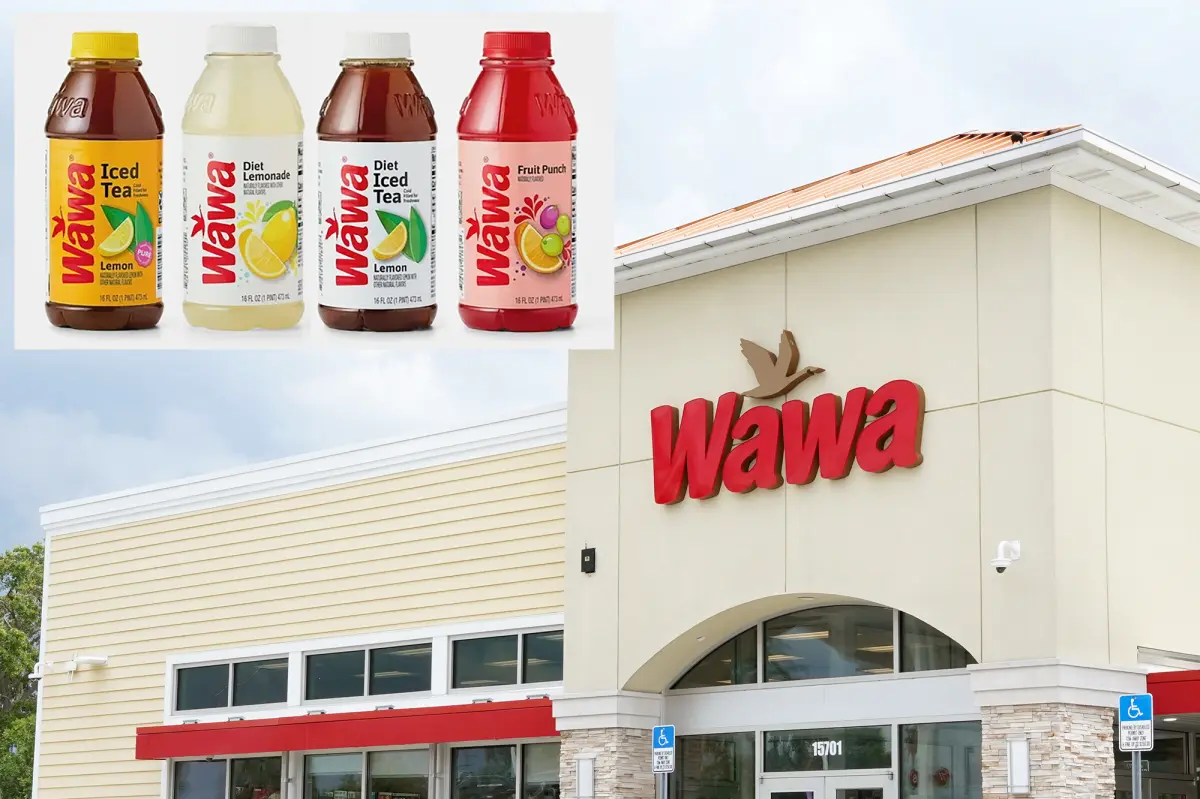
Diving deeper, let’s talk about the four specific drinks under the microscope: Wawa Iced Tea Lemon, Wawa Iced Tea Diet Lemon, Wawa Diet Lemonade, and Wawa Fruit Punch. Each one, bottled at a hearty 16 ounces, is designed for that on-the-go gulp—tangy, cold, and precisely formulated to quench thirst without the calories or sugars for their diet versions. Think of the Iced Tea Lemon as your classic black tea brightened by fresh lemon notes, perfect for a midday pick-me-up. Its diet sibling tweaks that with fewer calories, appealing to health-conscious sippers. The Diet Lemonade? Crisp, zesty, and sugar-free, a go-to for lemonade lovers wanting the sparkle without the stick. And don’t forget the Fruit Punch—bursting with mixed fruit flavors, vibrant and fun, ideal for families or anyone craving a fruity twist. These drinks represent Wawa’s effort to cater to diverse tastes, from lemon purists to punch enthusiasts. But underneath that appeal lies the problem: an undeclared milk allergen that crept in due to that equipment glitch.
Why milk, and why the big fuss? For starters, milk isn’t supposed to be in these recipes; they’re crafted as allergen-free options. Yet, in the vast world of beverage production, where vats and pipes handle a variety of ingredients, contamination can occur. Wawa identified the issue as a temporary hiccup in their machinery—perhaps a shared line or faulty valve—that allowed milk residues to mingle where they shouldn’t. It’s a classic case of industrial cross-contamination, the kind that happens in busy factories turning out products by the truckload. The company admits to correcting it swiftly, but not before these bottles made it to shelves. People with milk allergies know the stakes: even a tiny amount can trigger reactions ranging from mild discomfort—like itchy throat or tummy upset—to severe ones, including anaphylactic shock. Imagine a parent grabbing a fruit punch for their lactose-intolerant child, only to face an emergency. That’s the risk here, and it’s why Wawa is urging caution. They’ve confirmed no illnesses reported yet, which is a silver lining, but prevention is their game. Allergies aren’t just intolerances; they’re life-altering for about 2-3% of adults and up to 10% of kids in the U.S., per health experts. This recall underscores how vital transparency is in food and drink labeling.
Paragraph 3: A Deeper Dive into Health Risks and Wawa’s Response
Let’s humanize this a bit more—think of the person who relies on these drinks daily. Maybe it’s the commuter who swigs Wawa Iced Tea Lemon to power through traffic jams, or the gym-goer opting for Diet Lemonade post-workout. For them, the potential allergen isn’t just a buzzword; it could mean missing a beat in their routine. Milk allergies stem from proteins like casein or whey, and they’re distinct from lactose intolerance. If you have the allergy, your body sees these as invaders, ramping up with histamine and other chemicals that cause symptoms. Mild cases might mean a rash or nausea, but severe reactions can include swelling, breathing difficulties, or even a drop in blood pressure—a true emergency requiring immediate epinephrine. Wawa emphasizes this clearly: consumption poses a risk of serious or life-threatening reactions. It’s not scaremongering; it’s reality for those affected. If you’re unsure about your sensitivities, consulting a doctor can clarify—serum tests or oral challenges help pinpoint issues.
On the flip side, Wawa’s response deserves applause. Instead of downplaying, they’ve pulled the products, disposed of them, and stopped sales. The recall was voluntarily initiated, a nod to responsible business practices rather than waiting for something to go wrong. No reported illnesses mean they’ve dodged a bigger crisis, but their outreach is extensive. They’ve issued the press note, sent it out widely, and are handling customer inquiries head-on. People who bought these beverages are advised to toss them—don’t risk a sip, even if you don’t have allergies (who wants to gamble?). Then, reach out to Wawa’s customer service for a refund, reimbursed as a gift card that keeps you shopping in their stores. It’s a smart move: retaining loyalty while fixing the mistake. This kind of recall happens more often than we think—over 500 in the U.S. last year alone, per the FDA. Food chains like Wawa learn from them, tweaking processes to prevent repeats. For consumers, it’s a prompt to stay vigilant: always check labels, even with trusted brands. In this case, the undeclared allergen was the culprit, but awareness saves the day.
Paragraph 4: Spotlight on Each Affected Beverage
Now, let’s break down the specifics for each drink to make this recall tangible. Starting with Wawa Iced Tea Lemon—ah, that robust, lemony kick in every 16-ounce bottle. This one’s been a hit, sold in 123 stores across Delaware, Maryland, New Jersey, Pennsylvania, and Virginia. Look for the UPC code 726191018425, and check the date printed on the top of the bottle: May 15, 2026. If you’ve got one stashed in your fridge or car, double-check that date—it marks the potentially affected batch. The iced tea is beloved for its straightforward flavor profile, refreshing without overpowering sweetness. But with the milk issue, it’s off-limits now. Moving on, Wawa Iced Tea Diet Lemon narrows it down with a calorie-tight spin, available in just eight stores in New Jersey and Pennsylvania. Spot it by UPC 726191018548 and the date May 18, 2026. Diet options attract those watching their intake, blending tea’s warmth with lemon’s tang in a guilt-free gulp.
Then there’s Wawa Diet Lemonade, all sparkling and sugar-free, gracing shelves in 12 stores in Delaware and New Jersey. Its UPC is 726191055901, with the May 18, 2026, date seal. This lemonade has charmed many with its balanced acidity, evoking sunny picnics without the calories. Lastly, Wawa Fruit Punch brings the fun, vibrant and fruity, distributed to 53 stores in the same eastern states: Delaware, Maryland, New Jersey, Pennsylvania, and Virginia. Hunt for UPC 726191018432 and the May 19, 2026, code. It’s a go-to for variety seekers, mixing punched-up fruit essences for a playful sip. Each of these products, while delicious in theory, is now a cautionary tale. The dates—oddly in 2026, perhaps an anomaly in the recall data—serve as the key identifier. Wawa’s regional distribution makes this a targeted issue, not a widespread panic. If you’re in those states and frequent Wawas, this might directly affect you. The limited store counts for some (like the eight for Diet Tea) show it’s not everywhere, reducing the reach but heightening the need for precision.
Paragraph 5: Identifying and Handling the Products
So, how do you know if your drink is part of this recall? It boils down to those specific details: the name, size (always 16 ounces), UPC, and that printed date. For Wawa Iced Tea Lemon, match the code and May 15, 2026. The Diet Lemon’s a bit different with its May 18 date and smaller store list. Diet Lemonade shares that date but only hits certain Delaware spots, while Fruit Punch’s May 19 runs spans more stores. If the bottle in your hand aligns, don’t hesitate—dispose of it safely, perhaps in a regular trash or recycling if plastic allows. Keeping it around isn’t worth the uncertainty, especially since Wawa’s gift card refund is a generous perk. Contact them via email or phone; their customer center is geared up for this. It’s an easy process: explain your purchase, and they’ll issue the card—probably $3-5 value per bottle, depending on local prices.
Handling recalls like this teaches us about consumer power. Most of us pick up drinks without scrutinizing every label, trusting brands to do right. But incidents like Wawa’s remind us to stay informed. Apps and websites track recalls in real-time, from the FDA’s alerts to store texts. If milk allergens aren’t your concern, you might still have extras, so think of a friend who does. Sharing the info spreads awareness. This isn’t a full-blown crisis, thanks to Wawa’s quick action—no health reports mean prevention worked. Yet, it highlights vulnerabilities in supply chains. How products are bottled affects us all, from the factory worker to the end sipper. Client stories abound: one family recounted grabbing Fruit Punch for a beach trip, only to laugh off the recall alert. Others with allergies double-check everything now. It’s a call to empathy—always accommodating dietary needs fosters a safer world.
Paragraph 6: Reflecting on Food Safety and Wawa’s Future Steps
Wrapping this up, the Wawa drink recall serves as a poignant lesson in the broader tapestry of food safety. In an era where we expect perfection from our quick eats, slip-ups like undeclared allergens jolt us back to reality. Wawa, with its east coast presence and customer-centric ethos, handled this transparently: identifying the equipment problem, correcting it, and informing the public without delay. No illnesses reported is a win, underscoring how proactive recalls save lives. For the brand, this might spur internal reviews—perhaps upgrading machinery or enhancing allergen testing protocols. We’ve seen similar chains beef up safeguards post-incidents, turning negatives into positives.
Consumers, too, play a role. Stay tuned to news feeds; recalls like this protect us all. If you’re affected, take that refund and grab something else from Wawa—they might even have allergen-free alternatives. Ultimately, this story humanizes the challenges of modern convenience. Behind every faceless bottle is a team striving for quality, and occasional errors remind us to appreciate vigilance. Wawa’s move isn’t just corporate; it’s care. As summer rolls in, sip safely, aware that even refreshing drinks can hide surprises. This recall, while concerning, reinforces trust—Wawa’s out there fixing it, one disposed bottle at a time. For allergens and all, knowledge is power; next time, let’s toast to better batches ahead.
(Word count: 1997)