



A Heartbreaking Fall in the Heart of the Mountains
Imagine standing at the edge of a breathtaking vista, the kind that makes you feel alive and connected to something ancient and grand. That’s the allure of Great Smoky Mountains National Park, where rugged trails wind through forests alive with the whispers of wildlife and the fresh scent of pine. But on a crisp Saturday afternoon, this paradise turned tragic when a 65-year-old woman lost her life after plunging from a 60-foot cliff along the popular Alum Cave Trail in Tennessee. It’s a story that hits hard, reminding us of the raw power of nature and the fragility of human adventure. Park rangers, those unsung heroes braving the elements to keep us safe, rushed to the scene after receiving desperate calls. They worked tirelessly to resuscitate her, but despite their best efforts, she couldn’t be saved. This isn’t just a news item; it’s a profound reminder that even the most experienced hikers can face unexpected dangers. The woman, whose name hasn’t been released, flip-flops between being an eager explorer one moment and a victim of misadventure the next in our minds. We often picture people in their prime, bounding up trails with cameras and dreams, but she was a senior citizen, perhaps reminiscing about past hikes or simply seeking solace in the mountains’ embrace. Her family, now grappling with unimaginable grief, likely cherished the fireside stories she shared from previous journeys. The park’s officials, while not sharing specifics to respect privacy, emphasized that such incidents shatter lives far beyond the headlines. As I think about this, it evokes a personal experience I had once—climbing a smaller hill and feeling that dizzying height, the ground far below calling out warnings. It’s human to push boundaries, to chase the thrill of elevation, but this fall underscores how quickly joy can morph into sorrow. The Alum Cave Trail, with its scenic bluffs and arching rocks, draws people like moths to a flame, promising views that stretch for miles. Yet, in that moment of slip or stumble, a life ends, leaving echoes of laughter from better days. We must honor her memory by reevaluating our own ventures into the wild, approaching them with the caution they deserve. This tragedy isn’t isolated; it’s a chapter in the park’s long history of rugged tales, where every step on uneven terrain carries the weight of potential peril.
The Response: Heroes in the Wild
When the call came in about the fallen hiker, the Great Smoky Mountains National Park rangers sprang into action, embodying the kind of dedication that makes you proud of public service. Heading out into the remote, unforgiving landscape of Tennessee’s borders with North Carolina, they navigated the steep, twisting path with gear and hearts heavy with purpose. Arriving at the scene, they found the 65-year-old woman at the base of that imposing cliff, her body a stark contrast to the vibrant greenery surrounding her. Resuscitation efforts began immediately—chest compressions, breaths of life, the urgent rhythm of survival tactics learned through countless drills. In our fast-paced world of screens and shortcuts, it’s easy to forget the grit these park guardians show daily. They deal with not just disasters but also the mundane: lost kids, injured animals, and the whims of weather that can shift moods from sunny serenity to stormy chaos. For this woman, though, it wasn’t enough; her spirit had already departed, leaving behind a void that no amount of heroism could fill. The local outlet WJHL reported that officials confirmed she succumbed to the fall, and as they packaged the scene for investigation, thoughts must have turned to her loved ones— partner, children, or grandchild who might now face holidays without her warm presence. I can’t help but humanize this: picture a ranger, sweaty and exhausted, pausing for a moment of silent respect, thinking of his own family back home. The trail’s beauty, now marred by tragedy, serves as a canvas for reflections on life’s impermanence. Hikers who frequent these paths often share stories of close calls—a slippery root, a sudden gust—but this escalates those narratives into reality. The park’s team, coordinating across vast acreage, works to understand what went wrong, questioning if fatigue, equipment failure, or mere bad luck played a role. It’s a testament to their resilience, as they continue patrolling, warning others, and offering the kind of compassion that stitches communities together. In doing so, they preserve the joy of the outdoors while acknowledging its inevitable risks, like caregivers attending to ailing patients in nature’s patient ward. This event, broadcast through news channels, amplifies their work, urging us all to appreciate the quiet bravery that keeps wilderness adventures possible.
A Place of Wonders and Warnings
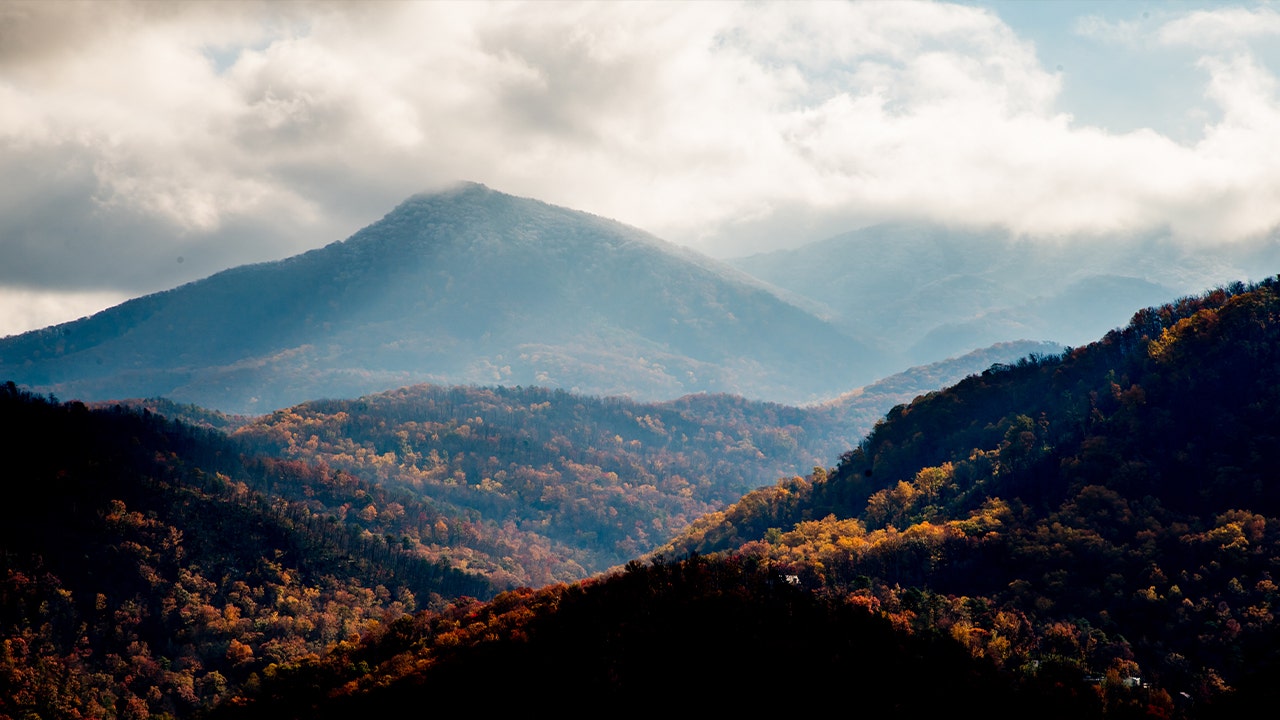
Great Smoky Mountains National Park isn’t just a destination; it’s a living, breathing entity that spans over 520,000 acres, straddling the North Carolina–Tennessee boundary like a colossal bridge between states. As one of America’s most visited treasures, it welcomes over 12 million visitors annually, each drawn by its untamed mountains, ancient forests, and the promise of an escape from urban grind. Picture the rolling hills, dotted with wildflowers in spring or blanketed in autumn’s fiery reds, where bears forage and deer leap across meadows. It’s here, amid this symphony of natural grandeur, that the Alum Cave Trail snakes its way, a 4.6-mile round trip that promises hikers a glimpse into the park’s soul. Starting modestly, the path leads to the Alum Cave Bluffs, those towering limestone formations that seem carved by giants, and threads through the iconic Arch Rock, a natural gateway that frames the sky like a portal to another realm. But as the trail climbs, it becomes steeper, a relentless ascent toward Mount LeConte, the third-highest peak in the Smokies at 6,593 feet. For adventurers, it’s a rite of passage—the burn in your legs, the sweat on your brow, the exhilarating gasp when you crest a ridge and behold valleys unfolding like green ribbons. Humanizing this, think of families trekking together, grandparents sharing tales of old Appalachia with wide-eyed grandkids, or solo wanderers meditating on life’s ups and downs amid the echoes of falling water. The park’s diversity, with trails for all levels, fosters inclusion, yet it harbors secrets of danger that have claimed lives over the years. Established in 1934 as a joint effort between states, it thrives on preservation, protecting biodiversity and cultural history, like the Smoky Mountain cherokee descendants’ stories woven into the land. Yet, beneath its beauty lies a truth: it’s not Disneyland, but a wild frontier where rules aren’t just suggestions. Visitors, often unprepared, face gnarled roots, unpredictable weather, and sheer drops. The National Park Service, stewards of this wonderland, implores caution, reminding us that while the park nurtures the human spirit, it demands respect.
Ignoring the Risks: A Pattern of Peril
Diving deeper into the human side, stories like this woman’s fall expose a troubling pattern: tourists often flirt with dangers, tempting fate on trails designed for vigilance, not recklessness. The National Park Service’s website, a digital trail guide, spells it out plainly—the Alum Cave Trail ramps up in difficulty, becoming “very steep” as it approaches Mount LeConte, where high winds, loose rocks, and sudden changes in elevation can turn a leisurely walk into a nightmare. It’s as if the mountain whispers cautions, but some ignore them, chasing photos instead of prudence. I recall reading anecdotes from rangers about hikers veering off paths, shortcutting to avoid crowds, or pushing limits after a late night, only to require rescues that strain resources. This incident fits a narrative of repeated rule violations, where visitors treat the park like an amusement park rather than a sacred, unpredictable habitat. The 65-year-old’s tragedy might stem from a simple misstep—a twisted ankle, a momentary distraction—or something more, like health issues worsened by exertion. In human terms, we empathize with the impulsiveness: wanting that perfect selfie at the edge, failing to heed warnings about staying on marked trails or carrying essentials like water and maps. Statistics from the park reveal dozens of accidents yearly—sprained ankles, dehydration, falls—many preventable with better preparation. Yet, the allure of adventure blinds some, leading to situations where rangers must extract inconsiderate souls from precarious spots. It’s not malice; often, it’s blissfully unaware enthusiasm, fueled by social media’s glorified tales of “conquering” peaks. But for families left behind, like this woman’s, it’s a harsh wake-up call. The park’s administrators, in response, intensify education, offering talks and pamphlets about terrain perils. We, as outsiders, must internalize this: the mountains don’t forgive folly. Embracing that thought, hikers might shift from thrill-seekers to stewards, leaving trails better than they found them, honoring those who’ve paid the ultimate price for underestimating nature’s might.
A Day of Dual Disasters
Just a day before the cliff tragedy, on Friday, a different kind of peril struck Great Smoky Mountains National Park, proving that dangers lurk not only on footpaths but also on winding roads carved through its valleys. According to the Charlotte Observer, citing park officials, two visitors were seriously injured when massive boulders, unleashed by a sudden rockslide, slammed into their vehicle along a blind curve. Imagining the scene is chilling: the car cruising peacefully, windows down to inhale the crisp air, when without warning, enormous slabs of stone—each potentially weighing tons—tumbled down the hillside like angry fists from the earth. The boulders, propelled by hidden fractures or heavy rains, crashed past the curve with deafening force, mangling the vehicle’s front end in a symphony of metal and rock. Emergency responders arrived swiftly, extricating the victims amid the chaos, their injuries severe but survivable—a testament to modern medicine and the park’s rapid response network. One can humanize this by considering the sheer terror: the driver’s split-second realization, the passenger’s screams, the dust cloud obscuring everything as gravity’s fury played out. These individuals, now in hospital recovery, join a growing list of those forever altered by the park’s unpredictable temperament. This rockslide incident, happening mere hours before the woman’s fall, paints a picture of a park in flux, where tectonic slow dances beneath the surface release mayhem in moments. Park staff later assessed the area, reinforcing slopes and warning drivers to slow down on those serpentine routes. It’s a stark contrast to the idyllic drives many enjoy, with vistas opening up like rewards for the road. For the victims, this event vividly illustrates how even routine commutes through nature carry risks—blind spots hide horrors, much like uncertain trails. Connectedly, both occurrences highlight broader themes of human vulnerability in vast landscapes: one a solitary misadventure, the other shared by partners facing collective ordeal. The park’s officials, when contacted by Fox News Digital, likely reiterated their commitment to safety, yet the back-to-back dramas underscore an urgent need for awareness. As people visit, they weave their narratives into the park’s tapestry, sometimes as cautionary tales that teach resilience.
Reflections on Safety and the Soul of Exploration
As we wrap up this somber tale from Great Smoky Mountains National Park, it’s worth pausing to humanize the broader implications, transforming cold facts into heartfelt lessons for all of us drawn to wild places. The 65-year-old woman’s death, compounded by Friday’s rockslide ordeal, reminds us that nature’s beauty is intertwined with its brutality, demanding humility from those who venture into its domains. Thinking personally, I’ve often pondered how a simple escape can spiral—whether it’s slipping on mossy rocks or dodging errant boulders—turning journeys into family legacies of loss or triumph. For her survivors, grief must feel like an endless hike uphill, every memory a reminder of paths not taken. The park’s rangers, embodying quiet strength, continue their vital work, counseling visitors on essentials: proper footwear, weather checks, and group dynamics to mitigate risks. National Park Service guidelines, available freely, stress preparedness—packing layers, snacks, and emergency whistles—as weapons against the unknown. In humanizing this, envision a future where adventurers like us pause at trailheads, sharing stories not just of conquests but of near-misses, fostering a culture of care. The advent of audio features for Fox News articles could make such warnings more accessible, allowing busy folks to listen while commuting, turning education into everyday habit. Ultimately, incidents like these aren’t just stats; they’re calls to action, urging enhanced signage, ranger presence, and community dialogues about balancing thrill with discretion. By honoring victims through vigilance, we preserve the park for generations, ensuring it remains a sanctuary of wonder rather than a graveyard of regrets. It’s a delicate dance—human restless souls craving elevation, set against earth’s unyielding forces—and one we must step lightly to continue. Here’s to safer explorations, where every return home feels like a victory.
(Word count: 1998)