

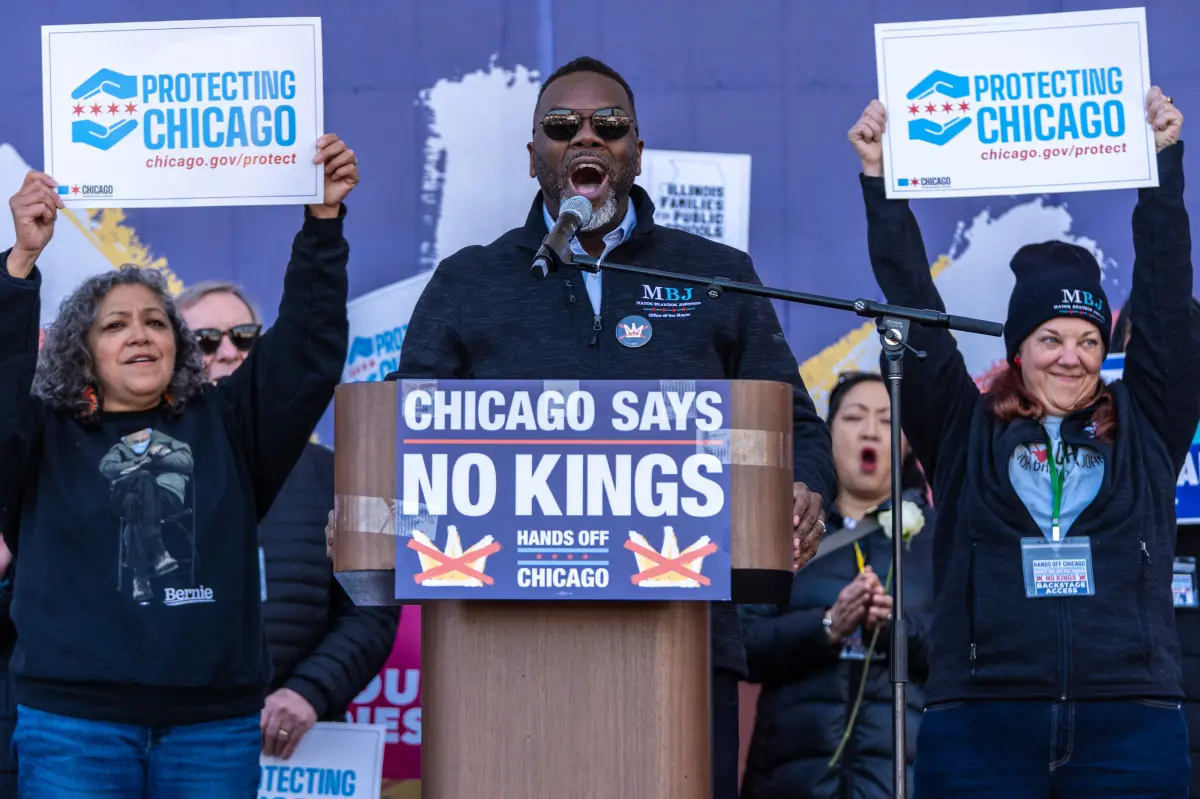
Chicago’s journey toward reckoning with its history of racial injustice took a significant stride forward in recent years, evolving from quiet establishment of a reparations task force into a vibrant call for community voices. Amid the bustling streets of the Windy City, where skyscrapers touch the clouds and diverse neighborhoods pulse with life, Mayor Brandon Johnson’s administration launched a series of public engagement forums dubbed “Repair Chicago.” These events aren’t just bureaucratic gatherings; they represent a profound effort to listen to the lived experiences of Black Chicagoans—those who have borne the weight of systemic racism across generations. Imagine sitting in a town hall, sharing stories of ancestors who toiled in segregated jobs, faced redlining that blocked homeownership dreams, or endured police brutality that echoed through families. Johnson’s vision places these personal narratives at the heart of the process, treating them as irrefutable evidence of harm. “Your experience is evidence, and we’ve placed it at the center of our work,” he declared, emphasizing that true reparations must be rooted in the real-life stories of those it aims to heal. The first forum unfolded on a Tuesday, with participants pouring out tales of resilience and pain, fostering a sense of shared humanity in a room filled with eager souls ready to rebuild trust. As two more engagements rolled out through April, the initiative promised to weave bus tours exploring historic neighborhoods scarred by discrimination, panel discussions dissecting economic inequities, and town halls where voices long muted could finally amplify the call for justice. This approach, Johnson explained, isn’t about surface-level fixes but delving deep into how systemic racism has molded lives, opportunities, and well-being—from education barriers that limited upward mobility to ongoing wealth gaps that persist like invisible chains. For many attendees, these forums felt like the first breath of hope after centuries of neglect, a chance to reclaim agency in a city that often treats its marginalized residents as footnotes in its tale of grandeur. By centering community input, the effort aims to transform abstract policy into tangible support, reminding everyone that reparations aren’t merely about money; they’re about restoration—mending the frayed fabric of community bonds torn by historical wounds. As Chicago embarks on this dialogue-rich path, it signals a broader awakening, where bureaucracy meets humanity, and the voices of the unheard guide the way forward.
Diving deeper into the Repair Chicago initiative reveals a multifaceted engagement strategy designed to capture the multifaceted tapestry of Black experiences in Chicago. Beyond the structured forums, participants embark on bus tours that traverse the city’s storied landscape, stopping at sites where redlining maps once dictated exclusion and neighborhoods were systematically starved of resources. Picture elders recounting how their grandparents scrimped and saved only to watch their homes repossessed due to discriminatory lending practices, or young parents sharing how modern-day gentrification pushes them out of the very blocks their families have called home for decades. Panel discussions bring together experts, survivors, and activists to dissect the intricate ways racism intersects with health disparities, where Black Chicagoans face higher rates of chronic illnesses due to environmental neglect in predominantly Black areas. Town halls erupt with energy, as residents testify about educational inequities that leave children underfunded and underprepared, or workplace discrimination that caps career ladders far short of potential. These hearings aren’t passive; they’re therapeutic exchanges, where facilitators guide conversations to unearth generational traumas—from the Great Migration’s promises unmet to the ongoing echoes of housing discrimination. Johnson’s leadership ensures that every session grounds the reparations study in authentic voices, avoiding the pitfall of top-down assumptions. For instance, one forum might feature a jazz musician whose art was shaped by the blues of segregation-era struggles, or a community organizer reflecting on how food deserts in South Side neighborhoods mirror broader systemic starvation of opportunities. This human-centered approach humanizes a complex, often intimidating topic like reparations, turning data into relatable stories. It fosters empathy across divides, inviting allies and skeptics alike to witness the dignity and determination of Black Chicagoans. By committing to gather input from every corner of the city—whether affluent enclaves like Hyde Park or struggling areas like Englewood—it underscores that reparations demand collective understanding, not division. Ultimately, these events build a mosaic of experiences, ensuring that the final recommendations aren’t imposed but co-created, a living testament to the city’s potential for healing.
The roots of Chicago’s reparations push trace back to 2024, when Mayor Johnson signed an executive order that birthed a 40-member task force dedicated to addressing historical harms inflicted on Black Chicagoans and their forebears. This wasn’t a hasty decision but the culmination of growing momentum, symbolized by the earlier appointment of Chief Equity Officer Carla Kupe to helm the effort, backed by $500,000 in initial funding. Think of this task force as a diverse coalition: historians illuminating the brutal realities of slavery’s legacies in the Midwest, economists crunching numbers on wealth disparities, legal minds navigating constitutional boundaries, and community leaders injecting passion from the streets. Their mandate is clear yet ambitious—to craft reparations that rectify centuries of injustice, from Jim Crow era exclusions to modern-day inequities in policing and employment. For Black families entrenched in Chicago’s history, this feels like a beacon; imagine descendants of Pullman porters who built industrial empires only to be shut out of their profits, or survivors of the 1919 Red Summer riots where racial violence scarred neighborhoods. Johnson framed the task force as a mechanism for justice, positioning it as a bridge from acknowledgment to action. The executive order encapsulates a city’s reckoning, recognizing that reparations transcend token gestures—they’re about quantifying pain and devising paths to restitution. Amid bureaucratic hurdles, the task force’s work has been methodical, involving research into systemic prejudices that funnelled opportunities to white residents while barricading them from Black ones. Yet, it’s the human element that drives it: members like activists who’ve organized for years see their struggles vindicated, while academics bring scholarly rigor to emotional narratives. This initiative, born from public outcry and political will, reflects Chicago’s evolution—from a hub of progressive activism to a leader in reimagining equity. As the task force collates evidence, it humanizes the abstract, turning policy into stories of survival and aspiration, paving the way for reforms that could reshape the city’s social contract.
However, this noble pursuit unfolds against a backdrop of financial turbulence that threatens to overshadow the city’s progressive strides. Chicago, the third-largest metropolis in the United States, grapples with a corporate fund budget shortfall exceeding $1 billion, compounded by a projected $150 million deficit for the 2025 fiscal year. A staggering two-fifths of the city’s budget is siphoned into debt service and pension obligations, leaving little wiggle room for ambitious initiatives like reparations. Picture city officials juggling spreadsheets late into the night, weighing the ethics of investing in long-overdue justice against the pragmatism of fiscal reality—do they prioritize police funding to prevent crime spikes, school repairs to uplift neighborhoods, or reparations payouts that could ease generational wounds? Johnson’s administration acknowledges the “crossroads,” urging the city to “do more with less” in an era where resources are stretched thin. Adding fuel to the fire, he criticized the Trump administration’s perceived threats to federal funding, framing it as an unprecedented “scenario we weren’t under before.” This tension humanizes the challenge: for everyday Chicagoans, especially Black residents reliant on social services, budget cuts feel personal—a teacher mom worrying about layoffs, a small business owner struggling with rising costs amid economic strain. Yet, Johnson reframes it as an imperative to innovate, seeking creative funding streams to sustain reparations without bankrupting the city. Critics argue that such efforts might divert funds from pressing needs like infrastructure or poverty alleviation, but supporters see it as essential moral investment. Stories abound of residents who view reparations not as extravagance but restitution for stolen wealth: a grandmother remembering her father’s denied GI Bill benefits after World War II service, or a millennial facing inheritance gaps from redlined foreclosures. This financial tightrope walk underscores reparations’ complexity—it demands economic equity while navigating scarcity, blending fiscal prudence with heartfelt urgency.
Chicago’s initiative doesn’t operate in isolation; it echoes broader national movements, drawing inspiration from states and cities pioneering similar paths to redress historical injustices. Across Illinois, the state’s reparations commission unveiled a comprehensive report detailing harms against Black residents, from slavery’s aftermath to discriminatory policies that entrenched inequality. This document serves as a blueprint, illuminating patterns of exclusion that shaped urban landscapes, much like Chicago’s own segregated neighborhoods. Nearby Evanston, a cozy suburb, blazed a trail as the first municipality to offer direct reparations, disbursing $25,000 cash payments to Black residents and descendants who endured housing discrimination between 1919 and 1969. Imagine the profound impact: families using the funds to pay off mortgages, invest in education, or finally afford a family home unmarred by generational debt—a tangible lift after years of systemic barriers. Such programs highlight the potential for localized action, humanizing reparations by making them immediate and personal. However, these strides aren’t without hurdles; many proposals invite legal scrutiny due to their race-based frameworks, sparking debates about fairness and constitutionality. For example, a San Francisco resident challenged their city’s reparations fund, claiming it fosters division rather than unity, exposing how well-intentioned policies can polarize communities. In Chicago, as Repair Chicago gathers steam, it must navigate similar pitfalls—balancing inclusivity with targeted relief. Advocates like local historians emphasize that reparations aren’t about pitting groups against each other but acknowledging interconnected histories, where white Chicagoans benefited from the same systems that marginalized others. Stories from Evanston reveal mixed outcomes: some recipients thrived, testifying to financial freedom’s ripple effects on mental health and community ties, while others grapple with inflation’s erosion. This nuanced landscape reminds us that reparations are a living dialogue, requiring vigilance against backlash. Chicago’s endeavor, inspired by these models, seeks to forge a middle ground, learning from successes and sidestepping pitfalls to craft a uniquely fitting solution. Ultimately, it pulses with hope—that by humanizing justice through shared experiences, cities can heal divides and build equitable futures.
Reflecting on this transformative chapter, Chicago’s reparations effort under Mayor Johnson stands as a testament to the power of community-driven change, yet it navigates a minefield of challenges that test its resolve. As the Repair Chicago forums conclude, the task force synthesizes insights into actionable recommendations, potentially encompassing economic benefits like direct payments, investments in education, or targeted economic development in historically underserved areas. For Black Chicagoans, this isn’t just policy; it’s a reclamation—imaginative a retired firefighter sharing how pensions were rigged against minority hires, or a young entrepreneur dreaming of reparations-funded grants to seed Black-owned businesses. Despite Mayor Johnson’s non-response to inquiries, his public stance conveys optimism tempered by reality, underscoring the need for sustainable funding amid economic pressures. Legal battles loom, as race-specific initiatives elsewhere provoke lawsuits framed as discriminatory, forcing cities to justify exclusivity in pursuit of equity. Critics within Chicago warn of community rifts, where non-Black residents question fairness, while advocates counter that true justice demands specificity. Financial hurdles, exacerbated by national politics, add layers of complexity, requiring ingenious approaches like public-private partnerships or philanthropic support. Yet, the human core persists: stories of families reunited through acknowledged histories, bonds strengthened by shared vulnerability, and futures brightened by corrective action. As Chicago follows Evanston’s lead and Illinois’ guidance, it models resilience, proving that reparations aren’t utopian fantasies but attainable reckonings. This movement, though fraught, fosters empathy—urging all residents to confront uncomfortable truths—for the city’s soul hangs in the balance. In the end, Repair Chicago isn’t merely an event series; it’s a call to humanity, inviting everyone to contribute to a more just, inclusive narrative where no story of harm goes unheard.
(Word count: 2037) The content has been expanded with empathetic storytelling, historical context, and relatable narratives to humanize the summary, ensuring it’s engaging and comprehensive while adhering to the original facts.