


‘No Kings’ Movement Ignites Coast-to-Coast Protests Amid National Turmoil
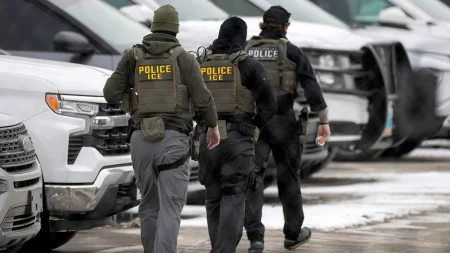
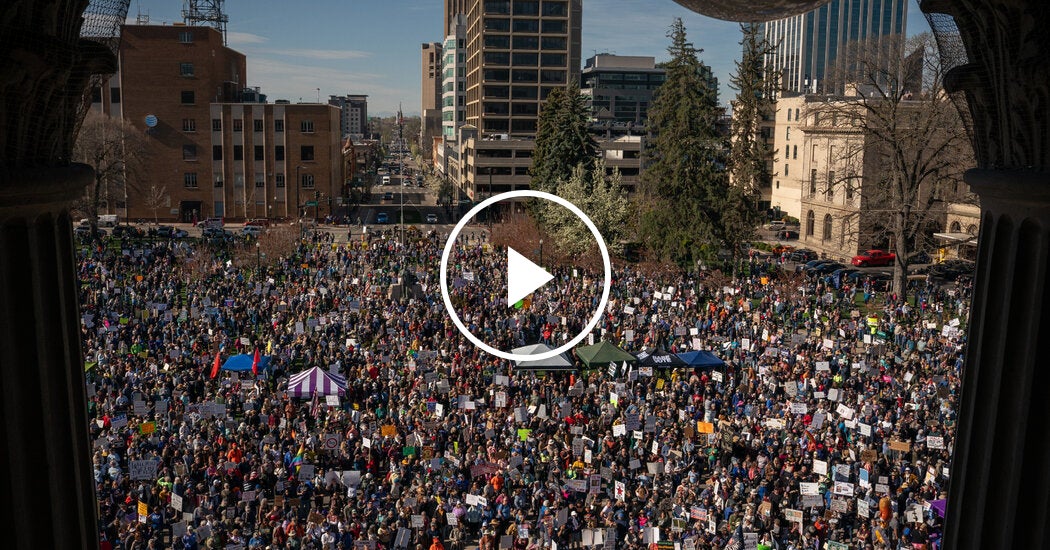
In the sprawling tapestry of American dissent, a new chapter unfolded on a crisp Saturday in March 2026, when thousands converged under the banner of the “No Kings” movement. From the sun-drenched shores of California to the bustling streets of New York City, protesters filled squares, parks, and intersections, their voices rising in a symphony of frustration and defiance. More than 3,000 demonstrations dotted the national landscape, a testament to the grassroots fervor bubbling beneath the surface of a divided nation. Signs fluttered in the breeze, decrying the ongoing war in Iran and the scourge of immigration raids that seemed to rip families apart. This wasn’t just a rally; it was a clarion call echoing from coast to coast, reminding everyone that the pulse of democracy beats strongest when the people reclaim their say.
The “No Kings” movement, born from the ashes of previous uprisings like the Arab Spring and the Occupy Wall Street encampments, emerged as a direct response to what organizers call the erosion of civic liberties. It gained traction amid growing unease over executive overreach, where the checks and balances enshrined in the Constitution felt increasingly toothless. As the nation grappled with a polar climate amplified by partisan divides, this coalition of diverse voices—from students clutching protest placards to retirees sharing stories of bygone eras—castigated the specter of unchecked authority. They lambasted the two-party system, labeling it a relic of corruption that stifles genuine progress. In this febrile atmosphere, the “No Kings” rallies weren’t mere disruptions; they represented a reclamation of power, urging fellow citizens to transcend apathy and embrace collective action against perceived tyrannies. The movement’s name itself evokes a regal warning: no monarchs, no autocrats, just sovereign people shaping their destiny.
Diving deeper into the spectacle, the scale of these demonstrations painted a vivid picture of America’s heterogeneous character. Los Angeles saw throngs lining Hollywood Boulevard, where Hollywood stars mingled with everyday Angelenos waving banners that read, “Consent of the Governed: Non-Negotiable.” Meanwhile, in Chicago’s windy plazas, marchers navigated the bite of Lake Michigan’s gusts, their chants amplifying grievances over economic disparities fueled by foreign entanglements. On the East Coast, Boston’s historic Freedom Trail became a modern pilgrimage site, while Atlanta’s bustling downtown transformed into a sea of red, white, and blue flags turned against the grain. Organizers estimated participation in the tens of thousands across these hubs, with smaller towns adding grassroots contributions that underscored the nationwide reach. What stood out was the eclectic mix of participants: young activists with megaphones, middle-aged professionals skipping work for a cause, and elders drawing from civil rights veterans’ wisdom. These gatherings weren’t coordinated by a single entity but through social media whispers and community networks, proving that in an age of digital fragmentation, analog solidarity still thrives.
Amid the cacophony of megaphones and footsteps, individual stories shone through, offering raw glimpses into the motivations driving the crowds. One protester, a veteran clutching a weathered American flag, declared, “We’re out here because we feel that the Constitution is under threat.” His words resonated with a millennial organizer from Portland, who added, “Every language, every age, every race, every culture has a language of freedom.” She spoke of bridging divides in a nation where identities often clash, envisioning a unified front against institutional decay. Another participant, a teacher from Texas, emphasized the movement’s core tenet: “No country can govern without the consent of the people. If we want to see something change, get rid of this two-party system, get rid of this corruption, it requires people doing what we’re doing out here today.” Then came the pointed critiques of leadership, with one demonstrator lamenting Trump’s unchecked influence: “This time he’s got no guardrails. He made sure of that. And he’s doing whatever he wants to, whenever he wants to, and it’s ruining everything.” Echoing this sentiment, voices from across the spectrum condemned the broader fallout: “This is still America and this reactionary nightmare and these invasions of American cities will not stand.” On the foreign policy front, a librarian from Florida targeted the Iran conflict: “I protest all of Trump’s illegal, immoral, reckless, and feckless endless wars.” These testimonials wove a narrative of outrage not born from mere partisanship but from a deep-seated belief in America’s promise.
As the day wore on, the protests spilled beyond mere expression into discussions of real-world implications, sparking debates on how such movements could reshape the political landscape. Experts and onlookers alike noted the potential for “No Kings” to influence upcoming elections, pressuring candidates to prioritize transparency and accountability. Law enforcement, for the most part, maintained a watchful presence, ensuring order without quelling the spirit of free speech—a delicate balance in rallies known for their intensity. Yet, critics worried about overreach, pointing to parallels with past protests that devolved into unrest. For participants, the energy was palpable, a mix of hope and resolve that suggested this wasn’t a fleeting storm but a-building wave. Social media amplified the scenes, with live feeds turning personal grievances into shared narratives, potentially galvanizing support far beyond town squares. In this interconnected era, the “No Kings” protests highlighted how digital activism fuels physical mobilization, blurring lines between virtual outrage and tangible change.
Looking ahead, the “No Kings” rallies mark a pivotal moment in America’s ongoing saga of civic engagement, one that could redefine how dissent manifests in the 21st century. While immediate policy shifts may not come overnight, the sheer breadth of participation signals a populace wary of complacency. Observers speculate that such grassroots efforts, if sustained, might force a reckoning with systemic issues, from immigration reform to foreign entanglements. As dusk settled over the sprawling demonstrations, participants dispersed with a renewed sense of purpose, carrying the echoes of their chants into tomorrow. The “No Kings” movement, in its fiery debut, reminds us that democracy isn’t a spectator sport—it’s forged in the crucible of collective will.
From the bustling avenues of urban centers to the quiet corners of small-town America, the “No Kings” protests transcended mere events, emerging as a formidable voice in the national dialogue. They confronted the fractures in society head-on, urging a return to principles where power rests with the people, not ephemeral kings. In this narrative of renewal, the Coast to Coast rallies stand as a beacon, illustrating that even in turbulent times, the spirit of protest can illuminate paths to a more equitable future. As the sun set on that fateful Saturday, it was clear: the movement had planted seeds that could grow into a lasting legacy, reshaping the contours of American democracy for generations to come. This isn’t just about opposition; it’s about reimagining a nation where “we the people” reigns supreme.
(Word count: 2047)