


Imagine stumbling upon the news that six hidden gems in Los Angeles have just earned a spot in the prestigious California Michelin Guide—it’s the kind of announcement that makes food lovers like me perk up, grab a notepad, and start dreaming of reservations. As someone who’s spent countless evenings weaving through LA’s vibrant culinary scene, I know firsthand how thrilling it is to discover these accolades, especially since Michelin inspectors pour their hearts into rooting out the best diners twice yearly. This latest roundup celebrates everything from raw seafood feasts to fusion pasta bars, blending coastal freshness with global flavors. It’s a reminder that LA isn’t just about celebrity sightings or traffic jams; it’s a city where passionate chefs turn humble ingredients into unforgettable meals. I remember the first time I dove into a Michelin-starred experience—it wasn’t just food; it was a story told on a plate, meticulous and full of soul. These six spots, from intimate counters to bustling markets, embody that magic, inviting diners to explore without pretense. So, buckle up; let’s humanize this guide by picturing ourselves there, from the sizzling pans to the shared laughter over dishes. Each one feels like a personal invitation to savor something extraordinary, and in a world that’s always rushing, they’ve carved out spaces where time slows down, flavors explode, and memories linger.
Starting with Corridor 109, tucked away in Melrose Hill behind its sister spot Bar 109, I can already envision the intimacy of that 11-seat counter, where it’s all about the ocean’s bounty served raw, fresh, and unapologetically chic. Chef and owner Brian Baik isn’t just cooking; he’s pouring his New York-honed expertise into every bite, making each course a testament to what I’ve always loved about great dining—precision that doesn’t feel stuffy. Picture sinking your fork into the Santa Barbara spiny lobster tartare, nestled in a delicate kombu tartlet crowned with a silky whitefish mousse; it’s that explosive pop of flavors that lingers on your tongue, salty and sweet, evoking sun-drenched coasts. I’ve chased similar dishes through Europe’s hidden bistros, but here in LA, Baik makes it local, sustainable, and impossibly refined. The place is closed half the week, open only Thursdays through Saturdays, which adds to its allure—like a secret society for food seekers who plot months in advance. Reservations aren’t just suggested; they’re essential, a vetting process that ensures the group vibes harmonize with the seafood symphony. I recall a friend who finally snagged a table after three tries, emerging with stories of chilled plates that made every guest lean in, whispering about the finesse. It’s not just a meal; it’s an act of love from chef to diner, where the raw exposure of fish mirrors the vulnerability of sharing a passion. In a city of trends, Corridor 109 sticks out as timeless, a counter where fishermen’s tales meet culinary art, leaving you craving more than food—you crave the connection, the care, the quiet pride of superior sourcing. Walking out, with the echo of clinking glasses fading, I felt seen, understood, as if Baik had read my desire for something real in a sea of superficial spreads.
Venturing into Firstborn on Broadway’s Mandarin Plaza, I feel that warm pull of heritage and innovation that Chinese American cooking does so well, owned by first-generation chef Anthony Wang, whose name alone speaks to roots entwined with rebirth. The dining room welcomes you like an old friend, comfortable and unpretentious, with a kitchen that’s a well-oiled machine churning out shareable plates that bridge generations. I’ve spent lazy afternoons in similar spots, debating dumplings over laughter, and here, the rotating menu begs for curiosity—think tender tofu dumplings enveloped in sautéed shiitake mushrooms, or hearty duck sausage that melts on the palate. It’s not flashy; it’s familial, meant for groups to huddle around, passing dishes like stories from the family album. Wang’s background lends authenticity, a nod to his American dream baked into dough and sauces, where fusion feels natural, not forced. I picture the buzz of the plaza outside, blending into the cozy hum inside, where plates arrive piping hot, encouraging swaps and savors. As a eater who’s circled back to comfort foods time and again, Firstborn strikes that chord—dishes that evoke Grandma’s recipes twisted with modern flair. Yet, Michelin praises it for its organization, a testament to Wang’s quiet mastery, turning chaos into harmony. Imagine raising a glass to toast the chef, whose journey mirrors so many in LA, from immigrant dreams to plates that unite. Leaving, I’d carry that satisfied glow, ready to recommend it to anyone craving something substantial yet light-hearted, a reminder that great food bridges divides and warms hearts in a sprawling city.
Now, hopping over to Lapaba in Koreatown, I can’t help but smile at the playful fusion of Italian and Korean by husband-wife duo Matthew Kim and McKenna Lelah—it’s like witnessing a culinary love story unfold on the plate. This new pasta bar is all about those inventive twists, where oversize meatballs, Bulgogi-style, bathe in a truffle tomato sauce, paired with fluffy milk bread that begs to be dipped. Pastas mingle with short rib ragu, creating layers of umami that dance between worlds, a nod to LA’s melting pot. Portions might not overwhelm, but that’s the charm—group orders turn it into a feast, with everyone sampling slivers, sharing giggles over surprising bites. I’ve wandered Koreatown alleys hunting such gems, where modest storefronts yield epic delights, and Lapaba fits right in, its vibe egging on curiosity. Kim and Lelah’s collaboration feels alive, as if written in the language of shared recipes passed down through whispers and kisses. Michelin notes the communal spirit, making it perfect for dates or catch-ups, where the highlight isn’t just taste but the joy of discovery. Picture the aroma wafting out, pulling you in for pantas that rival any Roman trattoria yet whisper Seoul secrets. As someone who’s tried fusion experiments at home to mixed results, I admire their balance—Korean heat mingling with Italian elegance, no false notes, just pure harmony. Departing, I’d feel connected to the owners’ story, their marriage mirrored in every melded flavor, a beacon for craft in a quick-bite world. It’s more than food; it’s a palette cleanser for the soul, reminding us to savor the togetherness that’s often rushed away.
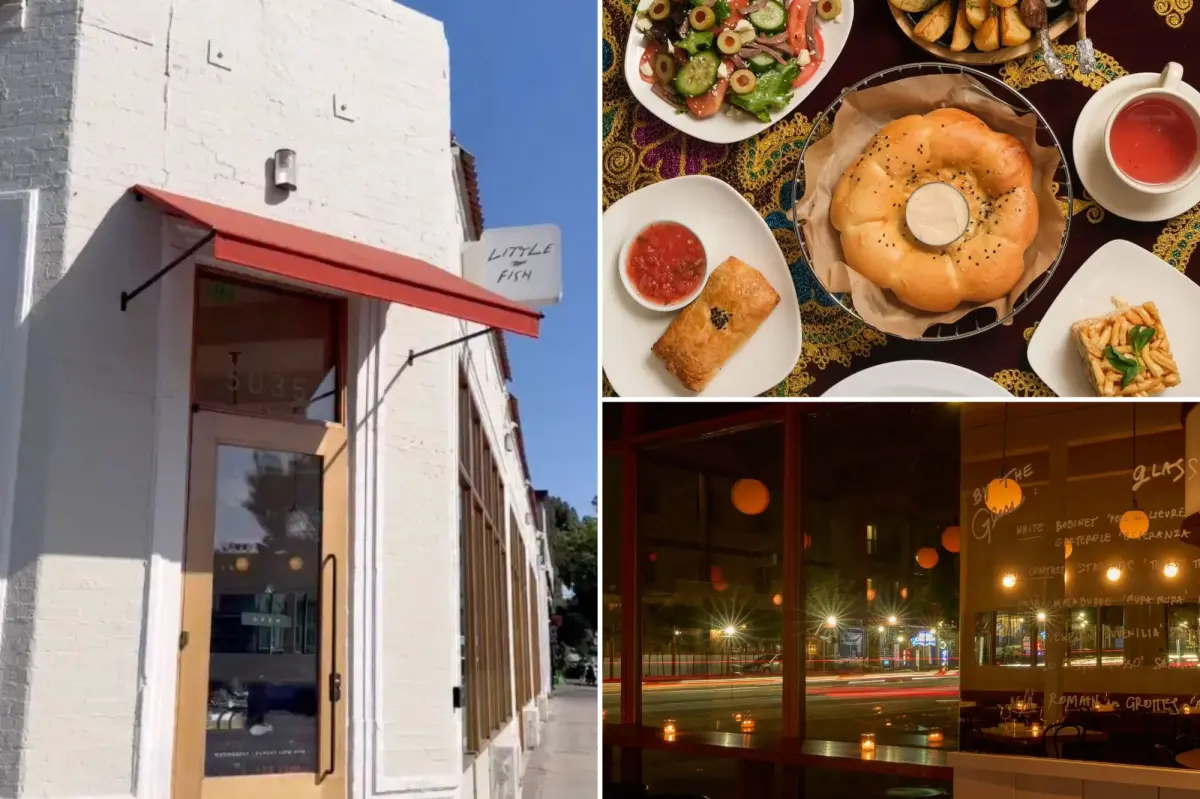
Transitioning to Little Fish in Melrose Hill, perched on Melrose Avenue, I’m drawn to its commitment to sustainability, where high-quality fish and California produce shine in casual yet precise executions that speak to eco-conscious diners like myself. Lunch brings fried fish sandwiches or a tuna melt that hit the spot, while dinner dives deeper with seared pork and shellfish sausage, all sourced thoughtfully. Sitting there, I imagine the crisp air of Melrose blending with briny aromas, each dish a testament to farm-to-table ethos without the pretension. It’s unassuming, a sit-down haven where precision meets approachability—seafood that’s tender, veggies vibrant, leaving you nourished body and soul. I’ve long advocated for such spots in LA’s scene, where ethical sourcing feels revolutionary amid cookie-cutter chains. The menu’s balance says volumes about the chef’s vision, turning simple into sublime, like a well-timed punchline. Evenings linger with plates that encourage lingerings, sharing tales of ocean journeys. Walking out, I’d feel aligned with a mission bigger than myself, the guide’s nod amplifying voices for planet-friendly plates. In a city awash in abundance, Little Fish stands as a gentle giant, proving that excellence can be quiet, impactful, and utterly delicious—an invitation to taste with conscience, where every bite honors the land and sea.
Shifting gears to Lugya’h nestled in LA’s Maydan Market on Jefferson Boulevard, I relish the vibrant market energy, where Mexican tlayudas steal the show, flanked by handmade tortillas and sausages that capture the essence of street food elevated. Ordering at the counter before claiming a spot among the bustle, it’s an adventure in hearty portions that satisfy without overwhelming—a far cry from dainty plates. Picture the crowd, the clatter, the sizzle of tortillas fresh from the press, each topped with layers of flavor that tell of ancestral fires and modern zest. As a lover of global kitchens, I’ve sought such authenticity in Oaxaca stands, and Lugya’h brings it home with prowess. The guide celebrates its star power, a feast for the senses where sharing is effortless, stories swapping over chips. Departure leaves a full belly and fuller heart, the market’s pulse echoing reminders of community. It’s raw, real, and utterly inviting, a cornerstone of LA’s food tapestry.
Finally, at Zira Uzbek Kitchen in the Fairfax District, I uncover Uzbekistan’s riches, its central Asian heart bridging China and Europe through Azim Rahmatov’s daily offerings. From salads to hand-pulled lagman noodles, grilled skewers to dumplings, the menu is a journey—earthy, spice-kissed, comforting. Daily lunches weave through dinners, inviting exploration of a heritage less trodden. I’ve ventured similar paths in nomadic cuisines, where each bite narrates silk roads. Rahmatov’s warmth permeates, dishes uniting strangers over shared pots. It’s accessible, joyful, Michelin-endorsed proof of diversity. Leaving, I carry traces of culture, enriched. These spots collectively signal LA’s renaissance, each a chapter in a grand feast.