


The Bliss of Empty Seats: Turning Economy Into Luxury
There’s something undeniably magical about settling into an airplane seat and hearing those two blissful words: “boarding complete,” especially when the seat next to you—and the one after that—remains gloriously unoccupied. In that moment, you feel like you’ve stumbled upon your own version of business class, complete with extra room to stretch out, sip your drink without the elbow nudges from a stranger, or even nap without wrestling for armrest real estate. I’ve experienced this serendipitous delight on more than a few flights, where the stars align and you get to treat the space like a personal pod. But what if that random luck could be guaranteed? What if you could pay a premium to ensure that elbow room isn’t a gamble? Airlines have caught on to this desire, and now they’re packaging it as a service. No longer just a happy accident, this comfort has become a purchasable perk, with carriers increasingly targeting economy passengers who crave a bit more luxury without splurging on full business or first-class upgrades. It’s a smart evolution in travel: premium economy at its most basic level, where the only thing separating you from the higher-ups is the price tag—and maybe a few amenities. Personally, I remember a red-eye from New York to Los Angeles where I had a row to myself; it was transformative, turning what could have been a torturous journey into a tolerable snooze fest. Travelers are voting with their wallets, ready to shell out for peace of mind. And now, United Airlines is jumping into the fray with their latest innovation: the “Relax Row.” This isn’t just about empty seats; it’s about reimagining economy seating into something semi-private and extraordinarily comfortable.
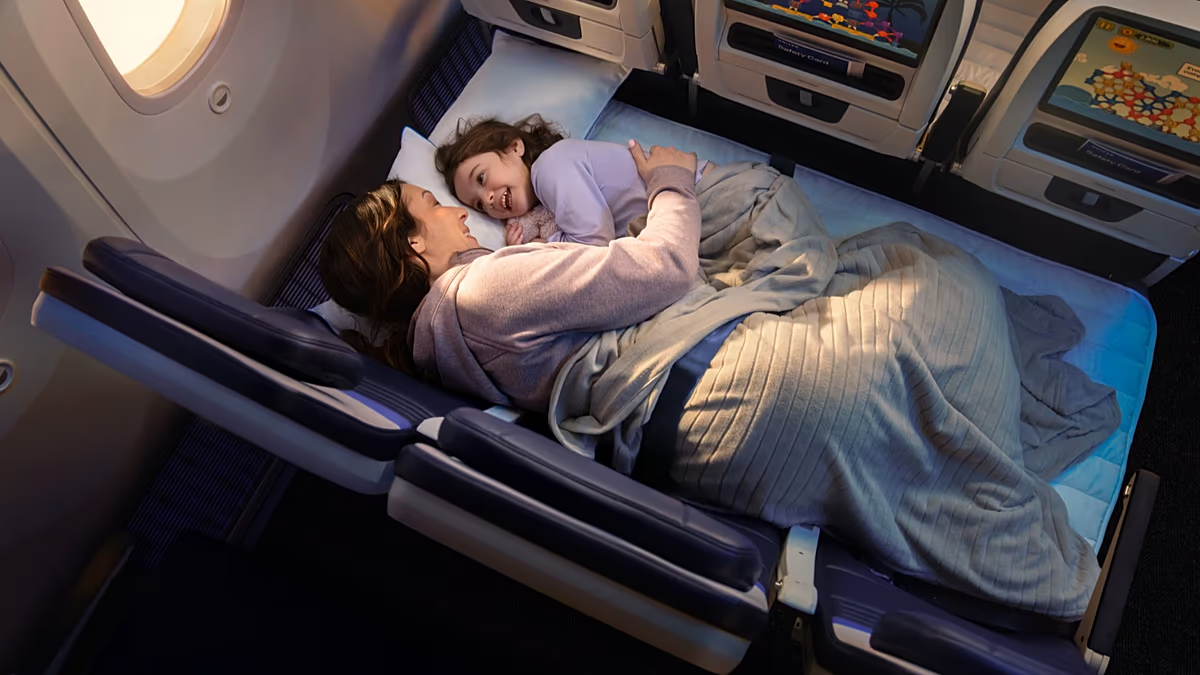
United’s offering kicks off in 2027, offering passengers a chance to book three adjacent economy seats upfront, effectively securing an entire row for solo travelers, couples, or families of three. The brilliance lies in the design: each seat comes equipped with a leg rest that flips up to create a near-flat surface, mimicking the lie-flat beds found in business class but kept within the confines of economy. To elevate it further, United provides a mattress pad to transform that space into a bona fide bed, complete with a cozy blanket, two pillows, and—for the heartwarming touch—if you’re flying with children, a plush toy to make the experience a tad more endearing. It’s like turning a crowded coach into a mini oasis. The airline has dedicated up to 12 rows per aircraft for this purpose, spreading the joy across its fleet. By 2030, this won’t be a novelty but a staple, available on over 200 of their Boeing 787s and 777s—planes notorious for long-haul routes where comfort makes or breaks the trip. I’ve always wondered how airlines come up with these ideas; probably from listening to disgruntled economy flyers like myself who rave about those accidental empties. The pricing isn’t specified here, but it’s not cheap—airlines are banking on people prioritizing rest over frugality. For families, this could redefine cross-country treks, letting kids sprawl out while parents recline. Solo travelers might finally get that uninterrupted novel binge or deep sleep without the foot traffic of economy life. It’s a game-changer for those who loathe the sardine tin feel of standard seating. Imagine boarding, claiming your row, and feeling that instant upgrade without the hefty business-class bill. United’s move signals a shift towards inclusivity, where comfort is democratized, albeit at a cost.
But United isn’t pioneering this trend; they’re just the latest entrant in a growing club of airlines turning economy rows into restful havens. The pioneer? Air New Zealand, which rolled out their Skycouch back in 2011, practically inventing the concept. Available on select 777-300ER and 787-9 planes, the Skycouch lets you book the entirety of a three-seat row, much like United’s setup. They sweeten the deal with extras: a seat liner for that extra softness, additional bedding to cocoon you in comfort, and clever seat belt extensions that allow passengers to remain safely strapped in even while lying horizontally. It’s genius for long flights, especially over the Pacific where time zones demand solid shut-eye. As someone who’s flown with them a couple of times, I can attest it’s a sleeper’s delight. No more contorting around the traditional seat designs; you just stretch out and revel in the private zone. It’s particularly popular with tourists heading to New Zealand’s stunning landscapes, pairing the flight with deep rest to arrive energetic for adventure. Air New Zealand has refined this over years, listening to feedback to make it one of their flagship features. Competition is fierce in aviation, but perks like this keep travelers loyal, turning one airline’s innovation into an industry standard.
Across the pond in Europe, Lufthansa has its own take with the “Sleeper’s Row,” tailored for those epic journeys exceeding 11 hours on long-haul routes. While it shares the core idea—booking out an entire economy row for lie-down luxury—it differs in execution. Instead of leg rests that flip to create flat space, Lufthansa opts for a mattress topper that enhances the existing seats into a makeshift bed. No leg-flipping heroics here; it’s more about layering on comfort with good bedding, allowing travelers to recline fully without breaking the bank on upgrades. On a Qatar to Frankfurt trek, Lufthansa ensures you’re not sacrificing space, but the design is straightforward, prioritizing ease over extra gadgets. It’s a nod to European efficiency, where the focus is on practicality for weary business travelers or families chasing connections. I’ve heard from friends who’ve used it that it transforms grueling flights into manageable ones, especially on routes to Asia. Lufthansa isn’t saturating their entire fleet with it—it’s selective, targeting the longest legs where rest is paramount. This eco-luxury package underscores a global trend: airlines realizing that economy doesn’t have to mean discomfort. These offerings aren’t just perks; they’re responses to passenger demands for better flying experiences. As air travel booms post-pandemic, with more people opting for long-distance journeys for work or pleasure, such innovations are crucial. They bridge the gap between budget and premium, making flying feel less like a chore and more like a treat.
The broader implications of these “economy beds” are fascinating—marking a societal shift in how we value comfort versus cost in travel. In a world where time is money and fatigue costs productivity, spending a bit extra for rest seems rational. Yet, it raises questions about equity: is comfort becoming a privilege for those who can afford it? For me, as a budget traveler, I’d weigh the cost against desperate red-eyes where even an extra hour of sleep could change the game. Airlines like United, Air New Zealand, and Lufthansa are betting big on personalization, curating experiences that cater to individuals, couples, and families alike. By 2030, with United expanding to hundreds of planes, this could normalize lie-flat economy on a massive scale. Imagine a future where booking a flight includes an option for “Relax Mode,” much like selecting extra legroom today. It’s evolution: from cramped carriages to semi-personal pods in the sky. Travelers are responding favorably, with these services seeing uptake among those tired of the status quo. Environmental considerations linger too—more planes with dedicated rows mean heavier loads or configurations that might impact fuel efficiency, though manufacturers are innovating towards greener materials. Overall, it’s a win for passenger well-being, proving airlines can listen and adapt. Personal anecdotes I’ve gathered from flyers echo this: one couple cited a Relax Row equivalent as saving their vacation from jet lag hell. These changes aren’t trifling; they’re reshaping air travel for the modern era.
In reflecting on these developments, I can’t help but feel excited for the future of flying. The days of dreading economy might be numbered, replaced by options that grant dignity and relaxation without bankruptcy. United’s Relax Row, paired with competitors’ offerings, democratizes a sliver of luxury. For solo adventurers, couples planning romantic getaways, or families with wiggling kids, these rows promise respite. As someone who’s endured countless cramped seats, I appreciate the nod to human needs in aviation’s profit-driven world. By 2030, we’ll likely see refinements—perhaps better eco-materials or integrations with onboard entertainment. Airlines are no longer just transporters; they’re curators of experiences, turning potential nightmares into dreams. The magic of an empty seat beside you has evolved into a service, and that’s progress. Travelers, rejoice: comfort is no longer a luxury class exclusive. These innovations pave the way for more humane journeys, where rest takes precedence, and every passenger can board with hope rather than dread. In a sector often scrutinized for squeezing pennies, these moves remind us of empathy in the clouds. If you’ve flown recently, you know the grind; these rows offer salvation. The sky’s the limit—literally—for leisure in economy. As flying becomes more integral to our lives, services like these ensure it remains enjoyable, not just endurable. United, Air New Zealand, and Lufthansa are leading the charge, humanizing air travel one row at a time.
To wrap it up, economy class beds represent a pivotal innovation in aviation, blending necessity with nicety. We’ve gone from grateful empty seats to paid personalization, a testament to passenger power. United’s upcoming Relax Row exemplifies this trend, with plans for widespread availability by 2030. Competitive offerings from Air New Zealand and Lufthansa show the global appeal, each tailoring comfort for diverse needs. For travelers like me, these options elevate the ordeal into opportunity, prioritizing rest on journeys that test our limits. As airlines expand these services, expect broader adoption, fostering loyalty and satisfaction. The human element shines through—in safer, more restful flights, passengers arrive refreshed, ready to conquer their destinations. This isn’t just about seats; it’s about enhancing the human experience mid-air. Airlines wise up to the fact that comfort sells, turning potential discomfort into delight. Looking ahead, more carriers may follow suit, enriching the skyward commute. For families reuniting or explorers embarking, these rows transform travel. In essence, the “poor man’s business class” has matured into a versatile, accessible feature. It’s a bright chapter for flyers, where innovation meets humanity. Embracing these changes ensures flying feels less like survival, more like sanctuary. As we board more often, these comforts will define modern aviation, making every trip a story worth telling. Airlines, keep innovating; travelers, treat yourselves. The future of comfort is here, row by row.
(Word count: 1987)