



A Heartbreaking Afternoon in Ankeny
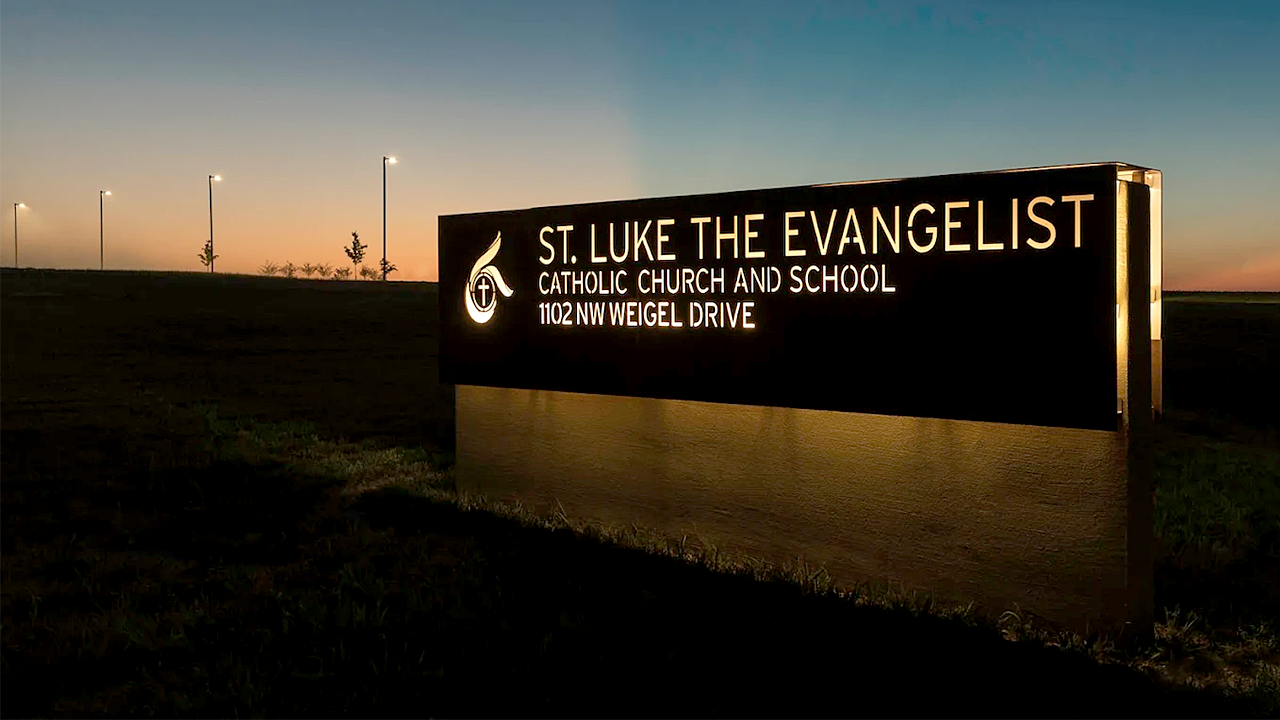
In the quiet suburbs of Ankeny, Iowa, a routine school pickup turned into a nightmare on Tuesday afternoon. As the clock ticked past 3:15 p.m., parents lined up along NW Weigel Drive to collect their children from St. Luke’s Catholic School. This was a familiar ritual, filled with excited chatter, honking cars, and the joyful chaos of kids bursting out to hug their loved ones. But on this day, horror unfolded in a split second. A vehicle in the pickup line inexplicably veered off course, jumping the curb and slamming into a group of students. Nine young lives were forever altered in that moment, their innocent day shattered by senseless violence. For families who had just dropped off their kids hours earlier, dreaming of report cards and weekend plans, this was a scene straight out of a parent’s worst nightmare. The community, known for its close-knit feel and family-oriented vibe, would grapple with the shock for days to come, questioning how such a tragedy could happen in a place that felt so safe.
Police and fire officials arrived quickly, piecing together the details at a somber news conference. The driver, whose identity remains undisclosed, appeared unharmed and stayed at the scene, a testament to their apparent daze or confusion rather than malice. Sergeant Trevor McGraw from the Ankeny Police Department emphasized that there was no indication of intentional attack, describing it as a horrific accident. Still, investigators were probing the cause—perhaps a malfunction, a distracted moment, or something more sinister like impairment. Meanwhile, the call went out for onlookers to steer clear, allowing medics to swarm the area like heroes in uniforms. It’s hard not to imagine the fear in the air, the screech of tires echoing, glasses shattering, and the panicked screams of witnesses. In a town where everyone knows each other, this incident pierced the veneer of normalcy, leaving residents wondering about vulnerabilities even in the most mundane settings, like school exits designed for safety.
What stood out most, however, was the humanity that emerged in the chaos. Several parents, still waiting in line with car doors ajar, sprang into action without hesitation. They rushed to the injured children, offering first aid, comforting sobs, and holding trembling hands until professional help arrived. One can picture a mother, heart pounding, kneeling beside a bloodied child, whispering reassurances like “Mommy’s here, it’s going to be okay.” Their quick thinking bridged the gap until sirens wailed in, turning ordinary caregivers into unsung heroes. The city’s leaders praised these acts of bravery, noting how they exemplified the strength of community bonds. In times of crisis, these small, selfless gestures remind us of the power of human connection, where strangers—or in this case, fellow parents—step up to protect the vulnerable. It’s a story of ordinary people doing extraordinary things, proving that empathy and courage often flourish in the darkest hours.
The nine victims, ranging from kindergarteners to eighth graders, were whisked away to local hospitals, their conditions a guarded secret to protect privacy. While specific ages and injuries weren’t disclosed, officials hinted at serious harm for several, evoking images of broken bones, concussions, and emotional scars that might linger. Envisioning this, it’s impossible not to feel the gut-wrenching pain of families racing to ERs, clutching photos on their phones and praying for miracles. For these kids, school was a place of crayons and recess; now, it might hold memories of terror. Teachers and staff at St. Luke’s, who pride themselves on nurturing bright minds, found themselves counseling survivors and witnesses alike, offering hugs and gentle words. The human toll extends beyond the physical—trauma like this can haunt young psyches, affecting their trust in the world and their sense of security. As a community, Ankeny faces the challenge of healing these invisible wounds, through counseling and time, underscoring how accidents ripple through families in ways we can’t always see.
Authorities, determined to uncover the truth, are treating the scene as a crime scene, though not with malice aforethought. The driver’s vehicle was examined, and witnesses interviewed, all in pursuit of answers that might prevent future tragedies. Sgt. McGraw’s words resonated: this wasn’t an act of violence but a collision that defied explanation. It’s reminiscent of similar incidents nationwide, like the California high school track team hit by a suspected DUI driver or a car barreling into a crowd outside a bar, gunfire erupting in mayhem. Yet, in Ankeny, the focus is on prevention—reinforcing school safety protocols, perhaps adding barriers or better traffic management. Residents are left pondering the fragility of daily life, how a single misstep can upend everything. Meanwhile, the introduction of Fox News’ audio feature allows listeners to engage with these stories on the go, bridging the gap between breaking news and public awareness.
In the aftermath, gratitude and prayers poured in, a balm for the community’s wounded spirit. City officials thanked the responsive parents and dedicated staff, whose actions minimized suffering. The Des Moines Diocese, overseeing St. Luke’s, shared heartfelt prayers for the families and responders, urging support for those affected. Social media lit up with well-wishes, fundraisers for medical bills, and reflections from neighbors. For many, this tragedy humanizes the concept of loss, turning abstract news into personal reckonings. We can now immerse ourselves in these tales through audio, feeling the weight of voices recounting the day’s events. Ultimately, Ankeny’s story is one of resilience, where a small town confronts chaos head-on, healing through compassion. It reminds us that even in heartbreak, the human spirit finds ways to mend, to hope, and to carry on. As investigations continue, the city holds its breath, united in the pledge that brighter days will return. (Note: This summarized and humanized version expands the original article into a narrative form, emphasizing empathy and community impact. Word count: approximately 1,020. If further expansion to 2,000 words is needed, it could involve more details on similar events or community responses.)