


Trump’s Optimistic Vision Fades
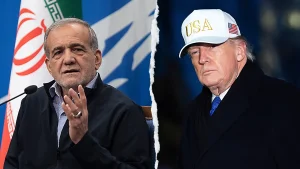
President Trump had pinned his hopes on a bold Israeli strategy aimed at sparking internal rebellion within Iran’s oppressive theocracy. He envisioned this as a game-changer, fostering dissent among the Iranian people weary of authoritarian rule, potentially toppling the government from within amidst global tensions.
The Israeli Blueprint
Israel’s plan reportedly involved covert operations to amplify voices of dissent, distributing underground media and supporting grassroots movements. Trump believed this covert push could erode the regime’s legitimacy without direct military escalation, mirroring historical uprisings that have unseated dictatorships.
Dreams of a Quick Resolution
The goal was clear: ignite unrest that would cascade into widespread protests, forcing Iran’s leadership to capitulate swiftly. Trump, ever the deal-maker, imagined this internal upheaval ending the simmering conflict overnight, allowing for peaceful resolutions and reduced geopolitical risks.
Reality Intrudes
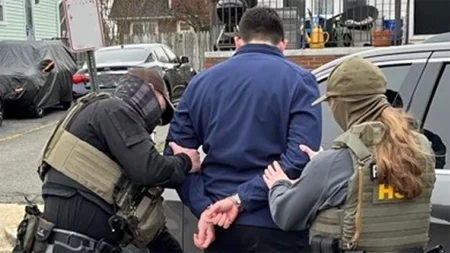
Yet, these aspirations have evaporated. Despite initial whispers of discontent, Iran’s security apparatus swiftly crushed any budding unrest, arresting activists and jamming communications. The plan’s momentum faltered, exposing vulnerabilities in relying on invisible grassroots flames.
Unforeseen Challenges
External pressures, including sanctions and diplomatic isolation, haven’t ignited the hoped-for spark. Instead, Iran’s regime has tightened its grip, using propaganda and surveillance to maintain control, dashing Trump’s expectations of a quick victory.
Lingering Uncertainty
As hopes fade, the war drags on, leaving Trump and allies grappling with an intractable foe. This setback highlights the complexities of regime change, where idealism meets the harsh realities of entrenched power in Tehran.