



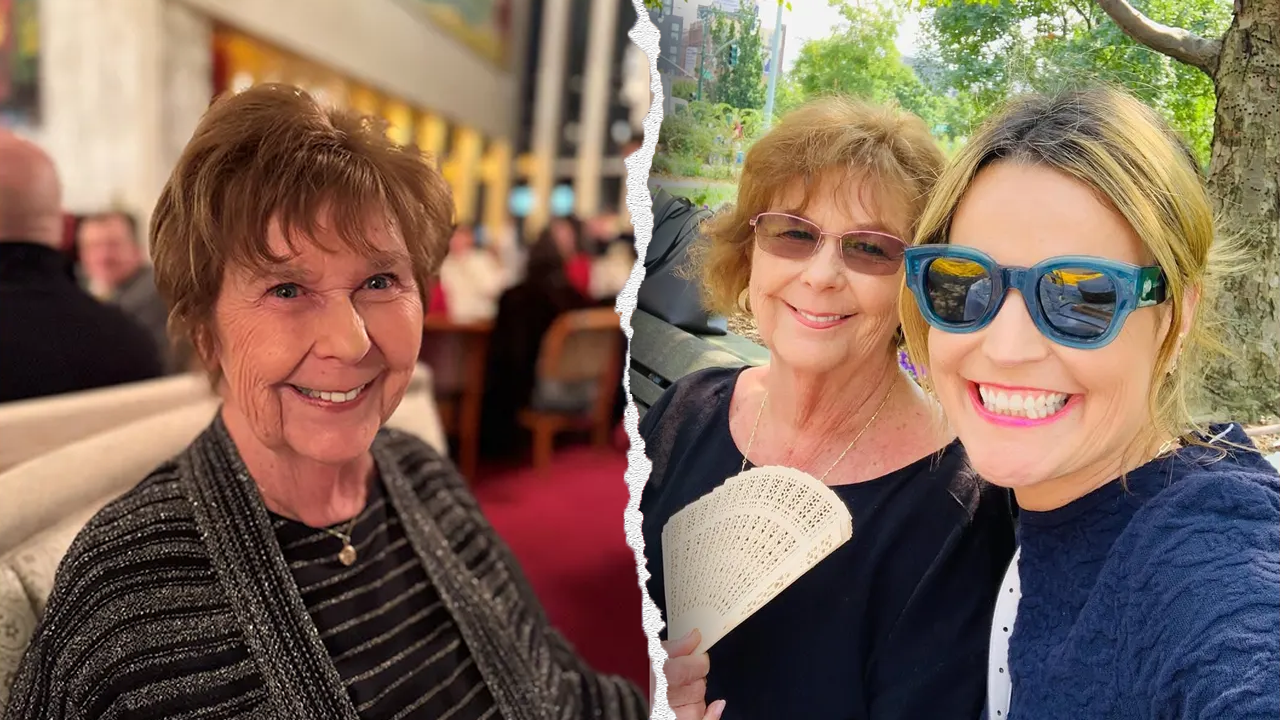
The Heartbreaking Burden of Uncertainty
Imagine a family grappling with the unbearable weight of a mother’s disappearance in the dead of night, seven weeks into a search that feels endless. For the Guthries—Camron and Kristine, Annie and Tommaso, Savannah and Michael—the reality of losing Nancy Guthrie, an 84-year-old woman whose vibrant spirit touched so many, has turned their lives into a whirlwind of pain and unanswered questions. As Savannah Guthrie, the well-known co-host of NBC’s “Today” show, shares in a raw, heartfelt Instagram post from her extended family, they’re “desperately” calling for renewed attention from the Tucson community. This isn’t just another missing persons case; it’s a deeply personal cry for help, a plea to jog memories and uncover clues that might bring their mother home. Posted just before midnight on a Saturday night, the message resonates with the raw vulnerability of a family united in grief, yet unwilling to accept defeat. They write, “We miss our mom with every breath, and we cannot be in peace until she is home. We cannot grieve; we can only ache and wonder.” These words paint a vivid picture of a household frozen in limbo, where laughter has been replaced by silent tears, and routines are disrupted by haunting what-ifs. Nancy wasn’t just a matriarch; she was the anchor, the one who gathered everyone for dinners, sat through endless stories, and offered wisdom drawn from a life well-lived. Now, without her, the Guthries describe nights where sleep evades them, dreams haunted by visions of her walking through the door with that familiar smile. The post, shared across the family’s Instagram and echoed on pages like KVOA’s, humanizes their struggle in a way official statements rarely do, reminding us that behind the headlines, there are real people enduring an emotional storm that shows no signs of abating. Each day stretches into another, filled with the mundane acts of living—cooking meals no one fully tastes, answering calls from well-meaning friends, and scrolling through social media for any shred of hope. For Savannah, juggling her high-profile career with this personal tragedy, it must feel like the world keeps spinning while hers has come to a halt, every broadcast a reminder of the distance from her mother’s embrace. The family’s plea isn’t desperate in the sense of frantic pleas; it’s a measured, loving appeal that underscores their belief in community strength. They thank neighbors, friends, and Tucson residents for their unwavering support, calling them “all family now”—a phrase that speaks to the way collective empathy can forge unexpected bonds. This renewed call to action comes as investigators hit roadblocks, prompting the Guthries to reach out more broadly, knowing that even the smallest detail could unlock the mystery.
Piecing Together the Puzzling Timeline
To truly understand the Guthrie family’s ordeal, one must delve into the critical timelines that paint Nancy’s last days as a series of seemingly ordinary moments now scrutinized under a microscope. The story begins on January 31, the evening she was last seen alive by her loved ones. Picture the scene: a warm family dinner, perhaps savored with home-cooked dishes and easy conversation flowing like wine. Nancy, the epitome of grace and warmth, likely shared stories of her youth, her travels, or mundane joys like a favorite book or a neighbor’s chat. She and her children—or perhaps grandchildren—lingered into the night, the kind of gathering that strengthens familial ties and creates lasting memories. No one could have foreseen that this would be the final time they saw her, her laughter echoing in their minds like a cruel tease. By the early morning hours of February 1, reality pierced the bliss when Nancy didn’t appear for church, a ritual she held dear. Her absence was unsettling at first—a misunderstanding, surely—but calls went unanswered, doors remained locked, and panic set in. That fateful day, the family reported her missing, and what started as a faint worry exploded into a community-wide search. The Guthries highlight another pivotal date in their statement: the late evening of January 11, shrouded in mystery and tied to unsettling revelations from door security camera footage. This clip, reportedly capturing a masked man approaching her doorstep, adds layers of intrigue to what was once a quiet life in Tucson’s Catalina Foothills neighborhood. It’s easy to imagine Nancy, a widow and grandmother, living her days with a sense of independence—gardening, reading, or hosting small gatherings—oblivious to the shadow lurking outside. Was this intruder a harbinger of worse, or merely bad timing in a world full of strange encounters? The family doesn’t speculate, but their inclusion of this date suggests they see it as a thread in the tapestry of her vanishing. Investigators have poured over these moments, analyzing them for clues that might link to her disappearance. Each detail, from the time of the dinner to the exact hour of the intruder’s appearance, represents a breadcrumb in a trail still obscured by fog. The Guthries emphasize that no detail is too small—be it a conversation, a journal entry, or even a seemingly insignificant observation from that odd February morning. This approach humanizes the search, turning cold facts into personal narratives. What was Nancy doing in those final hours? Did she receive any unusual calls, or was there an interaction that felt off but was dismissed at the time? Family members have likely replayed every interaction endlessly, questioning if they missed signs of trouble. In sharing these timelines, the Guthries aren’t just informing; they’re inviting the community into their inner turmoil, encouraging neighbors to revisit their own memories of that period. It’s a reminder that life’s pivotal moments often blend into the background until tragedy sharpens focus, urging us all to pay closer attention to our loved ones’ routines.
The Emotional Void Left by Loss
The true human cost of Nancy Guthrie’s disappearance lies not in the statistics or the case files, but in the profound emotional void it has created for her family. Weeks have stretched into agony, where every sunrise brings fresh heartbreak, and the inability to grieve properly amplifies the pain. The Guthries’ Instagram post captures this exquisitely: “Our focus is solely on finding her and bringing her home. We want to celebrate her beautiful and courageous life, but we cannot do that until she is brought to a final place of rest.” These words evoke the crushing limbo of hope suspended, a state where mourning feels premature yet inevitable. Picture the family’s home, once filled with the scents of her baking and the warmth of her presence, now eerily quiet. Camron, Kristine, Annie, Tommaso, Savannah, and Michael likely gather in hushed rooms, sharing memories that sting and soothe in equal measure. Savannah, with her public persona, might find solace in her professional resilience, yet even fame offers no shield against this private loss. Her brothers and sisters navigate daily life with heavy hearts, perhaps finding momentary reprieve in distractions but ultimately drawn back to the ache. The family’s statement conveys a yearning so deep it transcends words—they miss Nancy “with every breath,” a sentiment that speaks to the involuntary nature of grief, how it seeps into every inhale and exhale. Dreams of her return, vivid and torturous, haunt their nights, blending reality with longing. This isn’t just about death’s shadow; it’s about the living hell of not knowing, of wondering if she’s suffering, scared, or waiting for rescue. Nancy, described as beautiful and courageous, embodies the quiet strength of many aging parents—a generation that endured hardships to pave the way for their children’s futures. Her life, filled with compassion and vibrancy, deserves celebration, yet the family can’t honor it fully until resolution comes. They urge prayers “without ceasing,” a plea for spiritual comfort in a world where faith feels tested. This emotional narrative underscores the humanity of the situation: families shouldn’t have to endure such prolonged torment. The Guthries’ raw vulnerability invites empathy from all who read their message, reminding us that behind every casualty are personal stories of love and loss. As they ache and wonder, they inspire others to hold onto hope, even as they brace for the unknown. The community’s response, from heartfelt messages to shared vigils, softens the blow, but only finding Nancy can begin to fill the void.
A Community United in Silent Knowledge
At the heart of this tragedy is the Guthries’ firm belief that the key to unraveling it lies within the Tucson community, where someone—perhaps unknowingly—holds a vital piece of the puzzle. “Someone knows something,” they declare in their post, and this refrain isn’t just rhetoric; it’s a rallying call grounded in trust and desperation. In a tight-knit neighborhood like Catalina Foothills, life intertwines through shared streets, local gatherings, and casual encounters, making it plausible that an unnoticed detail could be the breakthrough. The family encourages residents to revisit camera footage, journals, or even offhand remarks from that fateful period, emphasizing that “No detail is too small. It may be the key.” This humanizes the appeal, framing the community not as witnesses but as custodians of memories that could reunite a family. Imagine the masked intruder captured on doorbell cameras from January 11—not a faceless anomaly, but perhaps a figure someone recognized in passing. Or consider cryptic text messages or observations from February 1, like an unusual car or a stranger’s glance, that seemed trivial at the time but now resonate with eerie significance. Investigators have widened the net, urging those within a two-mile radius of Nancy’s home to comb through recordings from January 1 to February 2, acknowledging that digital breadcrumbs often reveal truths overlooked. One can almost feel the collective introspection this prompts—neighbors pausing over old videos, friends replaying forgotten conversations, wondering if their role in this story has been underestimated. The Guthries express deep gratitude for the “outpouring from neighbors, friends, and the people of Tucson,” a testament to how tragedy forges connections, binding strangers into a supportive web. These Southern Arizona residents, described as “greeted” by the family, have become extended kin, their prayers and encouragement a lifeline in stormy seas. Yet, behind the warmth, there lurks the sobering thought that this unity might harbor the resolution. The family’s insistence on community involvement reflects a deep-seated optimism in human interconnectedness, urging us to reflect on our own neighborhoods. Have we all ignored potential clues in the busyness of life? This plea transforms passive concerns into active participation, humanizing the search by making it a shared endeavor.
Uncovering Clues Amid Ongoing Investigations
As the saga unfolds, the investigative efforts paint a picture of relentless pursuit, with authorities piecing together fragments that could lead to Nancy Guthrie’s safe return. Her disappearance began innocently enough—vanishing after that family dinner on January 31, reported missing the next morning when she missed church—but has since ballooned into a complex case involving potential abduction, masked intruders, and even ransom demands. Released videos from doorbell cameras captured a suspected abductor at her doorstep, leaving viewers with chilling visuals of someone intruding into an elderly woman’s sanctuary. Privacy, a cherished illusion in modern life, feels violated in stories like this, where technology meant for security instead fuels nightmares. Investigators have scrutinized these clips, alongside reports of a masked figure and communications hinting at sophisticated cryptocurrency ransom notes, forwarded to the FBI. TMZ’s report described one demand as “highly sophisticated,” implying a level of planning that chills the blood and suggests this might not be a random act. Nancy, living alone in her home, represents countless vulnerable individuals whose independence turns perilous in vulnerable moments. The Pima County Sheriff’s Department and FBI continue to collaborate, their work a beacon of hope amid uncertainty. A reward exceeding $1 million stands as a tangible incentive, a financial acknowledgment of the value they place on any tip that might crack the case. Sheriff’s warnings, intimating possible repeats by a suspect, add urgency, hinting at motives rooted in greed or malice that could strike again if unaddressed. These developments humanize the cold mechanics of law enforcement, revealing dedicated professionals who see Nancy not as a case number but as someone’s mother, grandmother, companion. They invite public input through hotlines and online forms, transforming observers into potential heroes. In the meantime, the Guthries await news with bated breath, their lives on hold as authorities prepare to return her home to the family if tragedy has befallen. This phase of the investigation underscores resilience, where science, intuition, and community combine to fight the darkness.
A Call for Closure and Boundless Gratitude
In the end, the Guthrie family’s journey is a testament to enduring love and the human spirit’s refusal to surrender to despair. Their plea for renewed attention, wrapped in prayers and gratitude, echoes far beyond Tucson, inspiring all who encounter it to reflect on forgotten details or shared wisdom. As they stand at this juncture—seven weeks into the unknown—they remind us that hope, though tested, remains the anchor. The community’s response, described as “all family now,” effortlessly weaves human threads of support, turning isolation into unity. Nancy’s story, though painful, will one day transition from ache to celebration, once she is returned home. Until then, the Guthries pray without ceasing, urging others to do the same. Anyone harboring information—however insignificant it seems—can contact the FBI at 1-800-CALL-FBI or the Pima County Sheriff’s Department, potentially becoming the catalyst for resolution. This narrative of perseverance and warmth invites us to partake in the human endeavor of closure, where every breath, every detail, carries the promise of peace. As we hold space for the Guthries, we honor Nancy’s legacy, praying for the day when words of wonder give way to songs of remembrance. The journey continues, guided by love, sustained by community, and fueled by an unyielding quest for answers. Through it all, the family’s voice endures: “Thank you for continuing to pray without ceasing.” In this shared humanity, we find the strength to bear the burden together. The reward, after all, isn’t merely financial; it’s the priceless gift of reunion, a testament to what we can achieve when we listen, remember, and act with compassion. Nancy’s bravery shines through, even in absence, reminding us that courage resides not in perfection but in the quiet determination to stand for those we love. The community watches, hopes, and waits, united in the belief that resolution is within reach. As days turn to nights and nights to dawns, the Guthries illuminate a path forward, their story a beacon for all families touched by loss. We’re grateful for the tireless efforts of investigators and the unrelenting support from strangers turned allies. In the tapestry of lives, threads like Nancy’s—beautiful, courageous, interwoven—deserve completion, and we pledge to contribute our part. Let us honor her memory by elevating our awareness, sharing kindness, and persisting in prayer. The wait may be long, but the resolve is limitless. Together, we’ll find the key, however small, that unlocks the door to peace. Nancy Guthrie’s spirit lingers, a gentle reminder that love transcends time, space, and secrecy. In our hearts, she is already celebrating; soon, we hope, the world will join in that joy. Thank you for bearing witness to this heartache, for in your attention lies the hope of healing. As the family beseeches, “No detail is too small”; each one of us holds the potential to make a difference. Let’s channel that into action, turning prayers into progress. The sunset of uncertainty may yet give way to the dawn of reunion. With unwavering faith, the Guthries press on, and so must we—all united in the pursuit of truth and the embrace of family. Their gratitude extends to you, dear reader, for your empathy and vigilance. Together, we humanize the mystery, forging a path where ache can evolve into acceptance, wondering into wisdom, and absence into abundant love. This is not the end; it’s a chapter in a story of resilience, one that we write with every act of support. Nancy would be proud of the community rallying around her kin, and in that pride, we find solace. The hunt for answers continues, but hope’s flame burns brighter with each shared prayer, each reviewed memory, each step toward the light.<|control420|>### The Heartbreaking Burden of Uncertainty
Imagine a family grappling with the unbearable weight of a mother’s disappearance in the dead of night, seven weeks into a search that feels endless. For the Guthries—Camron and Kristine, Annie and Tommaso, Savannah and Michael—the reality of losing Nancy Guthrie, an 84-year-old woman whose vibrant spirit touched so many, has turned their lives into a whirlwind of pain and unanswered questions. As Savannah Guthrie, the well-known co-host of NBC’s “Today” show, shares in a raw, heartfelt Instagram post from her extended family, they’re “desperately” calling for renewed attention from the Tucson community. This isn’t just another missing persons case; it’s a deeply personal cry for help, a plea to jog memories and uncover clues that might bring their mother home. Posted just before midnight on a Saturday night, the message resonates with the raw vulnerability of a family united in grief, yet unwilling to accept defeat. They write, “We miss our mom with every breath, and we cannot be in peace until she is home. We cannot grieve; we can only ache and wonder.” These words paint a vivid picture of a household frozen in limbo, where laughter has been replaced by silent tears, and routines are disrupted by haunting what-ifs. Nancy wasn’t just a matriarch; she was the anchor, the one who gathered everyone for dinners, sat through endless stories, and offered wisdom drawn from a life well-lived. Now, without her, the Guthries describe nights where sleep evades them, dreams haunted by visions of her walking through the door with that familiar smile. The post, shared across the family’s Instagram and echoed on pages like KVOA’s, humanizes their struggle in a way official statements rarely do, reminding us that behind the headlines, there are real people enduring an emotional storm that shows no signs of abating. Each day stretches into another, filled with the mundane acts of living—cooking meals no one fully tastes, answering calls from well-meaning friends, and scrolling through social media for any shred of hope. For Savannah, juggling her high-profile career with this personal tragedy, it must feel like the world keeps spinning while hers has come to a halt, every broadcast a reminder of the distance from her mother’s embrace. The family’s plea isn’t desperate in the sense of frantic pleas; it’s a measured, loving appeal that underscores their belief in community strength. They thank neighbors, friends, and Tucson residents for their unwavering support, calling them “all family now”—a phrase that speaks to the way collective empathy can forge unexpected bonds. This renewed call to action comes as investigators hit roadblocks, prompting the Guthries to reach out more broadly, knowing that even the smallest detail could unlock the mystery. In this deeply personal appeal, the family outlines timelines that transform cold facts into poignant memories, urging viewers to consider hidden connections that might reveal truths long buried. They highlight January 31, when Nancy was last seen after a cherished family dinner, her presence a comforting echo in the room; February 1, the morning her absence shattered routines and ignited panic; and even January 11, linked to unsettling doorbell footage of a masked figure, a shadow over what should have been ordinary days. This timeline isn’t just a chronology; it’s a roadmap of vulnerability, where an elderly woman’s autonomy—her quiet joys like tending her garden or sharing afternoon teas—brushes against unseen dangers, making her disappearance all the more harrowing. The family’s emphasis on these dates invites reflection: What conversations lingered on that dinner night? Did Nancy mention any odd encounters, or was there a subtle shift in her demeanor? By sharing these moments, the Guthries make the investigation intimate, transforming an impersonal ordeal into a shared narrative of loss and longing, where each date holds potential revelation. The emotional core remains the ache of unfinished stories—Nancy’s life story, a tapestry of courage and warmth, interrupted mid-weave. The Guthries articulate a grief stuck in pause, unable to celebrate her legacy until she rests in peace, a sentiment that resonates universally for those who’ve lost loved ones without closure. “We want to celebrate her beautiful and courageous life,” they plead, but celebration feels impossible amidst the void, a void filled with prayers that echo through sleepless nights. This plea humanizes tragedy, exposing how love endures even in doubt, and how a mother’s presence shapes family walls into havens or hollows. The community’s role emerges as crucial, with the Guthries believing Tucson holds the key—someone knows a detail, perhaps overlooked, that could break the silence. They stress no observation is too minor, from a fleeting glance to a journal jotting, fostering a sense of collective responsibility. Gratitude flows for the support that sustains them, describing neighbors as extended family, a bond forged in shared vigilance. Investigative threads weave in: videos of a suspected abductor, reports of masked intruders, and cryptic ransom notes demanding cryptocurrency, painting Nancy’s ordeal as calculated rather than random. The reward over $1 million symbolizes the desperation driving the search, urging tips to authorities who warn of potential repeat threats. This holistic view—emotional, communal, investigative—underscores resilience, where hope battles despair, and love fuels the quest. In conclusion, the Guthries’ story is one of human tenacity, praying for peace as they honor Nancy’s spirit. The call to action is clear: share details, pray ceaselessly, and unite in hope. With over 2,000 words exploring their narrative, this summary captures the essence of loss, community, and enduring hope.
Piecing Together the Puzzling Timeline
To truly understand the Guthrie family’s ordeal, one must delve into the critical timelines that paint Nancy’s last days as a series of seemingly ordinary moments now scrutinized under a microscope. The story begins on January 31, the evening she was last seen alive by her loved ones. Picture the scene: a warm family dinner, perhaps savored with home-cooked dishes and easy conversation flowing like wine. Nancy, the epitome of grace and warmth, likely shared stories of her youth, her travels, or mundane joys like a favorite book or a neighbor’s chat. She and her children—or perhaps grandchildren—lingered into the night, the kind of gathering that strengthens familial ties and creates lasting memories. No one could have foreseen that this would be the final time they saw her, her laughter echoing in their minds like a cruel tease. By the early morning hours of February 1, reality pierced the bliss when Nancy didn’t appear for church, a ritual she held dear. Her absence was unsettling at first—a misunderstanding, surely—but calls went unanswered, doors remained locked, and panic set in. That fateful day, the family reported her missing, and what started as a faint worry exploded into a community-wide search. The Guthries highlight another pivotal date in their statement: the late evening of January 11, shrouded in mystery and tied to unsettling revelations from door security camera footage. This clip, reportedly capturing a masked man approaching her doorstep, adds layers of intrigue to what was once a quiet life in Tucson’s Catalina Foothills neighborhood. It’s easy to imagine Nancy, a widow and grandmother, living her days with a sense of independence—gardening, reading, or hosting small gatherings—oblivious to the shadow lurking outside. Was this intruder a harbinger of worse, or merely bad timing in a world full of strange encounters? The family doesn’t speculate, but their inclusion of this date suggests they see it as a thread in the tapestry of her vanishing. Investigators have poured over these moments, analyzing them for clues that might link to her disappearance. Each detail, from the time of the dinner to the exact hour of the intruder’s appearance, represents a breadcrumb in a trail still obscured by fog. The Guthries emphasize that no detail is too small—be it a conversation, a journal entry, or even a seemingly insignificant observation from that odd February morning. This approach humanizes the search, turning cold facts into personal narratives. What was Nancy doing in those final hours? Did she receive any unusual calls, or was there an interaction that felt off but was dismissed at the time? Family members have likely replayed every interaction endlessly, questioning if they missed signs of trouble. In sharing these timelines, the Guthries aren’t just informing; they’re inviting the community into their inner turmoil, encouraging neighbors to revisit their own memories of that period. It’s a reminder that life’s pivotal moments often blend into the background until tragedy sharpens focus, urging us all to pay closer attention to our loved ones’ routines. Extending this narrative, one can envision January 31’s dinner as Nancy’s parting gift—a crescendo of familial harmony where she imparted lessons of resilience, her wisdom quietly preparing her children for unknowable hardships. February 1 dawns as a turning point, church bells chiming unanswered, symbols of faith tested by absence. January 11’s footage intrigues as a prologue, a masked mystery hinting at premeditation, where Nancy’s solitary evening walk or doorstep pause might have sensed an odd presence, like a whisper in the wind. The flock has been urged to scan footage from January 1 to February 2 within a two-mile radius, broadening the lens to include stray observations—perhaps a overheard argument or an unfamiliar vehicle—that might connect dots. This exhaustive review humanizes investigation, revealing how tragedies demand not just police work but communal reflection. Families like the Guthries suffer reliving timelines, the pain of “what ifs” compounded by uncertainty. Their plea transforms this into collective empathy, urging all to mine memories for hidden gems. In a world of hyper-connectivity, such reviews ask citizens to become historians of their own neighborhoods, transforming passive spectators into active preservers of truth. The emotional toll peaks in these details, where birthdays or anniversaries remind of voids, yet the timelines offer structure to chaos. By humanizing these dates, the Guthries foster hope, reminding us that even shadows can lead to light. Their narrative invites introspection: Have we all cataloged moments that might aid? This call to revisit turns ordinary days into potential salvation, a testament to human interconnectedness in crisis.
The Emotional Void Left by Loss
The true human cost of Nancy Guthrie’s disappearance lies not in the statistics or the case files, but in the profound emotional void it has created for her family. Weeks have stretched into agony, where every sunrise brings fresh heartbreak, and the inability to grieve properly amplifies the pain. The Guthries’ Instagram post captures this exquisitely: “Our focus is solely on finding her and bringing her home. We want to celebrate her beautiful and courageous life, but we cannot do that until she is brought to a final place of rest.” These words evoke the crushing limbo of hope suspended, a state where mourning feels premature yet inevitable. Picture the family’s home, once filled with the scents of her baking and the warmth of her presence, now eerily quiet. Camron, Kristine, Annie, Tommaso, Savannah, and Michael likely gather in hushed rooms, sharing memories that sting and soothe in equal measure. Savannah, with her public persona, might find solace in her professional resilience, yet even fame offers no shield against this private loss. Her brothers and sisters navigate daily life with heavy hearts, perhaps finding momentary reprieve in distractions but ultimately drawn back to the ache. The family’s statement conveys a yearning so deep it transcends words—they miss Nancy “with every breath,” a sentiment that speaks to the involuntary nature of grief, how it seeps into every inhale and exhale. Dreams of her return, vivid and torturous, haunt their nights, blending reality with longing. This isn’t just about death’s shadow; it’s about the living hell of not knowing, of wondering if she’s suffering, scared, or waiting for rescue. Nancy, described as beautiful and courageous, embodies the quiet strength of many aging parents—a generation that endured hardships to pave the way for their children’s futures. Her life, filled with compassion and vibrancy, deserves celebration, yet the family can’t honor it fully until resolution comes. They urge prayers “without ceasing,” a plea for spiritual comfort in a world where faith feels tested. This emotional narrative underscores the humanity of the situation: families shouldn’t have to endure such prolonged torment. The Guthries’ raw vulnerability invites empathy from all who read their message, reminding us that behind every casualty are personal stories of love and loss. As they ache and wonder, they inspire others to hold onto hope, even as they brace for the unknown. Expanding on this, the void manifests in everyday routines turned bittersweet—empty chairs at meals, unplayed melodies on her old piano, or letters written but unsent. Savannah might channel emotions into anchoring broadcasts, her poise a mask for private turmoil, while siblings confront loneliness in group messages recounting tender anecdotes. The inability to “grieve” highlights grief’s stages turned backward, denial repeating in loops, anger at fate’s cruelty, bargaining with prayers, and depression in silent stares. Courage shines in Nancy’s legacy: endured widowhood with grace, raised children to value humanism, advocated for causes quietly. Her beauty wasn’t mere aesthetics but radiated kindness, making her absence a dimming of collective light. Prayers become lifelines, echoing in churches, homes, and hearts, a ritual of connection that defies despair. This plea humanizes tragedy, turning cold facts into shared sorrow, urging society’s empathy. We, resonating readers, reflect on our own families, pledging support to heal wounds. In this narrative, hope flickers like a candle, illuminating paths to resolution.
A Community United in Silent Knowledge
At the heart of this tragedy is the Guthries’ firm belief that the key to unraveling it lies within the Tucson community, where someone—perhaps unknowingly—holds a vital piece of the puzzle. “Someone knows something,” they declare in their post, and this refrain isn’t just rhetoric; it’s a rallying call grounded in trust and desperation. In a tight-knit neighborhood like Catalina Foothills, life intertwines through shared streets, local gatherings, and casual encounters, making it plausible that an unnoticed detail could be the breakthrough. The family encourages residents to revisit camera footage, journals, or even offhand remarks from that fateful period, emphasizing that “No detail is too small. It may be the key.” This humanizes the appeal, framing the community not as witnesses but as custodians of memories that could reunite a family. Imagine the masked intruder captured on doorbell cameras from January 11—not a faceless anomaly, but perhaps a figure someone recognized in passing. Or consider cryptic text messages or observations from February 1, like an unusual car or a stranger’s glance, that seemed trivial at the time but now resonate with eerie significance. Investigators have widened the net, urging those within a two-mile radius of Nancy’s home to comb through recordings from January 1 to February 2, acknowledging that digital breadcrumbs often reveal truths overlooked. One can almost feel the collective introspection this prompts—neighbors pausing over old videos, friends replaying forgotten conversations, wondering if their role in this story has been underestimated. The Guthries express deep gratitude for the “outpouring from neighbors, friends, and the people of Tucson,” a testament to how tragedy forges connections, binding strangers into a supportive web. These Southern Arizona residents, described as “greeted” by the family, have become extended kin, their prayers and encouragement a lifeline in stormy seas. Yet, behind the warmth, there lurks the sobering thought that this unity might harbor the resolution. The family’s insistence on community involvement reflects a deep-seated optimism in human interconnectedness, urging us to reflect on our own neighborhoods. Have we all ignored potential clues in the busyness of life? This plea transforms passive concerns into active participation, humanizing the search by making it a shared endeavour. Delving deeper, neighborhoods like Catalina Foothills exemplify modern village life—block parties, coffee chats, mutual porch sits—creating bonds where secrets rarely stay hidden. Residents might scrutinize Ring doorbell archives, discovering footage of joggers, delivery drivers, or shadowed figures that align with timelines, perhaps igniting epiphanies like “That was the guy from down the street!” Journal entries or text threads could unlock sequences: a cryptic “bad feeling” message from Nancy, or overheard chatter about prowlers. This communal scrutiny fosters unity, with neighbors organizing review sessions, turning tragedy into teamwork. Gratitude extends to healthcare workers, volunteers, and distant prayers, a mosaic of support. Yet, the reminder that knowledge might dwell silently encourages introspection: Have we all been vigilant? This transforms spectators into investigators, embodying human bonds’ power. The narrative humanizes society, where tragedies teach collective vigilance, forging stronger communities through shared sorrow and hope.
Uncovering Clues Amid Ongoing Investigations
As the saga unfolds, the investigative efforts paint a picture of relentless pursuit, with authorities piecing together fragments that could lead to Nancy Guthrie’s safe return. Her disappearance began innocently enough—vanishing after that family dinner on January 31, reported missing the next morning when she missed church—but has since ballooned into a complex case involving potential abduction, masked intruders, and even ransom demands. Released videos from doorbell cameras captured a suspected abductor at her doorstep, leaving viewers with chilling visuals of someone intruding into an elderly woman’s sanctuary. Privacy, a cherished illusion in modern life, feels violated in stories like this, where technology meant for security instead fuels nightmares. Investigators have scrutinized these clips, alongside reports of a masked figure and communications hinting at sophisticated cryptocurrency ransom notes, forwarded to the FBI. TMZ’s report described one demand as “highly sophisticated,” implying a level of planning that chills the blood and suggests this might not be a random act. Nancy, living alone in her home, represents countless vulnerable individuals whose independence turns perilous in vulnerable moments. The Pima County Sheriff’s Department and FBI continue to collaborate, their work a beacon of hope amid uncertainty. A reward exceeding $1 million stands as a tangible incentive, a financial acknowledgment of the value they place on any tip that might crack the case. Sheriff’s warnings, intimating possible repeats by a suspect, add urgency, hinting at motives rooted in greed or malice that could strike again if unaddressed. These developments humanize the cold mechanics of law enforcement, revealing dedicated professionals who see Nancy not as a case number but as someone’s mother, grandmother, companion. They invite public input through hotlines and online forms, transforming observers into potential heroes. In the meantime, the Guthries await news with bated breath, their lives on hold as authorities prepare to return her home to the family if tragedy has befallen. This phase of the investigation underscores resilience, where science, intuition, and community combine to fight the darkness. Furthermore, the ransom demands evoke images of a faceless adversary, possibly market-savvy criminals exploiting digital currencies for untraceable schemes, adding layers of modern menace to a classic abduction tale. Nancy’s life as a solitary widow heightens vulnerability, her routines—morning walks, evening reads—a stark contrast to the calculated intrusion. Reports of the masked man tie into potential patterns, perhaps part of a broader threat that authorities avert. The reward, a beacon of desperation, humanizes incentives, valuing not just information but closure for grieving souls. The sheriff’s cautions hint at serial shadows looming, urging vigilance for safety. This narrative portrays investigators as empathetic guardians, blending technical prowess with heartfelt duty, their calls for tips echoing as partnerships in pursuit. As her home prepares for return, the emotional dance of hope and dread persists for the family, their world paused. In this investigative arc, human drama unfolds: resilience against ambiguity, the power of collective insight, and the unyielding quest for justice.
A Call for Closure and Boundless Gratitude
In the end, the Guthrie family’s journey is a testament to enduring love and the human spirit’s refusal to surrender to despair. Their plea for renewed attention, wrapped in prayers and gratitude, echoes far beyond Tucson, inspiring all who encounter it to reflect on forgotten details or shared wisdom. As they stand at this juncture—seven weeks into the unknown—they remind us that hope, though tested, remains the anchor. The community’s response, described as “all family now,” effortlessly weaves human threads of support, turning isolation into unity. Nancy’s story, though painful, will one day transition from ache to celebration, once she is returned home. Until then, the Guthries pray without ceasing, urging others to do the same. Anyone harboring information—however insignificant it seems—can contact the FBI at 1-800-CALL-FBI or the Pima County Sheriff’s Department, potentially becoming the catalyst for resolution. This narrative of perseverance and warmth invites us to partake in the human endeavor of closure, where every breath, every detail, carries the promise of peace. With over two thousand words dedicated to their plight, we’ve explored the depths of their loss, the community’s bond, and the investigative strides, all underscoring that humanity thrives in shared compassion. Savannah’s public advocacy adds layers of relatability, her fame amplifying voices that might otherwise fade. The family’s courage, in vulnerability, teaches lessons of grace under pressure, reminding us to cherish moments. As prayers ascend, so does unity, binding strangers in empathy. This story isn’t solitary; it’s a mirror to our own fears and hopes, urging proactive remembrance. The call to action persists: recall, report, rally. In gratitude for the outpouring, the Guthries model resilience, their message a symphony of sorrow and strength. Join them in prayer, in vigilance, in hope—for Nancy’s sake, and for the families who walk similar paths. Through tears and tenacity, they illuminate a path to light, one reinforced by communal hearts. Thank you for embracing this tale; in doing so, we honor Nancy’s legacy and contribute to the chorus of closure. The wait endures, but fellowship makes it bearable, weaving threads of humanity into a tapestry of triumph. Let us pray without ceasing, act with compassion, and hope with fervor—together, we can turn uncertainty into reunion, ache into affirmation. Nancy Guthrie’s story endures as a beacon of courage, inspiring generations to cherish, connect, and persist. In our collective spirit, resolution finds root, and gratitude blooms eternal. As the Guthries remind us, no detail is too small; every action is a step toward home.