


The Unexpected Cool-Down: Gen Z’s Shifting Views on Trump
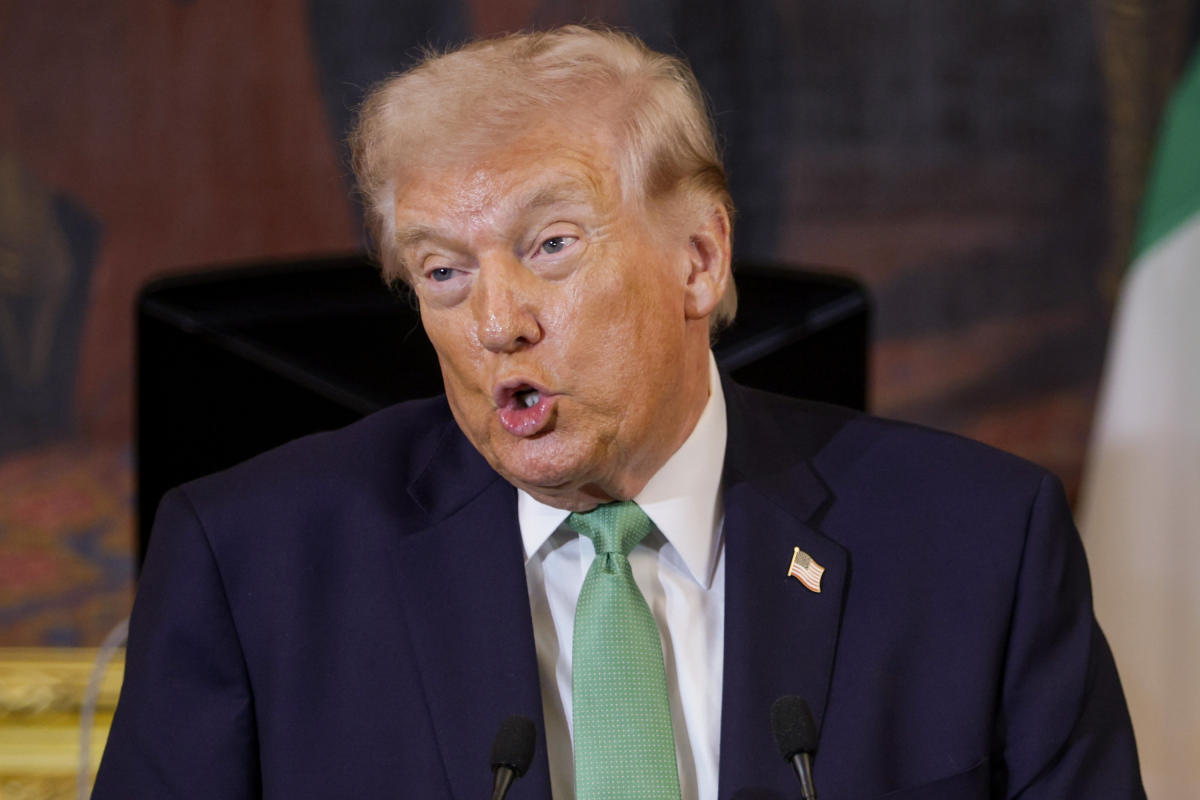
In the aftermath of Donald Trump’s triumphant return to the White House in November 2024, buoyed by a groundswell of support that included a notable chunk of young voters, the political landscape has started to feel a bit chilly among Generation Z. These digital natives, born roughly between 1997 and 2012, were once seen as the unlikely heroes of Trump’s victory, their voices amplified through social media platforms where memes and viral videos turned policy debates into punchlines. Many in Gen Z, grappling with inflation, student debt, and global uncertainties, had voted for Trump hoping for bold changes—like tax cuts that could ease their financial burdens or a crackdown on what they perceived as bureaucratic overreach. But just a few months into his second term, new polls reveal a stark reversal: approval ratings among 18- to 29-year-olds have plummeted, leaving experts scratching their heads and strategists bracing for turbulence. It’s as if that initial spark of enthusiasm has fizzled out, replaced by a growing skepticism that’s reshaping the party’s base. With the 2026 midterms looming on the horizon, this erosion isn’t just a blip—it’s a potential storm that could complicate Republican efforts to maintain their edge in key races.
Imagine scrolling through TikTok or scrolling feeds on Instagram, where Gen Z thrives, and suddenly seeing posts shift from “Trump’s back baby!” to somber takes on economic woes or international tensions. That’s the backdrop for the first wake-up call in polling data from The Economist and YouGov, conducted between March 6 and 9, 2026. Surveying 1,563 U.S. adults with a solid margin of error of plus or minus 3.4 percentage points, the results painted a picture of Trump’s overall standing: 40 percent approval, 55 percent disapproval, netting a minus 15. Not great, but when you zoom in on Gen Z, it’s downright alarming. Only 32 percent approved of the president’s performance, while a hefty 60 percent disapproved, leading to a net approval of minus 28. For young people who came of age during the pandemic’s economic fallout or are now navigating a job market inflated by remote work trends and AI disruptions, this dip feels personal. They might look back at promises of a thriving economy or border security and wonder why things aren’t clicking. Perhaps it’s the rising costs of groceries, housing, or that elusive first job that’s eroding trust. In a world where influencers shape opinions faster than policy papers, this shift isn’t abstract—it’s lived experience, turning political enthusiasm into quiet frustration among friends and family gatherings.
Just over a week later, the numbers got worse, as if to confirm the trend was accelerating downhill. The follow-up Economist/YouGov poll, running from March 13 to 16, 2026, among 1,595 U.S. adults (margin of error plus or minus 3.3 points), showed Trump’s overall approval slipping further to 37 percent, with disapproval climbing to 56 percent—a net minus 19. But again, it was Gen Z where the slide was most pronounced. Approval tumbled to a mere 25 percent, disapproval shot up to 64 percent, yielding a breathtaking net approval of minus 39. That’s an 11-point net swing in less than two weeks, a collapse that highlights how volatile young voters can be in this polarized climate. While Trump’s broader base held relatively steady, this rapid deterioration among 18- to 29-year-olds suggests something deeper at play. Maybe it’s the optics of executive actions on trade or environmental policies that don’t resonate with a generation raised on climate activism and social justice. Or perhaps it’s the dust-up over governing styles, where Trump’s unfiltered tweets clash with Gen Z’s preference for nuanced discourse on platforms like Twitter (or whatever it’s called now). Polling experts note this isn’t just random noise; it’s indicative of a group whose loyalties were precarious from the start, swayed by cultural currents more than party lines.
Yet, as with any poll, there’s caution in reading tea leaves too hastily. Brett Loyd, a polling and research specialist at the Independent Center—a nonpartisan outfit dedicated to amplifying voices of Americans who aren’t dyed-in-the-wool partisans—warns against overinterpreting these swings. “Presidential approval ratings are like an old thermometer,” Loyd told Newsweek in a conversation that feels like chatting with a wise uncle at the dinner table, “they give you a sense of the weather, but in our hyper-partisan world, they don’t flip on a dime unless something big shifts.” He explains that Democrats are likely to disapprove of a Republican president, and vice versa, creating floors and ceilings that rarely budge. The real insights come from independents and those unaffiliated voters, whose sentiments reflect genuine changes in leadership support. Loyd draws on personal anecdotes, like how economic perceptions trump demographics: “Tell me a voter’s unhappy with their wallet, and I’ve got a lead on why they might jump ship.” For Gen Z, many of whom identify as independents or swing voters, issues like job security and affordability are kingmakers. This humanizes the data—it’s not just numbers on a chart; it’s about real frustrations, like a recent grad watching bills pile up while dreaming of that entrepreneurial gig fueled by viral trends.
Of course, the White House isn’t sitting idle in the face of these trends. Spokesman Davis Ingle, responding via email to Newsweek, struck a defiant tone, redirecting the spotlight back to the ballot box. “The ultimate poll was November 5, 2024,” he said, “when nearly 80 million Americans overwhelmingly elected President Trump to deliver on his popular and common-sense agenda.” It’s a rallying cry that resonates with loyalists, highlighting Trump’s historic strides—from domestic policies like tax reforms to international dealings that some hail as bold diplomacy. For supporters, this is a reminder of momentum: the administration touts successes that could yet sway Gen Z if economic indicators improve or if legislative wins hit home. Imagine family debates at Thanksgiving, where one side points to job creation stats and the other counters with personal stories of stagnation. Ingle’s words humanize the narrative by framing the election as the gold standard of legitimacy, a foundation that counters the short-term polling noise. It’s not just spin; it’s an appeal to the tangible wins that brought Trump back, urging patience as policies roll out.
As we look ahead, the real question hangs in the air like a cliffhanger in a binge-worthy series: Will this Gen Z dissatisfaction lead to electoral apathy, or will it ignite a firestorm of turnout for challengers in the 2026 midterms? With economic confidence, foreign policy maneuvers, and legislative battles poised to dominate the agenda—from trade wars to climate accords—younger voters hold the potential to test the durability of Trump’s coalition. If they disengage, it could dampen Republican enthusiasm in swing districts, where every vote counts. But if economic recovery stories resonate or if social media amplifies calls for change, Gen Z could mobilize like in 2024, only this time against the tide. Polling isn’t destiny, as history shows—remember how 2016 upended expectations? Advisors on both sides will be poring over focus groups, probing why young people feel “sour” on the economy or bullish on issues like healthcare equity. Loyd’s parting wisdom echoes: trust in issues dictates votes, not just age brackets. For the nation, this means a midterms season ripe with human drama, where Gen Z’s evolving voice could either solidify Trump’s legacy or spark a pivotal shift. In the end, politics feels personal, and these numbers are just echoes of everyday conversations—about hopes, disappointments, and the American dream still unfolding.
As summer fades into fall 2026, the midterms will serve as a litmus test for this Gen Z reckoning. Picture youth-led movements, perhaps organized on Discord servers or through influencer campaigns, pushing back against perceived failures in areas like education reform or tech regulation. If Trump’s team can pivot, addressing the “economy first” mantra Loyd champions, they might recapture fleeting loyalties. Conversely, if dissatisfaction hardens, we’re looking at a wave of blue in suburban districts or red-state surprises. This isn’t just about polling graphs; it’s about people—parents explaining tuition woes to their kids, friends debating viral policy clips over coffee. The polarization Loyd describes hasn’t vanished; if anything, it’s simmering, making independents the swingmen. Trump’s original agenda, with its populist bent, tapped into Gen Z’s desire for disruption, but now, less than a year in, the shine is wearing off, exposing cracks. Analysts forecast a tightening race, where Gen Z could swing the pendulum, much like 2024’s upset. Yet, the White House’s confidence in that “ultimate poll” suggests they’re betting on long-term loyalty over momentary dips. Ultimately, as campaign ads flood screens and debates heat up, the narrative will evolve. Gen Z’s story might be one of resilience, voting for policies that match their lived realities over party loyalty. In this fluid landscape, one thing’s clear: democracy thrives on these human currents, where each poll slice reveals deeper truths about who we are and where we’re headed.
To wrap it up, this decline in Trump’s Gen Z approval isn’t merely statistical—it’s a mirror to societal shifts, reflecting a generation shaped by rapid change and high expectations. From the euphoric highs of election night 2024 to the sobering lows of 2026 polls, it’s a reminder that leadership is earned anew each day. Loyd’s insights on economic trust as the linchpin highlight how personal stakes outweigh demographics. The White House’s electoral triumph remains their anchor, a testament to the power of broad appeal. But as midterms approach, Gen Z’s voice could redefine coalitions, turning skepticism into action or withdrawal. This human drama, played out in living rooms and on feeds, underscores democracy’s pulse: it’s about connection, trust, and the relentless quest for progress. Whether Trump rebounds or faces renewed resistance, these young voters hold the script’s next page, a testament to generations bridging divides in an ever-evolving American tale. Watching these dynamics unfold feels like rooting for protagonists in a high-stakes story—full of twists, where empathy and strategy collide to shape the future. In the end, it’s not just about ratings; it’s about the people behind them, striving for a narrative they believe in.