


The Tragic Incident at Ford’s Sharonville Plant
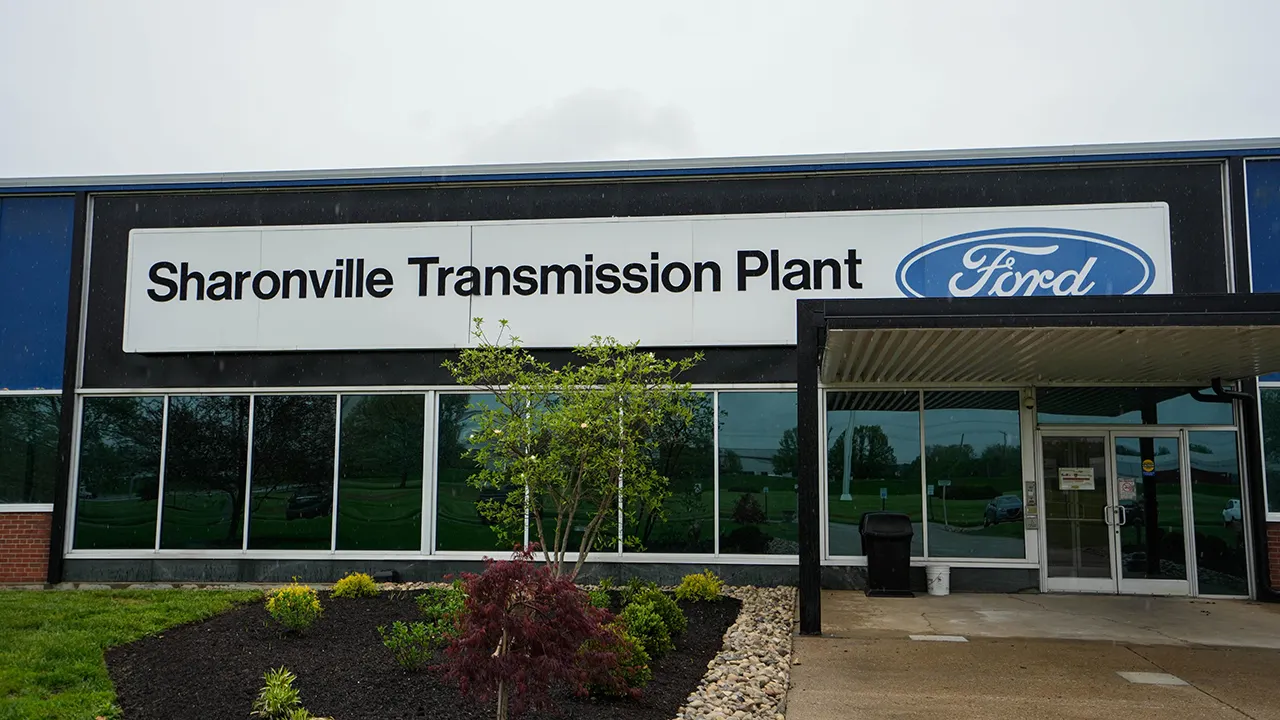
Life at Ford’s Sharonville Transmission Plant in Ohio had always been a bustling hub of American manufacturing pride, where workers like 61-year-old Gregory Knopf dedicated decades of their lives assembling the vehicles that define our nation’s highways. Gregory, a longtime employee with a reputation for reliability and quiet dedication, was the kind of guy who showed up early every morning, coffee in hand, ready to tackle the day’s challenges alongside his colleagues. On that fateful Monday, around 9:45 a.m., what started as a routine maintenance session on a massive industrial press machine turned into a nightmare. The machine, a towering behemoth of metal and hydraulics designed to shape automotive components with precision, inexplicably malfunctioned during the procedure. Witnesses later described the scene as unfolding in slow motion—a deafening hum giving way to a shudder, the press activating without warning, trapping Gregory beneath its relentless force. Colleagues nearby rushed to his aid, their calls for safety protocols echoing through the plant floor. It was an industrial accident, pure and simple, but one that forever altered the lives of everyone involved. Reports from local outlets highlighted the urgency of the response, painting a picture of a community plant where safety measures are drilled into daily routines, yet machinery failures can strike like lightning. Gregory’s story isn’t just another headline; it’s a poignant reminder of the human cost behind the gears of progress. He’s described by those who knew him as a family man, devoted to his wife and grandchildren, whose weekends were spent fixing up old cars or sharing stories around backyard barbecues. No one in the plant could recall a day when he didn’t lend a helping hand, whether it was troubleshooting a stubborn engine or rallying the team during crunch times. The accident exposed vulnerabilities in an industry built on trust between man and machine, forcing us to confront how a single malfunction can shatter futures. As details emerged, the eyes of the nation turned to Sharonville, where the incident underscored the broader challenges of workplace safety in high-stakes environments. Gregory’s life, marked by hard work and humble aspirations, now serves as a testament to the fragility of existence, urging us to appreciate the heroes who labor unseen to keep our world moving forward.
The Response and Rescue Efforts
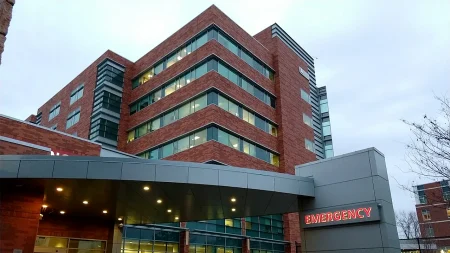
When authorities arrived at the scene on E. Sharon Road, they were met with a plant in controlled chaos, the air thick with the scent of oil and industrial lubricant—a familiar backdrop for those in the automotive sector. First responders from Sharonville police and emergency services sprang into action, their training kicking in amidst the gravity of the situation. Gregory had been pinned by the press machine, his entrapment a harrowing ordeal that tested the limits of human endurance and rescue technology. Experts on site worked feverishly to stabilize and disassemble sections of the towering equipment, a process that required specialized tools and utmost caution to avoid further harm. Life-saving measures were administered on-site before the battered worker was extricated, a delicate operation that spoke volumes about the heroism of everyday professionals who face danger head-on. Transported urgently to Bethesda North Hospital, Gregory’s condition remained critical, his body bearing the cruel imprints of the malfunctioning machinery. The hospital staff, a team of dedicated medical warriors, fought tirelessly against the odds, their efforts a beacon of hope in a storm of despair. Yet, despite their valiant attempts, the prognosis grew bleak; the crushing force had inflicted irreversible damage, leading to the heartbreaking announcement of his death. This sequence of events highlighted the razor-thin line between routine maintenance and catastrophe, drawing parallels to countless other industrial tragedies where seconds decide fate. For the colleagues who witnessed it, the moments of rescue were etched in memory, a mix of adrenaline-fueled urgency and profound sorrow. Gregory wasn’t just a worker; he was a cornerstone of the plant’s moral fabric, his absence leaving a void that rippled through friendships forged over shared shifts. The incident prompted reflections on emergency protocols, emphasizing how vital it is to invest in cutting-edge safeguards and training to mitigate such risks. In humanizing this tragedy, one can’t ignore the emotional toll on the rescuers, who often carry invisible burdens from these encounters, forever changed by the lives they strive to save.
Identifying the Victim and the Human Story
Amidst the official statements and investigative updates, the identity of the victim brought a personal face to the abstract report of an “industrial accident.” Gregory Knopf, aged 61, was a man whose life story encapsulated the American dream in blue-collar form, working for decades at Ford to provide for his loved ones. Born and raised in the Cincinnati area, Gregory had chosen a career in manufacturing after high school, lured by the promise of steady work and community pride. Friends and family painted him as a steadfast husband, a doting grandfather who could always be counted on for impromptu soccer games or fixing a leaky faucet without hesitation. His weekends might have revolved around tinkering in his garage, restoring vintage models that sparked joy in his grandchildren’s eyes, or simply enjoying quiet evenings with his spouse, reminiscing about the simpler times before life got caught up in the grind of factory demands. Colleagues at the plant shared anecdotes of his mentorship, how he’d guide younger workers through complex assembly processes with patience and wisdom gleaned from years of experience. Gregory’s death wasn’t just the loss of an employee; it was the shattering of a life rich in quiet victories and enduring love, a stark contrast to the mechanical failure that claimed him. The Hamilton County Coroner’s Office’s confirmation of his identity added layers of grief, as community members grappled with the reality that someone so integral to their daily lives was gone. Memorials began to form in hearts if not yet in public spaces, with stories circulating online and in local groups about Gregory’s kindness—a small loan here, a supportive word there. This humanization of the tragedy invites empathy for the unheralded figures whose contributions keep our economy humming, reminding us that behind every headline lies a tapestry of relationships woven by hard work and heartfelt connections. As investigations delved deeper, the focus shifted from facts to feelings, honoring Gregory’s legacy as a pillar of dependability in an ever-changing world.
The Investigations and Official Statements
The incident at Ford’s Sharonville plant didn’t end with the rescue; it ignited a multifaceted investigation that delved into the “why” of the malfunction, aiming to prevent future heartbreaks. The Hamilton County Coroner’s Office took the lead, meticulously examining the scene and reviewing witness accounts, many of whom described the press machine as a beast that had always been predictable—until that day. Multiple witnesses corroborated the narrative, confirming it was a tragic accident during maintenance, where a seemingly minor glitch snowballed into devastation. Meanwhile, the Occupational Safety and Health Administration (OSHA) entered the fray, their mandate to ensure workplace safety directing a thorough probe into protocols, equipment upkeep, and potential lapses. Ford Motor Company, deeply invested in the outcome, summoned their administrative staff for an internal review, scrutinizing every nut and bolt of operations at the plant. A spokesperson for Ford issued a statement that reverberated with sorrow, labeling it a “tragic incident” and pledging to support the family through counseling and other resources. They emphasized safety as their highest priority, a commitment that resonated in an industry plagued by similar misfortunes. Contact with Gregory’s family was confirmed, a gesture of compassion underscoring the company’s human element amidst corporate responsibility. The statement extended condolences to friends and colleagues, noting the availability of counseling services for employees grappling with the emotional aftermath. It was a poignant reminder of how workplaces must balance productivity with protection, fostering communities where everyone feels valued. Police and sheriff’s offices collaborated, sharing insights to piece together the timeline, from the initial call to the fatal outcome. As the investigations progressed, public interest grew, with voices calling for stricter regulations to safeguard workers in hazardous environments. Gregory’s case became a catalyst for broader discussions on industrial safety, humanizing the statistics by shining a light on real lives affected. This methodical approach ensures accountability, but it’s the empathy infused into official responses that truly honors the lost.
Ford’s Community and First Responders’ Role
Ford’s statement went beyond corporate platitudes, reflecting a genuine outreach that bridged the company with the community it serves. Expressing deep condolences, they highlighted the provision of support for the family and counseling for plant employees, acknowledging the psychological scars left by such events in a high-pressure environment. Counseling services, often overlooked in such narratives, became a lifeline for those processing guilt, shock, or grief, illustrating how trauma ripples outward from the epicenter. The appreciation extended to community first responders underscored Ford’s recognition of the vital role played by local heroes who, time and again, respond to crises that shatter the status quo. These men and women, trained for chaos yet unprepared for tragedy’s depth, found themselves intertwined in Gregory’s story, their swift actions a testament to collective resilience. In a town like Sharonville, where industry intertwines with everyday life, such incidents prompt soul-searching about the safety nets we rely on. Ford’s emphasis on safety as a priority invites scrutiny of preventive measures, from advanced training to state-of-the-art machinery upgrades, ensuring that Gregory’s fate serves as a lesson not a requiem. The community’s response mirrored this, with neighbors sharing stories of solidarity, fundraisers emerging organically, and vigils held in his memory. It’s a humbling showcase of humanity’s capacity for empathy, where a company’s actions can mend the fractures caused by industrial oversight. Gregory’s coworkers, bound by shared toil, became ambassadors of change, advocating for reforms that honor his legacy. This interconnectedness highlights how one accident can spark waves of compassion, fostering environments where safety is not just a mandate but a cultural cornerstone.
Reflections on a Life Lost and Lessons Learned
As the dust settles on Ford’s Sharonville plant, the ripples of Gregory Knopf’s untimely death continue to stir hearts and minds, prompting introspection on the fragility of life in the unforgiving realm of industrial labor. This 61-year-old hardworking soul, who spent his days shaping the future of transportation, now embodies the hidden perils of modern progress—a man whose routines mirrored millions yet whose story ended in mechanized tragedy. The malfunctioning press machine that claimed him wasn’t just equipment gone awry; it symbolized the constant vigilance required in trades where machines demand respect and oversight. Colleagues mourned a mentor lost, families grappled with an empty chair at dinner, and a community paused to remember a life defined by quiet heroism. Ongoing probes by authorities promised answers, but the emotional ledger remained unsettled, with public discourse amplifying calls for enhanced safety protocols and worker protections. Gregory’s name joins a somber roster of industrial martyrs, each a catalyst for evolution, driving innovations like better emergency systems and mental health support. Yet, beneath the investigations and statements lies a deeper human narrative: the enduring impact on those left behind, who must navigate grief while questioning the systems that allowed this to happen. Ford’s commitments signal a path forward, but true change demands collective accountability—from policymakers to plant managers. In humanizing Gregory’s story, we uncover the universal truths of vulnerability and resilience, urging us to cherish relationships over routines. As memorials grow and time marches on, his legacy inspires action, ensuring that no life sacrificed in the line of duty is forgotten. This tragedy isn’t just a headline; it’s a clarion call to prioritize humanity in an industrial age, where every worker deserves a safe return home. In reflecting on Gregory, we confront our shared mortality, fostering a world where safety transcends profits, and compassion heals the wounds of loss.