


Paragraph 1: The Calm Before the Storm
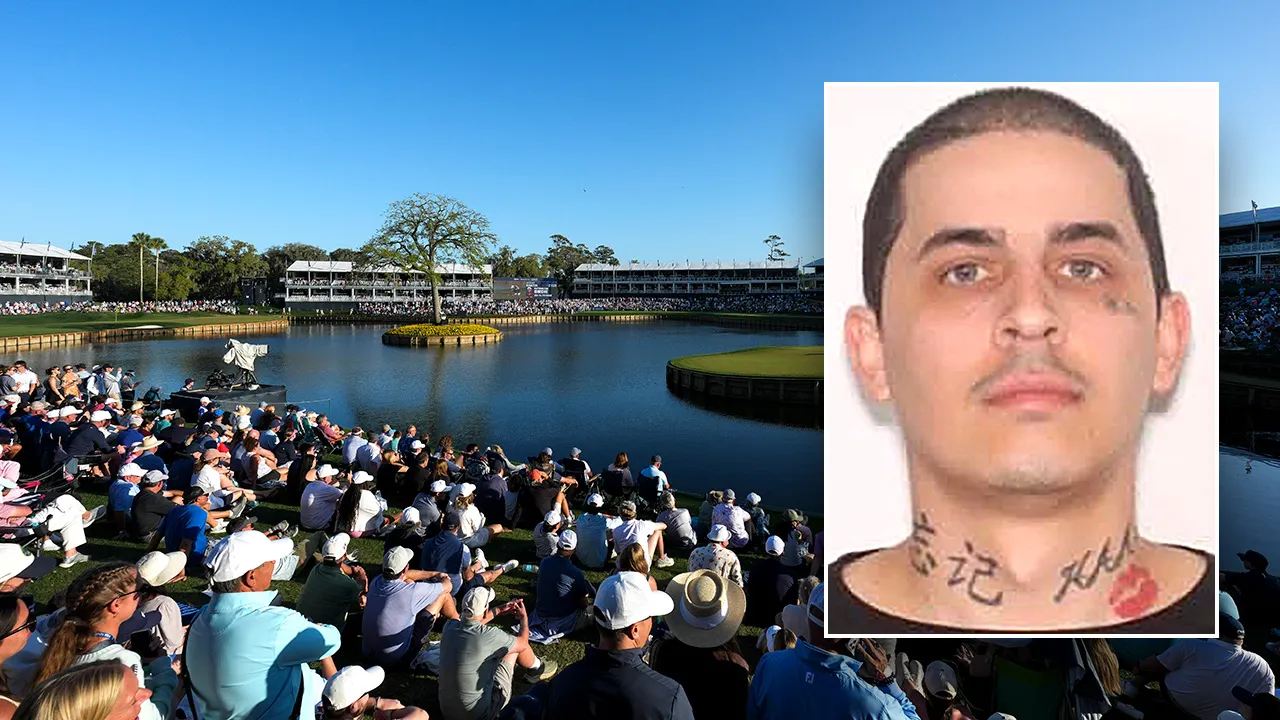
Imagine waking up on a sunny Saturday morning in Jacksonville, Florida, the kind of day where the Atlantic breeze carries the scent of salt and promise, and eager golf fans are buzzing about The Players Championship—often called the “fifth major” for its prestige. Nestled in the sprawling TPC Sawgrass resort, this isn’t just a course; it’s a slice of paradise where professional golfers like Tiger Woods or Rory McIlroy have carved legends into the Bermuda grass over decades. But on this particular Saturday in 2023, the world felt a little darker before the gates even opened. Around 10:30 p.m. the previous night, what should have been an ordinary Walgreens run turned into a nightmare in a quiet drugstore parking lot, just about a mile from the course. Calls flooded emergency lines: shots fired, chaos erupting in the warm night air. St. Johns County Sheriff Rob Hardwick later described it as a “domestic violence situation” gone horribly wrong, and the details paint a picture of human fragility. Two people—lives intertwined in a tragic web of conflict—were struck down by multiple bullets, rushed to hospitals only to succumb to their wounds. You can picture the panic: neighbors peeking through curtains, distant sirens wailing like a harbinger, the everyday rhythm of small-town life shattered. Hardwick’s words in an early morning press conference echoed the shock everyone felt: “Two individuals were shot multiple times… transported and have succumbed.” In that moment, the community grappled with questions—how could something so violent invade a place known for victory parades and birdie celebrations? This wasn’t just a shooting; it was a ripple that tugged at the heartstrings of a community bound by sports and shared histories.
Paragraph 2: The Pursuer’s Trail
As investigators pieced together the story, the perpetrator emerged: Christian Barrios, a 32-year-old man whose name would become a focal point of fear and frustration. Known to some as a figure with a checkered past, Barrios was no stranger to trouble—a “thug’s criminal history” that Hardwick called “embarrassing” for its depth and repetition. But behind the label was a man driven by desperation or rage, fleeing into the shadows of the night. The manhunt kicked off immediately, police helicopters thumping overhead, K-9 units unleashed like bloodhounds on a scent trail. Barrios didn’t just vanish; he ventured unsettlingly close to the golf oasis. The path led him straight onto the grounds of TPC Sawgrass, that iconic stage where dreams are chased and fortunes made. Picture the scene: weary groundskeepers tending to the pristine fairways under floodlights, security personnel patrolling the edges, all blissfully unaware initially. Barrios crossed their paths, a ghost in the night, even going so far as to snatch a PGA Tour radio—those handheld devices buzzing with strategy and scores—and then discard it, as if mocking the elite world he’d infiltrated. It was a surreal intrusion, blending the thrill of championship golf with the dread of real danger. For those who live and work at TPC, it must have felt like a violation, a reminder that no sanctuary is entirely safe. The trail from the Walgreens lot wove through backyards and onto sacred turf, turning a noble pursuit into something personal, where every step mattered in catching a man who had stolen lives and freedoms.
Paragraph 3: The Chase Intensifies
The drama escalated as Barrios didn’t just evade; he escalated. Spotting a sleek black BMW in the parking area, he hijacked it, tires screeching into the humid Florida night as he bolted into the night. Now it was more than a manhunt—it was a high-speed pursuit, cross-county lines blurring amid flashing lights and asphalt. Nassau County authorities joined the fray, their deputies pushing the stolen vehicle with calculated force, engineering a crash into the dense woods that line the area, a natural barrier turning wild and unruly. Barrios ditched the wrecked car and plunged on foot into the foliage, where the underbrush clutched at him like accusing fingers. For hours, he became a phantom in the forest, evading capture while the sun threatened to rise on a new day. Officers combed the woods, flashlights piercing the dawn, every rustle of leaves sparking hope or terror. Neighbors in nearby homes might have wondered at the commotion—vehicles roaring, radios crackling—turning their morning coffee turns into anxious waits. Just before 8 a.m., the net closed: Barrios was apprehended, battered and breathless, his liberty traded for handcuffs. The relief was palpable, but the charges remained vague at first—only hints of his criminal lineage surfacing. Yet, in this human story, one couldn’t help but ponder the toll: a man whose actions had wounded not just his victims but an entire community’s sense of security. It was a reminder that behind every headline lurks a person whose choices ripple outward, affecting strangers in ways unimaginable.
Paragraph 4: The Golf Event’s Sudden Halt
Meanwhile, back at TPC Sawgrass, the machinery of elite sports ground to a halt, illustrating how interconnected lives can be even in arenas of splendor. The Players Championship, a beacon for millions of fans who tune in for the drama on the greens, announced a delay in opening its gates for Saturday’s third round. “Operational considerations” was the sterile way they phrased it, but the implication was clear: safety first, as paramount as birdies and eagles. Imagine the confusion among the crowds—early risers arriving with coolers and caps, eager to witness shots sailing toward the infamous 17th island hole, only to find barriers and announcements delaying the spectacle. Tee times stayed fixed, a nod to tradition, but the air hung heavy with unspoken concerns. For the players, pros who’ve dedicated lifetimes to honing their swings, it must have been a jarring reality check. One golfer might replay past victories in his mind, another wonder about layered risks beyond bunkers and hazards. Groundskeepers and staff, who had unwittingly brushed shoulders with the fleeing suspect the night before, surely felt a chill. It was more than a postponement; it humanized the event, stripping away the glamour to reveal vulnerability. Fans from all walks—families on vacation, retirees recalling past Majors—exchanged worried glances, their shared passion for the game marred by this intrusion. Yet, in adversity, the golf community showed resilience, pivoting from panic to patience, a testament to how sports can unite even when shadows loom.
Paragraph 5: The Victims and Their Stories
Amid the chaos, the human cost loomed largest, turning statistics into sorrows. The two victims remained unnamed in the early reports, their identities shrouded as officials pieced together the puzzle. Sheriff Hardwick revealed a poignant detail: Barrios knew them both, suggesting the shooting stemmed from personal ties—a domestic violence ordeal that escalated into irrevocable tragedy. Think of the lives cut short: perhaps a couple entangled in arguments that boiled over, or family bonds strained by unspoken grievances. One victim might have been a working parent dreaming of a better tomorrow, the other a friend or partner whose laughter once filled rooms. Their journeys mirrored millions—daily struggles with relationships, jobs, joys—now halted forever. Emergency responders, trained for such scenes, would have rushed them to hospitals with sirens’ wail, but the outcome was grim. In a community like Jacksonville, where beach BBQs and friendly waves define the vibe, this loss stung deeply. Mourners and media alike wrestled with empathy, wondering what breakdowns led to such devastation. Barrios’ alleged history—past deeds that painted him as a repeat offender—added layers of frustration, raising questions about justice and prevention. Yet, honoring these lives meant acknowledging their humanity: not just casualties, but people with stories, loves, and legacies cut short. It urged reflection on domestic violence, a silent epidemic claiming families nationwide, and how one man’s path of turmoil intersected tragically with others.
Paragraph 6: Reflections on a Shaken Community
In the days following, as The Players Championship resumed with cautious optimism, the incident lingered like an afterimage on the retina. Jacksonville, with its blend of Southern charm and tourist allure, absorbed the shock, its residents exchanging stories in coffee shops and online forums. Barrios faced charges yet to be fully detailed, but his arrest signaled a reckoning. For the golf world, the delay became a footnote in history, overshadowed by winning strokes, yet it underscored how external storms can upend even staged perfection. Fans, tuning in from couches across America, might have felt a pang—sports as escapism challenged by gritty reality. Law enforcement, like Sheriff Hardwick, emerged as weary heroes, their vigilance a thread binding safety in an unpredictable world. And for the victims’ families, mourning unfolded quietly, each tear a tribute to lives once vibrant. This event wasn’t isolated; it wove into broader conversations about crime, mental health, and societal fractures. Humanizing it means seeing beyond the headlines: a community healing, a tournament rebounding, a reminder that while sports inspire, real life intrudes with poignant force. As the sun set on another Florida day, hopes hinged on justice and prevention, ensuring such nights remain rare footnotes, not forevers. In the end, stories like this bridge the gap between spectator and participant, urging empathy in a world too often divided by turf—whether green or paved.