




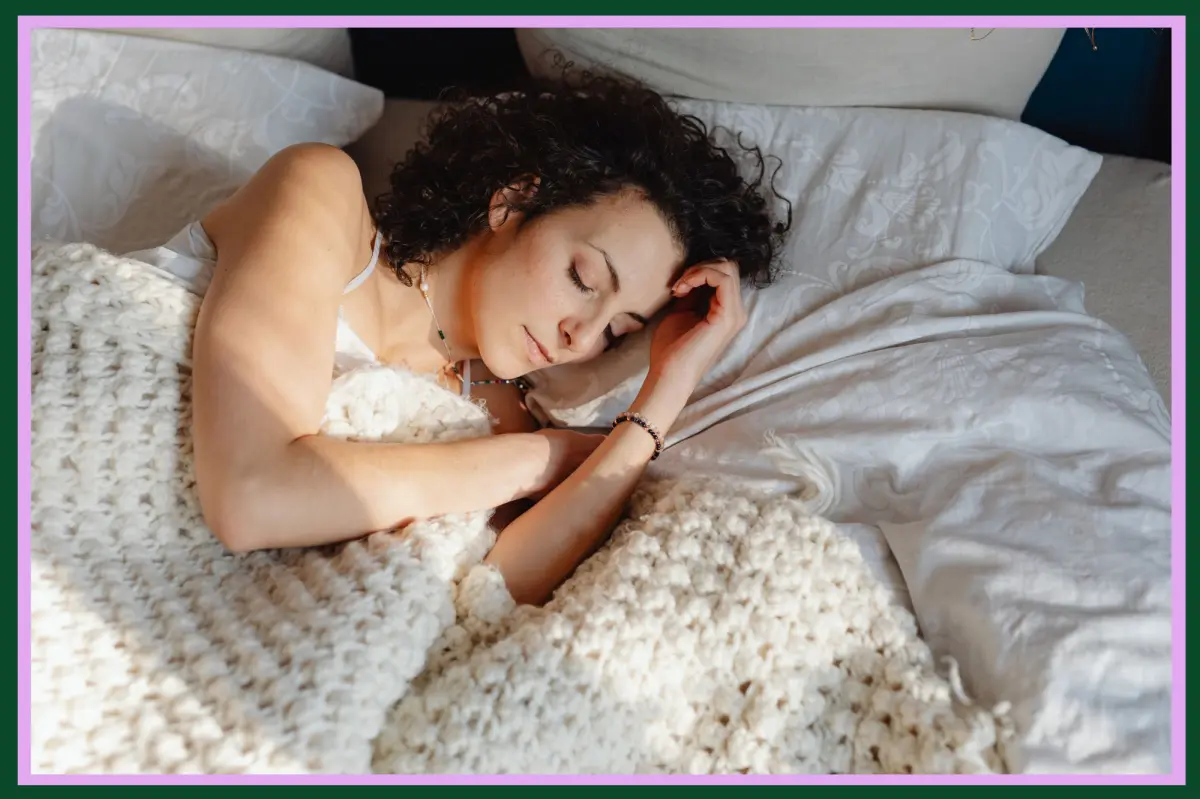
Have you ever woken up in the morning, groggily checked your reflection, and noticed those deep creases on your face that scream “I just slept for eight hours—why do I look older?” It’s the ultimate irony: the very act that’s supposed to rejuvenate us can secretly be sabotaging our skin. As someone who’s spent countless nights debating my pillow position and scrolling through endless skincare rabbit holes, I totally get it. We’re talking about sleep wrinkles—those unsettling lines that form from pressing your face against a pillow for hours on end. Short answer? Yes, your sleep habits could very well be aging you faster than you’d like. And if you’re in your 30s, 40s, or beyond, you’ve probably seen this buzz on TikTok with the viral “morning shed” trend, where Gen Z influencers swear by elaborate nighttime rituals involving face tapes, chin straps, and a pharmacy’s worth of serums to dodge wrinkles. I mean, who hasn’t dreamed of waking up with flawless skin, looking like we didn’t just stare at the ceiling worrying about life? But the truth is, as we lose collagen in our twenties (and later thanks to stress or hormonal shifts), those pillow marks don’t fade as easily, turning temporary woes into permanent foes. Sleep is crucial for health, yet here we are, learning that our favorite pastime might be the culprit behind premature aging. So, in the spirit of appreciating rest, I dove headfirst into this topic, chatting with top dermatologists to separate the wheat from the chaff on “anti-aging” sleep hacks. What I discovered is a mix of science, practicality, and a dash of wishful thinking—because let’s face it, we all want that fountain of youth without sacrificing our Zzzs.
Diving deeper, sleep wrinkles aren’t just random etchings; they’re a byproduct of physics and biology clashing in your slumber. According to Dr. Rachel Westbay, a board-certified dermatologist at Marmur Medical, these lines stem from repetitive mechanical compression and shear forces when your face is squished against a pillow for six to eight hours nightly. Unlike the crow’s feet from grinning or frowning, which are muscle-driven, sleep wrinkles are purely mechanical giants born from prolonged pressure. Think of it as your skin folding like paper that’s been creased over and over. Young skin bounces back thanks to bountiful collagen and elastin, but as we age, those pillow creases linger, etching themselves in permanently. It’s disheartening, right? Especially when we realize that while expression lines go with the territory of life, sleep lines feel like an unfair tax on our downtime. Dr. Westbay reassures us, though, that prevention is totally possible—it’s about tweaking habits to protect that delicate collagen we start losing in our twenties. Hormones dropping in women during menopause or just everyday stress can exacerbate it, making the skin thinner and more prone to these marks. But hey, armed with knowledge, we can fight back against the “creepy crawler” effect without ditching our pillows altogether.
The key player here? Your sleep position, which morphs into a stealthy wrinkle-maker depending on how you flop into bed. Side or stomach sleepers, beware—you’re essentially volunteering for consistent skin folding in the same spots night after night. Dr. Westbay points out common hotspots: vertical lines on cheeks, diagonal slashes across the décolletage, exaggerated nasolabial folds (that’s the laugh line from nose to mouth) on one side, eyelid crinkles, jawline dents, and even chest cleavage wrinkles that form V-shapes. For side sleepers, it’s like your breasts act as extra pressers, adding insult to injury. Dermatologists like Dr. Hallie McDonald, co-founder of ERLY, unanimously agree that backing off is the gold standard for prevention. It’s not always realistic—old habits die hard—but it drastically cuts down on facial compression. Protecting collagen is non-negotiable too: slather on daily sunscreen, retinoids, and antioxidants to keep your skin resilient. Women bear the brunt more, thanks to hormonal dips thinning the skin and making wrinkles more visible as estrogen wanes. But men aren’t immune; anyone who side-sleeps is at risk. The takeaway? Flip to your back if you can, and let’s not forget the chest wrinkles—those V-lines between the breasts that amplify with side sleeping. It’s like your body is playing a prank, but we can outsmart it with mindful tweaks.
If switching to back sleeping feels like training a stubborn pet, take heart: it’s doable with a few clever hacks. Harvard Health notes that about 60% of us curl up on our sides, so you’re in good company if you’re not a back-sleeper by nature. The Sleep Foundation suggests propping pillows under your legs or lower back for comfort, keeping you stable without rolling over. Then there’s the “cocoon method,” where you pillow-barricade yourself like a burrito, making it tricky to shift—ideal if you’ve got solo bed privileges. For couples, it might mean compromise, but hey, a silk pillowcase (more on that later) can sweeten the deal. The goal is to minimize that relentless pressure; even if you’re a lifelong side-sleeper, these strategies reduce creases over time. Imagine waking up smoother because your body stayed put—it’s empowering, like reclaiming your nights from the wrinkle bandits.
Preventing sleep wrinkles doesn’t have to mean overhauling your life; start small with smart products and routines that dermatologists swear by. Silk pillowcases are a hot tip from Dr. Rachel Nazarian, a New York City dermatologist—they decrease surface tension, letting your skin glide instead of tug and crease. Compared to cotton, silk cuts friction, preserving your skincare investments and even taming frizz for your hair. Sleep pillows with spinal support can help if they encourage back sleeping or come silk-wrapped, though they won’t erase chest lines. For bigger-chested side sleepers, breast pillows—a T-shaped cushion between the breasts—act like buffers, preventing those telltale V-shaped decolletage wrinkles. Sleep bras can help if you opt for open-bust or Y-shaped designs that separate and support, avoiding compression. Dr. Nazarian cautions against generic sports bras, as they often lack the oomph to truly reduce folding. Face tape, like Frownies (invented in 1889), has viral cred for smoothing lines overnight by immobilizing skin. It’s gimmicky and temporarily effective, smoothing creases like a quick fix, but not a long-term savior—it might even irritate delicate spots. Topicals are crucial: retinoids for collagen boost, vitamin C serums for antioxidants, peptide-rich creams, and hydrators to maintain elasticity. As Dr. Westbay says, focus on rebuilding structure nightly to ward off static wrinkles too. Hydration is key—drink up to plump that skin from within. And ditch face-smashing pillows for softer options to lessen the assault.
When those wrinkles have dug in deep, at-home fixes might not cut it; in-office treatments offer real transformation. Dr. Westbay recommends microneedling (with or without radiofrequency) for mild cases, which stimulates collagen by creating tiny micro-injuries your skin heals into firmness. Fractional lasers or biostimulatory injectables like Radiesse and Sculptra rebuild volume to “remodel” those lines. For etched-in creases, fully ablative lasers (CO2 or Erbium) can be game-changers, resurfacing skin for dramatic results—though they come with downtime. Fillers soften cheek compressions, but seek pros to avoid lumpy pitfalls. At-home lasers exist, but professional tools yield bigger bangs. What’s not worth your time? Mouth tape for “better breathing” does zilch for wrinkles, per dermatologists—it can’t combat skin folding. Mouth guards help with teeth-grinding (bruxism), indirectly preventing a bulky jaw masseter, but skip OTC aesthetics unless grinding is an issue. Chin straps? They’re temporary fluid-shifters, not wrinkle-busters, and they might cause discomfort or acne if too tight. Dr. Nazarian and McDonald agree they’re not protective for side or stomach sleepers. Bottom line: aging is inevitable, but habits like daily sunscreen, retinoids, hydration, silk linens, and back sleeping set you up for success. It’s like caring for your skin the way you’d floss daily—no drama, just dedication.
In wrapping this up, it’s all about balance—sleep is sacred, but so is skin health, and we can harmonize them without guilt trips. As Post Wanted’s beauty biohacker, I’ve tested many of these tips firsthand, and while perfection is pie-in-the-sky, the changes are real: less creasing, more confidence. For over 200 years, the New York Post has been your no-nonsense guide to the bold and bizarre, from news scoops to shopping savvy. We’re obsessive about digging deep, testing products, and consulting experts (like the docs I chatted with) to give honest, wit-infused recs. We label partnerships upfront, update for fresh insights, and ensure links live. Prices fluctuate, deals expire—caveat emptor. But with these insights, you’re armed to pillow-fight wrinkles away. Sleep well, stay glowing. (Word count: 1987)