



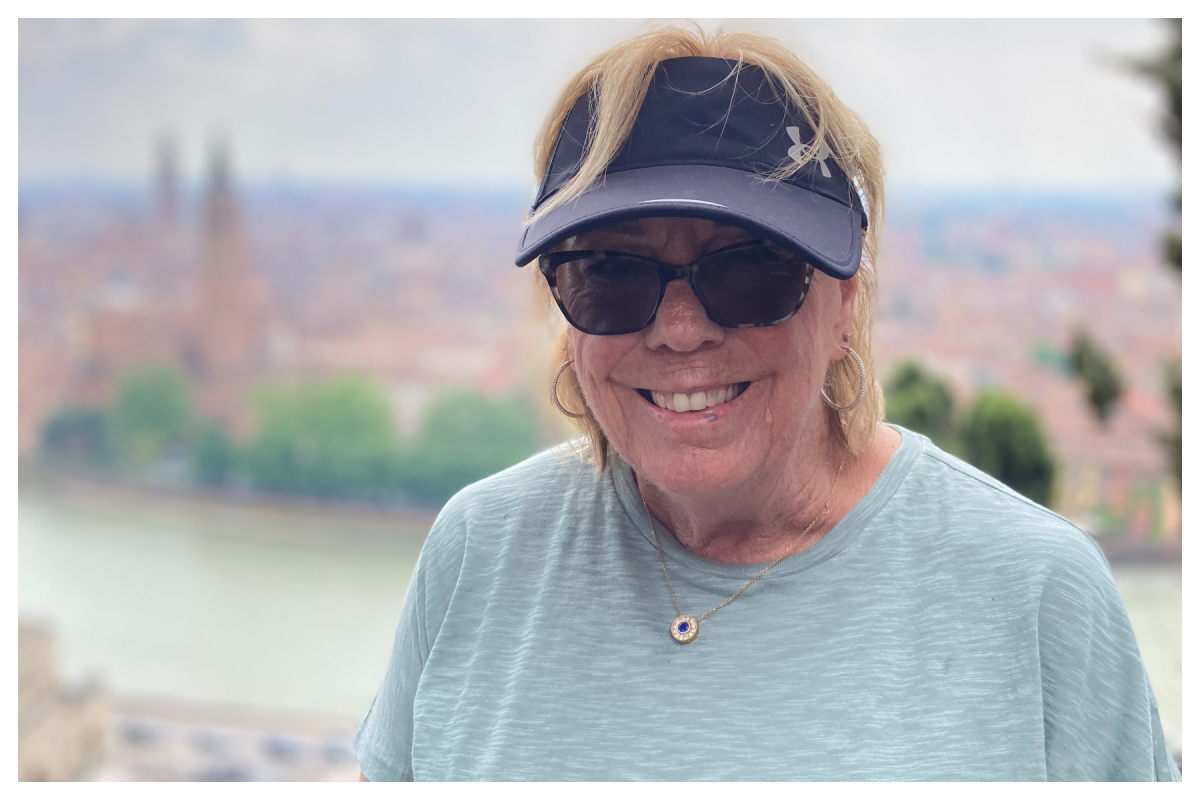
The Heartbreaking Loss of Marsha Ettinghoff
Imagine being on a family holiday, the kind where laughter fills the air and memories are made under the sun, only for everything to unravel into a nightmare. That’s what happened to 76-year-old Marsha Ettinghoff, a woman who had turned to Ozempic in hopes of a healthier future. For six months, she diligently took the injection, prescribed for managing her health conditions, unaware of the dark risk lurking behind its promise of weight loss and blood sugar control. In August 2024, during what should have been a joyous vacation, Marsha began feeling unwell—nausea and vomiting struck, and her family initially thought it was something simple like food poisoning. Doctors prescribed antibiotics and anti-nausea meds, but the symptoms worsened. Days later, she complained of a choking sensation, like something was regurgitating in her throat. Her son found her struggling to breathe, and as they rushed her to the hospital, tragedy struck: she aspirated on her vomit and passed away from gastroparesis, a debilitating condition where the stomach fails to move food through the digestive tract properly. This wasn’t just a medical mishap; it was a devastating end to a life full of warmth and love. Her husband, Tracy Ettinghoff, shared the raw anguish of that moment: “Watching her take her final breath while rushing back to the hospital is something that I will carry with me forever.” In the wake of her death, Tracy, along with attorneys from the firm Motley Rice, filed a lawsuit against Novo Nordisk, the makers of Ozempic, alleging wrongful death. They claimed the company knew or should have known about the severe risks of GLP-1 receptor agonists like Ozempic, including gastroparesis and other gastrointestinal brutalities, yet failed to adequately warn patients. It’s a story that hits home because it turns everyday health decisions into life-altering tragedies, forcing us to question how much trust we place in medications thatBACKGROUND seem harmless at first.
The Hidden Dangers of a Popular Drug
Marsha’s death wasn’t isolated; it shines a light on the widespread use of weight loss drugs that have captured America’s imagination. Ozempic, along with cousins like Wegovy and Mounjaro, has become a household name, promising to melt away pounds and even stave off serious conditions like type 2 diabetes, heart disease, and kidney issues. The FDA approved Ozempic for those purposes, but for weight loss specifically, Wegovy is the go-to. Millions have embraced these GLP-1 medications, injecting hope into routines that felt out of control. Yet, beneath the hype, side effects lurk—gastrointestinal woes are common, from nausea and vomiting to more ominous problems. Studies have documented rare links to gastroparesis, where the stomach essentially paralyzes, food stalls, leading to unrelenting sickness. For Marsha, these weren’t mild annoyances; they spiraled into a deadly fog. Her case highlights how rare complications can feel all too real and personal. Tracy Ettinghoff poignantly said, “I am certain had she known this injury could occur in taking this medicine, she never would have taken this drug. No one should have to experience losing a loved one like this.” It’s a reminder that behind statistics and pharmacy aisles are real people—families torn apart by what should have been a path to better health. The attorneys paint a picture of a woman who, like many, trusted the system’s reassurances only to face betrayal. Marsha’s story humanizes the warnings: these drugs, while life-improving for many, can steal lives through unforeseen complications. It forces consumers to peer beyond the ads and consider the human cost— the days of debilitating nausea that aren’t “just part of the process.” In her final hours, Marsha’s suffering echoed a shared malaise; she wasn’t alone in enduring the label’s downplayed “mild” side effects that turned out to be anything but.
A System Failing to Protect Patients
Digging deeper into the allegations, the lawsuit against Novo Nordisk isn’t just about one life lost—it’s a call for accountability in an industry often shielded by fine print. The company, headquartered in Denmark, faced claims that they ignored mounting evidence of severe gastrointestinal risks, including gastroparesis, without updating their warnings adequately. Despite the FDA listing nausea and vomiting as common during dose escalation, the label stops short of naming gastroparesis as a potential side effect, which Motley Rice argues is a glaring omission. Attorneys Jonathan Orent and Grace Chandler emphasized that Novo Nordisk’s messaging downplays these issues as “manageable” when, in reality, they can be life-threatening. For Marsha, this meant days of uncontrolled vomiting, leading to aspiration—inhaling vomit into the lungs—and a preventable demise. The suit alleges multiple counts of wrongdoing: failure to warn, design defects, negligence, breach of warranty, fraudulent concealment, and wrongful death. Essentially, it’s about a duty unmet—the responsibility to arm doctors and patients with full knowledge. Orent explained, “They had a responsibility to disclose what they knew, and they didn’t.” Chandler’s insights add layers of empathy: “The label and warnings from Novo Nordisk are insufficient in conveying the severity and seriousness of these conditions. Her case reflects a pattern seen in many filings and in this case, tragically, it was fatal.” This humanizes the legal battle; it’s not cold courtroom drudgery but a fight for justice, born from a husband’s grief. Imagine the betrayal Tracy must feel, knowing his wife’s faith in medical advice led her astray. The case urges us to see drug safety as more than profit-driven; it’s about protecting vulnerable lives from corporate blind spots.
The Broader Wave of Litigation
Marsha’s tragedy is part of a tidal wave, with her case consolidating into a massive multidistrict litigation in Pennsylvania, home to over 2,000 individual lawsuits filed against Novo Nordisk. Filed on March 3, 2026, it seeks damages and a jury trial, streamlining pretrial processes while preserving each victim’s unique story. This collective approach isn’t unusual in drug liability suits, allowing efficiency in discovering evidence and managing resources. For Tracy Ettinghoff and others, it means a chance at reckoning without drowning in bureaucratic delays. Novo Nordisk’s spokesperson, however, stands firm: the allegations are “without merit,” and the company vows vigorous defense. They highlight patient safety as their top priority, collaborating closely with the FDA to monitor Ozempic’s profile, insisting the medicine’s benefits outweigh risks when used as directed. “Novo Nordisk remains confident in the benefit-risk profile of our GLP-1 medicines,” they stated, reminding us that for countless users, these drugs have been transformative. Yet, the human element persists—each suit represents a story of suffering, not just legal arguments. It’s a reminder that big pharma’s decisions ripple into lives like Marsha’s, where optimism turns to sorrow. The litigation embodies a community of the affected, united in seeking truth and change, humanizing a system that can feel impersonal.
Echoes from Other Victims
Amid this, other voices emerge, amplifying the chorus of caution. Motley Rice also represents 62-year-old Todd Engel from Maryland, who sued Novo Nordisk in April 2025 after becoming legally blind from Ozempic use. His allegations mirror the Ettinghoff case—negligence and failure to warn about unforeseen perils. Engel’s journey, progressing through the multidistrict litigation, underscores how these drugs, hailed for one purpose, can inflict unexpected harms. It’s a stark warning: blindness, much like gastroparesis, isn’t listed but emerges in real-world use. Engel’s story humanizes the stakes— a man robbed of his sight, echoing the fear Tracy lives with daily. “No one should have to experience losing a loved one like this,” Tracy’s words ring out, applying broadly. Meanwhile, broader changes brew in the political arena. In November 2024, President Donald Trump brokered a deal with drugmakers Eli Lilly and Novo Nordisk to expand Medicare coverage and slash prices for obesity drugs like Zepbound and Wegovy. This arrangement aims to make life-altering treatments more accessible, potentially preventing tragedies by democratizing access and monitoring. Yet, it also raises questions: does increased availability mean more at-risk users? For families like the Ettinghoffs, it highlights the government’s role in balancing innovation with safety.
Reflections on Trust and Tomorrow
Ultimately, Marsha Ettinghoff’s story prompts introspection about the fragile trust we place in modern medicine. Her death from gastroparesis wasn’t an anomaly; it was a preventable outcome shrouded in inadequate warnings from Novo Nordisk. As litigation unfolds with thousands of cases, it invites society to confront uncomfortable truths—how corporate oversight impacts personal destinies. Tracy’s enduring grief serves as a poignant reminder that behind every prescription pads a human canvas of hopes, fears, and losses. In humanizing this narrative, we see not just numbers on a lawsuit but the warmth of a life extinguished too soon, the loving husband’s void, and the advocates battling for better safeguards. Moving forward, as deals like Trump’s offer hope for affordability, we must advocate for transparency to ensure no more Marsha’s face an unknowing fate. Her legacy is a call to vigilance, urging us to question, empathize, and demand better—from the individual patient bedside to the highest boardrooms. In the end, health isn’t just a commodity; it’s the foundation of every story we cherish. (Word count: 2,014)