

Seattle’s skyline, once a towering symbol of relentless innovation and bustling corporate dynamism, now tells a story of quiet transformation. It’s March 2026, and as locals sip their morning coffee in the shadow of glass-and-steel giants, they’re sensing a shift: the city’s tech-driven heartbeat is faltering, while everyday life—safer streets, smoother commutes, and a growing neighborhood vibe—shows signs of reviving. Picture Jane, a lifelong Seattleite who commutes from her Capitol Hill condo to a retail job downtown. For years, she watched the influx of young tech workers flooding the streets at dawn, powering the economy like a well-oiled machine. But lately, the crowds are thinner, the banter in cafes dimmer. “It’s like the party guests are leaving before the night really heats up,” Jane muses to her friend over lunch. This isn’t just economic data; it’s a lived experience of a city wrestling with change, where the sharp edges of corporate ambition soften into a more communal promise. In this tale of urban evolution, Seattle grapples with the paradox of progress: as tech jobs wane, public safety and residential charm rise, painting a picture of renewal that’s at once hopeful and unsettling.
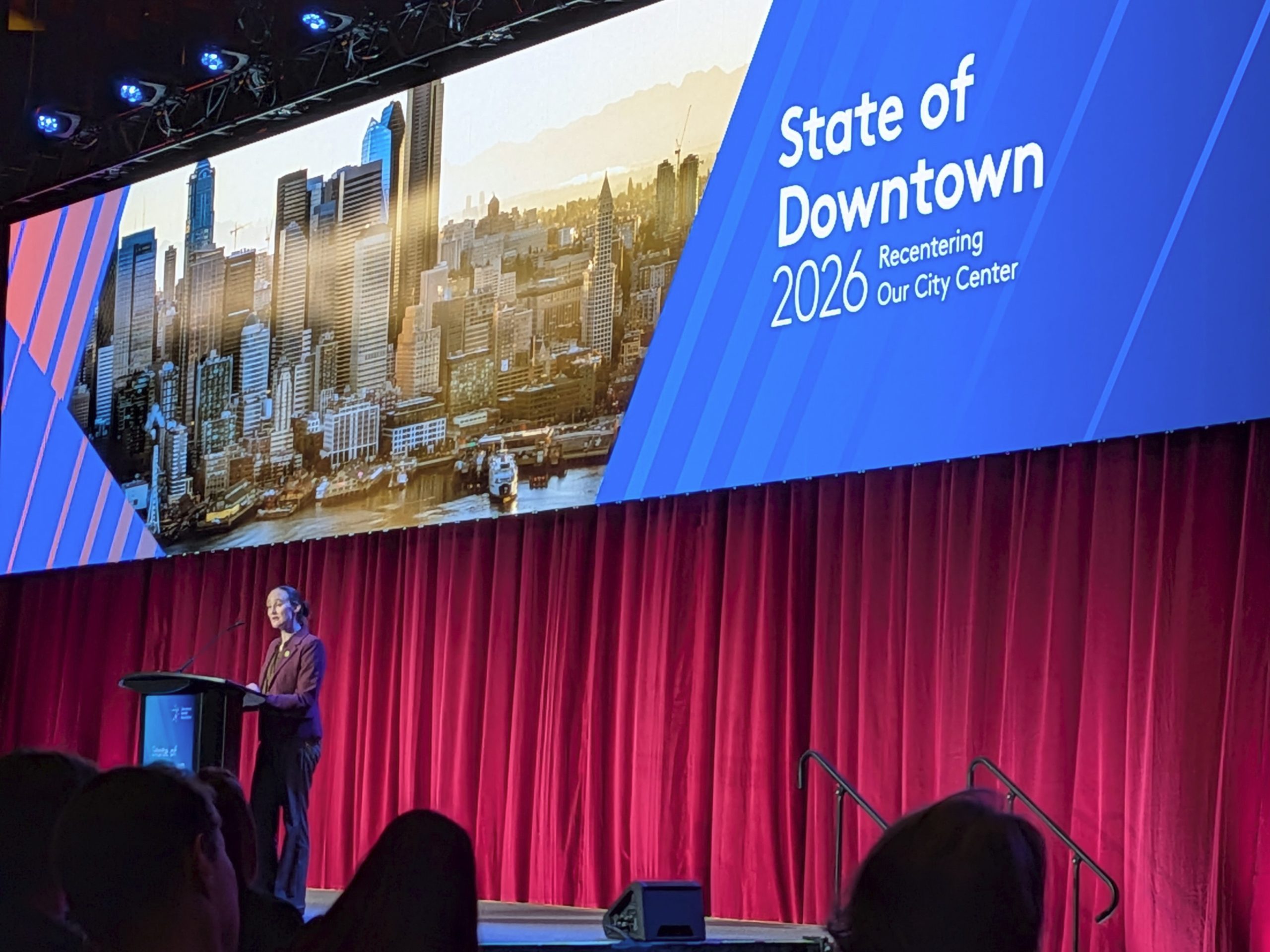
Diving deeper, the core of this shift lies in the erosion of downtown’s job base, that perennial engine of growth tangled in a web of rising costs. By 2019, over 340,000 workers thrived in the city’s heart, their echoed footsteps echoing through atriums and coffee shops—a hive of productivity. But post-pandemic, as we edge into 2026, those numbers have dipped to around 317,000, mirroring levels from 2018. For the average office worker like Mark, a software developer who’s seen his team shrink, this feels personal. He recalls the pre-COVID buzz: endless meetings, after-work drinks, and the thrill of collaboration. Now, with AI automating tasks and economics squeezing budgets, “bloat” is being cut like unwanted fat. Yet, blame lands heavily on taxes, those invisible chains binding businesses. The JumpStart tax targets high-earning employees, a “jump scare” for firms like Amazon, while revenue tax shifts burden away from mom-and-pop shops onto giants. As Jon Scholes, head of the Downtown Seattle Association, bluntly states at their annual event, Seattle’s become an outlier—costlier than rivals like Bellevue. It’s not just policy; it’s a human dilemma, where employers weigh loyalty against the math of sustainability, forcing choices that ripple through families and communities.
Amid this economic storm, voices of reason emerge from City Hall, pledging balance over burden. Mayor Katie Wilson, speaking to a hall brimming with anxious stakeholders, admits the tax terrain isn’t ideal, acknowledging the “wild out-of-step” vibe with neighbors. It’s a moment of vulnerability for a leader who’s championed a revitalized Seattle, her words humanizing the policy wonkery: governments must scrutinize budgets, prune excesses. She promises “significant” cuts, while King County Executive Girmay Zahilay vows to rebuild from scratch, not recycle the past. For residents like Elena, a small business owner renting space downtown, this resonates. She’s watched her rent climb with property taxes, forcing late-night calculations. “Will this mean relief for my floral shop?” she wonders, dreaming of a city where prosperity isn’t a zero-sum game. These pledges echo hope, but they’re also calls to accountability, transforming bureaucratic debate into relatable promises of fairness in a city that’s always prided itself on progressive ideals.
Yet, not all is gloom; silver linings glint through the clouds, revealing a Seattle that’s safer, more lived-in, and vibrant in surprising ways. Crime rates have plummeted since a 2021 peak, a victory that feels deeply personal—think of old-timers like Francisco, who for years avoided downtown after dark, now strolling confidently with his granddaughter. Downtowns’s population has swelled to nearly 110,000, an 80% upsurge over 25 years, injecting life into once-sleepy blocks with families, artists, and renters. Visitors are back too, over 15.3 million unique ones flocking in annually, their footsteps reviving markets and theaters, even if the “frequent flyer” count holds steady. Transit thrives: light rail boardings surged 23% in 2025, easing commutes for commuters like Anita, a nurse racing to shifts. These metrics aren’t abstract; they’re the heartbeat of connection, where a dip in crime means peace of mind for parents, and surging residents foster community gardens and local eateries. It’s a narrative of resilience, where human warmth counters the chill of economic downturns, proving that Seattle’s soul, rooted in its people, endures.
The elephant in the room, however, is the workforce gap—a void where visitor energy meets Monday-through-Friday absence. Daily foot traffic hovers at 145,000, lagging far behind 2019’s 226,000, a stark reminder of unfulfilled potential. Amazon, the titan that once crowned Seattle’s employment chart, epitomizes this. Peaking at 60,000 local jobs in 2020, it’s now under 50,000, with looming layoffs and a massive office exodus this spring—a seven-story void echoing with memories of code sprints and late-night launches. Employees like Sophia, who’s weathered rounds of pink slips, recount the camaraderie turned cautionary tale: “It was exhilarating, but now it’s survival.” The University of Washington has overtaken Amazon as the city’s top employer, a pivot highlighting the ebb of corporate might. This isn’t mere number-crunching; it’s the loss of identity for a city that built itself on innovation, leaving voids in social fabric where neighborhoods mourn faded livelihoods.
Beyond big tech, the commercial fabric frays with vacancy woes, vacancies hitting 34.7% downtown by late 2025—a far cry from pre-pandemic’s 8%. Empty offices stand like ghosts, but not everywhere; firms like Impinj expand leases, DAT Solutions and Docker claim waterfront spots, defying the trend. Scholes underscores the interdependence: big employers nourish small ones—restaurants, barbers, boutiques fed by upstairs workers. For someone like Carlos, owner of a downtown taqueria, it’s visceral: “Those office crowds were my lunch rush; without them, I’m cutting corners, worrying about my family.” This ecosystem’s fragility humanizes the stakes—it’s about livelihoods, legacies, and the delicate dance of urban revival. As Seattle balances tech’s wane with communal gains, the question lingers: can a city adapt, or will isolation prevail? Through stories like these, Seattle’s metamorphosis unfolds not as data points, but as a shared journey toward equilibrium.