



The Incident at Gracie Mansion
In the bustling heart of New York City, far from the serene suburbs that shaped their lives, two young men from Bucks County, Pennsylvania, found themselves caught up in a storm of tension and ideology. Ibrahim Kayumi, 19, and his friend Emir Balat, 18, had traveled to the Upper East Side to participate in a counter-protest against a right-wing demonstration led by Jake Lang. Lang’s rally, which drew crowds opposing what he characterized as rising Muslim influence in America, had been planned outside Gracie Mansion, the official residence of New York City’s mayor. The atmosphere was charged, with shouts and signs filling the air, as counter-protesters like Kayumi and Balat sought to make their voices heard against what they perceived as hate speech. But as the demonstration escalated, the situation turned far more dangerous. Police sources later revealed that the pair had allegedly hurled homemade bombs crafted with a potent explosive commonly referred to as “Mother of Satan,” a volatile compound favored by extremist groups worldwide. The bombs failed to detonate fully, yet the attempt shocked authorities, who swiftly apprehended the young men. NYPD Commissioner Jessica Tisch was quick to label the act as ISIS-inspired terrorism, citing the ideological underpinnings that appeared to motivate the pair. For many, this incident underscored the complex intersection of youthful discontent, family roots, and the far-reaching tendrils of international conflicts. Kayumi and Balat, raised in relatively affluent, quiet communities, had seemingly deviated from paths shaped by their immigrant parents’ pursuit of a stable life in America. Their actions raised questions about how suburban environments, often buffered from global strife, can harbor deep-seated frustrations or radical influences. As investigations unfolded, details emerged of their affluent backgrounds, contrasting sharply with the destructive intent of their deeds. It was as if the American Dream their families had built had been overshadowed by an undeniable darkness, prompting a broader discussion about the challenges of integration, identity, and the vulnerabilities of displaced youth in a wealthy nation. While the protests themselves were about free speech and cultural clashes, the alleged bombing highlighted a deeper rift, one where personal grievances might fuel extreme responses. Neighbors near the mansion recounted the chaos, with some describing eyewitness accounts of the thrown devices and the panicked dispersal of the crowd. Media coverage exploded, painting the scene as a near-miss that echoed past incidents of homegrown extremism. Kayumi and Balat, once typical teenagers navigating high school and emerging adulthood, were now at the center of a federal probe, their futures hanging in the balance. This event became a poignant reminder of how quickly lives can derail, influenced by online ideologies that promise belonging amidst alienation. Law enforcement officials emphasized the investigative process moving forward, gathering evidence from surveillance footage, witness statements, and digital traces. For the families involved, who had relocated to America seeking safety and opportunity, the ordeal must have felt like a betrayal of the very stability they had worked so hard to achieve. As the city grappled with the aftermath, community leaders called for dialogue, urging understanding between diverse groups to prevent such fractures from widening. In essence, the incident at Gracie Mansion was not just about a failed protest but a microcosm of broader societal tensions, where two young lives, steeped in privilege yet perhaps lacking direction, crossed into perilous territory.
The Explosives and Their Origins
The makeshift bombs that Kayumi and Balat allegedly deployed during the protests were no random concoction; they were laden with a substance known ominously as “Mother of Satan,” a high-powered explosive that has been documented in terrorist operations across the globe. This compound, chemically complex and notoriously unstable, is derived from readily available materials yet requires a level of knowledge that hints at premeditation and possibly external guidance. Eyewitness reports from the scene described small, improvised devices—perhaps fashioned in garages or basements from household items and black-market chemicals—that were hurled with reckless abandon. One bomb reportedly detonated partially, releasing a noxious cloud that dispersed the crowd and injured no one critically, but the intent was clear: to intimidate and disrupt. Sources within law enforcement detailed how such explosives have been linked to ISIS propaganda, where tutorials disseminated online encourage lone-wolf attacks using everyday ingredients. For Kayumi and Balat, accessing this knowledge might have come through dark web forums or encrypted social media channels, where extremist rhetoric blends with personal grievances. It’s a chilling aspect of modern terrorism, where ideology transcends borders, infiltrating the lives of suburban teenagers far removed from conflict zones. The “Mother of Satan” moniker itself is a testament to its fearsome reputation, evoking images of apocalyptic devastation despite its smaller scale in this incident. Police recovered fragments of the devices, analyzing residue that confirmed the explosive’s identity, which sparked immediate alerts to federal agencies tasked with monitoring domestic threats. This wasn’t a spontaneous act of rage but a calculated assault, planned amidst the fervor of online radicalization. For many Americans, it prompted reflections on the ease with which harmful ideas spread in an age of uninterrupted digital connectivity. Community figures in Bucks County expressed shock, noting how both young men had seemed integrated, participating in local sports or school activities without overt signs of extremism. Yet, beneath the surface, perhaps simmering discontent—over perceived injustices, cultural identity, or global events—had festered, amplified by virtual communities promising purpose. The investigation delved into their devices, tracing potential sources for the chemicals, which could reveal clandestine networks or misguided experimentation. This element of the case humanized the suspects in a sobering way: not as monsters, but as young individuals seduced by dangerous ideologies, much like countless others throughout history. Experts on extremism pointed to patterns where such explosive knowledge proliferates, warning of preventive measures like digital literacy and mental health support in immigrant enclaves. The buses that carried them to the city, their choice of explosive, even the timing during a heated protest—all painted a picture of calculated disruption. As charges loomed, the explosives became符号 of a greater malaise, urging society to address root causes before they manifest in violence. Families and friends, interviewed in the aftermath, spoke of confusion and regret, wishing they had noticed red flags sooner. Ultimately, the “Mother of Satan” wasn’t just a bomb; it was a metaphor for how seemingly innocent curiosity can morph into lethal action, demanding introspection from all quarters.
Ibrahim Kayumi’s Family and Suburban Life
Ibrahim Kayumi’s story begins with his parents’ arduous journey from Afghanistan decades ago, a narrative of resilience amid war and upheaval. Fleeing the turmoil of the 1980s and 1990s Soviet-Afghan War and subsequent Taliban rises, they arrived in the United States with dreams of rebuilding their lives in safety. Naturalized as US citizens between 2004 and 2009, they settled in Newtown, a picturesque borough in Bucks County, Pennsylvania, where tranquility and prosperity promised a fresh start. Their home, a sprawling 5,800-square-foot mansion worth $2.25 million, stands as a tangible embodiment of the American Dream realized. This grand residence, boasting six bedrooms and five bathrooms, features contemporary amenities like a gourmet kitchen, spacious living areas, and landscaped grounds overlooking serene vistas. Neighbors describe it as a symbol of quiet success, its manicured lawns and subtle elegance reflecting the family’s ascent from refugees to landowners. Ibrahim grew up here amid a blend of cultural traditions, likely celebrating Afghan festivals alongside American holidays, navigating the duality of identity that many immigrant children face. His parents operated a local convenience store, a humble yet steady business that allowed them to provide for their family while maintaining ties to their heritage. Records indicate they invested wisely, perhaps taking advantage of low-interest loans or relative stability to purchase the property, turning adversity into opportunity. For Ibrahim, this affluent environment offered privileges few in his parents’ generation could imagine—private schooling, sports teams, and community events that fostered a sense of belonging. Yet, as investigations revealed, this idyll masked internal struggles that might have driven him to extremism. Friends and acquaintances portray him as a thoughtful young man, curious and academically inclined, but perhaps alienated by the gap between his family’s legacy of displacement and the isolating pull of online radicalism. The contrast between their opulent home and the destructive act at Gracie Mansion underscores the fragility of upward mobility. Community members, many themselves immigrants or descendants of them, voiced empathy, wondering how such wealth could fail to shield a child from darker impulses. Interviews with local officials highlighted initiatives to support immigrant families, from cultural assimilation programs to mental health resources for youth feeling disconnected. Ibrahim’s parents, dignity intact despite the ordeal, likely grappled with shock and sorrow, their dreams now tainted by public scrutiny. The family home, once a sanctuary, became a focal point in media narratives, symbolizing how the American Dream can fracture under pressure. Reflections on their story prompt questions about societal responsibility: how can communities better integrate newcomers, ensuring futures aren’t derailed by unseen torments? In humanizing their plight, it’s clear they arrived seeking peace, only to face the unexpected challenges of raising children in a rapidly changing world. Their journey, from Afghan hardships to Pennsylvania prosperity, serves as a reminder that success stories are complicated, woven with threads of hope and vulnerability in equal measure.
Emir Balat’s Roots and Fullfinger Gesture
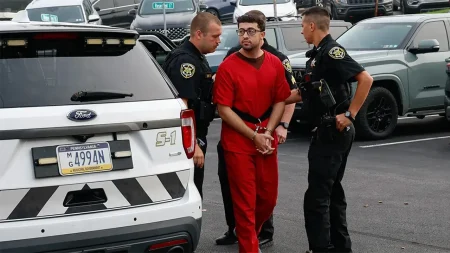
Emir Balat’s path to the events outside Gracie Mansion was similarly rooted in immigrant ambition, though his family’s story differed in origins and timeline. His parents, hailing from Turkey, became naturalized American citizens in 2017 after settling in Bucks County. Unlike Kayumi’s family, who evaded decades of Afghan conflict, the Balats likely immigrated for economic opportunities, perhaps driven by Turkey’s own socio-political shifts and the allure of America’s promises. Their home, a charming 3,200-square-foot two-story house valued at $653,000, offered a more modest yet comfortable suburban refuge. Situated in a neighborhood dotted with family-oriented streets, it featured a welcoming porch, spacious rooms for growing children, and a backyard ideal for gatherings, embodying steady middle-class achievement. Emir’s upbringing mirrored that of many in the area—nurtured in a blend of Turkish customs and American norms, possibly enjoying traditional meals alongside Fourth of July barbecues or local festivals. Records suggest the family maintained ties to their heritage, perhaps through a small community of expatriates or cultural events, while embracing new routines. For Emir, this environment provided stability, with access to public schools, recreational activities, and supportive social circles that typically foster healthy development. Acquaintances remembered him as outgoing and athletic, participating in team sports or club activities that built friendships and a sense of camaraderie. However, as federal investigators pieced together his connections to the alleged bombing, red flags emerged, particularly his defiant act upon arrest. Escorted from a police precinct, Balat raised his right index finger in a gesture widely recognized as the ISIS salute, a symbolic declaration of allegiance that shocked onlookers and media observers alike. This bold, symbolic choice during his detention underscored the ideological depth of his actions, transforming a moment of private anger into a public statement. It prompted discussions on how such influences penetrate otherwise unremarkable lives, with experts citing online grooming by extremist networks that prey on youthful insecurity. For the Balat family, whose American journey began more recently, the ordeal must have felt particularly jarring—a sudden reversal from integration to infamy. Interviews with neighbors revealed a community in disbelief, describing Emir as polite and well-mannered, not the stereotype of a fanatic. This humanized him as a teenager perhaps grappling with identity crises, where the promise of radical belonging overshadowed familial stability. Cultural psychologists noted how recent immigrants like the Balats might struggle with cultural dissonance, making them susceptible to narratives offering purpose amid uncertainty. The family’s home, while less extravagant than Kayumi’s, still represented hard-won security, now overshadowed by federal charges and public judgment. Reflections on Emir’s story highlighted prevention efforts, such as community outreach programs addressing hate and radicalization in immigrant populations. His parents, undoubtedly heartbroken, might ponder where they fell short in guiding their son through the complexities of dual identities. Ultimately, Balat’s salute and suburban roots painted a portrait of missed opportunities, urging empathy toward youth teetering on the edge of extremism in an interconnected world.
The American Dream and Immigrant Aspirations
The tales of Kayumi and Balat’s families dovetail into a broader narrative of immigration and the elusive American Dream, a concept that has lured millions yet often conceals underlying struggles that can boil over into tragedy. For Afghans like Kayumi’s parents, fleeing the relentless cycles of war—marked by superpowers’ interventions and internal strife—the United States symbolized sanctuary, where grit and enterprise could yield prosperity. Naturalized in the mid-2000s, they navigated citizenship processes amid heightened scrutiny post-9/11, overcoming bureaucratic hurdles to secure a convenience store that became a cornerstone of economic independence. Their Bucks County mansion, with its six bedrooms accommodating a growing family, was a milestone achieved through years of labor, savings, and perhaps fortunate real estate timing in a booming area. This success wasn’t merely financial; it fostered a sense of belonging, where immigrant narratives merged with American ideals of homeownership and community. Yet, the dream’s facade cracked when their son Ibrahim’s alleged actions thrust them into the spotlight, revealing generational disconnects that no amount of wealth could heal. Similarly, the Balats, fresh from Turkey’s dynamic yet sometimes turbulent landscape, embraced citizenship in 2017 with optimism for brighter horizons. Their two-story home, a respectable $653,000 investment, provided a nurturing space for Emir to thrive, blending Turkish hospitality with suburban comforts. Both families exemplify how immigrants contribute vibrantly—via businesses, civic participation, and cultural diversity—while grappling with assimilation’s unspoken pressures. Psychologists and sociologists often discuss “acculturative stress,” where second-generation youth feel caught between parental expectations and peer influences, potentially turning to extremism as an outlet for alienation. For Kayumi and Balat, this manifested in a counter-protest gone awry, their familys’ achievements juxtaposed against radical ideologies disseminated online. Community leaders in Pennsylvania immigrant enclaves emphasized the need for proactive support, from language programs to mental health initiatives tailored for displaced families. The American Dream, in their stories, emerged as multifaceted: rewarding in tangible successes like beautiful homes, yet fragile when ideological warriors encroach. Reflections on these immigrants prompt national conversations about equity—ensuring newcomers receive resources to thrive without residual traumas resurfacing in their children. It’s a human story of aspiration, where gardens of prosperity can harbor shadows of unrest, calling for societal vigilance to fortify the dream for all.
Legal Fallout and Broader Implications
As the dust settled on the failed bombing near Gracie Mansion, Ibrahim Kayumi and Emir Balat faced the inexorable weight of federal charges, unsealed mere days after their arrest, catapulting their families into a labyrinth of legal proceedings. The allegations of ISIS-inspired terrorism carried profound ramifications, potentially lifetime consequences under stringent anti-terrorism statutes, including conspiracy and attempted use of explosives. Investigations by NYPD and federal partners delved into digital footprints, travel records, and associates, piecing together how suburban teenagers evolved into alleged threats. For Kayumi’s parents, veterans of Afghan exodus now contending with their son’s detention, this marked a heartbreaking climax to decades of displacement. Their $2.25 million home, once a proud testament to endurance, became inextricably linked to headlines questioning familial oversight amidst affluence. Similarly, Balat’s family, whose Turkish roots and modest bucolic abode represented recent stability, grappled with the sting of public betrayal, their naturalization dreams now entangled in legal battles that could lead to deportation risks or stigma. Attorneys for the defendants likely advocated for leniency, highlighting youthful naivety and potential rehabilitation, while prosecutors underscored the explosive threat to urban safety. Media speculation swirled, humanizing the suspects through profiles of remorseful youth influenced by manipulative online ecosystems. Broader implications rippled outward: policymakers debated enhanced monitoring of immigrant communities without fostering paranoia, and experts called for de-radicalization programs akin to those in Europe, emphasizing education over incarceration. Community forums in Bucks County hosted dialogues, bridging divides between diverse groups, with some advocating for trauma-informed support for immigrant families. For Kayumi and Balat, federal courts would adjudicate not just crimes but the intersection of opportunity and peril inherent in the American fabric. Families, resilient despite scrutiny, offered glimpses of fortitude, pledging support while reckoning with wrongs. Ultimately, this case illuminated societal fractures, urging preventive dialogues to mend them, ensuring futures aren’t marred by echoes of unchecked ideologies.