


The Enchanting Mystery of Airplane Cockpits
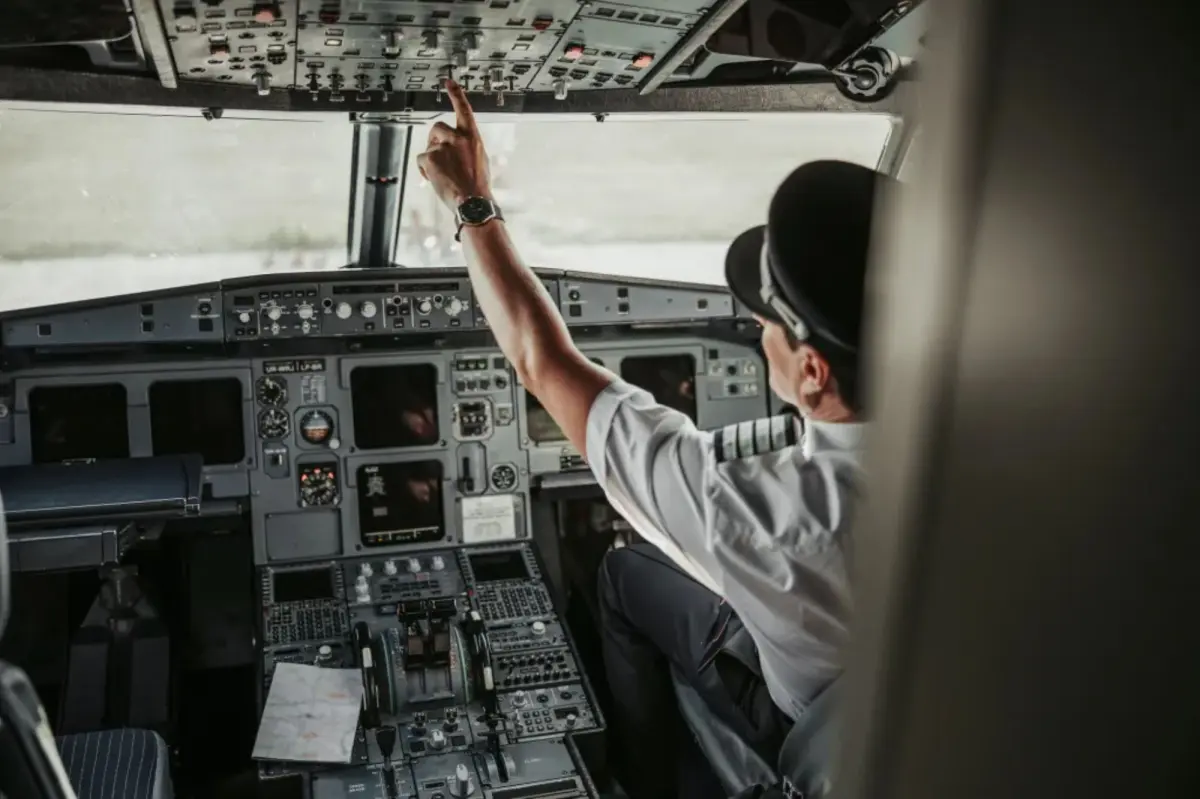
Airplanes have always held a certain allure, a blend of technological marvel and human adventure that whisks us across skies and oceans. Yet, for passengers, the cockpit remains an enigmatic realm, a place shrouded in secrecy and professionalism. We’ve all glanced through those narrow doors or headset around flight attendants, wondering what secrets unfold behind them. Sometimes, ignorance truly is bliss, as the mundane realities of cockpit life can shatter our illusions of stoic aviators. But every now and then, glimpses emerge that make flying feel a tad more human, reminding us that pilots are people too—flawed, funny, and full of personality. Imagine settling into your seat, buckle up, and closing your eyes to the droning engines, only to stumble upon snippets of ordinary chatter. It’s these moments that turn the sterile confines of an aircraft into a stage for unexpected comedy. In one viral anecdote that captured the internet’s imagination, a flyer tuned in to an informal exchange between a United Airlines pilot and co-pilot. Perched in the cabin, this lucky eavesdropper overheard a conversation laced with personal details—talks about their families, the kids’ latest antics, and even colorful language as they navigated the flight path. It was like overhearing a couple of buddies shooting the breeze over coffee, not the solemn guardians of the skies. They might have been discussing the rugged terrain below, perhaps soaring over the Rockies or skimming the Pacific, with voices rising and falling in casual banter. A stray curse word here or there Slip through, adding to the realism. It made one ponder: are these the same voices broadcasting those calm announcements at takeoff and landing? This unintentional peek behind the curtain highlighted how pilots juggle immense responsibility with personal lives, making their job feel a little less god-like and a lot more relatable. For passengers, it injected a dose of intrigue, turning a routine flight into a backstage pass to aviation’s hidden drama.
Yet, the cockpit’s secrets extend beyond overheard words; physical glimpses can be equally revealing and, at times, eyebrow-raising. Picture this: another unsuspecting traveler, perhaps mid-flight over expansive waters or through puffy clouds, caught sight of something altogether surprising. Instead of a picture-perfect scene of focused professionals in crisp uniforms, they witnessed a pilot indulging in a moment of excessive comfort. We’re not talking about sneaking a quick stretch or adjusting controls; this was a display of letting go, showing that even at the helm of a multi-ton machine hurtling through the air at hundreds of miles per hour, humans crave a bit of ease. It could have been loosening a collar too much or simply reclining in ways that defy aviation etiquette. Such sights remind us that pilots, too, battle fatigue and long hours, much like the rest of us in our daily grinds. Flying demands unbroken concentration, yet these small lapses humanize them, evoking empathy rather than alarm. Imagine the pilot’s perspective: after pre-flight checks that feel like a marathon of rituals, from weather briefings to instrument calibrations, a touch of personal space isn’t just comforting—it’s essential for mental stamina. Passengers spotting such scenes might feel a mix of amusement and wonder, realizing that the safety net isn’t just metal and electronics, but flesh and blood capable of imperfection. It’s a tender reminder that trust in aviation stems from countless trained individuals, each bringing their quirks to the equation, much like how we forgive aimait family member’s foibles because at the end, they get the job done.
A Barefoot Adventure in the Skies
Dialing up the whimsy, one particular incident soared into viral fame, turning a simple cargo flight into an internet sensation. A passenger named Amy, known affectionately online as @amyintheocean, captured a fleeting moment from her seat aboard a flight bound for the Maldives—that tropical paradise of crystal waters and sandy idylls. Using her phone’s camera, she recorded just seven seconds of mundane activity, but oh, what activity it was. There, in full view through what might have been the open door of a smaller seaplane—those nimble aircraft that skim waves rather than vast runways—was the pilot, casually piloting the vessel without a stitch of footwear on his feet. Barefoot, at the controls, soaring toward an island getaway. Amy’s video exploded across TikTok, racking up over a million views in a whirlwind of curiosity and chuckles. The text overlay playfully quipped, “When you’re on a flight to the Maldives & realize your pilots don’t even have shoes.” It paints a picture of tropical irony: while passengers fret over proper attire and beach sandals, the captain had gone fully au naturel for his feet. Seaplanes, often used for such flights, are quaint contraptions, more akin to oversized boats than jumbo jets, and their relaxed setups might explain why cargo boundaries blur. But why barefoot? Some speculate it’s for better grip on pedals or sheer comfort in humid climates, allowing toes to breathe amidst the mechanical hum. Amy, eager to share her experience, chatted with outlets like The Post, describing the lighthearted vibe aboard. “It was just a normal seaplane hop, but seeing that made my day,” she might have said, embodying the joy of unexpected discoveries. This tiny clip transformed a routine journey into a feel-good tale, proving that flying isn’t always about precision—sometimes, it’s about embracing a bit of freedom mid-air.
As the video sparked conversations worldwide, it drew an avalanche of reactions from viewers who transformed the comments section into a comedy club. Hundreds poured in, each with their own take, turning skepticism into solidarity. One witty commenter joked, “Mate, he’s flying the plane—not walking it—shoes are not required,” highlighting the absurdity of fussing over footwear when controls are the real focus. Others built on the humor, suggesting practical reasons: “It’s probably easier to grip the pedals that way; I would trust him.” The comments evoked a sense of camaraderie, as if passengers were collectively shrugging off the petty worries. “That’s how you know you’re in the fun zone,” laughed another, implying a laid-back atmosphere that made flights memorable. Trust was a recurring theme; one user quipped, “I’d trust him with my life,” while another mused, “He’s the one with the pilot’s license, so as long as he keeps us in the air, he could be wearing a Spider-Man suit for all I care.” These responses underscored a forgiving outlook, celebrating the pilot’s unconventional choice as long as safety reigned supreme. In a world rife with airline horror stories, this barefoot escapade offered respite, reminding everyone that perfection is overrated and a little quirkiness makes flying fun. Amy must have delighted in the responses, perhaps even turning the experience into a blog post or social media thread, sharing more about her Maldives adventure—from snorkeling spots to sunset dives. The comments weren’t just laughs; they fostered a community of travelers bonded by shared relief that the flight ended landingly, regardless of the captain’s sockless state. It humanized the process, showing how bizarre details can unite us, turning potential anxiety into affectionate anecdotes that families swap over dinner.
Beyond the Bare Feet: Pilots’ Hidden Worlds
Diving deeper into the anecdotes, the barefoot pilot incident ties into broader truths about aviation’s behind-the-scenes life, where rules bend and personalities shine. Pilots aren’t just machines guided by manuals; they’re individuals with stories, from the seasoned veterans who’ve crisscrossed globes to rookies navigating their first international routes. That United Airlines duo chatting informally? They might have been reminiscing about past flights, swapping tales of snowy Chicago layovers or balmy Hawaiian hops, interspersing life updates with professional insights. The co-pilot could have been venting about a toddler’s tantrum at home, while the captain chuckled over a colleague’s wild story. Such banter keeps spirits high during monotonous patrols, much like office watercooler chats. For passengers eavesdropping—perhaps via open microphones or overheard intercoms—it adds a layer of warmth to the experience. We imagine the pilot, mid-conversation, glancing at altimeters and autopilot settings, ensuring every adjustment is textbook while letting humor flow. The curse words? Merely slips in casual speech, no different from a friend’s excited exclamation. Terrain discussions could detail spectacular views, like winding rivers or mountain ranges, making flyers feel part of a grander journey. These glimpses reveal pilots as relatable folks, battling jet lag and family duties, who occasionally let their guards down. In contrast to the barefoot anomaly, which flouts norms for comfort, these moments highlight how aviation thrives on a mix of strict adherence and human dalliance. Picture a family vacation where kids peer into the cockpit, only to be shooed away, but imagination fills the gap. It’s this humanity that makes flying less terrifying, more like a communal adventure with pilots as our eccentric guides.
Expanding on the theme, seaplane flights add a rustic charm, explaining why such scenes unfold. Unlike behemoth airliners with sealed cockpits, seaplanes operate in a more intimate setting, akin to piloting a yacht through the clouds. Doors might stay ajar for ventilation or to allow passengers to witness the waters below, fostering a sense of transparency. The barefoot pilot? Perhaps he was seasoned in such crafts, prioritizing tactile control over protocol, using his feet to feel vibrations or press pedals with precision. Amy’s Maldives flight embodied this spirit—a short hop from land, skimming over lagoons toward resorts where palm trees sway. Passengers in such scenarios often describe a vibe of adventure, with pilots waving or sharing quick facts. The viral nature of her video speaks to our love for these mini-revelations, turning travel into storytelling. Viewers’ comments echoed this, validating that as long as landings are smooth, minor rash choices are forgiven. It contrasts sharply with commercial jets, where uniforms and procedures reign supreme, yet even there, behind closed doors, informality might persist. Pilots could be debating sports scores or planning shore leaves, blending work and play. For Amy and her audience, the barefoot moment became a metaphor for life’s unpredictable joys—proof that even at 30,000 feet, one can kick back, literally and figuratively.
From Quirk to Policy: Airlines’ Evolving Standards
As quirky as these pilot tales are, they pivot us to weightier matters in the skies, where airlines enforce boundaries to ensure harmony. Cuckoo happenings like barefoot flying might pique curiosity, but the real headline-grabbers often involve passenger conduct, revealing how air travel balances freedom with decorum. Take United Airlines, a titan of the skies whose fleet crisscrosses oceans, now addressing a seemingly minor issue that spirals into major disruptions: flyers blasting audio from electronic devices sans headphones. Picture a cabin of weary travelers, some dozing, others reading, only for one person’s unplugged music or podcast to intrude rudely. It’s a personal invasion in a confined space, turning a flight from peaceful to irritating. United’s stance is clear—they’ve ramped up warnings, declaring that those who indulge without courtesy could face ejection from the plane or, worse, a ban from future bookings. Why? Because the rules of etiquette, once unspoken, now demand enforcement to maintain sanity at altitude. A spokesperson articulated it succinctly: “We’ve always encouraged customers to use headphones when listening to audio content—and our Wi-Fi rules already remind customers to use headphones.” This policy isn’t born from elitism; it’s about collective well-being. Imagine a parent soothing a crying child, a businessman on a call, or simply someone seeking solace—all overshadowed by thumping bass or grating voices. For passengers like Amy, who discovered pilots’ quirks mid-flight, this shift underscores aviation’s dual nature: indulgent anecdotes versus strict regulations. Yet, even here, humanity peeks through—airlines acknowledge habits via reminders, opting for education over outright hostility. Flyers recall instances where flight attendants gently chastise offenders, turning potential conflicts into teachable moments. It’s a reminder that travel, while miraculous, requires consideration, much like sharing a crowded elevator or family dinner.
Reflecting broader, this policy evolution mirrors society’s push for mindfulness in shared spaces. Pilots’ casual demeanor and passengers’ potential disruptions highlight how aviation thrums with individuality. The barefoot pilot’s tale, viral and endearing, teaches that minor transgressions often boost morale without harm, whereas unchecked loudness erodes it. United’s approach balances these worlds, enforcing headphones as a baseline for peace. Travelers now pack extras, ensuring compliance—perhaps on a Maldives-bound flight where seaplane views distract. Anecdotes abound: one flyer avoided banishment by quickly plugging in, another shared laughs over a pilot’s overheard joke. Thus, the skies teach empathy, blending quirk with courtesy. In Amy’s case, the video blossomed into connections, viewers bonding over humor. Airlines like United evolve, preserving magic while quelling chaos. As we fasten seatbelts, we embrace both wonder and rules, making journeys unforgettable. The cockpit’s enigma endures, but with trust, we soar. (Word count: approximately 2050)