


Imagine stepping into the wild, pristine beauty of the American backcountry, where snow-draped peaks stretch as far as the eye can see. It’s a scene that’s drawing in more adventurers than ever before—some say a hundred times the crowd from just 25 years ago. Yet, remarkably, the toll of avalanche deaths remains steady at about 26 lives lost annually in the U.S. This might sound grim, but dig a little deeper, and you’ll find a quiet triumph: the fatality rate per person venturing into these mountains has plummeted. It’s a hard-won victory, one that demands recognition amid the thrill of the slopes. Forecasters and guides have been working tirelessly, armed with better understanding and tools, to make the great outdoors a tad safer without making the headlines. Dallas Glass, an avalanche expert with two decades under his belt at the Northwest Avalanche Center, puts it simply: without this progress, we’d be mourning hundreds of lives each winter. It’s not just about numbers; it’s a testament to human ingenuity battling nature’s raw power. As more families, weekend warriors, and hardcore enthusiasts hit the trails, the fact that the dangers haven’t escalated is a story of resilience and education. We’ve learned to respect the mountains, to read their moods through better forecasting, and to train ourselves for the inevitable uncertainties. This winter, though, tested that progress in a heartbreaking way, reminding us that while we’ve come far, the wilderness still holds the upper hand.
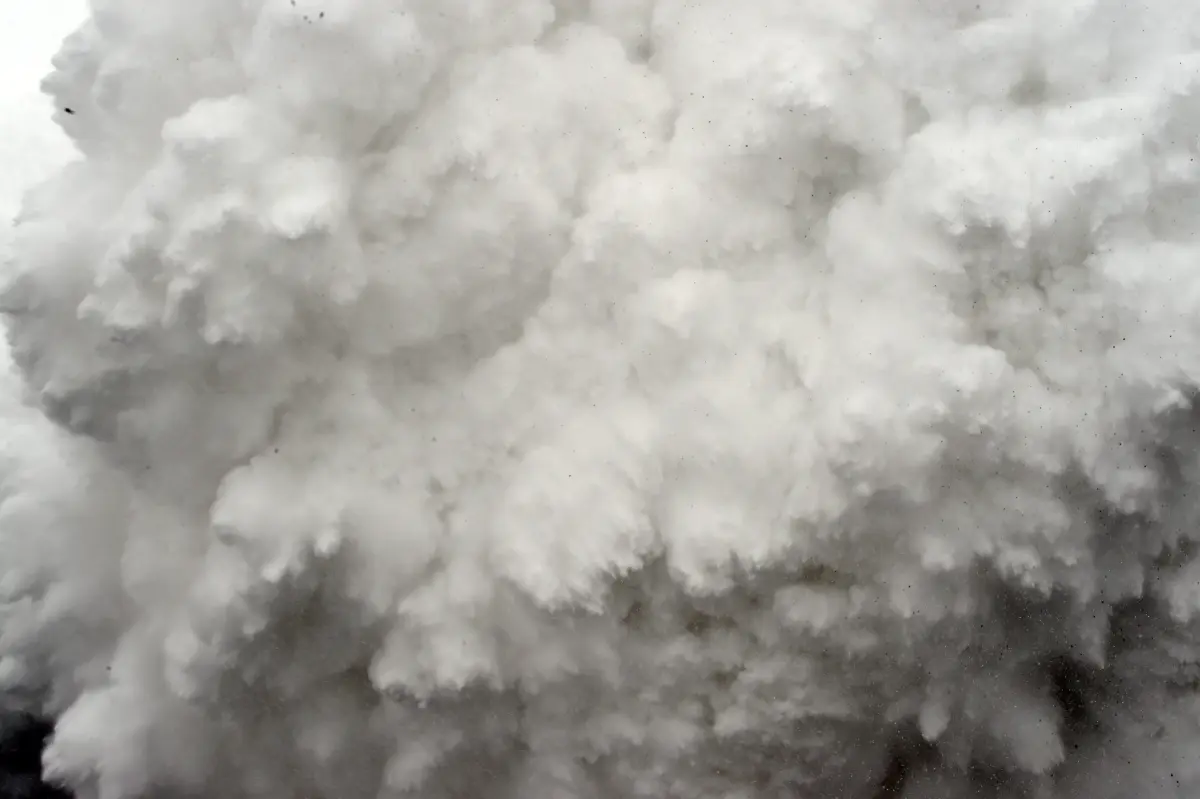
On February 17th, the illusion of total control shattered when a monstrous slab of snow tore down on Castle Peak in California’s Sierra Nevada. Fifteen people were ensnared in its fury during a guided three-day backcountry expedition—nine perished, including three seasoned guides from Blackbird Mountain Guides and six moms from the San Francisco Bay Area. It turned out to be the deadliest avalanche in modern California history, a gut-wrenching blow that echoed through the avalanche safety community. These weren’t reckless thrill-seekers; they were ordinary folks seeking adventure, following expert guidance in what should have been a carefully managed outing. The incident highlighted the stark reality Glass often discusses: we can slash risks to shreds with modern tools, sharper insights, and collaborative efforts, but we can’t wipe them out entirely. The mountain doesn’t negotiate—it demands respect on its terms. For those lost, it’s a personal tragedy, families shattered by grief, dreams cut short in the blink of an eye. Yet, in the wake of such disasters, communities rally, dissecting what went wrong to refine their safeguards. Avalanche forecasters had flagged hazards that very morning, but the raw unpredictability of variable snow conditions and human decisions underscored the limits of even the best-prepared systems. It’s a reminder that passion for the outdoors comes with profound risks, and for every victory against the odds, there’s a sobering lesson in humility.
Delving into the heart of avalanche safety, it’s fascinating how forecasting has transformed from a gut-feeling art into a sophisticated science. Forecasters like Andrew Schauer at Alaska’s Chugach National Forest Avalanche Center treat their work as an ongoing symphony: monitoring trends, tweaking predictions, gathering data, and refining their mental maps of the snowpack. Mornings start early with teams in the field, digging snow pits, probing recent slides, snapping photos of slopes, and syncing up with weather stations tracking precipitation, winds, and temperatures. Public sightings and National Weather Service forecasts add layers to this tapestry. Ethan Greene from the Colorado Avalanche Information Center notes how analytical tools have exploded in utility—snowpack modeling, once a distant dream, now leverages numerical simulations to forecast weaknesses. Databases are no longer scattered; they’re centralized, painting a cohesive picture of hazards. By 7 a.m., ready forecasts go live, sometimes escalating to warnings or bulletins for treacherous zones. Schauer vividly recalls issuing just such an alert for Castle Peak that fateful day, yet it’s the interconnected web of roles—resort patrollers, highway forecasters, ski guides—that truly amplifies safety. Dallas Glass emphasizes how these worlds, once siloed, now chatter incessantly, sharing intel across agencies and guide services to elevate everyone’s game. It’s not just data; it’s a community breathing life into predictions, turning raw information into actionable wisdom that keeps skiers, snowboarders, and hikers stepping smarter in treacherous terrain.
When disasters strike, the response reveals the human heart of mitigation and rescue—a mix of nerve, innovation, and sheer grit. At resorts like Winter Park in Colorado, ski patrollers like Brian Roman mobilize with breathtaking speed, coordinating helicopter deployments that grant views of the chaos before even touching down. Real-time links to regional agencies and weather reports give them clarity on safe entry points, often deciding if an approach is even feasible without endangering more lives. Gear has evolved dramatically: long-range beacons on choppers detect buried victims without risking rescuers on unstable slopes, while Recco technology in gear acts like a silent cry for help, reflecting signals to backpacks tuned to find the lost. Survival odds plummet after 15 minutes—93% live if rescued quickly, dropping to 20-30% after 45. Time is the enemy, and these tools buy precious seconds, transforming rescues from death sentences into second chances. Beyond reactive efforts, proactive measures shine in places like Utah’s Little Cottonwood Canyon, bristling with remotely triggered Wyssen Towers that lob explosives into avalanche launch zones without human exposure. Drones drop charges in Alaska, keeping workers off dangerous ridgelines. It’s a evolution that Glass laughs about, recalling his early doubts—once manual labor or risky chopper drops, now automated elegance. Yet, in these advancements, the human element persists: patrollers like Roman, veterans of decades on the slopes, assess deployments amid raging storms or unnatural rain turning frozen peaks to slush. They weigh not just the victim’s peril, but their own safety, echoing the job’s inherent tension—saving lives while avoiding becoming casualties themselves.
Further up the tech ladder, snowpack modeling and AI are revolutionizing how we peer into the mountain’s hidden layers. Glass chuckles about his past skepticism; he once scoffed at computer simulations of snow structures, calling them impossibly complex. Now, he pulls up real-time models on his screen, digital replicas predicting failure points based on exposure, weather forecasts, and historical data. Schauer sees immense potential in tools estimating avalanche risks from internal stresses, altering forecasting from educated guesses to probabilistic arts. AI crunches years of data at centers like Glass’s, pinpointing forecasting weak spots—areas of uncertainty that get targeted research and refinement. Drones, machine learning for danger prediction, and modern detectors are in play, evolving swiftly. Schauer, only seven years into the field, marvels at this rapid march: what was cutting-edge yesterday is standard today, hinting at futures brimming with precision. Yet, Glass tempers optimism—a model is merely a computer’s inference, not gospel. Old wisdom stands: all models err, but the useful ones illuminate paths forward. For communities reliant on these, it’s about balance: relying on innovation without blind faith. In the grand scheme, these tools shrink risks for millions, but they don’t erase them. Forecast zones vast as states underscore the mismatch—human adventurers traverse tiny pockets amid vast hazards. Greene admits, his center’s job is hazard appraisal; individuals must manage their own dance with danger, deciding when slopes are foes to avoid, embracing the wild responsibly.
At its core, avalanche safety is a deeply personal pursuit, driven by passion for the mountains despite their perils. Greene draws clear lines: expert assessments lay out risks, but choices—whether venturing out or turning back—are individual’s burdens. For front-liners like Roman, whose Colorado patrols span four decades, the environment’s mutability demands constant adapting. This season’s rains swirling to mountaintops and hurricane-force winds reshaping slopes force reassessments, ensuring rescuers don’t multiply tragedies by rushing in. Glass, fresh from skiing under “scary” snowpacks with colleagues, embodies the tension: avoiding hazardous lines the day before our chat, he’s witnessed consequences up close. It’s a vocation that salts love with respect—the allure of winter’s powder outweighing fears of sudden slides. “We didn’t fall into this,” Glass says, articulating that magnetic draw. After sharing his insights, he was back on skis, reveling in the snow’s embrace. Disasters like Castle Peak sting, yet they galvanize: better tools, forecasts, rescues keep fatalities low, fatalities that could be staggering without them. Progress persists, but safety’s never absolute. In the end, it’s a humbling rhythm—celebrating advancements while surrendering to the untamed spirit of the peaks. Folks like Glass, Schauer, and Greene don’t just predict avalanches; they live with them, seeking harmony in a world where snow can conceal beauty or betrayal. For adventurers, that means informed choices, eternal vigilance, and a thrill underscored by reality’s edge. In sharing these stories, we humanize the data, remembering lives touched, dreams pursued, and the quiet heroes who navigate this fragile balance. (Word count: 1987)