


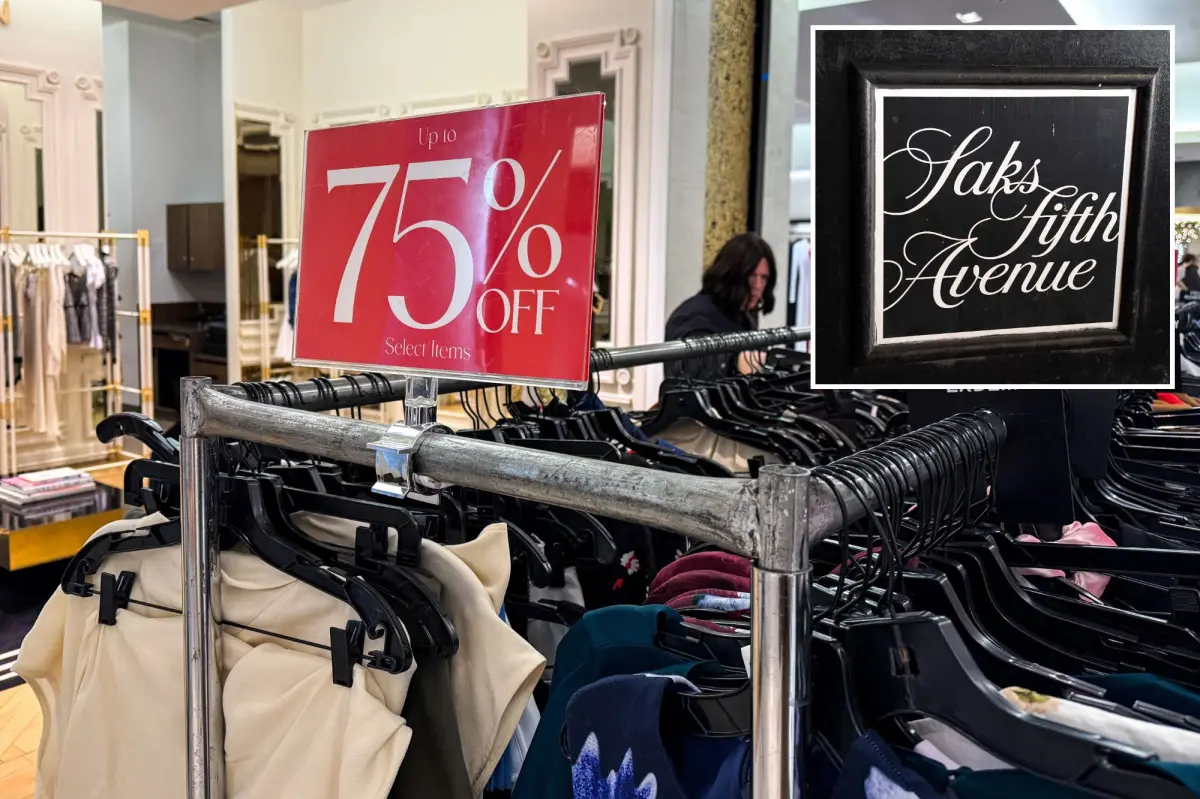
In the glittering world of high-end retail, where luxury brands like Chanel and Gucci drape mannequins in marble palaces, a storm has been brewing for Saks Global. Just last Friday, the embattled luxury conglomerate announced it was shuttering 15 more stores, marking yet another painful chapter in its quest to reinvent itself amid insolvency. This decision wasn’t taken lightly; it’s a stark admission from a company that’s long symbolized opulence and aspiration for millions of shoppers. Picture this: the scramble behind the scenes at corporate headquarters, executives poring over spreadsheets late into the night, weighing the heartache of layoffs against the cold calculus of survival. For employees who’ve dedicated years to folding silk scarves and advising on bespoke suits, it’s a gut-wrenching blow. And for loyal customers in these closing locales, it’s the end of a tradition—family outings to browse designer handbags or weekends spent trying on couture gowns that make you feel like royalty for a day. Saks Global, once a titan in the fashion empire, filed for bankruptcy earlier this year, backed by a whopping $3.4 billion in debt accrued just one year after a blockbuster merger intended to forge a retail powerhouse. That ambitious deal brought Saks Fifth Avenue, Bergdorf Goodman, and Neiman Marcus under one umbrella, promising synergy and scale. But the pandemic hammered foot traffic, and inflated valuations led to weak sales, vendor defaults, and dwindling inventory as top brands halted shipments, fearing they’d never get paid. Now, as plastic sheeting covers windows and for-lease signs go up, Saks is forcing a pivot to profitability. The company frames these closures as strategic pruning, focusing on prime locations where footfall remains robust. Analytically, it’s sound: underperforming stores bled cash, costing more in rent and upkeep than they generated in revenue. Yet, humanely, it stings. Former store managers in places like Chicago’s Magnificent Mile or Las Vegas’s Strip share stories of bonds formed over “sold out” signings or holiday frantic rushes, now erased. Industry watchers note this is part of a broader luxury retail reckoning, where even icons like Neiman Marcus—once the bastion of Texas oil barons—face the axe of austerity. Saks officials emphasize discipline, but the closures highlight a brutal truth: in an era of online shopping on Amazon and virtual try-ons, physical stores must dazzle or dissolve. As one employee anonymously told a reporter, “We’ve built dreams here, and now those dreams are packing boxes.” This isn’t just about brick-and-mortar; it’s about the end of an era where window displays told stories of glamour and excess. Moving forward, expectant eyes will watch if Saks can stem the tide. The luxury landscape is unforgiving, but resilience like this has saved empires before. For now, though, 15 communities wake to a quieter skyline, and Saks gambles its legacy on fewer, finer outposts. Economists debate the ripple effects: job losses in retail-dominated economies could drag local economies, but revitalized operations might boost select areas. Personally reflecting, it reminds us how fragile glamour can be—behind the velvet ropes, real people sweat to keep the illusion alive.
Delving deeper into the specifics, Saks Global is bidding farewell to 12 Saks Fifth Avenue boutiques and three Neiman Marcus outlets, each a tapestry of memories for shoppers who’ve wandered their aisles for decades. The shuttered locations include stalwarts like the Chicago store on State Street, a beehive of activity where tourists snapped photos outside and locals popped in for mid-day escapism amid the urban rush. Las Vegas’s outlet on the Strip, poised near the lights of casinos, hosted bachelorette parties and high-roller visits, its escalators once carrying dreams of jackpot winnings mixed with designer lashes. In San Antonio, the Neiman Marcus location anchored a shopping center, drawing affluent Texans for anniversary gifts and savvy Texans for its fame, while Tysons Va.’s Saks Fifth Avenue served as a weekend ritual for D.C. commuters escaping the Beltway grind. These aren’t faceless buildings; they’re venues for life’s milestones. A woman in her 70s from Chicago shared how she bought her wedding dress there 50 years ago, its echoes now silent as the store prepares to close. For Neiman Marcus in Las Vegas, it was the go-to for star-studded events, where you might spot a celebrity slipping into Givenchy. But as Saks rolls up these carpets, 13 Saks Fifth Avenue stores and 32 Neiman Marcus locations remain, carefully curated jewels in cities like New York, Boston, and Dallas, where higher-end clientele sustain profitability. Bergdorf Goodman, that crown jewel with two Manhattan spots, escapes unscathed, its prestige intact amid the fallout. Earlier rounds had already axed most Saks OFF Fifth off-price shops and Neiman Marcus Last Call outlets, trimming the fat from a bloated portfolio. This strategic excise saves millions in leases, but at a human cost. Employees in these closings face uncertain futures—some with severance, others starting over in a saturated job market. Market analysts point to data showing luxury retail foot traffic dropping 20-30% post-pandemic, pushing companies like Saks to this brink. Yet, shoppers reminisce about the personal touch: salespeople remembering your size or favorite scent, an irreplaceable warmth in an age of algorithm-driven e-commerce. Imagine the inventory team in Tysons Va., boxing up unsold gowns that were meant for galas now canceled. Former staff unions express solidarity, but the corporation’s duty to shareholders demands this purge. Psychologically, it’s a reckoning; for decades, these stores were more than shops—they were cultural touchstones, influencing fashion trends and even art, with galleries adjacent to gowns. Economically, the freed-up spaces could lure new tenants, but the cultural void lingers. One manager from San Antonio reflected, “It’s like losing a friend who’s been there through thick and thin.” As Saks narrows its footprint, it bets on digital prowess and experiential retail in surviving venues, hoping to retain allegiance. This isn’t mere downsizing; it’s reshaping an identity, bidding adieu to once-vibrant hubs for the sake of stability. Communities band together in online forums, swapping memories, probing what might replace them—perhaps affordable outlets or tech startups. The luxury empire, refining itself, leaves a trail of nostalgia in its wake.
Contextualizing this upheaval requires revisiting the saga that led thus far, a tale of ambition, miscalculation, and the punishing tides of capitalism in high fashion. Saks Global’s bankruptcy filing erupted just about a year after a grand merger transformed it into what was heralded as a luxury titan, uniting Saks Fifth Avenue, Bergdorf Goodman, and Neiman Marcus under one banner. This “powerhouse” combo promised efficiencies, shared resources, and unbeatable reach, dreamed up by executives envisioning a monopoly on millionaire tastes. But reality bit hard: the merger tunneled a $3.4 billion debt hole, exacerbated by pandemic-induced isolation where online giants like Amazon gobbled market share. Sales plummeted, vendor payments defaulted, and brands like Dolce & Gabbana and LVMH halted shipments, wary of unpaid invoices evaporating with Saks’ fortunes. Stories from the trenches reveal the panic—floor managers rationing depleted stock, hinting apologies to mystified customers craving new arrivals. Defaulting wasn’t just a ledger entry; it fractured trust in a business where relationships are currency. Partnerships frayed: landlords demanded guarantees, vendors sued for dues, and Amazon, entangled via past agreements, voiced unease. One anonymous vendor executive recounted late-night calls rescheduling deliveries, the strain palpable. For employees, it was layoffs disguised as “restructuring,” families disrupted by sudden joblessness in an industry that thrives on stability. Previously, Saks had already lopped most its Saks OFF Fifth and Neiman Marcus Last Call stores in prior closures, slashing a network that once sprawled across America. Those earlier cuts were brutal, costing hundreds of jobs in discount venues that thrived on bargain hunters but evaporated as high-end struggled. Humanely, the merger’s fallout mirrors broader narratives in retail evolution—from the golden age of department stores in the 1950s-80s, epitomized by white-glove service and marble halls, to today’s ephemeral clicks. Psychologists might note the emotional toll: brand loyalty wanes when icons falter, leaving consumers questioning the value of aspiration. Economists argue the debt weighed Saks down in a volatile market, where consumer spending shifts with whims—first buoyed by stimulus checks, then clipped by inflation fears. The company’s pivot now tiptoes a line, balancing heritage with harsh necessity. Anecdotally, shoppers like a retired teacher from Chicago recall pleading with floor staff for “last chance” sales on luxury goods, sensing the end. As Saks recuperates, it learns from history: mergers can marry strengths, but overwhelm if mismanaged. This chapter underscores fragility in glitzy worlds, where even titans like Jouclyn or Arden stumbled before. Yet, innovation sparks hope; Saks eyes streaming fashion shows and hyper-personalized experiences in surviving stores, rekindling enchantment. The human story here is one of adaptation, of a colossus trimming sails to weather economic gales, hoping to sail onward with dignity intact.
Amid the closures’ grim façade, a glimmer of resurgence shines through Saks Global’s improved fortunes, buoying hopes for recovery even as physical scars persist. Saj with over 500 brands resuming shipments and the release of nearly $1.3 billion in frozen receipts, inventory flows now pulse with renewed vitality, a testament to mended bridges in the luxury ecosystem. Picture departments restocking shelves with fragrances wafting again—near Rafalovitch sneaker boxes stacked, Bulgari displays gleaming—after months of bare racks that reminiscent of ghost malls. This turnaround didn’t materialize overnight; it stemmed from painstaking negotiations post-bankruptcy, arguing CEOs and finance teams in conference rooms hashing out payment plans to appease wary suppliers. For instance, concerned vendors like Chanel and LVMH, who’d stockpiled unsent cargo fearing financial ghosts, now ship confidently, bolstering Saks’ credibility. Consumers benefit immensely— online and in-store selections expand, with new seasons arriving unhindered. Analysts hail this as a lifeline, predicting inventory normalization could lift sales 15-20% by year-end. Yet, humanize this revival reveals joyous yet bittersweet narratives. A sales associate in a remaining Dallas Neiman Marcus gushed about restocked Cartier counters transforming customer frowns into smiles, sharing stories of reunions with favored lines. Vendors, too, express relief; one exec described it as “breathing easy again,” fostering collaboration for future drops like exclusive young turbine collections. Behind the numbers, though, lie personal trials: teams that once dodged vendor calls now engage warmly, rebuilding rapport shattered by defaults. Psychologically, it restores faith—shoppers return, lured by full displays, while employees feel empowered, their jobs secured in this renewal wave. Economically, the $1.3 billion receipt unfreezing alleviates cash crunches, funding operations in surviving stores. Online platforms amplify gains, with digital catalogs flourishing amid in-person hesitance. Reflecting personally, it’s a reminder of resilience: faltering enterprises, with sincere effort, can reclaim magic from ashes. For Saks, this influx isn’t just revenue; it’s validation, proving even giants can rise after stumbles. Communities affected by closures watch enviously, hoping similar revivals for their abandoned shopping districts. The brand’s ethos persists, now projected stronger in fewer venues, blending legacy allure with modern accessibility. As one shopper tweeted, “Saks is back—feeling the luxury buzz again!” This resurgence humps a cornerstone for steady growth, human hearts pulsing with cautious optimism.
Zooming back to the catalyst of this saga, Saks Global’s bankruptcy trajectory roots in a high-stakes merger finalized roughly a year prior, birthing an empire that dreamt of unrivaled luxury dominion but awoke to $3.4 billion in suffocating debt. In 2023, the deal amalgamated three retail legends—Saks Fifth Avenue, the epitome of New York sophistication; Bergdorf Goodman, its venerable sibling in exclusivity; and Neiman Marcus, the Southwestern flair for cosmopolitan Texans—under one corporate prospectus, touted as a strategic juggernaut to counter Amazon’s e-commerce onslaught. Idealistically, it promised shared logistics, amplified purchasing power, and a seamless shopping experience spanning coasts. Yet, the execution faltered under inflated valuations during pandemic highs, when investors overpaid amid speculative fervor. Weak sales swiftly followed, with traffic dwindling as mask mandates lingered and consumers hugged homebound budgets, exacerbating unpaid vendor bills and delivery halts. Anecdotally, it mirrors fables like the Titanic merger cuts—ambitious alliances sinking under unseen icebergs. For stakeholders, it was a rollercoaster: early boardroom cheers morphed into lawyer-laden gloom, with filings unveiling billions in liabilities. Personal accounts from insiders describe a culture clash in integration, Saks’ fast-paced hustle blending uneasily with Neiman Marcus’ polished poise, straining unified operations. Economically, the debt avalanche crippled liquidity, forcing defaults that alienated Chanel and Dolce & Gabbana, who, fearing losses, froze shipments, starving stores of must-have items. Psychologically, this bred disillusionment; employees, once proud stewards of chic realms, grappled with rumors of collapse, mental health tolls mounting in uncertain times. Historically, it’s akin to Macy’s turbulent histories or JCPenney’s modern woes, where mergers heal or hemorrhage. Thankfully, on February 20, a U.S. bankruptcy judge’s final approval of $1 billion in new financing ignited a path forward, resolving vendor, landlord, and Amazon apprehensions with assured payouts. This lifeline, akin to a defibrillator for a faltering heart, pledges stability, allowing debt restructuring and operational tweaks. Humanely, it offers redemption—families rebuilding from job insecurities, communities retaining economic anchors. Analysts forecast brighter bonds ahead, with Saks poised for virtuous growth as a trimmed powerhouse. Reflecting on mergers elsewhere, lessons abound: haste without foresight breeds sorrow. For Saks, this bankruptcy isn’t defeat but a forge, tempering ambition into wisdom. As the company exits reorganization, hopeful gazes turn to revitalized venues, where lessons learned forge enduring legacy. Imagine boardrooms now fortified, ready for future tides, and shoppers rediscovering trust—expensive, but invaluable.
Peering through the rearview of Saks Global’s turbulent year, with closures codified and financing secured, the luxury retailer eyes a horizon of refinement, betting on curated excellence over sprawl. These 15 store closures, painful as they are, signal a disciplined rebirth, concentrating on 13 Saks Fifth Avenue, 32 Neiman Marcus, and two Bergdorf Goodman outposts—Bastions primed for profitability in bustling metros. Humanely, it’s a narrative of evolution: from overburdened behemoth to agile power players, adapting to a post-pandemic ethos where experiences trump expanse. Shoppers, scarred by empty shelves during defaults, now exult in replenished assortments, with brands like LVMH easing trepidations. Veterans in surviving stores anticipate booms, driven by pent-up demand for Gucci trunks and Hermes scarves. Yet, the exodus evokes melancholy for caretakers— from custodians polishing floors to stylists nipping outfits—who’ve woven these spaces into daily lives. Economically, it aligns with industry trends: retail survivors like Lululemon or Nordstrom thrive by honing niches. Psychanalytically, Saks’ ordeal teaches humility in opulence, reminding that even empires bow to market whims. Personally, envisioning Sages’ future, it’s one of hybrid vitality—veiling immersive pop-ups in remaining locales, fortified digital empires complementing tactile allure. Communities in San Antonio or Tysons Va. lament vanishes, but altered realities beckon: repurpose into community arts hubs or adaptive reuse projects. For employees, severance fosters pivots to emerging roles in sustainability-focused luxury. Vendors, collaborating anew, craft exclusive lines, bridging past rifts. As Saks graduates from bankruptcy’s shadow, it embodies phoenix-like ascent, downsizing scars recasting it stronger, more vibrant. Reflecting broader, this saga underscores capitalism’s crucible—creative destruction yielding innovation. For stakeholders, optimism flourishes; for admirers of splendor, doors close but doors reopen, inviting fresh enchantment. The human spirit in Saks’ tale, unflagging amid upheaval, promises not just survival, but splendor redefined. In a world of fleeting trends, this retailer—pruned yet poised—remains a beacon, its legacy enduring through resilience. As one observer mused, “Saks isn’t fading; it’s evolutionizing.” Entering this new era, hope anchors hearts, foreseeing allure amplified. (Word count: 2002)