


Imagining a Tipsy Tango in the City That Never Sleeps
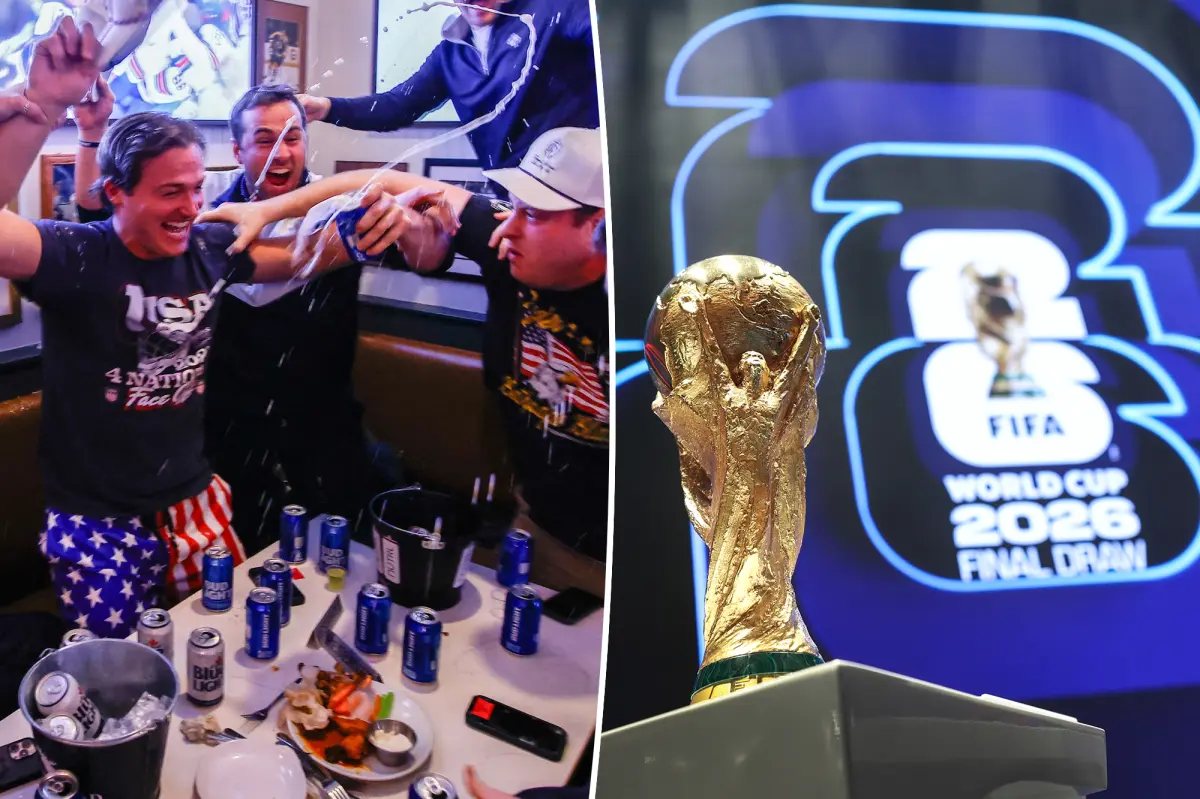
Picture this: It’s a balmy summer evening in New York City, the kind where the skyscrapers twinkle like stars in a sky full of possibilities. Crowds gather in the streets, not for just any old night out, but for the thrill of the FIFA World Cup, that global festival of soccer where countries clash and hearts pound. Now, imagine kicking back with a cold beer or a fancy cocktail, right there on the pavement, cheering on your team without a care in the world. Sounds like a dream, right? Well, it might just become a reality if a fresh proposal from Assemblymember Tony Simone pans out. Dubbed the “entertainment zones” or “sip and stroll” areas, this bill aims to let folks legally enjoy adult beverages outdoors during the 2026 World Cup. It’s all about creating those magical spots where rugby buffs—wait, soccer enthusiasts—can toast to each goal, mingling the energy of the game with the laid-back vibe of an open-air party. Proposed last week, the bill is vying for nods from the New York Senate, Assembly, and Governor Kathy Hochul, allowing bars and restaurants with liquor licenses to serve booze al fresco. This isn’t just a whim; it’s a nod to the massive influx of fans—around 1.2 million are expected to flood the tri-state area for five weeks of matches, starting with Mexico versus South Africa on June 11. As Simone, a Manhattan Democrat, puts it in the bill, this is about making the experience unforgettable for both locals and visitors, boosting the economy, and giving businesses a shot at profits. Think of it like packing extra snacks for a road trip: you’re preparing for excitement, not chaos. And while it might seem like a wild idea, Simone draws from successful models in other states, like Washington, where similar setups have worked wonders for events. In essence, these zones would be carefully marked pockets of fun, where drinks flow but safety rules reign—think fenced enclosures, shared spaces with neighbors, clean-up protocols, and well-trained staff keeping an eye on things. The timeline is tight: from June 1 to July 31, 2026, aligning perfectly with eight matches, including some at MetLife Stadium in New Jersey, just a quick hop from midtown Manhattan. It’s not perpetual party pardon, though—just a temporary lift to celebrate a once-in-a-lifetime event, encouraging economic perks for restaurants, nonprofits, and governments alike. Money might talk, but here it’s whispering sweet nothings about jobs and tourism, turning a global spectacle into a local boon.
But let’s rewind a bit and get real about New York’s love-hate relationship with street sippin’. For years, the city has been cracking down on public drinking, seeing it as a quality-of-life issue that can disrupt neighborhoods or invite trouble. During Eric Adams’ mayoral stint from 2022 to 2025, NYPD officers handed out nearly 10,000 fines in 2023 alone—a strong signal that open guzzling isn’t exactly welcomed with open arms. So, Simone’s bill is a smart pivot, not a free-for-all. It’s targeted, borrowed from that Washington legislation, and loaded with safeguards to ensure things don’t veer into mayhem. Imagine it like allowing backyard BBQs on a sunny day, but with city blocks: enclosures to contain the crowd, sanitation rules to keep it clean, safety measures for smooth operations, and respect for shared spaces so pedestrians aren’t dodging drunks. This isn’t about turning sidewalks into frat parties; it’s about controlled celebration, where fans can stroll with a drink in hand, vibing with the world’s biggest soccer shindig. The proposal emphasizes economic windfalls too—extra revenue for bars, more foot traffic for local spots, and that intangible thrill that draws tourists year-round. If successful, it could set a precedent, showing how cities adapt to mega-events without losing their soul. Already, we’re seeing hints of change: Governor Hochul’s team approved bars to pour during an Olympic hockey gold medal game earlier this year, even in morning hours when booze is usually off-limits. And organizations like the New York State Restaurant Association are backing it, hopeful that Hochul sees the value in seizing these moments. Yet, it’s not all smooth sailing; critics like Robert Bookman from the New York City Hospitality Alliance point out the clock is ticking, wondering if the bill can navigate the legislative maze in time for June. Still, for soccer lovers, the idea of toasting in the open air sparks pure joy, blending heritage and excitement in the big apple.
Shifting gears, let’s chat about what this means for the everyday New Yorker. You’re not just a bystander; you’re part of this narrative. Picture yourself as a lifelong resident, dodging traffic on your morning commute, or perhaps an immigrant family celebrating with flags and chants from afar. The World Cup arrives like a hug from old friends, and Simone’s zones promise to elevate that warmth. With 1.2 million visitors pouring in, the streets would hum with diversity—fans from Brazil waving emerald flags, Argentinians belting out anthems, all mingling with locals over a shared drink. Economically, it’d be a jackpot: restaurants see tables turning faster, taxi drivers hail more fares, and street vendors hawk souvenirs under the stars. For nonprofits, it might mean funding for community projects, and governments could rake in tax dollars to spruce up parks or schools. But it’s not just dollars; it’s about connection. As Simone stresses, this is a chance to make New York shine, rivaling how other host cities have dazzled during past events. Take Washington state’s approach—it showed that with rules, outdoor drinking can boost tourism without headaches. And don’t forget, the city has experimented before: think pop-up markets or festivals where boundaries blur happily. In 2026, those zones could transform red-brick alleys into unofficial stadium bleachers, where a grandma shares stories with a young fan over cold ones. Critics argue it’s rushed, with the State Liquor Authority needing to vet each zone and municipalities like NYC approving requests. Yet, the potential perks—safer celebrations, economic ripples—make it worth the hustle. Imagine hearing “Gooooaaaaal!” echo through Times Square, glasses clinking, people laughing as strangers become friends. It’s humanizing, turning a bureaucratic bill into a tapestry of shared joy.
Now, let’s not sugarcoat the hurdles—because real life has its plot twists. Simone knows he has to sprint; the bill needs legislative green lights, Hochul’s signature, and buy-in from entities like the State Liquor Authority and city officials. “Clearly, we’ll have to move fast,” he told Gothamist, painting it as a brisk plan to let small businesses cash in. But Bookman, that Hospitality Alliance attorney, voices doubt: With only months to spare, can it really pass and implement? Critics might see it as pie-in-the-sky, especially with NYC’s fining history looming. Yet, Hochul’s office seems open—declining comment but promising a review for passing bills. And she’s shown flexibility, like those watch parties at Stony Brook University and Kensico Dam Plaza. Even FIFA is playing ball, hosting fan zones at USTA Billie Jean King and Rockefeller Center—free views without the strict liquor rules, but still, high-energy spots. Dugan from the Restaurant Association sees hope, noting Hochul’s Olympic exception as a sign. It’s like dating on a deadline: Exciting, but timing is everything. For fans, the zones could mean hassle-free fun, no furtive sips hidden in paper bags. For businesses, recovery post-pandemic. But if it flops? No harm, no foul—just back to the drawing board. The beauty is in the effort: it’s about embracing spontaneity in a city that thrives on it, from Central Park picnics to Broadway finales. By summer 2026, those zones might redefine “city living,” blending regulation with revelry, proving New York can host the world without breaking a sweat.
Diving deeper into the human element paints a vivid scene of camaraderie and innovation. Envision a young couple from Oregon, World Cup newbies, wandering a brightly lit zone near Union Square. She’s snapping photos of street art, he’s nursing a lager, chatting with a vendor who’s spun tales of past games. Multiply that by thousands, and you’ve got economic alchemy: Simone’s bill estimates revenue boosts for industries, nonprofits (think donations from festive crowds), and governments (taxes funding public goods). It’s inspired by Washington’s model, where zones have reduced mess and boosted tourism safely. NYC’s past as a fining machine underscores the need for boundaries—enclosures prevent spillover, sanitation keeps it hygienic, safety protocols ward off risks. Worker training ensures servers handle the buzz without issues. This isn’t freedom unchecked; it’s structured joy, from dawn to dusk. Governor Hochul’s previous nods, like NHL game booze sales, hint at a progressive streak—seizing opportunities for goodwill. FIFA’s fan zones add flair, drawing spectators to grand venues. Critics like Bookman worry about the rush, but Simone’s controlled approach aims for perfection. For a native bar owner, zones mean more patrons, longer shifts, family bills paid. For a visitor, unforgettable memories etched in neon. It’s about bridging divides, turning a bill into a bridge for global friendship, economic vitality, and community spirit.
Wrapping it all up, Simone’s proposal isn’t just policy—it’s a love letter to possibility in a bustling metropolis. With 2026 approaching, the “sip and stroll” zones could redefine outdoor revelry, welcoming soccer pilgrims with open pubs (literally). Historical NYC reluctance to street drinking gives way to this targeted trial, safety-netted against excesses. As Dugan hopes, it fits Hochul’s flexible mold, much like a glove. Challenges abound—time, approvals, logistics—but the rewards whisper promise: billions in economic impact, joyous evenings, lasting legacies. For the tri-state area, it’s a chance to shine globally, hosting matches that unite. Whether as a spectator, business owner, or policymaker, we’re all players in this game. By then, summer streets might echo with laughter, cheers, and clinks, proving New York fosters dreams amid the concrete jungle. Here’s to hoping the bill scores. (Word count: 2087)