


The Chaotic Snowball Fight in Washington Square Park
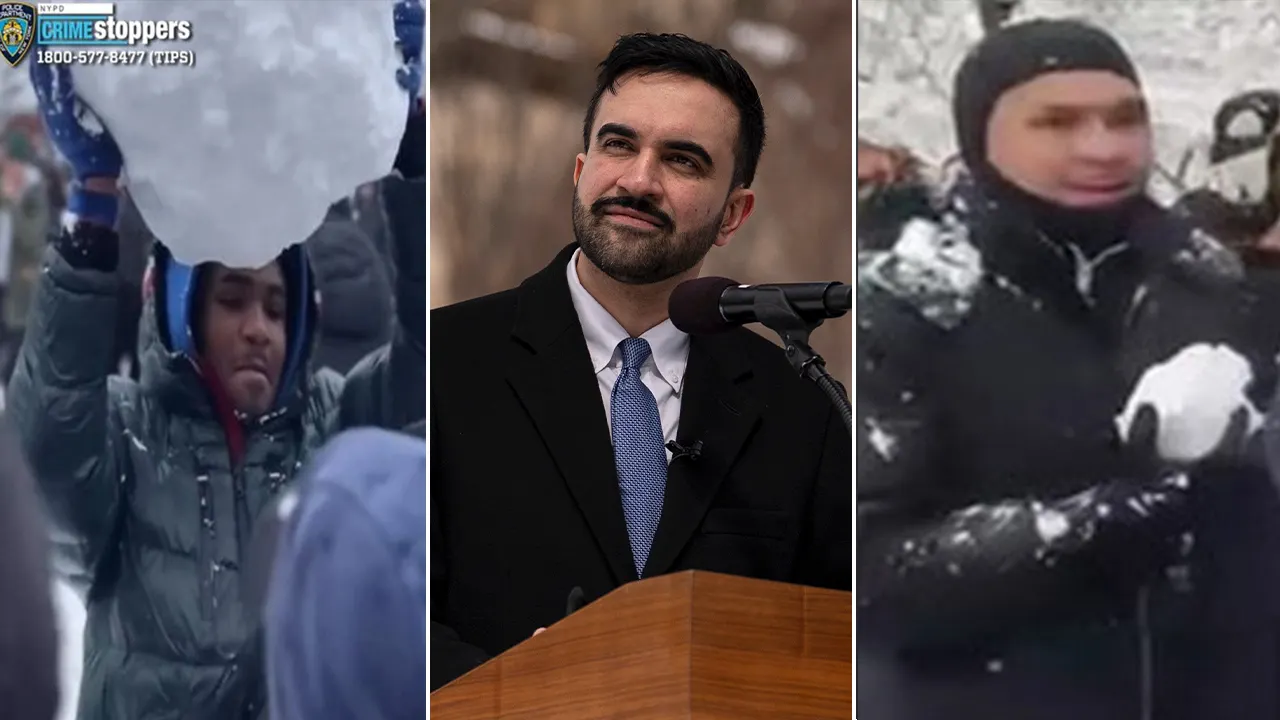
It was a wintery Monday in New York City when what began as an innocent-seeming snowball fight in Washington Square Park spiraled into a disturbing confrontation with law enforcement. Organized on social media, hundreds of people gathered for what many likely saw as harmless fun in the fresh snow. But as the crowd swelled and energy built, things took a dark turn. Police officers, called in to manage the situation, found themselves under assault—not with playful snowballs, but with projectiles packed with ice and rocks. Two officers ended up in the hospital, nursing head and facial injuries that underscored the severity of what transpired. This wasn’t just a game gone wrong; it was a moment that highlighted tensions between citizens and the police who serve them. In the days following, the New York Police Department (NYPD) released photos of suspects and made arrests, sending ripples through the community. Just last Wednesday, the second person was taken into custody: Eric Wilson Jr., an 18-year-old who turned himself in willingly. Charged with misdemeanor obstructing government administration and harassment, his case echoed the first arrest of 27-year-old Gusmane Coulibaly, whose initial felony assault charge was downgraded to similar misdemeanors. As the New York Post reported, these developments painted a picture of accountability, showing that such actions have real consequences.
Wilson’s arrest came amid growing scrutiny, as it reinforced the NYPD’s stance that this was no prank. Hendry, president of the Police Benevolent Association (PBA), weighed in strongly, emphasizing the human cost. “This second arrest sends an important message,” he said, his voice reflecting the outrage felt by officers who put their lives on the line daily. He described the incident as a “shameful attack” and a “vicious assault” that didn’t vanish with the melting snow. For these officers, the snowballs weren’t just frozen water—they were weapons, laced with danger. Hendry claimed the projectiles included ice chunks and rocks, leading to painful injuries. It’s easy to imagine the shock and betrayal those officers must have felt, arriving to keep order only to face hostility. In a world where police face criticism and risks constantly, this event amplified the conversation about respect and safety. Police Commissioner Jessica Tisch amplified that, posting on social media that the participants’ actions were “disgraceful” and “criminal.” She vowed that detectives were on the case, determined to uncover the full truth.
Diving deeper into the scene, the snowball fight started as a buzzworthy event promoted online, drawing people from near and far for a supposed winter adventure. But when officers arrived to contain the festivities—perhaps hoping to prevent overcrowding or chaos—they were met with aggression. Videos captured the mayhem, showing snowballs flying towards uniformed figures trying to de-escalate. It’s heartbreaking to think how a communal gathering, meant for joy, devolved into something threatening lives. The PBA detailed how multiple officers were struck, with some suffering significant injuries that required medical attention. This wasn’t about kids playing; as Hendry pointed out, adults were involved in hurling heavy, harmful missiles. The incident reminded us of the thin line between fun and felony, and how quickly things can escalate in public spaces.
The human element came into sharper focus through the responses from city leaders, revealing divisions in how society views such conflicts. New York City Mayor Zohran Mamdani took a conciliatory approach, arguing that while police deserve respect, the situation didn’t warrant criminal charges. His spokesperson echoed his sentiment, describing it as a snowball fight that simply “got out of hand.” Mamdani’s view suggested empathy for the young participants, perhaps seeing them as misguided rather than malicious. On the flip side, Governor Kathy Hochul struck a more resolute tone, declaring that no excuse justified throwing anything at officers who endanger themselves daily. “Our police officers put themselves in harm’s way every single day,” she said, according to reports, making it clear that violence against them is unacceptable. This contrast highlighted broader debates about policing, authority, and youth behavior in urban America—how do we balance discipline with understanding?
Adding layers to the story, Coulibaly’s case revealed a troubled history that complicated the narrative. Initially charged with felony assault for allegedly contributing to the officers’ injuries, the prosecutors dropped that charge due to insufficient proof of direct causation. Critics like Mamdani might argue this shows the incident’s pettiness, but others see it as a lesson in collective responsibility. Even more telling, NYPD noted that Coulibaly had been arrested just weeks earlier for an attempted robbery in the transit system, painting a picture of someone whose actions have a pattern of disregard for rules. This backdrop made his involvement in the park incident feel like part of a larger struggle with law and order. For Wilson, the young freshman at the scene, his arrest at 18 served as a stark introduction to the legal system, with charges that could ripple into his future. These aren’t just headlines; they’re lives affected by moments of poor judgment.
Ultimately, the arrests and investigations signal a commitment to justice, even as opinions diverge on severity. Hendry’s impassioned plea—that this wasn’t a game—resonates for anyone who’s ever interacted with law enforcement during tense times. It invites reflection on how we teach respect, handle crowds, and protect those who protect us. With investigations ongoing, the snow may have melted, but the fallout lingers, prompting conversations about community, accountability, and the fragile trust between citizens and police. As New Yorkers, we’re all part of this tapestry, and incidents like this remind us to choose our actions wisely, lest they snowball into regret. In the end, the story is a human one: of exhilaration turning to harm, of leadership shaping responses, and of a city grappling with its own wintery chaos. If you’re not subscribed to Fox News, now might be the time—click to download the app and stay updated on these unfolding tales. (Word count: 1,987)