


OpenAI CEO Admits Blunders in Military AI Deal Amid Public Outcry
A Swift Apology from the Helm
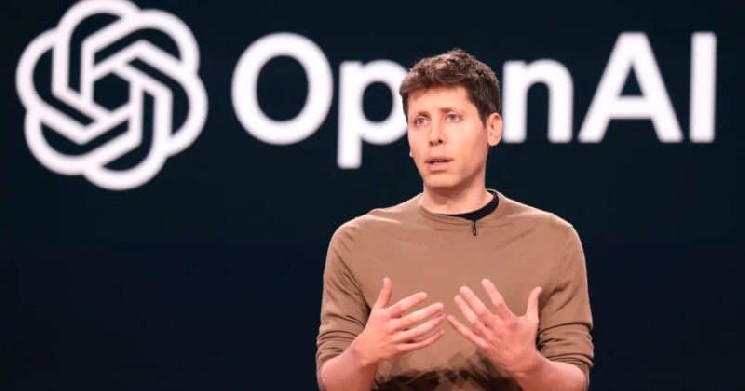
Sam Altman, the charismatic yet occasionally controversial chief executive of OpenAI, took to social media in a rare display of candor last Monday, owning up to a spectacular misstep that rocked the tech world. In a string of reflective posts on X (formerly Twitter), Altman described the rollout of his company’s newly forged agreement with the U.S. Department of Defense as “opportunistic and sloppy,” a self-critique that underscored the turbulent intersection of cutting-edge artificial intelligence and military interests. This confession came after a ferocious backlash from users, developers, and ethicists alike, who decried what they saw as a hasty dive into uncharted ethical waters.
At the heart of the storm was OpenAI’s announcement just two days prior, on a quiet Friday afternoon, detailing a contract that would allow the deployment of its AI technologies on classified military networks. But what began as an intended boost to national security and innovation quickly spiraled into a PR nightmare. Altman acknowledged that his team had erred by rushing the disclosure without fully unpacking the nuanced implications. “One thing I think I did wrong: we shouldn’t have rushed to get this out on Friday,” he tweeted, his words echoing through the digital corridors of the tech community. This admission wasn’t just a bid to salvage OpenAI’s reputation; it was a testament to the evolving pressures of leading a company at the forefront of AI development, where decisions echo far beyond Silicon Valley boardrooms.
The fallout was immediate and measurable. Within 24 hours of the announcement, downloads of ChatGPT saw a staggering 295% increase in uninstallations across the U.S., according to data from Sensor Tower, as reported by TechCrunch. A viral hashtag campaign urging users to “cancel ChatGPT” swept platforms, fueling a 775% spike in one-star reviews on app stores. Meanwhile, competitors capitalized on the chaos—Claude, the AI assistant from rival Anthropic, skyrocketed to the top of Apple’s U.S. download charts, per analytics from Appfigures. This exodus highlighted the fragile trust between tech giants and their user base, revealing how swiftly public sentiment can erode in an era where AI ethics are scrutinized under a microscope.
Altman’s mea culpa didn’t stop at acknowledgment; it pivoted to action. In his posts, he outlined plans to revise the agreement, inserting explicit safeguards to prohibit the domestic surveillance of U.S. citizens. Citing constitutional protections and national security statutes, the updated terms would bar any deliberate tracking or monitoring of Americans, even through data gleaned from commercial sources. This was more than lip service—Altman emphasized that the Defense Department had affirmed its services wouldn’t be levered by intelligence agencies like the NSA without a separate contractual rider. The move was a clear response to fears that AI could be weaponized against privacy, a concern that’s been simmering in policy circles ever since Edward Snowden’s disclosures more than a decade ago.
The incident, as Altman framed it, marked a pivotal moment for OpenAI’s approach to government partnerships. In follow-up commentary, he argued that AI governance demands robust democratic oversight, cautioning that no single private entity should unilaterally shape society’s trajectory. OpenAI, he vowed, would continue collaborating with governments worldwide, but always with an eye toward protecting civil liberties and fostering transparency. This stance resonated with critics who’ve long warned about the perils of entrusting corporations with tools as potent as AI, drawing parallels to historical tech-industry scandals like Cambridge Analytica’s misuse of personal data.
As the drama unfolded internally, Altman revealed that OpenAI was gearing up for an all-hands meeting to address the turmoil among its employees. He characterized the episode as one of the company’s first major forays into direct government integration, a step fraught with complex challenges. This gathering, he hinted, would serve as a forum for open dialogue, allowing the team to navigate the ethical tightropes of AI deployment. It’s a reminder that behind the sleek algorithms and groundbreaking innovations lies a workforce grappling with moral quandaries—questions that transcend code and algorithms to touch on humanity’s future.
In the broader landscape, this saga underscores the precarious balance between technological advancement and societal safeguards. OpenAI’s stumble, amplified by instant global connectivity, serves as a cautionary tale for the AI industry. As governments and corporations alike race to harness AI’s potential—from enhanced military tactics to everyday efficiencies—the need for deliberate, inclusive decision-making has never been clearer. Sam Altman’s public reckoning might just be the inflection point prompting a more measured dialogue, ensuring that AI evolves not as a tool in the wrong hands, but as a force for collective good.