


Imagine walking into a health food store, eyeing the shelves lined with probiotics in every form—pills, yogurts, sodas—all promising to supercharge your “gut health” and make you feel invincible. We’ve all heard the buzz: these little bacteria are supposed to boost your immune system, improve digestion, and maybe even sharpen your mood. But here’s the catch—while they work wonders for some folks, for others, it’s like trying to grow roses in a desert; nothing sticks, and you end up wasting your money and hopes. This one-size-fits-all approach just doesn’t cut it, because every person’s gut is a unique ecosystem, teeming with its own cast of microbial characters. Enter a groundbreaking idea that could change everything: detailed computer simulations that might soon predict exactly which bacteria will thrive in your personal gut garden. It’s not science fiction anymore; researchers are turning the complexities of microbiology into something as straightforward as running a software program, helping us figure out which microbes could make a real difference for you.
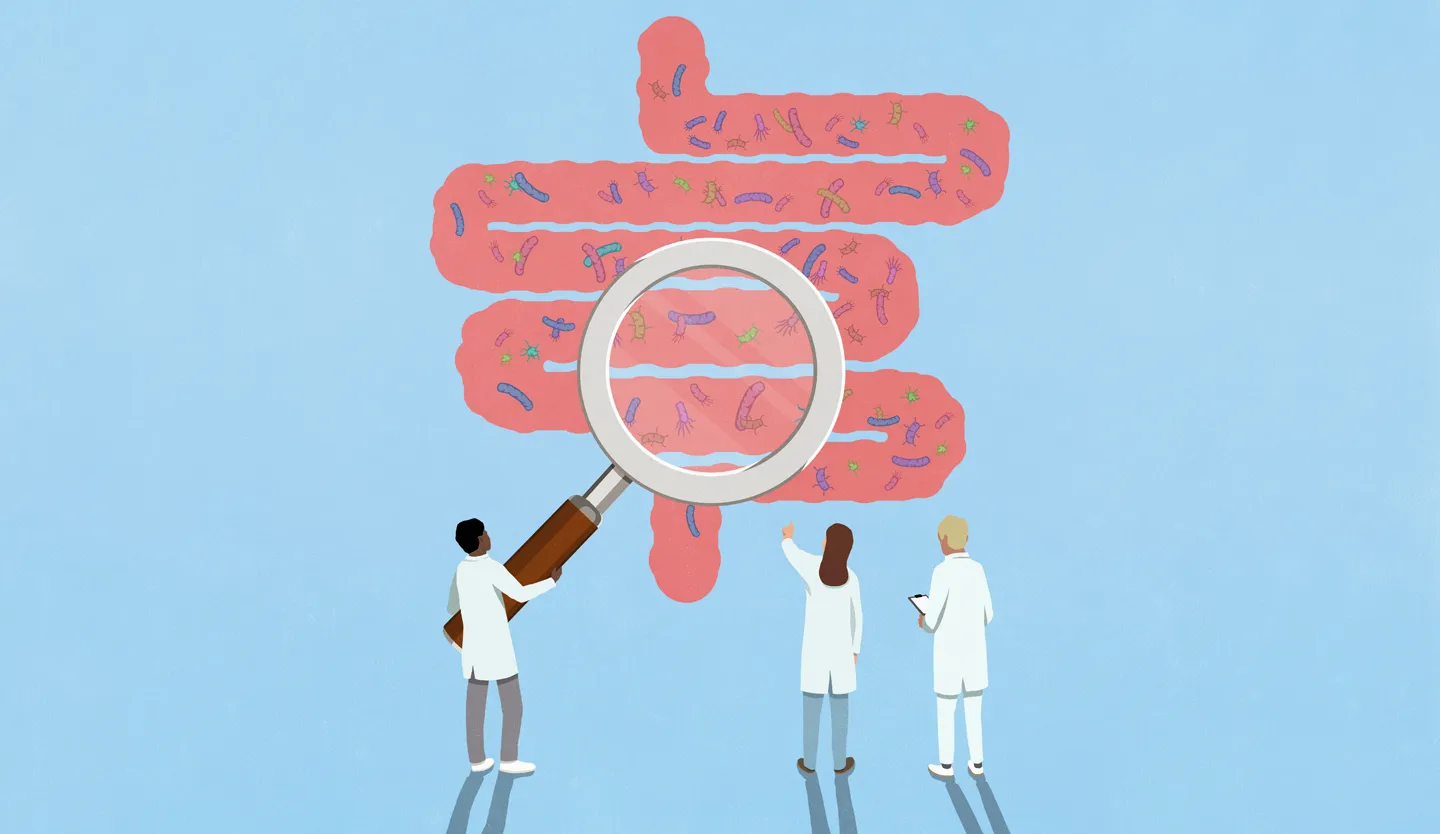
At the heart of this innovation are microbial community–scale metabolic models, which sound fancy but are really just clever digital blueprints built on what scientists already know about how gut bacteria feast and flourish. Think of your gut as a bustling city, where bacteria are the citizens, and nutrients are the goods they trade. These models simulate a bacteria strain’s life cycle within a virtual gut environment, predicting if it’ll grab onto the walls, multiply, and settle in. For instance, if you imagine introducing a new microbe that loves fiber-rich foods, the simulation checks if there’s enough “fiber currency” in your gut neighborhood for it to survive and thrive. Sean Gibbons, a leading microbiome researcher at the Institute for Systems Biology in Seattle, explains it this way: “You can test drive a potential new resident in a computer model of your gut, seeing whether it can grow and what ripple effects it might cause.” This isn’t a far-off dream; it’s a practical tool that could save time, money, and disappointment by virtual testing before you swallow a single pill. Gibbons and his team believe this modeling platform opens the door to truly personalized gut health interventions, where instead of guessing, we use data to match microbes to the individual.
To put these models to the test, Gibbons’ team drew from real-world data, starting with a study on synbiotics—a blend of probiotics (those living bacteria) and prebiotic fibers that act like fuel for microbial engines—for people battling type 2 diabetes. Imagine a patient named Maria, who struggles with blood sugar spikes after meals; doctors hoped a synbiotic could help stabilize her levels by fostering beneficial gut activity. Another dataset came from individuals fighting recurrent Clostridioides difficile infections, a stubborn gut invader that causes severe diarrhea and discomfort, often treated with pharmaceutical-grade live biotherapeutic bacteria. In both cases, the interventions worked sporadically: some people saw dramatic improvements in gut health markers, like reduced inflammation and better nutrient absorption, while others saw little change, leaving doctors scratching their heads about the “why.” Gibbons’ team used the baseline profiles of each person’s gut microbiome—essentially a snapshot of their microbial population taken before the intervention—to feed into their simulations. This allowed them to see virtually what happened when new strains were introduced, recreating the chaos and cooperation within the gut’s microscopic world.
The results were promising, hitting the mark with 75 to 80 percent accuracy in predicting which bacteria would “engraft,” or stick around in the gut after the intervention. Picture it as planting seeds in soil; the model predicts which ones will sprout roots and flourish, versus those that wither away. Not only that, but it correctly forecasted increases in short-chain fatty acids, those gut-produced molecules that act like fertilizer for overall health—helping with everything from reducing inflammation to supporting a robust immune response. Christoph Kaleta, a systems biologist at Kiel University in Germany, who wasn’t part of the study, put it bluntly: “I was actually surprised that the engraftment could be predicted so accurately in such a complex context.” He did note a caveat, though—that the study focused on short-term changes, and in the real world, probiotics often vanish after a few weeks, not sticking around for the long haul. It’s like welcoming a guest who overstays their welcome or leaves too soon; ideally, we’d want beneficial bacteria to establish like old friends, maintaining their perks over months or years. Still, this accuracy is a major step forward, turning guesswork into informed strategy.
Diving deeper, Gibbons’ team explored the health payoffs from bacterial growth, uncovering gems like the link between vigorous growth of a microbe called Akkermansia muciniphila and better blood sugar control post-meal. For someone like Maria, this could mean personalized probiotic advice: if the simulation shows this bacterium thriving in her digital gut model, her doctor might prioritize it, potentially leading to smoother glucose curves and less diabetic flare-ups. To further validate their approach, the researchers applied the model to data from healthy people switching to high-fiber diets—think athletes or wellness enthusiasts loading up on veggies and grains to foster gut diversity. Again, the simulations nailed it, accurately forecasting how the gut ecosystem would respond, shifting towards more balanced microbial communities that produce more of those helpful fatty acids and aid in nutrient absorption. It’s like adjusting a car’s engine for different fuels; the model predicts the optimal “tune-up” from a dietary shift. This proof-of-concept paints a vivid picture of a future where healthcare is proactive, using your unique gut blueprint to craft interventions before trials of error.
Looking ahead, this technology hints at a world of “digital twins”—personalized simulations of our guts that let us virtually experiment with thousands of probiotic combinations in minutes, not years. Gibbons dream sees your doctor handing you a tailored probiotic regimen based on a quick digital scan, no more trial-and-error with off-the-shelf supplements that might do nothing for you. Yet, Quinn-Bohmann, a fellow microbiome researcher, reminds us of the big picture: “These bacteria are beneficial only in certain contexts, not a universal fix.” What works for one person might falter in another’s gut environment, influenced by diet, lifestyle, even stress or medications. This study underscores that gut health is personal, urging a shift from mass-produced pills to custom therapies designed around your microbial makeup. Imagine extending this to other areas, like designing diets or even medications that harmonize with your gut ecosystem—transforming “gut health” from a vague buzzword into precise, life-enhancing science. As the team plans a clinical trial to compare individualized vs. generic probiotics, we edge closer to a reality where biology meets technology for truly personalized wellness. (Word count: 2056)