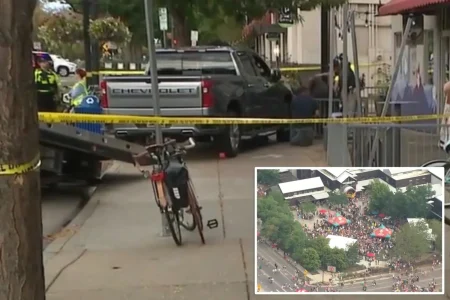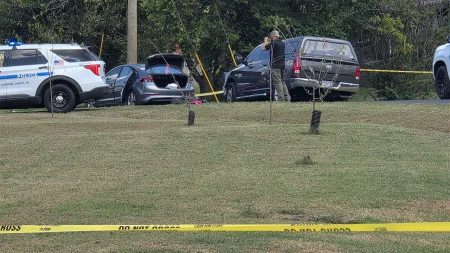


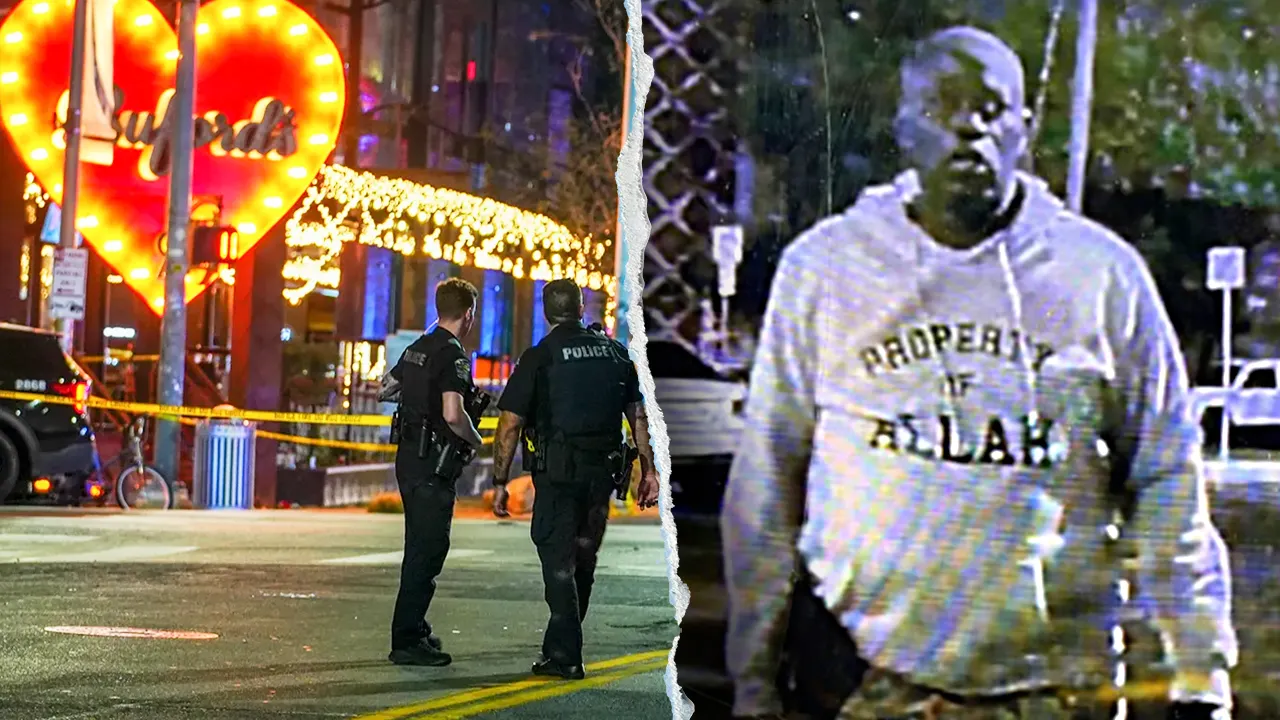
The sun had barely set over Austin, Texas, that Saturday night, as the vibrant pulse of the city’s entertainment district thrummed with life. West Sixth Street, affectionately dubbed the backbone of Austin’s nightlife for decades, bustled with revelers spilling out of bars and restaurants, their laughter and chatter mixing with the hum of traffic and live music. Places like Buford’s Backyard Beer Garden, a favorite haunt for locals and tourists alike, pulsed with energy—a spot where strangers became friends over cold beers and shared stories. It was just before midnight when the crowd swelled, the patio packed with patrons enjoying the balmy Texas evening air. Little did they know, this ordinary night of carefree indulgence would shatter into horror within hours. By dawn, the scene had transformed into a nightmare: three lives extinguished, fourteen others marked by pain and uncertainty, all from a rampage that began just before 2 a.m. The FBI, in a swift assessment, labeled it “potentially an act of terrorism,” casting a shadow over the usually vibrant district and sparking fears that echoed far beyond Austin’s borders. As details emerged, the human toll became painfully evident—families waiting anxiously by phones, victims recounting the chaos through tears, and a community grappling with the fragility of peace. News spread like wildfire, with headlines blaring from Fox News and beyond, reminding everyone that even in the heart of a bustling city, darkness can strike swiftly and indiscriminately. The shooter, a 53-year-old man, had navigated this very scene in his large SUV, circling the block as if casing the territory, before unleashing terror. Witnesses later described the surreal calm before the storm, patrons engrossed in conversations, drinks in hand, oblivious to the impending turmoil. When the gunfire erupted, it wasn’t just bullets flying; it was dreams disrupted, futures altered. One survivor, a young professional from out of town celebrating a promotion, spoke of ducking behind a table as screams pierced the night, her heart pounding as she clutched her phone, texting loved ones in a frantic bid for help. Another, a longtime Austin resident visiting Buford’s for a birthday, recalled the acrid scent of gunpowder mixing with spilled beer, transforming what should have been a joyful gathering into a stampede of terror. The district, long a symbol of Texas hospitality, now stood as a grim reminder of vulnerability. Police Chief Lisa Davis later painted a vivid picture: the gunman, flashers on his SUV, rolling down the window to fire a pistol at unsuspecting patio-goers, each shot shattering glass and lives. People scattered like leaves in a whirlwind, some running blindly into the street, others freezing in shock as the vehicle sped off. It was a scene plucked from a nightmare, where the mundane act of enjoying a beer turned lethal in an instant. Hugo Mendez, owner of a nearby tattoo parlor, voiced the collective concern, highlighting how such “chaos” had become a recurring theme on weekends, blaming certain bars that skimped on security and crowd control. Yet, even as the dust settled and sirens wailed, a resilience flickered—stories of heroism emerging from the ashes, like off-duty nurses rushing to aid the wounded amid the mayhem. The broader context added layers to the tragedy: Austin’s Sixth Street had seen pockets of violence in recent years, from bar fights to occasional shootings, prompting calls from KVUE and local leaders for better measures to safeguard the area’s allure. Authorities, responsive to community outcry, had been ramping up patrols, but this incident underscored the persistent gaps. It wasn’t just about one deranged individual; it was a wake-up call about the fragility of public spaces where fun and danger coexist. Families across the nation watched with bated breath, perhaps reflecting on their own outings, wondering if terror lurked in the shadows of everyday joy. As investigators pieced together the puzzle, the shooter’s background emerged, humanizing him in a twisted way while underscoring the threats posed by radicalization. He was no nameless phantom—a naturalized U.S. citizen born in Senegal, who had lived quietly in Pflugerville, Texas, for years. Sources close to the case, speaking confidentially to Fox News, revealed he became a citizen in 2013 under the Obama administration, a tidbit that fueled political speculation amid rising tensions. What struck many was his attire that night: clothing emblazoned with “Allah” and an undershirt featuring the Iranian flag, screaming symbols that hinted at deeper motivations. A chilling photo obtained by Fox News showed him armed with a rifle, his sweater reading “property of Allah,” a stark emblem that chilled spines and provoked endless debate. Who was this man? Neighbors painted a picture of an ordinary resident—perhaps reclusive, possibly alienated—living in a suburban home amid the sprawl of Texas’ tech hub. Had he felt disconnected, drawn to extremist ideologies online or through personal grievances? These questions lingered, making the terror not just about bullets, but about the unseen battles raging within individuals. Federal sources emphasized his naturalized status, blurring lines between domestic and foreign influences, while the White House confirmed President Donald Trump had been briefed, signaling the gravity at national levels. In human terms, this wasn’t merely a “suspect”; it was someone’s son, brother, or stranger who had walked among them, perhaps unnoticed until his actions tore the fabric of society. The FBI’s involvement deepened the intrigue, with acting special agent Alex Dorn cautioning that while indicators pointed to a “potential nexus to terrorism,” motives remained murky. He highlighted clues found in the man’s vehicle—a trove of potential evidence that could unravel a web of radicalization. For families affected, this revelation added layers of fear: Was this part of a larger plot? Would more follow? Victims grappled with trauma, counseling sessions booked solid, as therapists helped process the shock of witnessing such rage. Dorn’s words at the press conference echoed empathy, acknowledging the raw emotion in the air while steering clear of premature judgments. Yet, beneath the official reserve, one sensed the urgency—the Joint Terrorism Task Force mobilized, experts scrutinizing every detail to prevent missteps that could leave vulnerable threads untied. Public reaction was swift and polarized: some demanded immediate answers on borders and extremism, while others mourned the lost humanity, urging dialogues on mental health and integration. The shooter’s identity, with its ties to Senegal and symbols of allegiance, sparked conversations about immigration and security, echoing through social media and dinner tables alike. In a city famed for its warmth and acceptance, this act forced introspection—how could someone seamlessly fold into the American dream, only to erupt in violence? Survivors shared personal reckonings: a wounded patron reflecting on the life he nearly lost, vowing to cherish moments anew, or activists channeling grief into advocacy for stricter gun laws. The human cost rippled outward, affecting not just Austin but resonating with global audiences wary of rising extremism. As dawn broke, a Victim Services Unit hotline buzzed with calls from worried relatives, offering a lifeline in the fog of confusion—a testament to bureaucracy’s attempt at compassion.
The sequence of events unfolded like a thriller scripted in real time, but for those caught in it, it was a heart-stopping reality that etched memories forever. Just before 2 a.m., the suspect’s SUV prowled West Sixth Street, weaving through the densely packed district where bars and eateries lined the sidewalks. He circled, as if gathering courage or scoping targets, before flashing his lights—a deceptive signal that drew no suspicion—in a move that felt eerily premeditated. Then, with chilling efficiency, he rolled down the window and unleashed a barrage from his pistol, firing at patrons lounging on Buford’s patio. Screams erupted instantaneously, glass shattering like fragile barriers between safety and anarchy, bullets finding flesh amidst the crowd. Victims later recounted the pandemonium: one man remembering the searing pain as he dove for cover, his evening of revelry morphing into survival instinct; another woman, shielding her friend, feeling the warm spray of blood and the cold grip of terror as the vehicle sped westbound. The shooter didn’t linger in the bar—he never even stepped inside—but his drive-by shots left a trail of devastation, striking those enjoying the night air or just passing by. After turning onto Wood Street, he parked ominously, exited armed with a rifle, and continued his assault on foot, targeting pedestrians in the chaos. The rifle, a powerful extension of his fury, amplified the horror, each report echoing down the streets where families had once strolled safely. Oscarn fernandez, a nearby resident awakened by the gunfire, described the cacophony as “war in the city center,” his voice trembling with the recollection. Victims spoke of the disorienting blur—people trampling over barstools, the metallic tang of fear mixing with spilled drinks, and the instinctive scramble for cover. A young couple, newly engaged, clung to each other under a table, whispering vows of love amid the dread, their celebration tainted irreparably. For those indoors, the scene outside was a surreal tableau through windows, friends calling out warnings as if in a bad dream. The police responded with remarkable speed, officers who’d been patrolling the weekend throngs converging within about 55-56 seconds, a testament to their readiness. Gunshots rang out in response, the suspect brought down at an intersection in a rapid exchange that ended the spree but left indelibly marked by loss. Eyewitnesses hailed the bravery of first responders, medics sprinting through the mess to triage the wounded, their hands steady even as adrenaline surged. One officer, interviewed later, shared the emotional toll—“You train for this, but nothing prepares you for the faces, the pleas for help.” The timeline painted a picture of controlled mayhem: from first shot to resolution, mere minutes that stretched into eternity for survivors. It wasn’t random chaos; it felt targeted, a calculated strike on innocence. In the aftermath, forensic teams combed the site, piecing together paths and projectiles, while grieving families clung to fragments— a discarded beer mug at the scene, a victim’s phone ringing unanswered. This wasn’t just statistics; it was lives interrupted, stories frozen in time. Jesse, a bar regular who escaped unscathed, lamented the lost camaraderie, Sixth Street’s spirit wounded as much as the bodies. Efforts to secure the area continued, with barriers erected hastily and patrols intensified, but the psychological scars lingered, turning a haven into a haunt. Communities rallied, candlelit vigils sprouting, neighbors sharing meals and stories to fend off despair. The incident forced a reckoning with Austin’s growth pains—rapid urbanization attracting seekers of freedom, yet exposing vulnerabilities to those who exploit it ruthlessly. In humanizing the events, one glimpses the resilience: strangers aiding strangers, a city binding its wounds through shared sorrow and solidarity, even as questions loomed large about what drove such madness.
Police and authorities leapt into action with a precision that spoke volumes about their training and dedication, turning a night of horror into a narrative of rapid heroism. Chief Lisa Davis, her voice steady yet laced with sadness at the Sunday press conference, detailed the suspect’s trajectory: leaving the SUV at the intersection, rifle in hand, advancing on pedestrians with relentless intent. Officers on standby, positioned strategically for the weekend crowds that often swelled to unruly numbers, reacted within seconds—frantically coordinating through radios to flank and neutralize the threat. The exchange was brief and intense; the suspect was shot and killed at the scene, a confrontation that ended violently but spared further bloodshed. Davis emphasized he never breached Buford’s itself, confining his rampage to the exterior—a detail that highlighted how vulnerable open spaces could be. For the families waiting by hospital beds or perched on chairs with TV news blaring, this swift police intervention offered a sliver of solace amid the grief. Stories emerged of off-duty cops among the patrons, springing into action even before sirens wailed, shielding civilians and providing first aid. One such officer, a mother of two, spoke tearfully of cradling a wounded stranger until help arrived, her parental instincts extending to the unknown. Medics swarmed the location, their sirens piercing the night as they transported the injured—some clinging to life, others facing surgeries that would redefine their existences. Victims accounted for 17 total, a number that represented diverse lives: a college student home for the summer, savoring freedom before classes resumed; a tourist capturing memories via selfie; a local bartender who’d been closing shop. The Death Toll of three weighed heavily—three extinguished lights in the community tapestry, mourned through obituaries and memorials. Authorities set up a Victim Services Unit hotline immediately, a compassionate bridge for anguished calls. “We’re here to help navigate this maze,” volunteers assured, offering counseling and updates as relatives pieced together fragmented stories. Hugo Mendez’s frustrations echoed broader discontent, portraying Sixth Street as a powder keg of unregulated bars fostering disarray, yet his words underscored a plea for change rather than despair. KVUE reports illuminated ongoing efforts to bolster safety—enhanced lighting, metal detectors at select venues, and community partnerships—that had been underway, though this tragedy amplified urgency. In the human aftermath, bonds strengthened: Neighbors formed support groups, sharing tales of near-misses and collective healing. A fundraiser blossomed swiftly, raising funds for medical bills and therapy, embodying Austin’s spirit of help-thy-neighbor. For law enforcement, exhausted yet committed, it was a reminder of their silent vigil—training that sharpened instincts, firefighters aiding in evacuation, all converging in a ballet of emergency response. Reflections poured in online, with accolades for the “Lightning-fast heroes of Austin,” contrasting the perpetrator’s darkness with beams of hope. Yet, beneath the praise lingered anxiety: Would this spur stricter measures, closing loopholes in gun regulations that armed such threats? Families of the fallen, like the sister of a slain victim, eulogized their loved ones in heartfelt tributes, weaving narratives of everyday heroes—fathers, daughters, dreamers— cut short violently. The police’s 55-56 second response wasn’t just efficient; it was life-saving, saving countless from joining the casualty list. As investigations deepened, Davies stressed collaboration with the FBI, pooling resources to unravel mysteries. In essence, this wasn’t commentary on failure but on steadfast duty, humanizing responders as guardians who traded nights off for duty calls, their sacrifices echoing through the city’s veins.
Amid the swirling aftermath, the FBI’s assessment of “potentially an act of terrorism” injected a chilling layer, transforming a local tragedy into a national inquiry shadowed by espionage and radicalism. Alex Dorn, the acting special agent in charge of the San Antonio Field Office, treaded carefully during his briefing, acknowledging that motives were elusive bolstered by “indicators on the subject and in his vehicle.” Photographs and intelligence hinted at extremism—a sweater proclaiming allegiance to Islam, an undershirt waving the Iranian flag—artifacts that painted a portrait of a man possibly emboldened by foreign ideologies. Sources unraveled his path: born in Senegal, naturalized in 2013 under Obama’s tenure, residing in Pflugerville as an ostensibly integrated citizen. Yet, suspicions of domestic or international terrorism prompted engagement from the Joint Terrorism Task Force, a multidisciplinary force probing every thread. Dorn’s caution—“it’s too early to determine an exact motivation”—resonated empathetically, honoring victims while cautioning against rushed conclusions. Families clung to these words, yearning for clarity amidst turmoil, some fearing a sleeper cell or lone wolf amplified by online echo chambers. The White House’s confirmation of President Trump’s briefing underscored the incident’s geopolitical ripples, sparking dialogues on vigilance post-acts like 9/11 or more recent attacks. In human terms, this wasn’t abstract threat but tangible dread: parents at home schooling kids, worried about trips to crowded venues; communities scrutinizing newcomers with suspicion, albeit unfairly. Victims ruminated on what-if scenarios, a survivor pondering if spotting the SUV earlier could have averted doom. Federal partners collaborated seamlessly with Austin PD, sharing data to build a comprehensive dossier—vehicle contents, digital trails, associates—each piece unveiling potentials of indoctrination. Dorn’s conference, televised globally, humanized the process by expressing grief and commitment, contrasting bureaucratic rigidity with heartfelt resolve. News outlets like Fox decoded the symbols, igniting debates on immigration policies that might have flagged such profiles. Yet, empathy prevailed in narratives of prevention—calls for deradicalization programs to address alienation before violence strikes. Mourners at vigils raised voices in unity, blending prayers for peace with demands for accountability. The terrorism label evoked memories of past horrors, from Boston to New York, forging a collective resolve. For the shooter’s family, undisclosed and undoubtedly shattered, investigations might reveal personal demons—loss, isolation—that drove him toward extremism. In this unfolding drama, resilience shone: communities hosting talks on understanding faiths, bridging divides widened by fear. The FBI’s probe, meticulous and tireless, aimed not just at justice but at safeguarding futures, their agents embodying dedication in long hours poring over evidence. Ultimately, labeling it potential terrorism humanized vulnerability, reminding all of interwoven lives in a world where one act can shatter illusions, urging vigilance without vilification.
The Austin shooting reverberated through America’s tapestry, amplifying concerns about urban safety while spotlighting the volatile underbelly of Sixth Street’s nightlife, a district that draws millions annually with its eclectic mix of music, dining, and revelry. Historically, the strip has been a crucible of creativity—home to legendary venues like SXSW origins and countless live performances—yet recent years unveiled darker hues, with KVUE reporting spurts of gun violence that eroded its luster. Hugo Mendez, candid in his condemnation of certain bars lacking robust standards, articulated a common lament: “This chaos is weekend routine, not anomaly,” pointing to overcrowded patios and lax security fostering disorder. This incident wasn’t isolated; it echoed tragedies like shootings at South Carolina bars or New Orleans eateries, where gunfire intruded on leisure, claiming lives indiscriminately. As an hub of diversity, Austin epitomized America’s melting pot—artists, tech workers, immigrants coexisting—yet such harmony masked tensions that can erupt. Residents voiced growing unease about weekend mayhem, urging enhanced measures like expanded policing or venue reforms to reclaim spaces for fun sans fear. The tragedy underscored systemic flaws, prompting reflections on gun access and mental health in a state with lenient firearms laws. For victims’ families, the-prompt deployment of a Victim Services Unit hotline became a beacon of support, staffed by compassionate counselors navigating grief’s depths. Calls flooded in from across the nation, parents seeking reassurance for children, spouses grappling with loss. Programs offered trauma-informed care, grief counseling, and practical aid—financial assistance for funerals, logistical help—transforming bureaucracy into balm. Mayor Steve Adler’s proclamations of unity resonated, promising reviews of safety protocols, though skeptics questioned if talk translates to action. Communities mobilized, fundraisers exploding on platforms like GoFundMe, amassing donations for the wounded and bereaved, illustrating humanity’s capacity for generosity. Shrines of flowers and notes appeared at the scene, visitors leaving messages of empathy—“You are not forgotten”—fostering catharsis. In broader strokes, the event fueled national debates on extremism’s infiltration, with media dissecting the shooter’s attire and flags as symbols of global woes. Americans pondered their vulnerability, from suburban soccer games to city events, urging dialogues on unity amid division. Related incidents, like the New Orleans restaurant shooting, highlighted tourism’s risks, prompting travel advisories and heightened awareness. Yet, Austin’s spirit endured; music festivals resumed tentatively, venues hosting healing concerts, blending sorrow into symphony. Experts called for holistic approaches—therapeutic interventions, community policing— to mend wounds prenatally. In humanizing this context, one sees Sixth Street not as cursed, but as cherished ground demanding revitalization, where past joys outweigh present pains. Families of the deceased shared legacies—the educator shaping minds, the dreamer chasing passions—ensuring their stories endured. Authorities’ ongoing probe, merging local vigilance with federal rigor, aimed at closure, honoring promises to families. As days passé, resilience buoyed Austin: Neighbors checked in, strangers offered aid, transforming tragedy into crucible for connection. The district’s recovery symbolized America’s bounce, reminding that fear, though pervasive, yields to collective heart.
In reflection, the Austin tragedy transcends statistics, etching human stories into America’s conscience with a stark reminder of fragility in festive spots. From the 53-year-old shooter’s enigmatic life—a naturalized influencer wrapped in symbols that hinted at fractured ideologies—to the swift police takedown and FBI’s probing lens, each facet unveils interwoven threads of loss and resilience. Victims, 17 souls scarred, ponder “why us?” amid newfound appreciations for mundane moments, their healings aided by hotlines and communal vigils. Sixth Street, once a beacon of joy, now symbolizes vigilance, spurring reforms to blend safety with spiritedness. Related echoes from New Orleans and South Carolina amplify calls for nationwide protections, urging unity over division. As investigations unveil motives and preventions, empathy guides: Honoring the fallen, supporting survivors, and fortifying communities against unseen threats. In this narrative, humanity prevails—not through blame, but in shared strength, turning darkness into dawn’s promise of better days.